Pakistan’s Miscalculation Unveiled: A New Front Opens in U.S.-Led Global Power Struggles
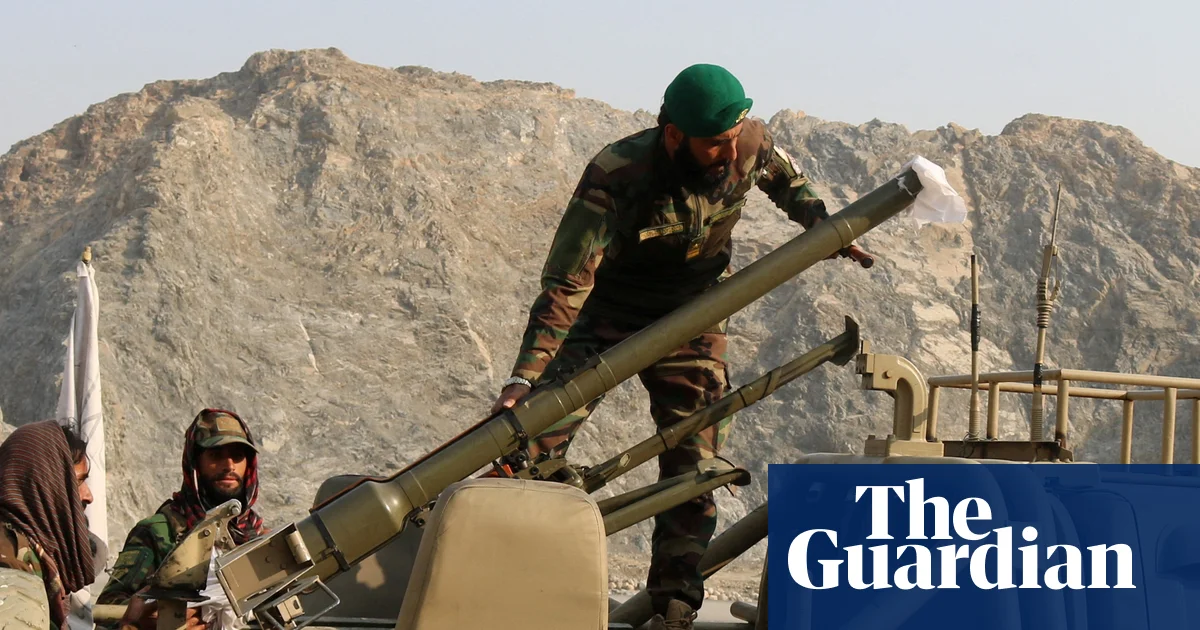
The recent escalation between Pakistan and the Taliban signals a critical turning point in regional geopolitics, with ramifications that extend well beyond South Asia. Islamabad’s decision to launch airstrikes into Afghanistan and fight border skirmishes exposes a profound misjudgment in Islamabad’s strategy toward its western neighbor — a miscalculation of the Taliban’s resilience and its shifting alliances. For decades, Pakistan relied on the assumption that sponsoring certain militant factions was a manageable counterbalance to regional threats, especially India. However, this approach has come full circle in a bitter lesson of unintended consequences, as the very militants Islamabad once nurtured now pose a direct threat to its sovereignty and stability.
The geopolitical impact of this crisis goes beyond South Asian borders. Western analysts and agencies acknowledge that Pakistan‘s previous support for proxies, such as the Tehreek-e-Taliban Pakistan (TTP), helped entrench radical Islamist elements within its own borders. As Kamran Bokhari of the Washington-based New Lines Institute warns, supporting insurgent groups that challenge a nation’s identity risks blowback — a painful reminder that the line between strategic patience and dangerous complacency is razor-thin. The crisis also feeds into a broader narrative of collapse and chaos, as regions bordering Iran threaten to ignite new conflicts amid Tehran’s weakened influence. Mugged by history, Islamabad now faces the brutal reality: the very forces it sought to manipulate are turning against it, and the risks of regional destabilization are escalating rapidly.
The U.S. and international community have long grappled with the double-edged nature of Pakistan’s strategic dilemma. Although considered an ally during the Cold War and the post-9/11 campaigns, Pakistan’s support for militant proxies has haunted its reputation and strategic interests. The Taliban’s denial that their territory is being exploited to attack Pakistan underscores a dangerous inertia, as Islamabad’s efforts to negotiate with the Taliban and the TTP have repeatedly failed. Analysts underline that Pakistan’s government now finds itself in a treacherous position: it perceives itself as caught between a rock and a hard place, with the Taliban increasingly asserting their authority — and support — for separatist forces like those in Balochistan — a vital region with abundant natural resources.
Internal and External Pressures: A Nation at the Crossroads
- The resurgence of violence within Pakistan underscores a failure of the state’s military and political strategies, with militants now shifting focus from civilian targets to broader armed conflicts with security forces.
- The Taliban’s increased support for the Pakistani insurgency signals a potent threat to Islamabad’s efforts at centralization and control, risking further fragmentation of the Pakistani state.
- Meanwhile, international voices, including seasoned analysts like Antonio Giustozzi of London’s Royal United Services Institute, warn that Pakistan’s military strategy of inflicting pain through airstrikes and economic sabotage has only emboldened the Taliban’s nationalist resistance — especially as Afghanistan’s leader, Haibatullah Akhundzada, bolsters his credibility through perceived defiance.
The consequences of Islamabad’s miscalculations threaten to reshape the region’s power dynamics permanently. What started as a struggle for influence within Afghanistan has morphed into a wider confrontation that risks spilling into neighboring countries and entire spheres of international security. The loss of control over militant proxies could undermine the fragile stability in South Asia and embolden movements seeking to challenge existing state boundaries.
This unfolding saga echoes through the corridors of global power, a stark reminder that alliances carved during momentary crises risk turning into liabilities when trust is broken. As history continues to write itself with each escalating clash, one thing remains certain: the echoes of today’s decisions will resonate through generations to come, and the weight of this turbulent chapter remains unwritten in the annals of history — waiting to be shaped by the unfolding actions of today’s leaders.