Matox News

Truth Over Trends, always!

Pakistan's Role: Bridging the Gap for US-Iran Ceasefire
Pakistan’s Role: Bridging the Gap for US-Iran Ceasefire

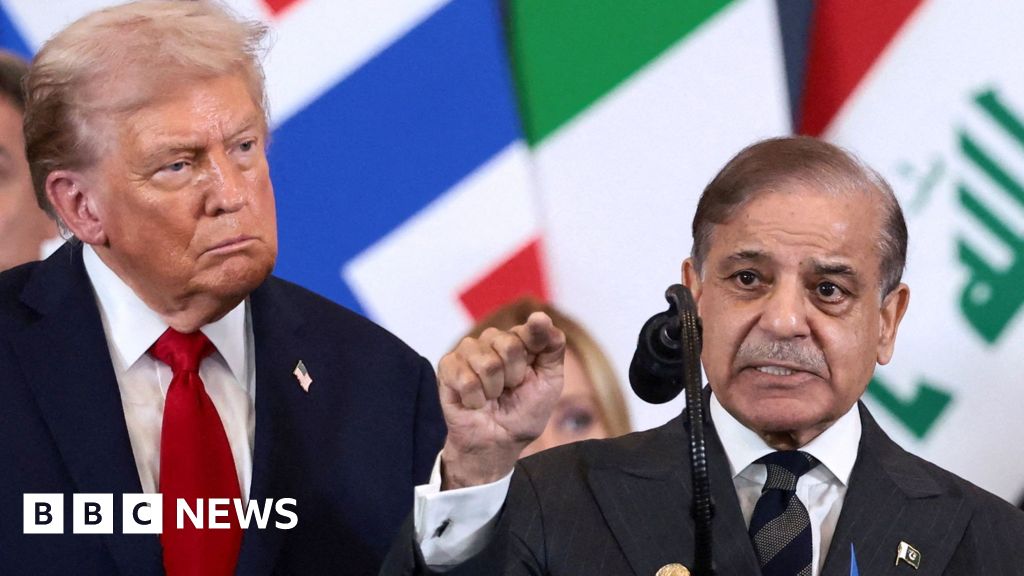
The complex and often volatile web of regional alliances and rivalries has once again come into focus with Pakistan’s recent negotiations involving Iran. Historically, Pakistan and Iran have maintained a relationship rooted in shared borders, cultural ties, and mutual strategic interests. However, recent developments reveal that such partnerships are increasingly fragile amidst the shifting sands of international diplomacy. With the announcement of a new agreement—though distant from certainty—analysts suggest it may mark a crucial pivot point in Middle Eastern geopolitics that could ripple far beyond the region.

Central to this unfolding chapter is the context of the broader regional rivalries and international pressures. Pakistan, often seen as a key U.S. ally, has historically balanced its relationship with Iran—a nation often viewed with suspicion by Western powers—against its own strategic interests. The BBC’s Caroline Davies reports that despite longstanding connections, the pathway toward formal agreements remains uncertain. The delicate balance is exemplified by recent diplomatic overtures that include economic, security, and infrastructural considerations, all under the shadow of ongoing conflicts in neighboring Syria and Afghanistan.

Experts warn that any success or failure of this agreement carries significant geopolitical impact. Should the negotiations find common ground, it could alter regional dynamics by fostering closer economic and military cooperation between Pakistan and Iran, thereby challenging the U.S.-led dominance in the region. Conversely, a failure could deepen divisions and increase instability, potentially fueling greater tensions between Iran and Saudi Arabia, with Pakistan caught as a key player in the balancing act. Many analysts, including those from the International Crisis Group, point out that such shifts have the potential to reshape alliances, impact energy routes, and influence the global balance of power.

Furthermore, this evolving scenario underscores a broader narrative of geopolitical upheaval—where international organizations warn of a new Cold War-like era in the Middle East and South Asia. Nations are now more than ever assessing their security guarantees and economic partnerships, knowing that decisions made today may define regional stability for decades. The United Nations and other global bodies observe cautiously, recognizing that these negotiations could either serve as a catalyst for peace or ignite a new cycle of confrontation. The weight of history presses heavily, as regions with long-standing conflicts teeter at a crossroads: to cooperate or collide, with the echoes of past wars fueling the debate.

As the world watches, the narrative remains unwritten. The impact of Pakistan’s engagement with Iran extends far beyond diplomatic cables and economic accords; it encapsulates the ongoing struggle for influence in a region where every move can alter the course of history. The decisions made in the coming weeks will echo into the future, shaping the fate of nations and societies, and determining whether the current moment marks a genuine step toward stability or another chapter of chaos. As the geopolitics of the Middle East and South Asia unfold, history’s final verdict hangs in the balance—an unfolding story that the world cannot afford to ignore.
Pakistan’s patience snaps after misjudging Taliban threat

Pakistan’s Miscalculation Unveiled: A New Front Opens in U.S.-Led Global Power Struggles

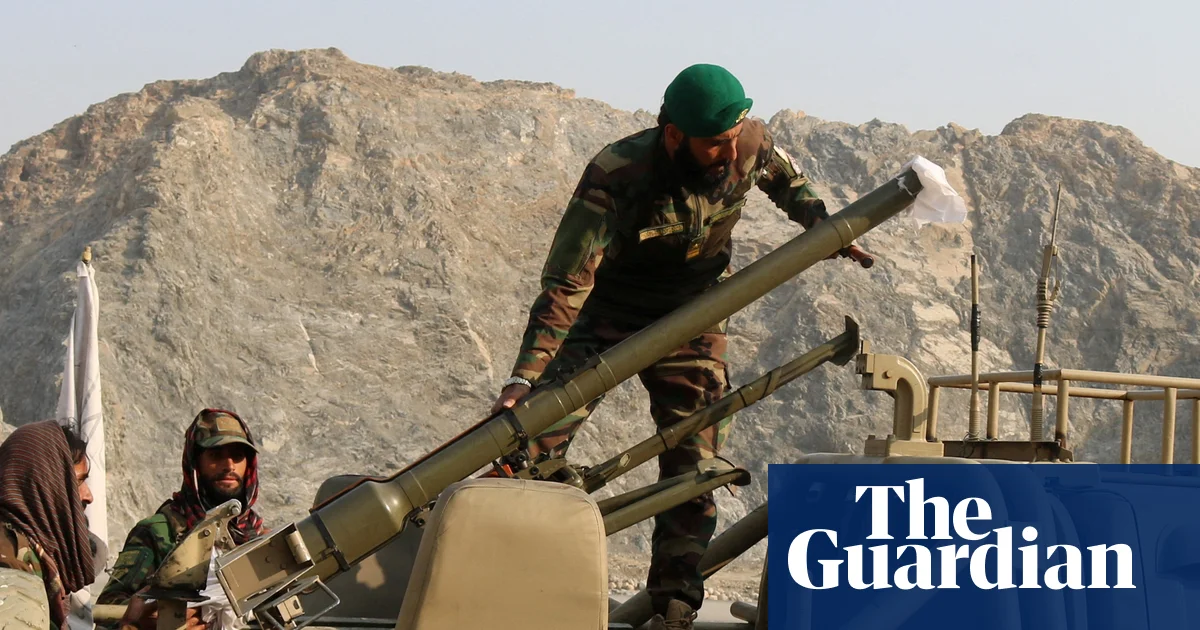
The recent escalation between Pakistan and the Taliban signals a critical turning point in regional geopolitics, with ramifications that extend well beyond South Asia. Islamabad’s decision to launch airstrikes into Afghanistan and fight border skirmishes exposes a profound misjudgment in Islamabad’s strategy toward its western neighbor — a miscalculation of the Taliban’s resilience and its shifting alliances. For decades, Pakistan relied on the assumption that sponsoring certain militant factions was a manageable counterbalance to regional threats, especially India. However, this approach has come full circle in a bitter lesson of unintended consequences, as the very militants Islamabad once nurtured now pose a direct threat to its sovereignty and stability.

The geopolitical impact of this crisis goes beyond South Asian borders. Western analysts and agencies acknowledge that Pakistan‘s previous support for proxies, such as the Tehreek-e-Taliban Pakistan (TTP), helped entrench radical Islamist elements within its own borders. As Kamran Bokhari of the Washington-based New Lines Institute warns, supporting insurgent groups that challenge a nation’s identity risks blowback — a painful reminder that the line between strategic patience and dangerous complacency is razor-thin. The crisis also feeds into a broader narrative of collapse and chaos, as regions bordering Iran threaten to ignite new conflicts amid Tehran’s weakened influence. Mugged by history, Islamabad now faces the brutal reality: the very forces it sought to manipulate are turning against it, and the risks of regional destabilization are escalating rapidly.

The U.S. and international community have long grappled with the double-edged nature of Pakistan’s strategic dilemma. Although considered an ally during the Cold War and the post-9/11 campaigns, Pakistan’s support for militant proxies has haunted its reputation and strategic interests. The Taliban’s denial that their territory is being exploited to attack Pakistan underscores a dangerous inertia, as Islamabad’s efforts to negotiate with the Taliban and the TTP have repeatedly failed. Analysts underline that Pakistan’s government now finds itself in a treacherous position: it perceives itself as caught between a rock and a hard place, with the Taliban increasingly asserting their authority — and support — for separatist forces like those in Balochistan — a vital region with abundant natural resources.

Internal and External Pressures: A Nation at the Crossroads

  • The resurgence of violence within Pakistan underscores a failure of the state’s military and political strategies, with militants now shifting focus from civilian targets to broader armed conflicts with security forces.
  • The Taliban’s increased support for the Pakistani insurgency signals a potent threat to Islamabad’s efforts at centralization and control, risking further fragmentation of the Pakistani state.
  • Meanwhile, international voices, including seasoned analysts like Antonio Giustozzi of London’s Royal United Services Institute, warn that Pakistan’s military strategy of inflicting pain through airstrikes and economic sabotage has only emboldened the Taliban’s nationalist resistance — especially as Afghanistan’s leader, Haibatullah Akhundzada, bolsters his credibility through perceived defiance.

The consequences of Islamabad’s miscalculations threaten to reshape the region’s power dynamics permanently. What started as a struggle for influence within Afghanistan has morphed into a wider confrontation that risks spilling into neighboring countries and entire spheres of international security. The loss of control over militant proxies could undermine the fragile stability in South Asia and embolden movements seeking to challenge existing state boundaries.

This unfolding saga echoes through the corridors of global power, a stark reminder that alliances carved during momentary crises risk turning into liabilities when trust is broken. As history continues to write itself with each escalating clash, one thing remains certain: the echoes of today’s decisions will resonate through generations to come, and the weight of this turbulent chapter remains unwritten in the annals of history — waiting to be shaped by the unfolding actions of today’s leaders.

Pakistan’s military locks up ex-spy chief Faiz Hameed for 14 years ahead of critical elections

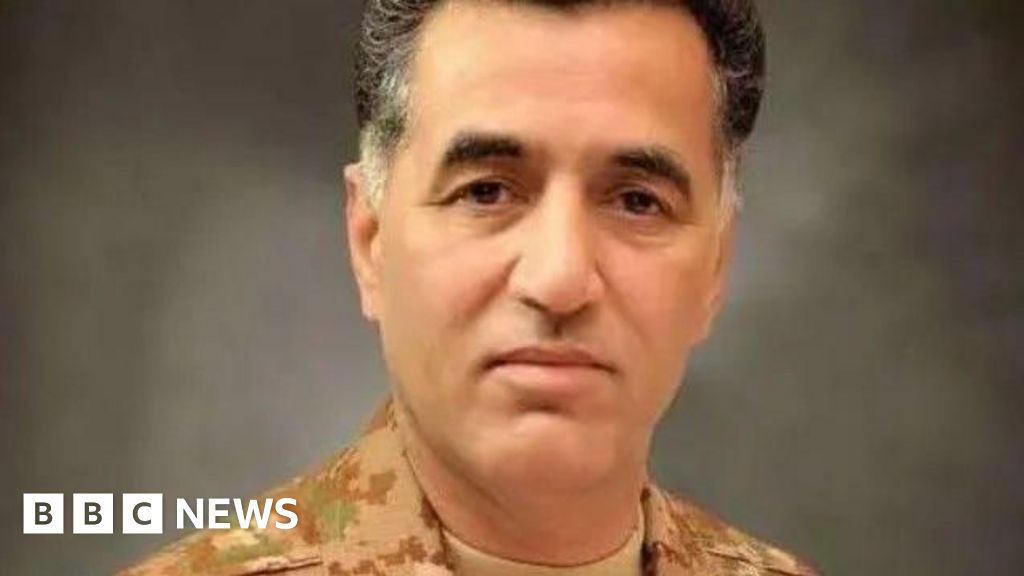
Pakistan continues to find itself at a critical juncture in its complex political landscape, as recent developments signal both internal struggles and broader implications for regional stability. The sentencing of Faiz Hameed, the former head of the Inter-Services Intelligence (ISI), to 14 years in prison marks a historic moment—the first time in Pakistan’s history that an ISI chief has been court martialled. This unprecedented move speaks volumes about the shifting balance of power within Pakistan’s military and civilian spheres, and serves as a stark reminder of the persistent turbulence in the nation’s governance.

The charges against Hameed—including violation of state secrets and interference in political processes—underscore the tense intersection between Pakistan’s military elite and its political leadership. Hameed, a key figure during Imran Khan’s tenure as prime minister, was known for his staunch support of the ousted leader. The military’s move to prosecute and imprison its former intelligence chief not only intensifies the ongoing politicization of Pakistan’s military institutions but also sends a clear message to those in power: accountability is gaining ground, even against the military’s upper echelons. Historians and security analysts see the case as a *possible sign of internal reforms or factional struggles within Pakistan’s powerful military establishment*, which has historically operated with significant autonomy from civilian authority.

Official reports from the Pakistan Army, citing the Pakistan Army Act, reveal that the court martial proceedings lasted *over a year* and were conducted behind closed doors—symptomatic of the secretive nature that often cloaks military interventions. The charges levied include misuse of powers, involvement in political agitation, and harm to citizens, especially regarding alleged protests related to Khan’s arrest on 9 May 2023. The verdict, although denied public transparency, indicates an intention to curb political interference within the military’s ranks, a move that could shift the longstanding tradition of military dominance in the nation’s politics and mark a pivot toward demonstrating accountability and strengthening civil-military boundaries.

Internationally, this development draws sharp attention from observers and institutions. Global organizations, such as the United Nations and regional security partners, watch closely as Pakistan’s internal dynamics may influence regional stability, especially given ongoing tensions in neighboring India, Afghanistan, and beyond. Analysts warn that any weakening of military influence could have unpredictable consequences, either paving the way toward greater democratic reform or triggering internal unrest. As Pakistan’s future remains uncertain, the court’s decision to sentence a figure of such influence signals an internal shift, but also suggests an escalating battle for dominance between civil authority and military power.

What remains clear is that history continues to unfold rapidly for a nation caught in the throes of reform, resistance, and the relentless pursuit of power. The story of Faiz Hameed is not just about one man—it’s a chapter in a larger narrative of a nation striving to redefine itself. As the dust settles and courts proceed, the weight of Pakistan’s history presses on, leaving the world to ponder whether this moment signifies the dawn of transparency or the prelude to further chaos. Decisions taken today will echo in the corridors of history, shaping the future of a nation whose destiny remains intricately woven into the fabric of regional and global security.

Social Media Auto Publish Powered By : XYZScripts.com



