Global Economic Tensions Rise as Australia Faces Inflation Shock
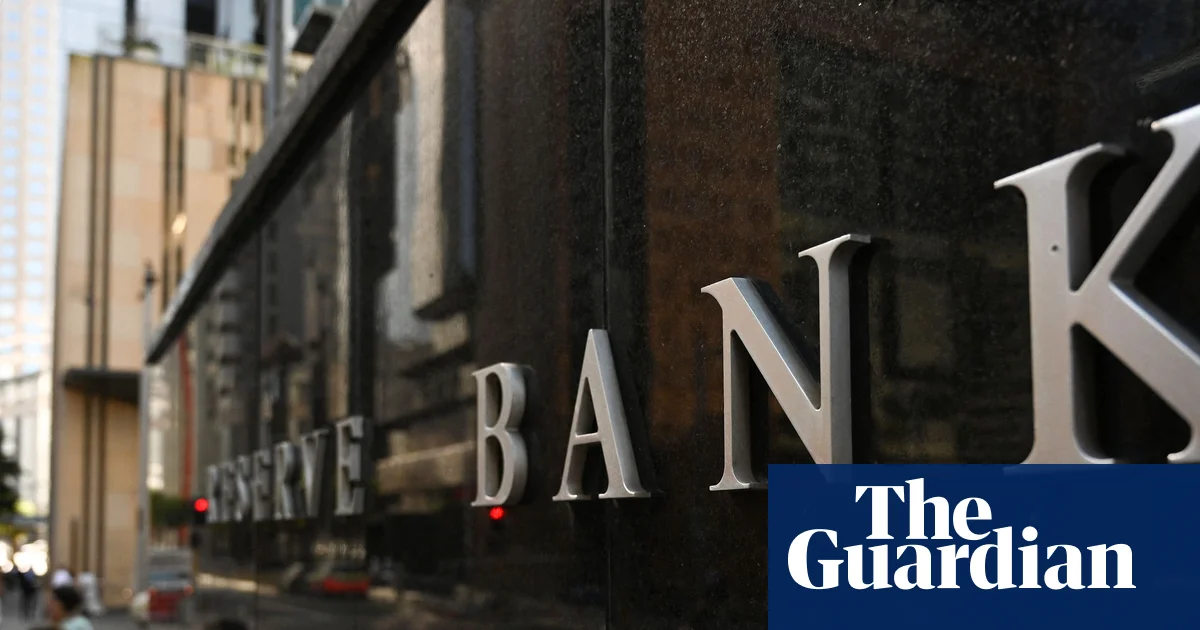
The recent decision by the Reserve Bank of Australia (RBA) to hold interest rates steady at 3.6% has sent ripples through international markets, highlighting the fragile state of global economic stability. While the monetary policy board’s decision was widely anticipated, the underlying causes—particularly a surprising surge in inflation—offer a stark warning about the complexities faced by national economies in the aftermath of aggressive rate cuts earlier this year. As the RBA maintains its cautious stance amidst rising core inflation, the geopolitical landscape is increasingly influenced by such economic shifts, where the decisions of a single nation can ripple across continents, affecting trade, investment, and geopolitical alliances.
Australia’s Inflation Surge: A Turning Point in Domestic Policy
- Core inflation in Australia rose to 3% in September, reaching the upper limit of the RBA’s preferred range, signaling an unexpected acceleration not seen since 2022.
- The headline unemployment rate also increased unexpectedly to 4.5%, amid rising electricity prices—up 9% in a quarter as government energy rebates expired—casting doubt on the sustainability of the nation’s recovery.
- This inflation spike, coupled with sluggish employment growth, underscores a potential shift in Australia‘s economic trajectory, challenging policymakers’ earlier assurances that rate cuts would support job creation.
According to leading analysts and economists, this unexpected data underscores the uncertainty that now clouds the Australian economy. International institutions, such as the International Monetary Fund (IMF), have warned that persistent inflation can lead to stagflationary scenarios, complicating central banks’ efforts to balance growth with price stability. The RBA’s cautious pause in rate hikes, despite market expectations for further cuts, exemplifies the delicate geopolitical dance of managing internal economic pressures while avoiding escalation into broader regional or international instability.
Global Impact of Regional Policy Decisions
The repercussions of Australia’s economic challenges extend beyond its borders. Investors worldwide are watching closely, especially with financial markets scaling back bets on further rate cuts in the coming months. This shift could influence currency valuations and trade dynamics across the Indo-Pacific and beyond. For instance, rising interest rates in Australia may strengthen the Australian dollar but could simultaneously hinder export competitiveness, affecting regional supply chains and investment flows. Such developments underscore how internal policy shifts are critically intertwined with the broader international political landscape.
Moreover, some analysts warn that the inflation surprise serves as a stark reminder of how national economic stability can influence geopolitical strength. Countries that manage inflation effectively are seen as more resilient and capable of asserting influence in international forums. Conversely, nations burdened by economic turbulence risk weakening alliances and inviting geopolitical opportunism from rivals. The U.S., China, and the European Union are all closely observing these shifts, recognizing that a fragile Australia could be exploited by strategic adversaries or destabilize regional peace.
Concluding Reflections: The Weight of History on the Horizon
As Australia grapples with an inflationary headwind that threatens to undermine its economic recovery, the broader implications for international stability remain profound. Decisions made within the corridors of Canberra resonate through global markets and diplomatic corridors alike. This quiet yet intense conflict between economic growth and inflation is not merely a domestic issue but a chapter in the unfolding narrative of global power struggles and economic resilience. The world watches, knowing that history’s next great turning point may lie just around the corner—when a nation’s economic decision becomes a catalyst for a new era of geopolitical realignment. In the shadows of mounting inflation and shifting alliances, the fabric of international order is being woven anew, with each nation’s fate forever intertwined in the ledger of history.