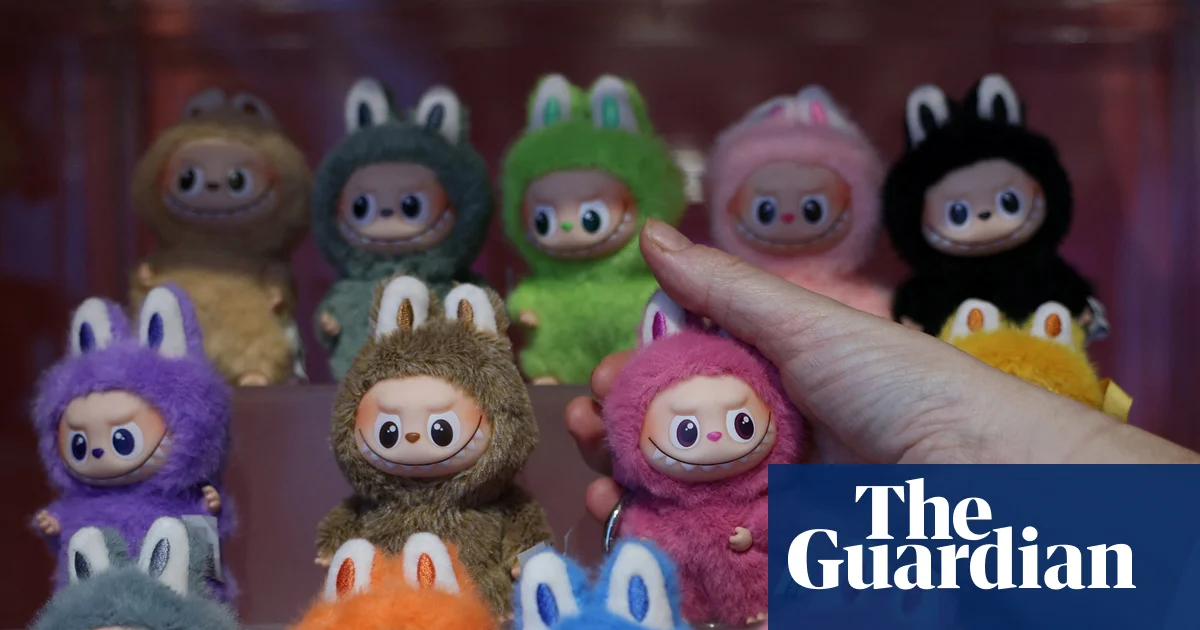
In an era defined by rapid technological advancement and cultural shifts, the story of Labubu—the viral plush toy turned potential cinematic franchise—illustrates a profound truth about our society’s evolving relationship with culture, commodification, and identity. Historically, culture has served as the bedrock of society’s self-understanding, a mirror reflecting collective memories and a compass guiding future aspirations. Today, however, the lines between art, commerce, and social identity blur more than ever, with the entertainment industry reshaping itself into a producer of brands and icons that seep into the very fabric of youth culture. Labubu—initially conceived as a whimsical monster figurine inspired by European fairy tales—evolved into a societal phenomenon rooted in social media, celebrity endorsement, and a desire for unique forms of personal expression. This mirrors the cultural shifts outlined by Ortega y Gasset, who argued that culture is not merely a relic of the past but a living, breathing consciousness that must adapt to new social realities.
What makes this phenomenon so compelling is not just the toy’s evolution into an object of high fashion or celebrity allure but the underlying mechanism of cultural reinforcement. The plush doll’s rise underscores the importance of tradition and memory in shaping society’s identity, even as that identity becomes increasingly commercialized. As Chesterton once observed, “The modern world is full of idols—idols which are scared — but most of all the idol of the consumer’s taste,” pointing to how modern culture often elevates superficial novelty over enduring values. Labubu, with its roots in Nordic fairy tales, symbolizes a form of ancient mythic storytelling dressed in the garb of contemporary branding, transforming from a simple collectible into a social currency—an emblem of belonging and status for a new generation of followers. Its appeal is emblematic of society’s innate quest for meaning in the ephemeral, permanence in the transient.
Furthermore, the commercial transformation of toys into film franchises exemplifies an inversion of the traditional artistic process. Historically, films inspired toys; now, we witness the reverse, where merchandise driven franchises become the roots from which cinematic stories grow. The blockbuster success of Barbie at the global box office—grossing over $1 billion in 2023—heralded a new chapter in Hollywood, one where toy brands like Mattel are pitching multiple ideas for cinematic universes rooted in their iconic products. Such developments demonstrate how the boundaries between cultural production and commercialism are eroding, leading to a cultural landscape where the personal and the branded merge seamlessly. It’s not merely entertainment; it’s a new mythology, a collective dream forged in the crucible of consumer desire. As Tocqueville warned, liberty and identity flourish when rooted in tradition—but when brands become the new symbols of belonging, we risk losing sight of the deeper currents that give culture its meaning.
In this landscape, the relevance of culture as a vessel of societal memory and prophetic vision becomes even more vital. The rise of Labubu and similar phenomena serve as poignant reminders that culture is both the repository of our shared stories and the blueprint of our future aspirations. As poets like T.S. Eliot suggested, tradition is no mere dead weight but a guiding force; it is both memory and prophecy—a dialogue between what we carry and what we seek to become. Consequently, in the age of rapid commodification, to understand and cherish culture is to recognize its power to forge identities rooted in history yet stretching toward eternity. It is through this sacred tension—between memory and prophecy—that humanity’s enduring story continues, whispering the promise that beneath the shifting sands of popular trends, the true soul of society remains bound to its roots, awaiting renewal in the fertile soil of collective memory.