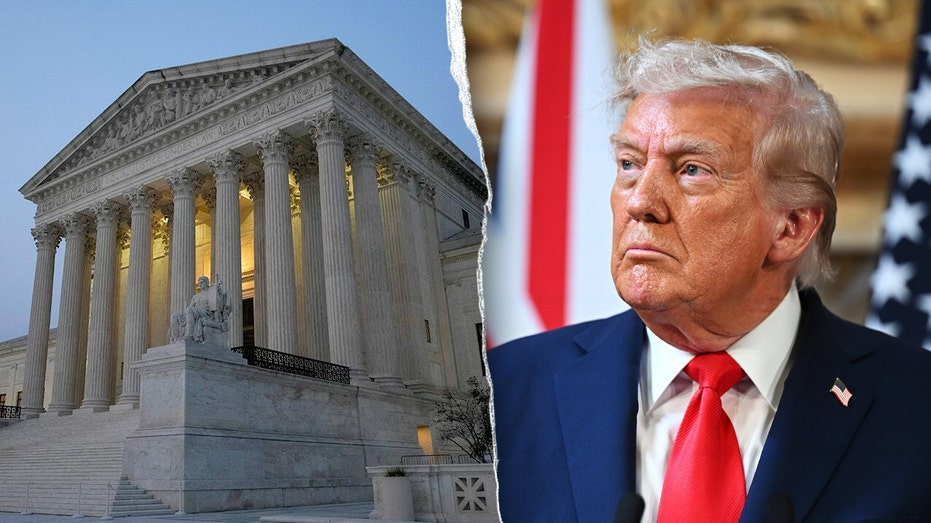
The United States Supreme Court has delivered a significant ruling, clearing the way for Alabama to implement its updated congressional district map. This decision, backed by a majority of the justices, marks a pivotal moment in the ongoing legal discourse surrounding electoral boundaries and representation. The new map could lead to the elimination of a district that has historically been majority-Black, initiating considerable debate among political observers and civil rights advocates.
Judicial Green Light for New Map
In a move that underscores the Court’s stance on state-level redistricting processes, a majority of the justices sided with Alabama. This decision effectively accelerates the state’s efforts to put into place a congressional district map that had faced legal challenges. The ruling allows Alabama to proceed without further immediate federal court intervention, impacting the upcoming electoral cycle.
The core of the dispute revolved around the configuration of the state’s seven congressional districts. Prior legal battles had centered on whether previous maps adequately represented minority voters. The Supreme Court’s latest action signals a deferral to state authority in this complex area, a position often favored by proponents of federalism and local governance.
The Redistricting Landscape and Legal Challenges
Redistricting, the process of redrawing electoral maps, is a constitutionally mandated task that occurs every ten years following the national census. It is a highly contentious process, often leading to intense legal and political struggles over how power is distributed and how communities are represented.
Alabama’s journey to this new map has been fraught with legal challenges. While specific details of the lower court rulings are extensive, the Supreme Court’s current decision indicates a significant shift in the legal trajectory. According to reporting from the News Desk, the ruling paves the way for the state to finalize its electoral boundaries, emphasizing the institutional role of the judiciary in resolving such disputes. The legal system, while often slow, remains the arbiter of these fundamental questions of governance.
Implications for Future Elections and Representation
The immediate consequence of the Supreme Court’s decision is that Alabama will move forward with the new map for the next elections. This could fundamentally alter the political landscape, particularly regarding minority representation in Congress. Observers note that the elimination of a majority-Black district could have profound effects on the demographic and partisan makeup of the state’s congressional delegation.
The implications extend beyond Alabama, potentially influencing redistricting debates and legal strategies in other states. Key considerations include:
- The immediate impact on voter turnout and engagement in affected districts.
- The potential for shifts in partisan balance within Alabama’s congressional delegation.
- The ongoing debate over the interpretation of the Voting Rights Act and its application to modern redistricting efforts.
- The role of state legislatures versus federal courts in defining electoral boundaries.
“This Supreme Court decision underscores the complex legal and political dynamics inherent in shaping electoral districts across the nation, reinforcing the principle of judicial review in electoral processes.”
As Alabama prepares for its next elections under this new framework, the ruling serves as a powerful reminder of the judiciary’s ultimate authority in defining electoral processes. It highlights the delicate balance between state autonomy and federal oversight in matters of voting rights and representation, a balance that continues to evolve through landmark court decisions.