Matox News

Truth Over Trends, always!

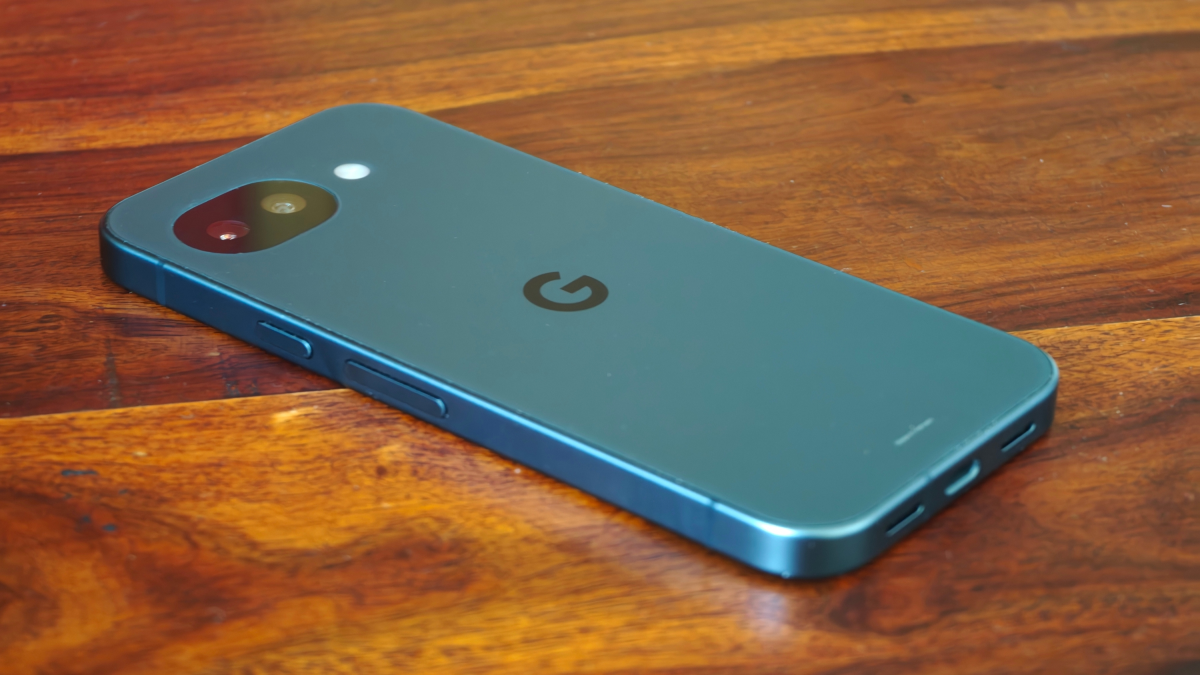
Pixel 10a drops the bump — sleek, clean, and fearless.

Google’s Pixel 10a Ushers in Innovation with Flat Design

The smartphone industry has long been dominated by incremental improvements, often culminating in larger camera bumps that compromise usability and sleekness. However, Google’s latest release, Pixel 10a, signifies a disruptive shift in mobile hardware design by eliminating the camera bump altogether—a bold move that challenges established industry standards. This innovation not only enhances the aesthetics of mid-range devices but also sets a new precedent for disrupting traditional smartphone form factors. Hardware experts and design analysts at MIT and Gartner have highlighted that reducing physical obstructions on smartphones drives a more seamless integration of form and function, aligning with the emerging trend of minimalist yet highly functional devices.

Though the Pixel 10a retains most of its predecessor’s core specifications, its game-changing feature is the flat surface design, allowing the phone to sit flush on surfaces, regardless of orientation. This alteration not only improves usability but also influences manufacturing paradigms, compelling competitors to reconsider balance and camera module placement. The device employs the Google Tensor G4 processor, matching previous models but with a key emphasis on AI-driven features that leverage on-device computing power. Despite its hardware limitations—such as missing out on the latest GPT-enabled AI capabilities—the Pixel 10a introduces practical features like the camera coach AI and Auto Best Take, which significantly enhance photography, especially for casual users. These features exemplify Google’s strategy of innovation-driven disruption, where AI integration becomes a core differentiator in a competitive landscape populated by manufacturers like Nothing and Samsung.

From a business perspective, cost-driven innovation manifests in the Pixel 10a’s competitive pricing at $499, offering high-value features such as a brighter 3,000 nits display with 120Hz refresh rate, a substantial 5,100 mAh battery with faster 30W charging, and a durable build with Gorilla Glass 7i on the front. This affordability combined with design disruption is likely to shake up the mid-range segment—prompting other brands to accelerate their innovation cycles. However, industry experts warn that the reliance on older AI chipsets limits the device’s on-device AI capabilities, potentially hindering its appeal in an AI arms race driven by powerhouse models like Gemini Nano. Nevertheless, Google’s approach of rolling out AI features through periodic Pixel Drops demonstrates a shifting industry paradigm where software updates extend hardware lifespan and value—an important trend that savvy consumers and investors should monitor.

Looking forward, the Pixel 10a’s flat design breakthrough signals an urgent call for industry players to rethink the balance between form, functionality, and consumer preferences. As competition intensifies with offerings like the Nothing Phone 4a Pro, which boasts faster charging, a telephoto lens, and a larger display, Google’s move indicates that innovation is not just about hardware specs but also about redefining user interaction and aesthetic appeal. With the convergence of AI, minimalist design, and strategic pricing, the smartphone market stands on the cusp of a new wave—where disruptive design could become the standard rather than exception. Industry leaders and startups alike must now prioritize innovation that aligns with these evolving consumer expectations, or risk obsolescence in an era where disruption is the new norm.
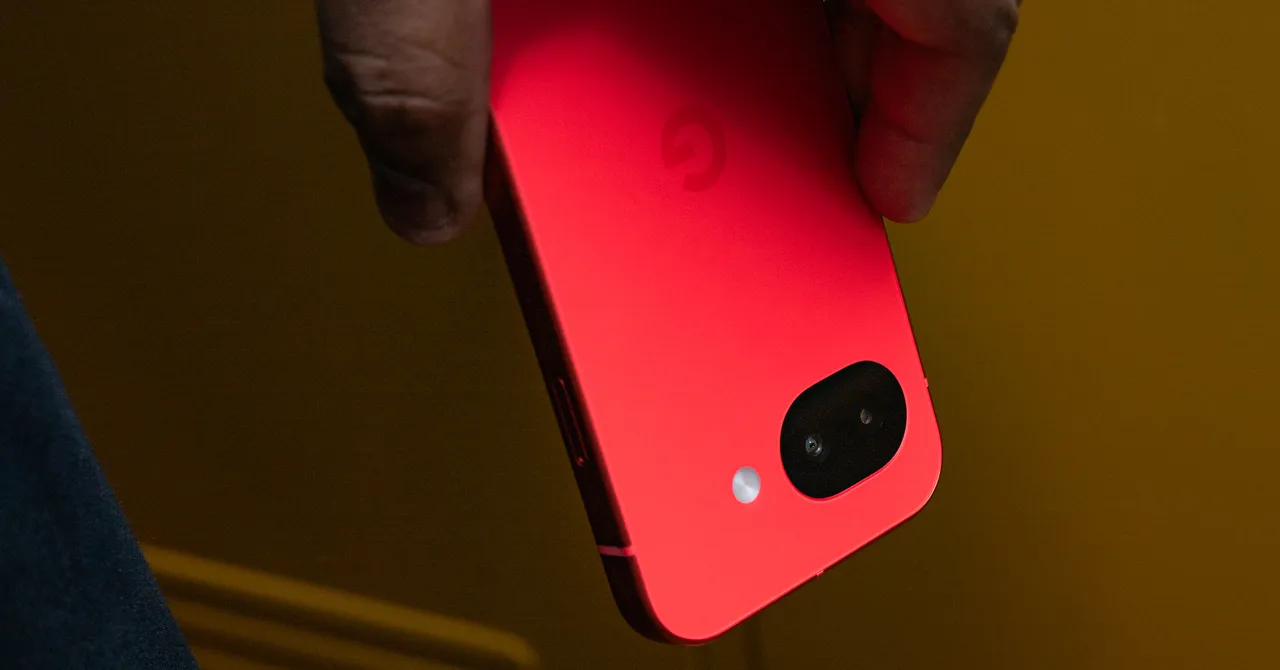

Google Pixel 10a: Smart Budget Choice for Young Tech Fans

Google Pixel 10a: A Mid-Range Smartphone That Disrupts Expectations

In the rapidly evolving world of mobile technology, Google continues to push boundaries with its latest release, the Pixel 10a. While the device features an incremental upgrade over its predecessor, notably housing the same Tensor G4 chipset paired with 8 GB of RAM, its significance lies in how it balances advanced features with affordability. Priced at approximately $599, the Pixel 10a succeeds in bridging the gap between premium smartphones and budget-friendly devices, challenging entrenched industry giants such as Apple and Samsung. As the smartphone market intensifies, this strategy underscores a broader trend—fostering innovation that disrupts traditional pricing models and democratizes access to cutting-edge technology.

One of the key areas where Google’s new model exemplifies disruption is in camera technology. The Pixel 10a maintains a dual-camera system with a 48-MP main sensor and 13-MP ultrawide lens, delivering photo quality that’s competitive with higher-end models. This capability, complemented by natural color reproduction and sharp details, signifies a shift towards delivering premium photo experiences on mid-range devices. Despite some minor white balance issues, the overall photographic performance positions Google as a formidable contender in mobile imaging—a market segment traditionally dominated by flagship models. Notably, industry analyst firms like Gartner have highlighted that the camera remains a critical differentiator in consumer purchasing decisions, thus making Google’s investments in this area a strategic move for market disruption.

Moreover, Google’s emphasis on smart software and AI-powered features signals a tilt towards value-driven innovation. Even with the same Tensor G4 chip, Google’s software enhancements facilitate seamless AI tasks, handling demanding applications with minor lag—an aspect that many competitors neglect in their mid-tier devices. Experts from MIT’s Media Lab emphasize that true innovation increasingly hinges on software capabilities, where AI ecological integration unlocks new possibilities for user engagement. Google’s approach, therefore, is not merely about hardware specifications but about creating an ecosystem that leverages AI as a core differentiator, an industry trend accelerated by Musk’s Neuralink and other AI giants pushing the envelope.

From a business perspective, Google’s strategy of offering a competitively priced device with high-value features represents a major challenge to the industry’s status quo. This industry shift signifies that consumers no longer need to pay flagship prices for innovative features, fundamentally altering market dynamics. The Pixel 10a’s success could prompt established leaders like Apple and Samsung to revisit their premium pricing strategies, chaotic with their flagship-only ecosystems. Additionally, Google’s focus on software and AI as key value drivers encourages other players to double down on AI-enhanced user experiences rather than just hardware upgrades.

Looking ahead, the smartphone industry stands at a pivotal juncture. The Pixel 10a exemplifies how disruptive innovation can redefine competitive landscapes—favoring agility, affordability, and ecosystem integration. As younger consumers become more discerning and demand more value, the industry must adapt rapidly or face obsolescence. With Google’s relentless push for smarter, more accessible technology, the future of mobile devices promises a landscape where innovation is not solely defined by hardware but by how seamlessly AI and software transform user experience—urging industry leaders and newcomers alike to keep a keen eye on emerging trends that could upend traditional business models. Ultimately, the message is clear: those who innovate intelligently and disrupt the market’s norm will shape the next era of technological dominance.

Social Media Auto Publish Powered By : XYZScripts.com


