Matox News

Truth Over Trends, always!

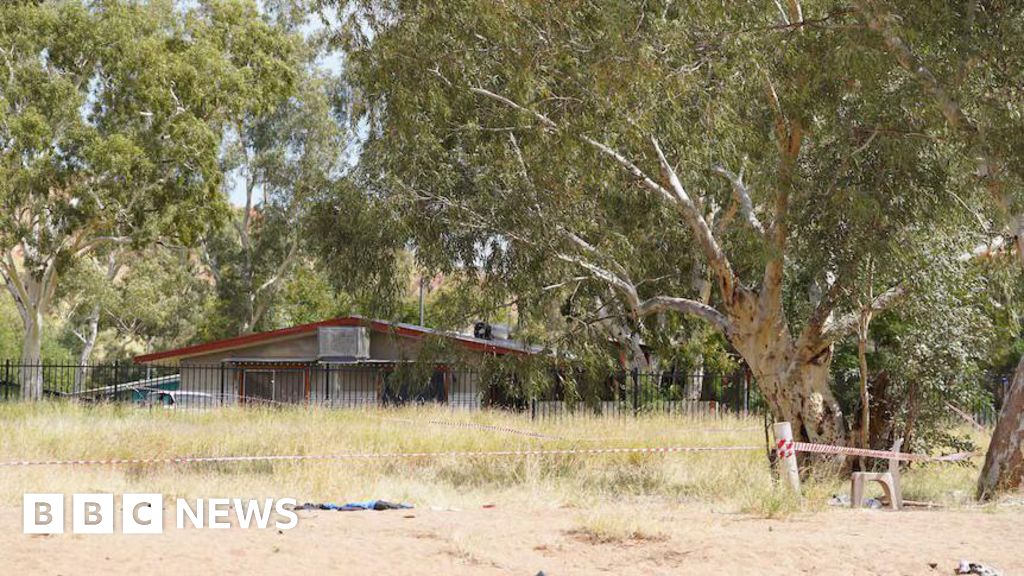
Police Conclude Abducted Child Likely Killed After Lying in Outback Dust

In a troubling development that has captured international attention, a five-year-old girl was last seen on Saturday at an Aboriginal town camp near Alice Springs. The sudden disappearance has sparked urgent investigations, with local authorities calling for heightened vigilance and community cooperation. The incident not only underscores concerns over the safety of vulnerable populations within Australia but also raises broader questions about the effectiveness of regional security measures in remote Indigenous communities—a matter scrutinized by global human rights and geopolitical scholars alike.

Clashes over land rights, sovereignty, and social welfare have long persisted in Australia, with many experts pointing to a complex interplay of historic injustices and contemporary governance. Indigenous communities, especially in remote zones such as near Alice Springs, frequently find themselves marginalized, often lacking adequate access to safety infrastructure and social services. The recent disappearance highlights how these socioeconomic disparities translate into tragic vulnerabilities. Analysts from international organizations warn that unresolved issues surrounding land claims and resource distribution compound ongoing social instability,creating fertile ground for security lapses that can endanger even the youngest members of society.

Historically, Australia has grappled with its treatment of Indigenous peoples—a subject often critiqued by global human rights advocates. Yet, recent policy shifts and treaty negotiations suggest a fragile path toward reconciliation. Meanwhile, the incident near Alice Springs serves as a grim reminder that, despite diplomatic efforts, disparities remain severe, and the safety of children in marginalized communities is a pressing concern. International observers, including the United Nations and regional think tanks, emphasize the geopolitical impact of such incidents. They argue that Australia’s security reputation can be significantly affected by publicized failures to protect its most vulnerable, impacting diplomatic relations and strategic alliances, particularly as regional powers like China and India increase their influence in the Indo-Pacific.”

As search efforts intensify and communities rally around the missing girl, the incident risks becoming a symbol of ongoing, unresolved struggles. Many believe that the ultimate impact extends beyond national borders, touching on the very fabric of social justice, sovereignty, and international duty. Experts warn that if systemic failure persists, it could threaten the stability of these remote regions, leading to wider unrest and instability. The weight of history hangs heavy over Alice Springs today, as it becomes yet another chapter in the broader story of a nation’s attempt to reconcile its past with its future—a turning point that could define the Pacific region and influence global perceptions of justice and security. Will this tragedy become a catalyst for meaningful change or merely a somber footnote in the ongoing saga of Indigenous marginalization?
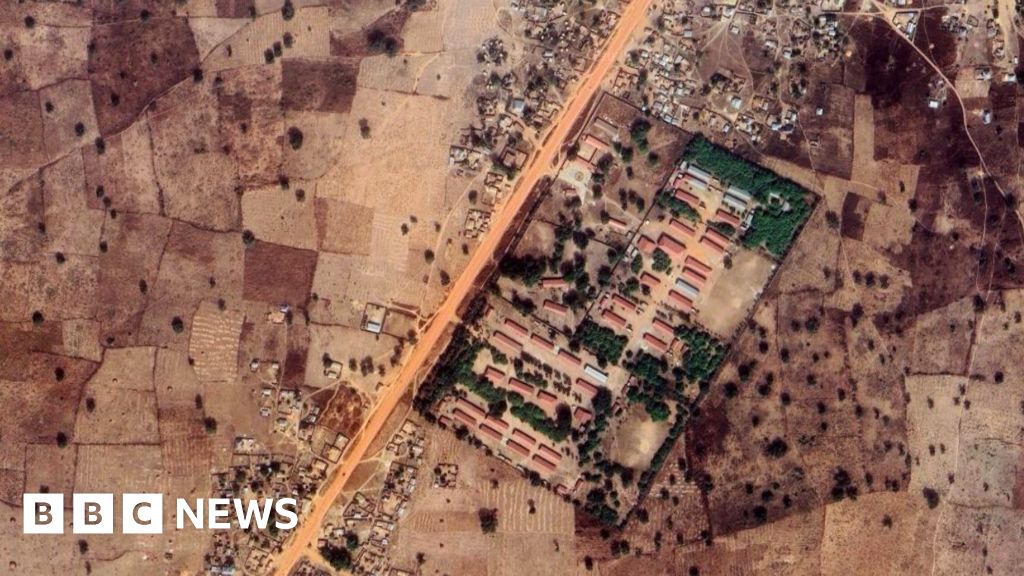

Nigerian Catholic School Students Abducted in Shocking Attack

The recent surge of violence and insecurity in Nigeria has precipitated a crisis that threatens the stability of West Africa’s most populous nation. In a series of catastrophic events, armed groups—ranging from criminal gangs to jihadist factions—have intensified their operations, abducting thousands of innocents and unleashing chaos across multiple states. Amidst this upheaval, the recent abduction of students from St Mary’s School in Papiri, Niger state, underscores a disturbing trend: the deterioration of security that now engulfs Nigeria like a relentless storm. The attack, executed by armed men reportedly storming the educational facility in the early hours, left residents in fear and confusion, highlighting the reckless disregard for life and” safety,” as analysts warn of a **”nation on the brink.”**

Geopolitical Impact: Nigeria’s Crisis and the International Response

International observers, including prominent historians and security analysts, connect these domestic upheavals to the broader geopolitical consequences for Africa and the global community. From the mounting human rights concerns to the destabilization of regional economies, Nigeria’s security failures threaten to ripple far beyond its borders. Notably, US President Donald Trump has made controversial claims that Christians are being persecuted within Nigeria, fueling diplomatic tensions. His overt threat to deploy troops—asserting he would send “guns blazing”—was swiftly dismissed by the Nigerian government as a *”gross misrepresentation.”* Despite this, such declarations amplify the fragile perception of Nigeria as a failed state, where the rule of law is under siege.

Meanwhile, the United Nations and various regional blocs have expressed concern over the proliferation of violence, including the ongoing jihadist insurgency in the north-east and resource-driven conflicts between herders and farmers in the central region. Analysts warn that Nigeria’s overlapping crises—religious, ethnic, and criminal—test the limits of state authority and threaten to ignite even greater regional instability. “Without decisive action,” warns one international security expert, “Nigeria could become a failed state whose chaos spills into neighboring countries.”

How Decisions Shape Societies and Futures

The Nigerian authorities have faced immense criticism for their response—or lack thereof. Despite repeated warnings and intelligence reports, government agencies permitted the reopening of schools like St Mary’s, after ignoring directives designed to safeguard students in a time of heightened threat. This persistent neglect is symptomatic of deeper systemic failures, as local authorities scramble to contain the mounting crises without sufficient resources or coordination. Governments’ decisions to mismanage or neglect essential security measures directly influence societal resilience, shaping the lives of millions. For many young Nigerians, the long-term impact is clear: a loss of hope, disrupted education, and the risk of radicalization as chaos becomes the magnetic force drawing vulnerable youth toward insurgent factions.

Furthermore, the international community remains divided in how to address Nigeria’s multifaceted crisis. While some, like the U.S., threaten military intervention, others advocate for enhanced aid, diplomatic pressure, and internal reforms. Yet, as the violence persistently erupts, it becomes evident that the fate of Nigeria—the giant of Africa—may hinge on whether its leaders can muster the political will to confront these criminal and insurgent networks with unwavering resolve. “Decisions made today,” warns a renowned historian, “will determine whether Nigeria’s children can inherit a nation of peace, or a land awash in the blood of the innocent.”

As the world watches Nigeria teeter on the edge, history reminds us that the unfolding chapter remains unwritten—and that every choice, every response, will echo through generations. The duration of Nigeria’s tumultuous struggle is yet to be measured, but the weight of what is happening now leaves no doubt: the continent’s future, and perhaps the global order, hang in the balance as the shadows of conflict stretch across the horizon, looming ominously over a nation’s destiny yet to be determined.

Social Media Auto Publish Powered By : XYZScripts.com


