Matox News

Truth Over Trends, always!

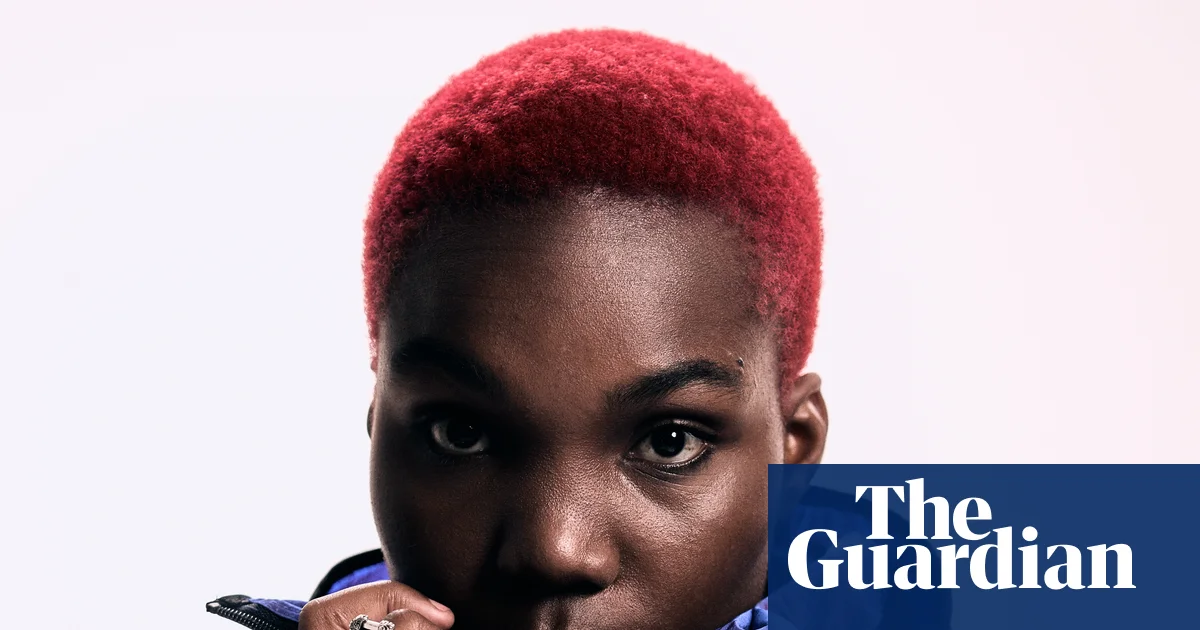
Arlo Parks Reflects on the Absence of Late-Night Conversations in Smoke-Filled Spaces: Embracing the Hedonistic Spirit of Her Bold New Album

In an era where the relentless pace of modern life threatens to drown out the echoes of tradition and the deeper currents of cultural memory, Arlo Parks emerges not merely as a pop phenomenon but as a testament to the enduring power of culture as the foundation of individual and societal identity. Her journey—from an early fascination with GarageBand confessions to commanding the stage at Glastonbury—illustrates a profound truth: that beneath the surface of popular music lies a dynamic narrative about who we are, where we come from, and where we are headed. As Ortega y Gasset once noted, “Culture is not an accessory but the very substance of society”; Parks’s evolution exemplifies this, highlighting how contemporary artists continue to redefine and uphold this vital link through their works.

Throughout her career, Parks has shown an unwavering commitment to authenticity, intertwining her personal truths with a collective history of musical and cultural innovation. Her early releases, laced with references from Nick Cave to Erykah Badu, revealed a young artist unafraid of confronting the chaos of mental health struggles and romantic rejection—a mirror to the complexities of human existence. Yet, her rise is also emblematic of a broader cultural shift wherein the boundaries of societal acceptance are expanded, allowing voice to the queer community and those traditionally on the margins. Her embrace of electronic music and nightclub culture in her latest album, Ambiguous Desire, harks back to a collective quest for liberation in spaces that historically have served as sanctuaries for outsiders. Here, Parks’s work is not just entertainment but a reclaiming of cultural spaces—akin to what Tocqueville observed about America’s penchant for creating voluntary associations—as arenas where individual spirits find community, expression, and defiance against societal conformities.

Artistically, Parks embodies a necessary rebellion against superficiality, consciously distancing herself from the temptations of commercial success that often threaten to dilute genuine cultural expression. Her deliberate turn to the night-time in her latest album, capturing the euphoric surge of clubbing and rave culture, echoes Chesterton’s assertion that “art is the most beautiful of all lies,” in that it often reveals deeper truths about human longing and societal yearning. In her song Heaven, inspired by the transcendent moments of life and music, Parks taps into the eternal human pursuit: to find meaning and connection in fleeting moments. Her acknowledgment that she explores these realms not to adopt a persona but to understand herself—”who am I now?”—speaks to the philosophical inquiry that underpins genuine cultural expression: it is a mirror and a prophecy, reflecting our current realities while sketching the contours of future identities.

Ultimately, Parks’s narrative underscores a vital idea: that culture remains the living, breathing memory of our collective humanity and the prophetic voice guiding us forward. Whether through the revival of club culture or her unapologetic discussions of desire and queerness, she exemplifies an artist who recognizes that identity is both rooted in tradition and open to renewal. And as T.S. Eliot poignantly observed, “The future is always a certainty of the imagination.” In the poetic silence between her melodies and the vibrant chaos of her soundscapes lies the promise that culture, in all its forms, persists as humanity’s continuous conversation—an echo of the past and the whisper of what yet may be, shaping and being shaped by the new generations who dare to listen and create in the ever-unfolding mystery of existence.
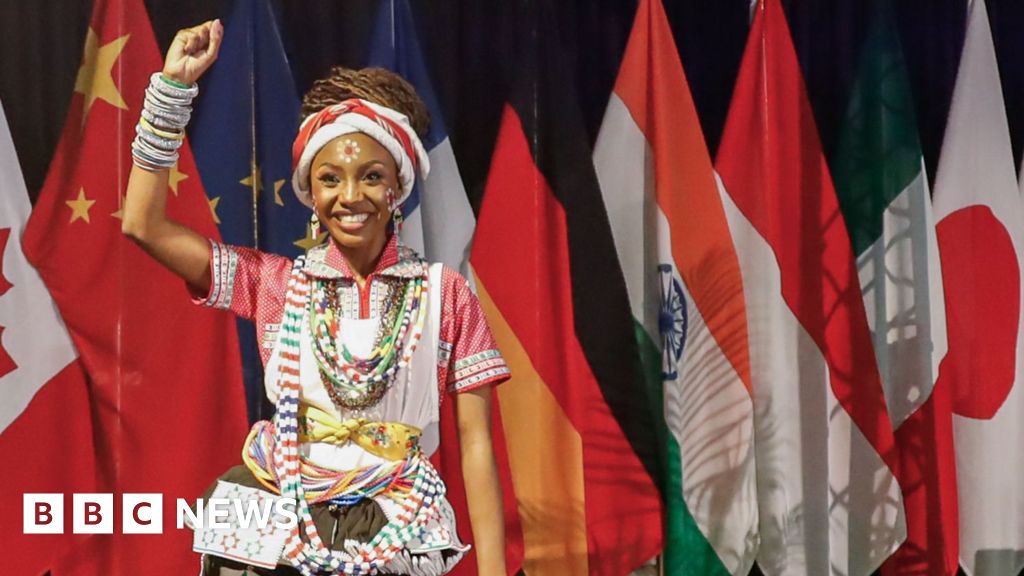
Is Trump’s Absence Dimming South Africa’s Spotlight?

South Africa’s G20 Presidency: A Test of Diplomacy Amidst Geopolitical Tensions

As South Africa takes the helm of the G20 this year, its ambitions are clear: to amplify the voices of developing nations on the global stage and push for reforms that could reshape international economic governance. With a storied history of navigating complex diplomatic waters, Pretoria has positioned itself as a champion for economic fairness, advocating for lower borrowing costs for emerging markets, climate finance, and the strategic utilization of Africa’s critical minerals. This year’s summit, hosted amid a climate of rising global instability, underscores the crucial role that middle powers can play in steering the world away from exclusive oligarchic decision-making towards broader, more inclusive multilateral cooperation.

However, the summit is overshadowed by a significant diplomatic crisis that reflects broader geopolitical conflicts and a deepening rift between South Africa and the United States. President Donald Trump has publicly excused himself from the gathering, citing discredited claims about violence against South Africa’s white minority and alleged land seizures. The decision to withdraw US participation — initially signaling only a diplomatic boycott and later reinforcing it by refusing to send high-level representatives — signals not just a diplomatic shift but a realignment of global alliances and influence. Relations have frayed; the US expelled South Africa’s ambassador, cut aid, and imposed tariffs of up to 30%, the highest in sub-Saharan Africa, pointing to how decisions at this summit could influence future international cooperation.

Adding to the tension is the absence of key global leaders such as Vladimir Putin, Xí Jinping (sending only his Premier, Li Qiang), and Javier Milei from Argentina. These withdrawals, combined with the US’s stance, threaten to diminish the summit’s influence—raising questions about whether the assembly can produce meaningful outcomes without the participation of the world’s leading powers. Some analysts believe this could open a window for pushback from emerging economies and middle powers, who might seize the opportunity to foster consensus outside the shadows of superpower influence.

Despite the absences, South Africa remains resolute. Foreign Minister Ronald Lamola emphasized that the summit would proceed, asserting that the priorities of pressing issues—climate change, technology, and resource management—must be addressed regardless of US participation. As the summit unfolds, the key test lies in whether these nations can forge a collective vision that transcends the discord from Washington and Beijing, aiming to build a more resilient and equitable global order.

In the shadow of this unfolding diplomacy, the question endures: Will history remember this as a turning point towards a more multipolar world or as a failure of international collaboration in an era of relentless upheaval? With each wavering alliance and diplomatic absence, the stakes are higher than ever, as the world watches the fragile dance of power and principle, knowing that the decisions made in Johannesburg could resonate through the corridors of history long after the summit concludes. The unfolding story of Africa’s rise and the retreat of old alliances paints a vivid tableau—one where the future remains unwritten, yet undeniably shaped by the choices of today.

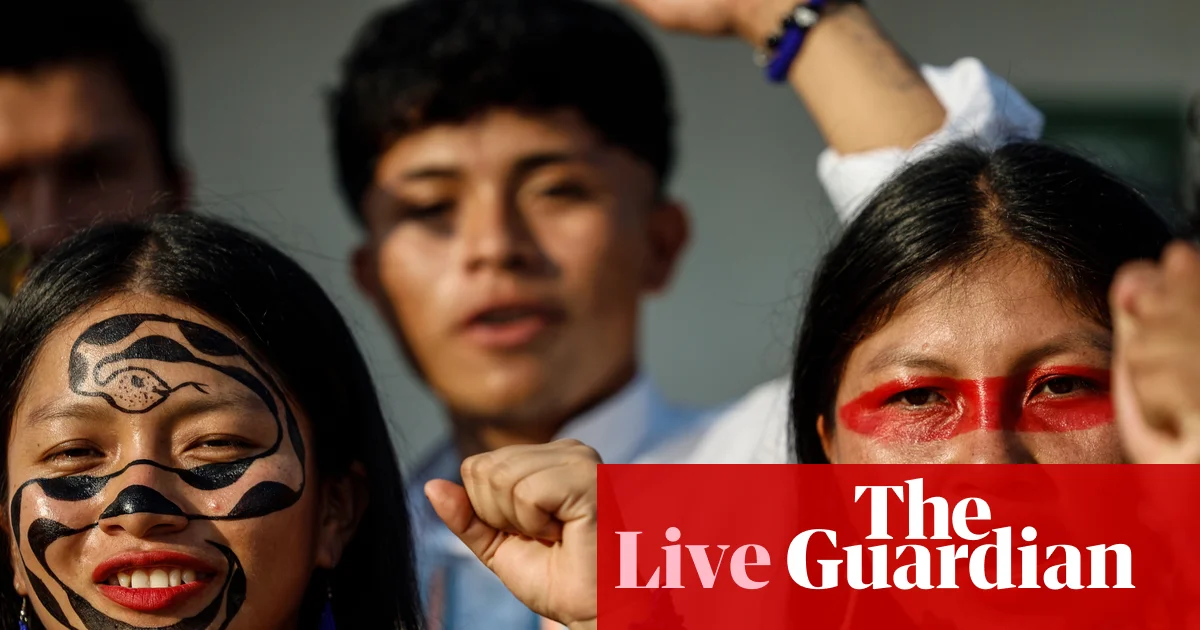
COP30 Live: US Absence Sparks Tensions as Youth Protests Rage On

Global Climate Diplomacy in Flux: The Geopolitical Impact of COP30 and Civil Society Unrest

As Brazil hosts the COP30 climate summit amidst a backdrop of upheaval, the geopolitical landscape of climate policy is experiencing a profound transformation. The absence of the United States—the world’s largest historical greenhouse gas emitter—marks a pivotal turning point in international climate negotiations. Meanwhile, civil society activists, indigenous leaders, and environmental guardians are capitalizing on the vacuum created by U.S. disengagement, mobilizing with unprecedented fervor. The arrival of a flotilla of over 100 vessels, including the Greenpeace Rainbow Warrior, symbolizes a new era of direct action that challenges traditional diplomacy and accentuates the deepening societal rifts over climate justice.

The absence of the US delegation— confirmed by research from Carbon Brief—has stoked a wide array of reactions. While former UN climate chief Christiana Figueres declares it a blessing, some analysts warn that this void might embolden petro-states like Saudi Arabia and India to push their agenda, potentially undermining international commitments. Notably, California governor Gavin Newsom has emphasized the importance of subnational efforts, asserting that “what stands in the way becomes the way.” This shifting dynamic indicates a fracture in the once-unified front of international climate diplomacy, where local and regional actors are emerging as critical players, challenging the old paradigms enforced by politician-led negotiations.

Society at the Forefront: Protests, Indigenous Resistance, and the Fight for Land and Life

Within Belém, voices of indigenous and forest communities have become the heartbeat of the summit. The **”Boats for Climate Justice Flotilla,”** representing some 5,000 activists from 60 countries, underscores a widespread awakening among marginalized groups demanding recognition of their rights and the protection of critical ecosystems like the Amazon. Maya-Lou Kayapo and Sarah Rodrigues exemplify this resistance, emphasizing that “financial support needs to go directly to the traditional peoples who protect the forest, not to extractivist industries.” As protesters sing slogans such as “Fight for the Right to Life” and “No to Soy!”, they embody an uncompromising stance that society’s future depends on respecting nature and indigenous sovereignty.

The tensions reached a crescendo when dozens of activists burst into the Blue Zone, confronting UN security—an act signaling the resurgence of civic unrest that had been suppressed in recent years. Such demonstrations mark a strategic shift toward direct action and civil disobedience, reflecting a broader social burnout with diplomatic lip service and a growing impatience for tangible change. The symbolism of the inflatable snake, “the great cobra,” underscores their call for reparative justice, emphasizing that financial and political support must flow to communities at the frontline of climate change, not multinational corporations or fossil fuel interests.

Implications for Global Policy and the Future of Climate Action

The geopolitical impact of these developments transcends mere symbolism. International organizations like the IPCC and climate analysts warn that the new landscape, marked by US absence and grassroots pressure, could either accelerate or derail global efforts to meet the Paris Agreement targets. The “entirely feasible” investment of $1.3 trillion annually by 2035, as outlined by the High-Level Expert Group on Climate Finance, hinges on effective mobilization of public and private funds — a task complicated by geopolitical fractures and societal upheaval.

Historian William K. Reilly and others caution that the ongoing crisis exposes the fundamental flaw in relying solely on international negotiations. Instead, the future hinges on bottom-up initiatives—local leadership, civil resistance, and innovative policy mechanisms. Gore’s portrayal of the climate crisis as “literally insane” underscores the urgency of shifting from brittle diplomacy to resilient societal action. As humanity teeters on the edge of climate tipping points, the unfolding narrative of COP30 reveals a world in tension—caught between the old guard’s retreat and new forces demanding a radical reimagining of our relationship with Earth. The decisions made now may well write the next chapter of history—one either of collective salvation or irreversible decline.

Social Media Auto Publish Powered By : XYZScripts.com