
Matox News

Truth Over Trends, always!

X Closes EU Ad Account Following Massive Fine: What It Means for Young Users and Trendsetting Platforms

In today’s interconnected world, social media platforms like X (formerly Twitter) are more than just outlets for personal expression—they are powerful tools shaping global societal dynamics. Recently, the European Commission1 imposed a historic $140 million fine on X, sparking a broader debate about the social responsibility of tech giants and their influence over regulatory norms. This action underscores a significant wave of regulatory pushback against tech’s unrestrained power, marking a turning point where policy makers are asserting dominance over digital platforms.

The European Commission’s move was rooted in concerns over what it termed deceptive design—specific to X’s infamous blue checkmark verification process—and a lack of transparency around advertising and access to public data. These issues are more than technical flaws; they symbolize broader societal questions: Who controls online identity? How transparent should platforms be about their algorithms? As sociologist Dr. Laura Chen notes, “These incidents highlight a shifting societal expectation that digital platforms cannot operate in a vacuum but must adhere to regulations ensuring fairness and transparency.”

This regulatory clash has been fueled by a shift in social behaviorthe aspiration for authentic digital influence—and this is visible in the way younger users consume content. Marketers and influencers recognize that quality engagement now depends on factors like video uploads and interactive formats, which platforms like X are manipulating to skew attention and reach. Elon Musk’s recent updates to the platform’s algorithm, favoring video content, exemplify this trend toward immersive, visual engagement—a move that critics say risks amplifying sensationalism. Notably, X’s senior product manager Nikita Bier claimed that the deceptive ad exploit was reset after being patched—a statement that raises questions about accountability and transparency.

It is increasingly clear that these trends are not driven solely by platform economics—they are also intertwined with the social fabric, influencing youth culture and societal norms. Trends such as

  • viral video challenges
  • short-form content dominance
  • cryptic algorithm manipulation

are shaping a new digital ecosystem where control is contested between regulators, influencers, and tech executives. The recent EU actions may just be the beginning of a new era—one in which tech companies are held accountable for how they influence perceptions and behaviors on a global scale.

As we watch this evolving landscape, an intriguing question lingers: Will these regulatory efforts succeed in curbing unchecked platform power, or will they inadvertently accelerate a new wave of innovation and user-driven change? In the end, the next big question might be whether society’s push for truly transparent digital spaces will redefine the very essence of influence in the digital age—an influence that ultimately shapes tomorrow’s cultural and social norms.
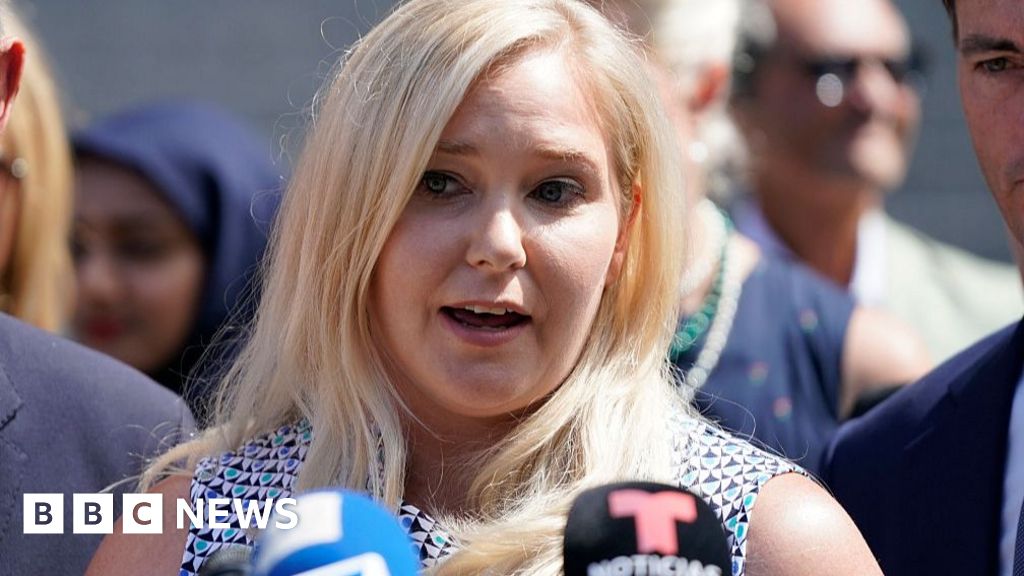
Prince Andrew urged to come forward with his account of Epstein abuse, co-author tells BBC

In the ornate tapestry of British history, few threads are as dark and revealing as the recent revelations surrounding Prince Andrew, a figure whose reputation has become an emblem of a broader cultural crisis—one where honor and morality are challenged by the insidious influence of power and greed. The contentious disclosures in Virginia Giuffre’s posthumous memoir, Nobody’s Girl, cast a stark light on a web of corruption intertwined with the sordid pursuits of Jeffrey Epstein. While the prince denies direct involvement, the details evoke echoes of historical tales where the thick fabric of tradition is pulled apart by the threads of scandal, forcing a nation to confront its values anew.

Beyond individual guilt, this saga raises fundamental questions about the relevance of culture as a custodian of societal virtue. As philosopher Ortega y Gasset highlighted, a society’s true fabric is woven from its shared beliefs, its sense of identity rooted in enduring moral frameworks. When these are compromised—be it through scandal or neglect—the entire social order risks unraveling. The royal family, once seen as a pillar of societal stability, now faces the difficult task of re-establishing its moral authority. The voluntary abdication of Prince Andrew from his titles and membership in the Order of the Garter signifies a symbolic gesture in this ongoing struggle—a recognition that history is a mirror, and the reflection demands accountability. Yet, symbols alone cannot heal the wounds inflicted by the abuse of privilege; institutions must be prepared to confront and learn from the past if they are to endure.

  • Culture as Memory: The traditions and narratives we hold dear are repositories of collective memory, shaping our identity and aspirations.
  • Culture as Prophecy: Our shared cultural symbols serve as blueprints for the future, guiding generations through lessons learned and values upheld.
  • Historical Parallels: Societies embroiled in scandal—akin to the fall of Rome’s decadence or the upheaval of the ancien régime—remind us that moral decay invites systemic crises unless confronted with truth and reform.

In the words of T.S. Eliot, true culture is “the memory of a civilization,” one that demands vigilance and honesty. Today’s challenge lies not in erasing the stain of scandal but in strengthening the moral foundation that underpins our societal institutions. As Chesterton once observed, “A true society is built not on the superficial veneer of power, but on the bedrock of principle,” urging us to look beyond fleeting symbols towards the enduring core of human dignity. The ongoing controversy acts as a reminder that culture is both a reflection and a prophecy: it reflects where we stand morally, and it foretells what we risk losing—our shared humanity—if we fail to confront our shadows. As we stand at this crossroads, may we remember that in the depths of scandal lurks the possibility of renewal, for history teaches us that from the ruins of arrogance and silence, a new society can yet emerge, rooted in truth and humility—a future where the memory of our virtues guides the prophecy of what humanity can become.

Social Media Auto Publish Powered By : XYZScripts.com



