Matox News

Truth Over Trends, always!

Starmer: Tech Giants Face 48-Hour Deadline to Act Against Revenge Porn or Risk Bans

The United Kingdom is taking a bold stand to combat the rising tide of nonconsensual digital content and AI-facilitated abuse. Prime Minister Keir Starmer recently declared a “national emergency” against the proliferation of deepfake nudes and revenge porn, emphasizing the urgent need for decisive government intervention. This new policy aims to enforce a stringent 48-hour window for the removal of illicit images once flagged, with the goal of significantly curbing the spread of this harmful content across social media platforms, pornography sites, and beyond. Such measures highlight a conscious shift towards holding technology firms accountable, especially under the scrutiny of the Ofcom regulator, which is expected to be empowered by the summer to enforce these rules.

This crackdown is not merely about privacy or decency; the layout of international, societal, and geopolitical dynamics is at play. Britain’s push for stricter online safety laws echoes a broader global trend where governments increasingly seek to regulate AI tools and digital content that threaten societal norms and threaten individual safety. The recent controversy surrounding Elon Musk’s Grok AI tool—which generated nonconsensual sexual images—serves as a stark reminder of how innovative technology can be weaponized in ways that magnify harm. Critics argue that the lack of effective regulation allows deepfake technology to flourish unchecked, fostering a digital environment where victims of abuse and extortion find little refuge. By enforcing rapid removal timelines and legislating against AI-generated offensive material, the UK aims to set a precedent that can resonate outside its borders, challenging other nations to follow suit in protecting societal moral standards.

Analysts and international organizations observe that the UK’s legal reforms are a significant step in how regulatory decisions impact global tech companies. The threat of fines—up to 10% of worldwide revenue—and potential service bans are a clear indication that Big Tech will face serious consequences if they fail to act swiftly.

  • The implementation of digital watermarks for illicit “revenge porn” images aims to enable automatic detection and removal, reducing the burden on victims who often have to repeatedly report the same content.
  • Attempts to regulate AI-generated explicit images balance between safeguarding victims and upholding free speech, a delicate dance that underscores the ongoing struggle for responsible innovation.
  • The broad scope of the law, which extends to “rogue websites,” signals a firm stance on disrupting black markets for illicit content, even beyond the UK’s borders.

This move underscores a broader challenge: how to effectively hold powerful institutions accountable and address deep-rooted cultural issues. Prime Minister Starmer’s focus on cultural reforms—particularly his efforts to challenge misogyny within government and politics—illustrates a recognition that technological regulation alone cannot solve societal misogyny or gender-based violence. As he critiques the “institutional misogyny” woven into UK society, his emphasis on elevating women in government reflects an understanding that real change demands both policy and cultural overhaul. Meanwhile, political scandals such as the controversy over Peter Mandelson’s connections to Jeffrey Epstein serve as a stark reminder of the persistent failures endemic to the ruling elite. This is a pivotal moment—one where the decisions made will echo through a fractured political landscape and test the resilience of democratic institutions.

As digital freedoms meet the relentless march of regulation, history continues to forge its course in the uneasy balance of liberty and control. The UK’s efforts, rooted in the acknowledgment of the profound geopolitical and societal consequences, demonstrate that the fight against misuse of technology is far more than a matter of mere policy. It defines the very fabric of moral authority in this new era, where every decision carved into the stones of law could either fortify the foundations of justice or erode them beneath waves of unchecked power. The unfolding saga promises a future fraught with challenge and upheaval—yet it is precisely within this crucible of conflict that the forces shaping tomorrow’s society are being forged in the fires of necessity and resolve.

Could 1911 Act Empower Supporters to Overcome Lords on Assisted Dying?

In contemporary society, the interplay between political institutions and social activism continues to shape the fabric of communities, especially as debates around private moral issues intensify. One such poignant debate surrounds the potential use of the Parliament Act to bypass the House of Lords in passing legislation on assisted dying. This scenario exemplifies a societal conflict: balancing democratic processes with the imperative for social reform, especially when communities feel marginalized by traditional institutions.

Throughout history, the Parliament Act of 1911 was a revolutionary tool that curtailed the veto power of the Lords, marking a critical shift toward parliamentary sovereignty. Originally introduced amid tensions over social justice and political accountability, its usage has remained rare, often reserved for contentious issues touching on individual rights. The recent push by supporters of assisted dying to invoke this Act demonstrates an evolving societal landscape where moral debates increasingly challenge entrenched legal and institutional barriers. Such efforts reveal how families and communities are deeply affected when the legislative machinery is utilized not just to implement policy but to reshape societal morals.

This political maneuvering exposes a critical tension: How do institutions adapt to shifting social values? Sociologists like Anthony Giddens warn that cultural shifts—such as increasing acceptance of assisted dying—must be matched with institutional flexibility. Yet, the demographic changes and moral reevaluations often collide with traditional hierarchies, fostering conflicts within society’s families and local communities. When debates around medical autonomy and personal dignity come to the forefront, they challenge society to reconceptualize what ethical leadership really entails, risking societal division if progress is blocked by outdated legislative entrenchments.

Moreover, the social issues at stake extend beyond policy discussions—they have profound consequences for education and community cohesion. As these debates unfold, youth and families are often caught in the crossfire, with disagreements over moral values impacting child-rearing, educational content, and community engagement. Historians like Eric Hobsbawm highlight that societal transformations—whether through legal reforms or cultural shifts—are processes that require inclusive dialogue and respect for diverse moral outlooks. Yet, the current political climate reveals a tendency toward cherry-picking reforms, sometimes bypassing meaningful consultation or democratic consensus, raising questions about public trust and legitimacy.

At this pivotal moment, society faces a stark choice: continue navigating the turbulent waters of moral progress through contested legislative battles or seek unified pathways of social reconciliation. As communities grapple with the moral terrain of assisted dying, one hopes that the greatest legacy we leave future generations is not the victory of one political faction but the societal willingness to embrace ethical pluralism and compassionate dialogue. Only then can society evolve beyond its divisions, transforming its collective moral landscape into a realm where justice is truly grounded in respect for human dignity—an enduring testament to our capacity for moral growth amidst social upheaval.

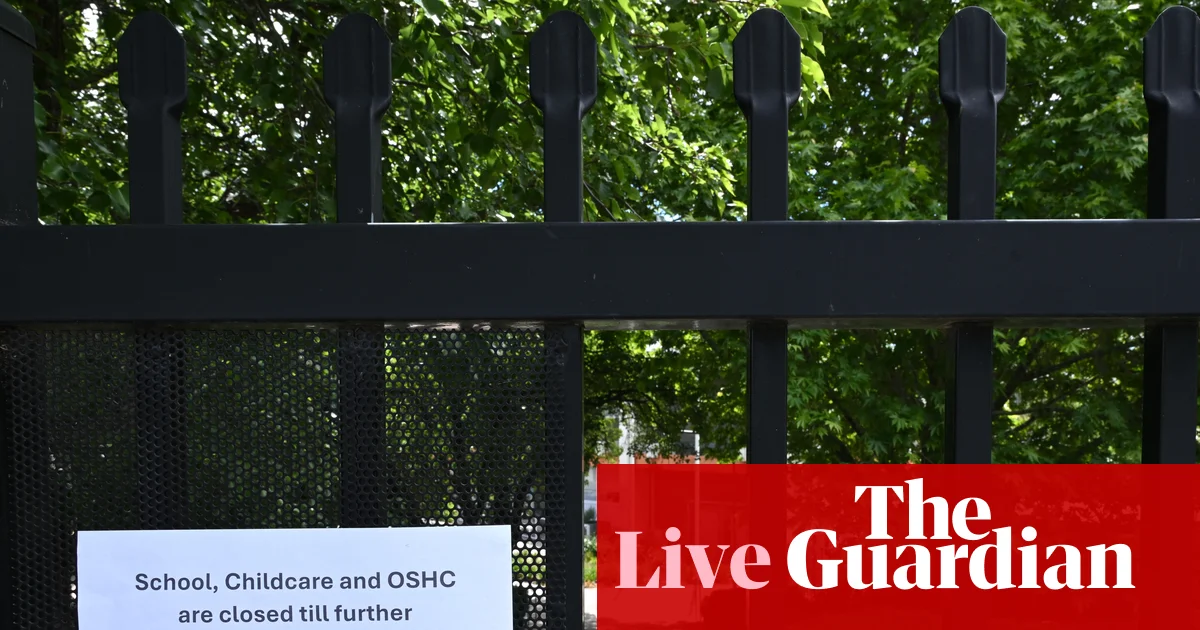
Australia News Live: ACT Shuts 71 Schools Over Sand Scare, NSW Police Crack Down on Domestic Violence—Protecting Our Communities

The geopolitical landscape is perpetually shifting, often influenced by key domestic decisions made within sovereign nations. Recently, Australia exemplifies this pattern through a series of dramatic developments that signal both internal challenges and external strategic recalibrations. The recent closure of 71 public schools in the ACT over fears of asbestos-laden children’s sand, alongside ongoing debates over immigration and energy policies, underscore how internal domestic issues can ripple outward, affecting international perceptions and alliances.

Meanwhile, in the wider global arena, significant shifts have occurred, notably with U.S. President Donald Trump signing an executive order easing tariffs on food imports, including beef and bananas. This move reflects a nuanced strategy aimed at addressing inflationary pressures domestically, but it also signals a broader tendency towards protectionism that could strain international trade networks. Patrolling these trade corridors, Australia’s Prime Minister Anthony Albanese reasserts the importance of global trade, framing it as a “bulwark against conflict”. Analysts from think tanks suggest that such rhetoric not only emphasizes economic cooperation but also highlights how trust in international partners can serve as a foundation for diplomacy, promising a buffer in times of crises.

Yet, Australia’s internal struggles — from the asbestos fears leading to school closures to contentious debates over immigration levels—a clear reflection of how decisions at home wield profound consequences for societal stability and international standing. Sussan Ley, the opposition leader, openly advocates for a reduction in immigration, citing community challenges such as transportation and infrastructure strains. Their stance, though controversial, reveals a broader tension on the alliance between open borders and national security, echoing concerns raised by historians and policy analysts who warn that unchecked demographic shifts can challenge social cohesion and political stability. Meanwhile, government funding for climate resilience projects across Australian states underscores a dual narrative: managing environmental threats while navigating economic constraints, as seen in the proposed $200 million investment in weather-resistant infrastructure.

Externally, unresolved conflicts and international economic policies intertwine with national strategies. With Australia poised at the crossroads—balancing energy independence, climate commitments, and economic revival—its path forward will inevitably influence regional stability and global alliances. The decision to support, or oppose, transitioning toward renewable energy sources and industrial resilience could determine whether Australia becomes a reliable partner or an unpredictable actor on the world stage. Historic analysts warn that in a world where “trust” is becoming a scarce commodity, the decisions of now will shape the geopolitical order of decades to come, a story still being written with each policy choice and international shift.

Multiple ACT Schools Close Amid Asbestos Concerns Over Colored Sand Products

Australia Confronts a Public Health Crisis as Schools Shut Over Asbestos-Laced Children’s Play Sand

In a startling development that underscores the risks of global sourcing and the fragile safety of public health, Australia’s Capital Territory (ACT) has ordered the immediate closure of more than a dozen primary and preschools, following the detection of asbestos in imported children’s sand products. This decision, made in response to serious environmental health concerns, highlights an ongoing challenge for nations navigating the complex web of international trade, safety standards, and domestic regulation. The ACT’s education authorities, led by Education Minister Yvette Berry, have prioritized safety above all, shutting down 15 schools outright and partially closing five others, as testing and remediation efforts continue.

This crisis traces its roots back to the importation of colourful children’s sand products, primarily from China, which later proved to contain chrysotile asbestos—a substance linked to terminal diseases such as mesothelioma. Authorities identified a range of products, including “Kadink Sand,” “Educational Colours – Rainbow Sand,” and “Creatistics – Coloured Sand,” all sold at major retailers across Australia over the last five years. The Australian Competition and Consumer Commission (ACCC) issued a recall of these items, cautioning the public about the potential health risks. Despite assurances from WorkSafe ACT that risk exposure is low, the precautionary closures reflect a growing concern over how unchecked imports threaten societal safety, especially when children are involved.

Implications of International Trade in Public Safety

The incident reveals a broader geopolitical issue that resonates globally: the tension between free trade and safety standards. Australia, like many countries, relies heavily on international manufacturing hubs—particularly China—for affordable consumer products. However, these supply chains can often bypass stringent safety checks, especially for hazardous materials banned since 2003 in Australia. Historians and analysts warn that such lapses threaten not only health but also international trust in trade agreements. The fact that these products were sold across Australia from 2020 to 2025, including via local distributors like Educating Kids and Zart Art, underscores the systemic vulnerability in consumer safety protocols.

Global organizations such as the World Health Organization (WHO) have long issued warnings about asbestos, emphasizing that its carcinogenic effects are well understood and that its importation should be tightly controlled. Yet economic pressures and lax enforcement have allowed hazardous materials to slip through regulatory cracks. This episode serves as a stark reminder of how decisions made in international markets can ripple across societies, impacting everything from public health systems to educational environments. Accordingly, the geopolitical impact is profound: nations must strengthen their trade oversight and internal safeguards if they are to prevent such hazards from becoming a national crisis.

Domestic Response and Rising Concerns

The response by ACT authorities demonstrates a determined, albeit reactive, strategy: immediate school closures, thorough testing, and clear communication to parents and staff. The closure of Cranleigh School and others not only disrupts education but also raises questions about how preparedness measures are structured and enforced. With similar incidents tracing back to older sites in Sydney and Melbourne, where asbestos was historically buried or processed, the broader challenge becomes clear: legacy contamination and the risks associated with historically unsafe disposal practices are still haunting Australian cities. International organizations warn that such legacy issues complicate cleanup efforts, demanding concerted policy shifts and increased investment in environmental remediation.

Experts reveal that vigilance must extend beyond reactive measures. Governments should establish mandatory testing of imported consumer goods, especially those intended for children. Public education campaigns urging safe disposal and raising awareness regarding imported hazardous materials are crucial in preventing future crises. As the Australian government works to ensure that such risks are contained, citizens are left grappling with the uncertainty of what other unseen dangers may lurk in everyday products.

As this unfolding crisis exposes vulnerabilities in international trade and domestic regulation, history reminds us that the true measure of societal progress lies in the capacity to anticipate and prevent disaster. With the specter of asbestos—a material associated with silent, deadly threat—still casting its shadow over Australia’s safe spaces, the weight of history presses upon policymakers worldwide. The question remains: will this incident be merely a fleeting warning, or a catalyst for profound structural change that reshapes how nations safeguard their future? The answer lies in the unfolding stories of remediation and resilience yet to come, where decisions today forge the landscape of tomorrow’s history.

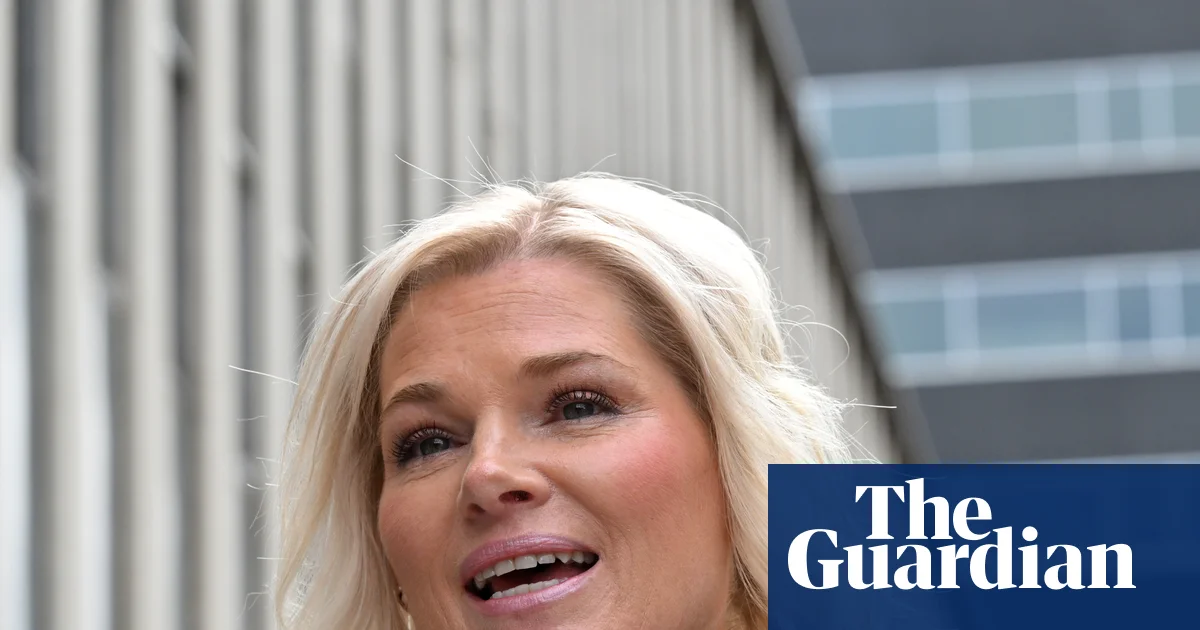
Mark Parton rises as ACT Liberal leader after Castley and deputy step down

Inner Turmoil in ACT Politics Reflects Broader International Trends

Amidst the shifting sands of Australian territorial politics, a notable development has unfolded within the ACT Liberal Party. The recent leadership change—from Leanne Castley to Mark Parton, a former commercial radio host turned politician—symbolizes more than mere local instability; it underscores the ongoing struggle within liberal democratic societies over party cohesion and the influence of grassroots sentiments. The upheaval follows weeks of internal disputes, notably after Castley suspended prominent members who supported a Greens-backed motion, advocating for an additional parliamentary sitting week in 2026. Such internal divisions, especially when aired publicly, resonate beyond Canberra’s borders as emblematic of the larger challenge facing liberal parties worldwide—balancing the need for ideological unity with the demands of political adaptation amidst shifting public support.

The Significance of Leadership Shifts in the Context of Global Political Dynamics

International observers and political analysts view this event through a lens of wider geopolitical impact. Former leaders stepping down amid internal strife is increasingly common in liberal democracies, often signaling deeper ideological rifts. The Australian case echoes trends seen in other democracies where party factions battle for control, risking erosion of public trust. Notably, the Labour Chief Minister, Andrew Barr, acknowledged the turmoil, hinting at a broader challenge for Canberra’s conservative opposition—a test of resilience in the face of internal discord that could weaken their capacity to confront the dominant Labor government. Historically, political stability within opposition parties significantly impacts their ability to offer a credible alternative and influence national policy. The recent events in ACT serve as a microcosm of how internal conflicts can undermine long-term societal stability, especially as rising global tensions demand cohesive political action from all sides.

How These Movements Shape Societal Expectations and International Perceptions

The strategic implications are profound. As Parton emphasizes unity—calling for an end to infighting and portraying himself as a unifier—the choice signals a desire to restore the party’s credibility and, by extension, its influence on national policy. This internal reshuffling is further compounded by the broader international scenario, where geopolitical tensions—from China’s assertiveness in the Indo-Pacific to Russia’s destabilization efforts—require a strong, unified liberal response. How Australia’s political parties navigate their internal conflicts directly influences their capacity to participate effectively in international alignments and alliances, including the Quad and AUKUS frameworks. Such internal turmoil feeds into global perceptions of stability, affecting diplomatic confidence and economic partnerships. The collapse of conservative unity in one part of the world can serve as a cautionary tale, warning allies and adversaries alike about the peril of fractured leadership during critical moments of geopolitical tension.

Historians caution that internal party conflicts, if unresolved, set dangerous precursors for future crises, both at home and on the world stage. The ACT episodes, while localized, reflect the perennial struggle for political authenticity in times of uncertainty—an enduring lesson in how internal decisions, when taken in a rapidly changing international landscape, *shape the trajectory of nations* and *define the legacy of leadership*. As history continues to unfold, one question remains: will these tumultuous shifts forge a resilient path forward or deepen the fissures that threaten to destabilize not only local politics but the fabric of democratic governance itself?

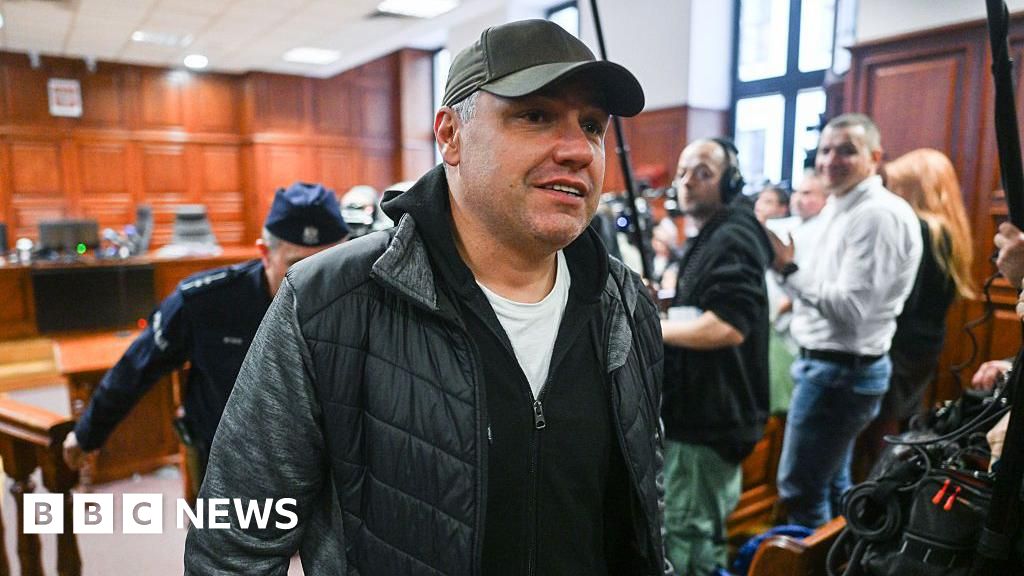
Polish judge refuses extradition of Nord Stream suspect, calls it a 'just act'
Polish judge refuses extradition of Nord Stream suspect, calls it a ‘just act’

In a development that underscores the escalating geopolitical tensions surrounding energy infrastructure and national sovereignty, a Polish court recently made a highly controversial ruling regarding the suspected sabotage of the Nord Stream pipelines—an incident that has reverberated across Europe and beyond. The court refused to extradite a Ukrainian suspect, Volodymyr Zhuravlyov, accused by Germany of involvement in the September 2022 detonation. The judge’s decision has ignited fierce debates about the legality, responsibility, and geopolitical ramifications, shifting the narrative in ways that threaten to unravel the fragile balance of international diplomacy.

Initially, blame for the explosions was pinned on Russia, given its major stake in the pipelines that crisscrossed the Baltic Sea, connecting Russia to Germany. However, signs of Ukrainian involvement emerged—an assertion vehemently denied by officials in Kyiv. The case takes on added complexity considering Poland’s own stance: a vocal critic of the pipelines, especially Nord Stream 2, which Poland viewed as a geopolitical tool used by Berlin to deepen Europe’s dependence on Moscow. Polish Prime Minister Donald Tusk vocalized support for the court’s ruling, stating that the case was “closed,” fostering speculation about whether political motives are intertwining with legal adjudication. Critics and experts contend that these events could stir a storm of diplomatic retaliation, as nations grapple with the blurred lines between what constitutes acts of war and legitimate resistance in a time of conflict.

The court’s ruling, which highlights the war in Ukraine as a backdrop, sparks provocative questions about international jurisdiction and national sovereignty. Judge Dariusz Lubowski’s passionate speech framed the incident within a context of “justified” acts of defense, citing historical figures such as Aristotle and Saint Thomas Aquinas to justify what, in peacetime, might be viewed as sabotage. His assertion that Ukraine’s alleged actions were a “rational and just” response to “Russia’s bloody and genocidal attack” reveals an underlying political commentary that critics argue could set a dangerous precedent—favoring the view that acts of sabotage during wartime are morally defensible. Such a stance resonates deeply with many analysts warning that it could embolden other nations to justify targeted attacks against strategic infrastructure, risking global destabilization in the pursuit of national interests.

The geopolitical impact of this legal saga extends to Europe’s energy security and alliance structures. Germany’s halting of the Nord Stream 1 pipelines and the delayed entry of Nord Stream 2 represent more than just economic shifts—they symbolize Europe’s grappling with energy dependency and the broader contest of influence between the West, Russia, and Ukraine. The case also exposes gaps in the EU’s legal framework, with judges questioning whether Germany has jurisdiction over acts carried out in international waters, with ownership and responsibility clouded by complex legal and political layers. Analysts warn that the verdict not only complicates efforts to hold perpetrators accountable but also deepens divisions within the European Union—divisions that could be exploited by adversaries seeking to weaken Western unity in the face of ongoing conflicts.

As history turns another page, the story of the Nord Stream sabotage continues to unfold, leaving a trail of questions that threaten to define the new era of international conflict. The decision in Warsaw is more than a legal verdict; it is a snapshot of a world where lines of morality and legality are blurred amid the chaos of war and power struggles. In the shadows of courtrooms and diplomatic corridors, nations are watching as the fabric of trust and sovereignty is tested—reminding us all that in geopolitics, the stakes are nothing less than the future of freedom and stability itself. The weight of history presses down, and the question remains: who will claim the next chapter—peace, or chaos?

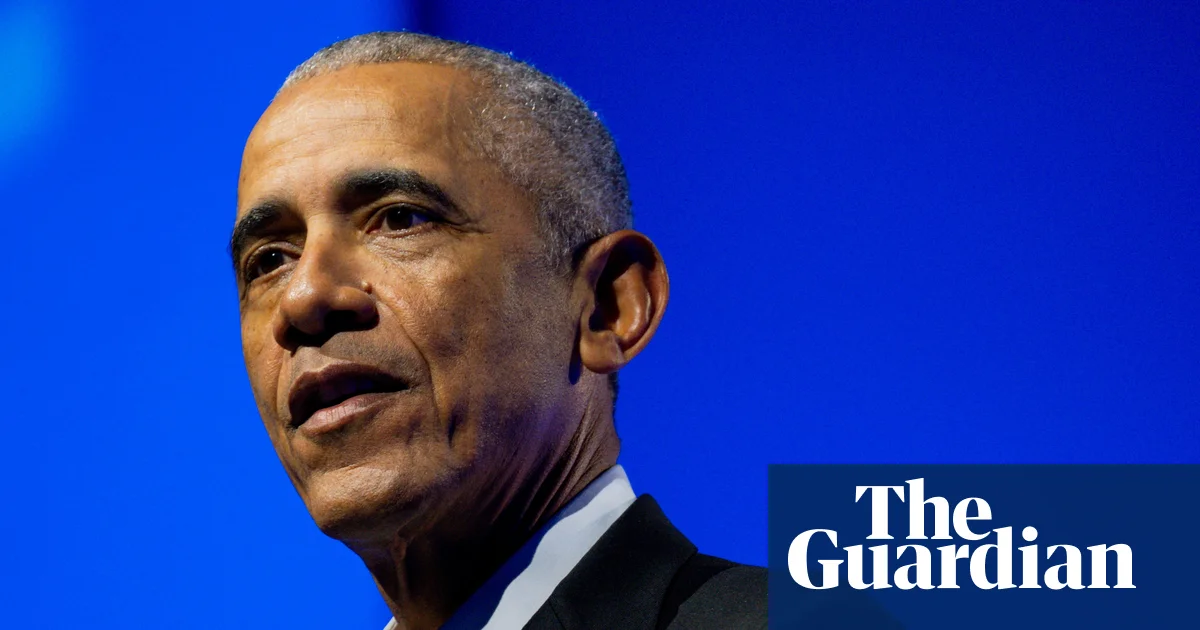
Obama warns companies: Stand with America, or face the consequences — We have the power to act

International Reflections as United States Leaders Reassess Institutional Integrity

In an era marked by relentless geopolitical shifts, the recent comments from former President Barack Obama serve as a stark reminder of the ideological and strategic crossroads facing the United States. During a heartfelt interview with comedian Marc Maron, Obama emphasized the importance of standing firm on core principles, especially for institutions such as universities, law firms, and corporations—entities that have recently bent to political pressures from the Trump administration. His call exemplifies a broader moral debate on whether these organizations serve as independent pillars or mere pawns in an increasingly polarized global landscape.

Particularly notable is the ongoing realignment within American society to defend what many see as foundational ideals—academic independence, diversity, and the rule of law—against government encroachments. Universities and businesses across the nation have made agreements with the federal government to roll back diversity initiatives and bias targets—actions perceived by critics as capitulation to a political agenda designed to weaken America’s societal fabric. These decisions carry profound geopolitical impact, as they influence not just domestic policy but also America’s international reputation as a defender of democracy and pluralism. Analysts argue that when private and public institutions choose short-term survival over integrity, it emboldens autocratic tendencies, inspiring adversaries such as Russia and China to exploit internal divisions.

Global Ramifications of U.S. Policy Shifts and Ideological Battles

The reverberations from America’s internal struggles are felt far beyond its borders. The international community, including multinational organizations like the United Nations and the World Economic Forum, watches closely as the decision-making process in Washington impacts global governance. Critics caution that ceding moral ground on issues like free speech, diversity, and rule of law risks dismantling the principles that underpin international order. History warns that when dominant nations abandon their foundational values, it paves the way for destabilization, enabling rogue states and authoritarian regimes to fill the vacuum.

Meanwhile, the internal debate in the United States around maintaining ideological integrity unfolds as a microcosm of a broader contest—one where the future of liberty is being shaped. Historians and thought leaders emphasize that the bipartisan ideological battles are not just political—they influence alliances, trade relationships, and nuclear diplomacy. The strategic question remains: will the U.S. be able to sustain its leadership role without sacrificing the moral clarity that once defined it? As U.S. presidential administrations grapple with that dilemma, the world watches, awaiting the next chapter in a complex saga of power, principle, and the enduring quest for national identity amidst chaos.

The Edges of Power and Morality: An Unfolding Story

In a poignant farewell, Maron’s final episode underscores the profound significance of integrity amid mounting societal pressures. Obama’s reflections about the price of standing by convictions—despite discomfort and opposition—resonate as a warning: the delicate balance of power and moral authority hangs in the balance, and history will judge those who falter. As global societies face their own turbulent shifts, the battle lines are drawn. Nations are deciding whether they will succumb to the siren call of expedience or forge a path rooted in conviction. The unfolding narrative of American influence reminds us that even in a time of chaos, the echoes of history urge caution and clarity. The question persists—who will uphold the moral compass in the storm of shifting loyalties?

Social Media Auto Publish Powered By : XYZScripts.com