
Matox News

Truth Over Trends, always!

Jessie Buckley credits acting with helping her conquer teenage eating disorder, inspiring resilience and self-acceptance among young people

In the heart of contemporary discourse surrounding artistry and human expression, recent remarks by the Oscar-front runner have reignited an enduring conversation about the profound relevance of culture to identity, tradition, and society. When she describes acting as “like water to me,” she encapsulates a broader truth: that art, in all its forms, is not merely a pursuit of entertainment but a vital sustenance that sustains the soul of a civilization. In times of turbulence, such expressions of devotion remind us that culture functions as both mirror and messenger, reflecting our innermost selves and transmitting the values that unify a community. As the philosopher Ortega y Gasset posited, humanity’s vital need for meaning is fulfilled through the culturally rooted narratives that shape our worldview, allowing individuals to see themselves within a collective tapestry.

Historically, society has shown a remarkable tendency to regard its cultural icons and arts as pillars upon which collective identity stands. The comment from the actress resonates with the insights of thinkers such as Tocqueville, who observed that the habits of the heart—those intangible bonds forged through shared tradition—are essential for maintaining social cohesion. Today, with a cultural landscape that often feels fragmented and transient, the emphasis on art as a source of mental health and stability becomes even more salient. It is as if the act of engaging with great works—be it the plays of Shakespeare, the music of Bach, or the films of past generations—reinforces a sense of continuity that counters the chaos of modern existence. The artist’s declaration reminds us that our cultural practices are not arbitrary but are woven into the very fabric of who we are and who we hope to be.

Beyond personal well-being, the arts serve as a cultural reservoir that preserves our historical memory and nurtures our collective soul. As Gilbert K. Chesterton once observed, the true artist is a guardian of tradition—not a destroyer but a steward who translates timeless truths into new forms. In this light, culture becomes a living testament to generations past, anchoring the present and forecasting the moral and aesthetic horizons of the future. For youth today, this connection to tradition may seem historical, yet it is precisely through this continuity that a society remains resilient and true to its roots. The arts, therefore, do not merely entertain but elevate, giving voice to the silent stories that define us, and in doing so, inspire us to forge ahead with purpose and hope.

In the final analysis, culture emerges as both memory and prophecy: a reservoir of collective history from which we draw strength, and a beacon illuminating the path forward. As the poet T.S. Eliot mused, “We shall not cease from exploration, and the end of all our exploring will be to arrive where we started and know the place for the first time.” It is within this cyclic dance of past and future that we discover that, ultimately, the arts are not mere decoration but the very essence of human striving—a poetic symphony that sustains the spirit of civilization, echoing through eternity as a testament to who we are and who we aspire to become.
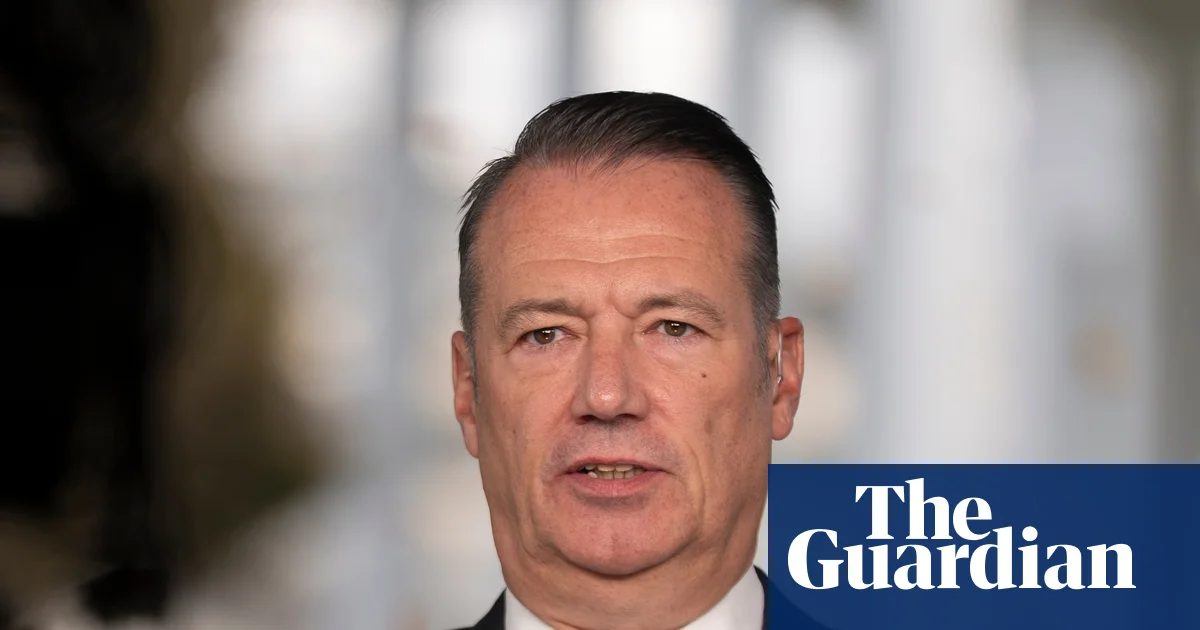
Minnesota Judge Calls Out Acting ICE Director, Warns of Consequences for Ignoring Court Orders

Judicial Authorities Push Back Against Federal Immigration Policies in Minnesota

The escalating tensions between federal immigration authorities and the judiciary in Minnesota underscore a rising confrontation that threatens to reshape the landscape of U.S. immigration enforcement. At the heart of this conflict is the recent intervention by the state’s top federal judge, Patrick Schiltz, who summoned the acting head of Immigration and Customs Enforcement (ICE), Todd Lyons, warning of contempt of court charges for defying judicial orders. This dramatic stance highlights an emerging crisis of authority, where individual judges are actively contesting federal directives, raising profound questions about the rule of law versus executive overreach.

The core issue stems from Operation Metro Surge, a sweeping and aggressive immigration crackdown initiated under the previous Trump administration. The operation has responded with a series of controversial and often unlawful detention practices targeting immigrants in Minnesota. Many detention cases have entered the judicial pipeline with emergency lawsuits filed on behalf of individuals claiming wrongful arrest and extended detention, often without proper legal process. Judge Schiltz and other federal judges have voiced concern that the administration’s disregard for court orders is causing “significant hardship,” with detainees being moved far from their homes or held in states like Texas despite clear court directives to keep them in Minnesota.

Legal Resistance Reflects Broader Geopolitical and Societal Shifts

  • Judicial rebukes have set the stage for potential *legal challenges* that could either restrain or halt federal immigration enforcement efforts in Minnesota entirely.
  • These developments symbolize a broader *conflict between state and federal authority*—a phenomenon that resonates beyond the borders of Minnesota and into the heart of U.S. sovereignty.
  • Internationally, critics interpret this clash as a reflection of America’s internal struggles over national identity, immigration policy, and the constitutional separation of powers, echoing debates that many analysts compare to volatile shifts currently unfolding in other global democracies.

Leading international organizations and senior analysts warn that ongoing resistance against federal directives could weaken the fabric of international rule of law, especially as the United States serves as a model for judicial independence and constitutional governance. Historians remind us, through echoes of past conflicts, that such internal disputes often signal profound societal transformations—sometimes for better, sometimes for worse. The ongoing confrontation in Minnesota is unlikely to remain isolated, with the potential to inspire or suppress similar resistance in other states facing federal immigration policies.

Implications for the Global Power Balance

As President Biden’s administration seeks to implement more humane immigration reforms, these legal battles expose a complex interstate power dynamic. The pushback from Minnesota’s judiciary complicates the *administration’s efforts* to craft a cohesive national immigration strategy, especially when faced with states that prioritize local policies like sanctuary jurisdictions. The potential for federal-state conflicts to escalate already hints at a fragmented approach to governance that could weaken U.S. credibility abroad. Many international observers see the situation as emblematic of a broader weakening of American institutional authority, which might undermine the country’s ability to project power and stability in the global arena.

This unfolding chapter in U.S. domestic politics bears resemblance to rising sovereigntism observed in other nations, where regional entities challenge centralized authority. The clash over immigration enforcement reveals a society fractured over the very definition of justice and national sovereignty—a duel that could define the United States’ future as a beacon of rule of law or a divided union struggling with internal discord. The weight of history hangs heavily as courts and federal agencies navigate this uncertainty, their decisions shaping the legacy of a nation facing its most defining test yet.

German acting legend Udo Kier, iconic star from indie to blockbuster, passes at 81

As the world stands at a pivotal juncture, it is vital to recognize how history’s chessboard continues to shift beneath our feet. Recent events serve as stark reminders that international decisions—ranging from military interventions to economic treaties—carry consequences that ripple through societies and shape the geopolitical landscape. The actions of major powers today echo the lessons of the past, emphasizing that the true cost of inaction or miscalculation can be measured not just in diplomatic terms, but in the loss of human lives and enduring societal upheaval. Organizations like the United Nations have long proclaimed the importance of diplomacy, yet their efficacy remains questioned amidst ongoing global destabilization, revealing a stark disconnect between rhetoric and reality.

The struggle over influence and sovereignty continues unabated, with recent conflicts exposing how fragile peace truly is. From the resurgence of regional conflicts to the contentious negotiations over trade and security agreements, the dynamic underscores that every alliance, every ceasefire, and every policy shift is a double-edged sword. Historians and analysts warn that such decisions often serve as turning points—defining nations’ futures. For instance, some argue that the breakdown of longstanding treaties accelerates the descent into chaos, echoing the diplomatic failures leading to the Second World War. In today’s interconnected world, any misstep has immediate consequences—affecting global markets, fueling refugee crises, and threatening democratic stability. Governments must internalize the lessons of history, understanding that the decisions made in the corridors of power today are often the catalysts for tomorrow’s widespread unrest.

Within this complex matrix, international institutions are called to task for their role—or lack thereof. Many see organizations like the European Union and NATO as crucial stabilizing forces; however, their effectiveness is often undermined by internal disagreements and external pressures. Meanwhile, emerging powers are recalibrating their strategies, challenging the existing international order. How nations navigate these choppy waters will determine whether the future is marked by cooperation or conflict. Experts caution that the mounting geopolitical tensions could result in a new global era characterized by power struggles reminiscent of Cold War rivalries. Yet, beyond the strategic calculations are the societal devastations—homes destroyed, communities shattered, and lives unalterably changed. The weight of history insists that these choices are not made in a vacuum but are woven into the fabric of human destiny, compelling nations to face the enduring truth that peace remains the most fragile of illusions.

As the pages of history continue to turn, the world watches with bated breath. The delicate balance of power teeters on the brink, and the looming shadow of unresolved conflicts reminds humanity of its ongoing voyage through tumult and hope. The decisions taken today will echo through generations, etching new chapters in the annals of history. Will future scholars look back and see a world that learned from its past, or one doomed to repeat its worst mistakes? The answer lies in the choices made now—choices that will determine whether the dawn of a new era will be heralded by renewed cooperation or overshadowed by an inescapable descent into chaos. The unfolding story of geopolitics is far from over; it remains an indelible imprint on the canvas of human history, awaiting the final strokes of those in power who shape our destiny.

Social Media Auto Publish Powered By : XYZScripts.com