Matox News

Truth Over Trends, always!

Robots with weapons hit the battlefield in Ukraine—showing innovative defense in action

In a decisive move that signifies a profound shift in the landscape of modern warfare, Ukraine has announced the deployment of armed robotic units on the battlefield against Russian forces. This development marks an unprecedented step in the ongoing conflict, reflecting Kyiv’s strategic adaptation to new technological frontiers and the increasing importance of unmanned combat systems in contemporary military doctrine. As conflicts increasingly intertwine with advancements in artificial intelligence and robotics, the outcome of this deployment could redefine power dynamics not only regionally but across the global geopolitical spectrum.

The Ukrainian government’s initiative signals a broader trend among nations with vested interests in technological superiority. According to defense analysts and military strategists, this move underscores a deliberate effort to minimize human casualties while maximizing operational efficiency. The use of armed drones and autonomous systems could serve as a force multiplier, allowing Ukrainian troops to target enemy formations with precision that diminishes the risks associated with traditional combat. However, such developments are not without controversy; they raise significant concerns over ethical standards, escalation risks, and the potential for unintended consequences. International organizations such as the United Nations have issued cautious statements, urging restraint and emphasizing the need for clear international regulations governing autonomous weapon systems.

The geopolitical impact of Ukraine’s decision resonates far beyond its borders. This technological leap could inspire other nations to accelerate their own military modernization programs, particularly in regions where ongoing conflicts threaten regional stability. Historically, the proliferation of autonomous weapons has been contentious, with critics warning against a future where machines could operate independently in lethal scenarios. Yet, proponents argue that such advancements are essential for maintaining strategic parity, especially against adversaries who continue to modernize their forces. These developments could provoke a new arms race, further complicating diplomatic negotiations and sowing seeds of instability in an already fragile international order.

As international institutions grapple with the implications of autonomous weaponry, a pivotal question emerges: how will the shift towards robotic warfare influence the fabric of society, sovereignty, and ethical warfare? Debates among historians and strategists emphasize that technology alone does not determine the outcome of conflicts; it is the underlying political will, public support, and adherence to international law that ultimately shape history. Looking ahead, the unfolding of Ukraine’s robotic battalions stands as a stark reminder that the course of geopolitics is often dictated by innovation—an ongoing saga where humanity teeters on the edge of a new frontier. As the world watches, the echoes of this bold step will reverberate through history, leaving future generations to grapple with the true meaning of victory and the cost of technological dominance.

Rising Stars Shine in Electrifying Weekend of Youth Sports Action!

Barcelona Faces Injury Crisis as Coach Takes Responsibility

In a challenging week for Barcelona, the club’s head coach, Hansi Flick, is facing mounting pressure following a series of unfortunate injuries that have sidelined key players. In the past week alone, midfielder Frenkie de Jong, defender Jules Koundé, and rising star Alejandro Balde have all been diagnosed with hamstring injuries. Flick expressed regret over these developments, stating, “I take full responsibility for the fitness levels of the team. We must reassess our training intensity to ensure our players remain fit and available.”

The loss of these pivotal players is expected to have significant ramifications as the season progresses. Barcelona faced an uphill battle in their recent match, which culminated in a narrow loss. The absences of de Jong’s midfield dynamism, Koundé’s defensive prowess, and Balde’s youthful energy have left the team scrambling for replacements and adjustments. The importance of depth in the squad cannot be overlooked, especially at this stage of the season.

Match Highlights

  • Frenkie de Jong injured in training, ruled out for several weeks.
  • Jules Koundé and Alejandro Balde also sustained hamstring issues in the same week.
  • Defeat in the last match reflects struggles without key players.

Comments from players have echoed the sentiments of their coach. Striker Robert Lewandowski noted, “Injuries are part of the game, but they can’t undermine our resolve. We are a team, and we will find a way to overcome these challenges.” It is statements like these that remind fans and observers alike that, regardless of injuries, the spirit of teamwork prevails. Barcelona has always been more than just a name; it represents a legacy built on collective effort and resilience.

As the road ahead becomes increasingly slippery, the importance of sports as a unifying force shines brightly. While victories on the scoreboard are thrilling, the heart of competition lies in the camaraderie and determination that brings players and fans together. The challenges confronted by Barcelona serve as a reminder that every team faces setbacks, but it is the unity, passion, and indomitable spirit that ultimately define success both on and off the field.

Source link

Lobbyists threaten legal action against councils over anti-wood burner bans—pushing back against government overreach on air quality

Societal Shadows: The Hidden Toll of the UK’s Wood-Burning Stove Industry

The rise of domestic wood-burning stoves in the UK reflects not only a cultural shift toward cozy, environmentally conscious living but also a complex web of public health risks and social tensions. Despite their growing popularity, especially among younger families seeking aesthetic appeal and sustainable credentials, these stoves pose significant challenges to families, communities, and public health systems. Recent investigations reveal that industry lobbyists are actively working to influence local governments against public health campaigns aimed at curbing indoor air pollution—a move that raises fundamental questions about whose interests are prioritized in societal decision-making.

At the heart of the controversy lies the industry’s aggressive lobbying efforts. The Wood-burning Stove Industry Association (SIA) has threatened legal action against at least eight London boroughs, claiming that their public flyers, which label wood burners as “careless, not cosy,” breach UK advertising laws. This pushback echoes a broader pattern whereby industry actors seek to manipulate public discourse, reminiscent of past tactics employed by tobacco and fossil fuel sectors to derail health-oriented policies. Critics, including social commentators and health advocates, argue that such tactics hide the grim reality: even eco-design stoves, promoted as lower-emission options, contribute significantly to particulate matter like PM2.5, which is linked to a wide array of health issues, from respiratory illnesses to premature death.

Families and communities bear the brunt of this misrepresentation. With about one in ten UK households now installing these stoves—often in dense urban environments—the cumulative effect has become one of the nation’s largest sources of air pollution, accounting for roughly 20% of fine particulate emissions. As sociologist Dr. Emily Richardson notes, this shift impacts social cohesion and environmental justice. Urban families living in close proximity face heightened exposure, with health disparities disproportionately affecting lower-income neighborhoods that rely more heavily on such Heating options. Children and the elderly, especially vulnerable groups, are caught in the crossfire of political and industrial battles over information and regulation.

Equally concerning is the moral dimension: how industry influence threatens the moral fabric of societal responsibility. As historian Dr. Samuel Keller highlights, the pattern of lobbying and misinformation surrounding wood-burning technology echoes the manipulative tactics of industries that historically prioritized profit over public well-being. Campaigners like Mums for Lungs decry such efforts as a direct assault on health campaigns designed to protect the most vulnerable. Meanwhile, public health agencies find themselves navigating a landscape where misinformation is weaponized to uphold commercial interests, undermining the very principle of community welfare.

As policymakers contemplate regulations, the challenge lies in balancing economic interests with moral responsibility. The UK government’s current consultation on wood-burning stoves aims to introduce lower-emission models and health warnings but stops short of endorsing bans in urban areas—a decision critics say perpetuates the cycle of misinformation and environmental harm. The challenge moving forward involves not only tighter regulations but also empowering communities with transparent, truthful information. Only then can society truly address the ethical imperative to safeguard public health, protect families, and preserve the environment for generations to come.

Reflections on Society’s Path

This story encapsulates a society wrestling with its values: the desire for comfort and aesthetic appeal against the undeniable need for health and justice. Beneath the smoke and mirrors of industry influence lies a profound question—what kind of society do we aspire to be? One that prioritizes profit at all costs, or one that champions the health and dignity of every family, community, and future generation?

Watch South Africa vs. New Zealand 2026 T20 Clash Live — Stream for Free and Catch the Action!

In an era where digital connectivity reigns supreme, the way young audiences consume sports is undergoing a profound transformation that extends beyond traditional broadcasters. The recent surge in free live-streaming options for major tournaments like the T20 Cricket World Cup 2026 exemplifies this shift, emphasizing a broader cultural movement towards accessibility and immediacy. For fans across the globe, watching the intense rivalry between South Africa and New Zealand has become less about cable subscriptions and more about tapping into innovative digital platforms. Platforms such as ICC.TV now enable viewers to catch high-stakes cricket matches from anywhere—free of charge—challenging the traditional gatekeeping of sports media.

This democratization of sports content feeds directly into the emerging cultural impact of digital access—especially among youth, who are often more tech-savvy and skeptical of mainstream outlets. Influencers and social analysts observe that this trend fuels a sense of ownership and participation among younger fans. No longer do they rely solely on traditional broadcasters; instead, they leverage VPNs and streaming hacks to bypass geo-restrictions, turning what once was a privilege into a global right. As cryptic but powerful as it sounds, this behavior signifies a deeper societal shift—young viewers demanding the same ease of access to international sports as they do with their favorite music or social platforms. This is reshaping the social relevance of cricket, transforming it into a truly global phenomenon rooted in digital territory.

Moreover, the influence of young influencers and sociologists underscores that this isn’t merely about convenience but about a cultural movement that redefines how global sports communities engage. These digital fans are not just passive spectators; they are active participants who forge virtual communities around their passion. The trend of free streaming is also catalyzing a new audience demographic, typically younger, more diverse, and more engaged in social media discourse. They are transforming the fan experience from passive viewing into an interactive, community-driven event, which carries significant social relevance. This reframing of sports as communal digital experiences indicates a vital shift—a move away from old hierarchies of media power toward a decentralized, accessible, and highly connected culture.

What remains to be seen, however, is how this torrent of access will evolve. As the next big question, we should wonder: Will this increasing accessibility democratize sports fandom further or threaten traditional broadcasting models altogether? The answer might define the future of not just cricket, but all major sporting events, as the lines between producer and consumer blur. In this new landscape, the real question is whether sports organizations will adapt to this empowered digital audience or cling to old media infrastructures that may no longer serve a growing, globally connected youth. As the digital revolution accelerates, one thing is clear—how we watch sports today is just the tip of the iceberg. The next chapter depends on whether the industry can harness this new culture of access or risk becoming obsolete in a world where the rules are being rewritten around us.

Politics LIVE: Marles Labs Down on Long Consular Waits for Aussies in Middle East, Promises Action on Contingency Plans | Australia News

Global Power Plays and Australia’s Strategic Dilemmas Amid Middle Eastern Turmoil

As the geopolitical landscape shifts rapidly, Australia finds itself caught in a web of regional conflicts and international diplomacy that could have lasting consequences. The recent escalation of violence in the Middle East, specifically the conflict ignited by US and Israeli airstrikes targeting Iran’s ballistic missile program, has thrust the region into a new era of instability. While countries like Canada and Australia denounce violence, they grapple with the reality of limited influence and the potential economic fallout stemming from these high-stakes tensions. The Australian government’s cautious approach, exemplified by minister Richard Marles’s guarded statements on military involvement, underscores a broader struggle to define Australia’s role on the global stage amidst rising superpower rivalries.

The conflict in Iran has invoked a complex mix of diplomatic sensitivity and strategic ambiguity. Australian Prime Minister Anthony Albanese has made clear that Australia is what he describes as a “long way” from the Middle East and thus not a direct participant. With no formal request from the United States for Australian military assistance, the government remains non-committal about intervening, emphasizing instead the importance of contingency planning and the safety of its citizens. International analysts observe that Australia’s stance is emblematic of a broader pattern seen among middle powers—avoiding direct confrontation while navigating an increasingly volatile geopolitical environment. The rising tension highlights the *qualitative change* in international norms surrounding regional conflicts—marking a new era where even distant powers must carefully calibrate their foreign policies.

Meanwhile, the international community watches with bated breath as Canada’s Mark Carney arrives in Australia for a rare parliamentary address, signaling the importance of middle-power diplomacy in this fractured geopolitical landscape. Carney’s discussions are set to touch on critical issues such as climate change, critical minerals, and collaborative defense strategies. His emphasis on the potential for middle powers to act as a unified bloc in addressing global security challenges aligns with recent calls by analysts for a reconfigured international order—one where the U.S. and China are no longer the sole arbiters of global stability. As Carney and Anthony Albanese explore avenues for enhanced cooperation, the message is clear: in an era of rising superpower tensions, regional alliances and shared interests hold the key to maintaining equilibrium.

Simultaneously, the Australian government is contending with controversial internal issues. Reports of memorials mourning Iran’s late Supreme Leader Ali Khamenei have sparked debate about the expression of political sentiments within Australia’s multicultural society. Prime Minister Albanese condemned such gatherings as “inappropriate,” reflecting a cautious stance amid growing tensions with Iran. Deputy Prime Minister Richard Marles explicitly refused to direct police action against mosques inviting mourners, emphasizing Australia’s respect for religious freedoms but also highlighting the delicate balance between liberty and national security. With domestic perspectives diverging sharply, policy-makers face the challenge of maintaining social cohesion during a period marked by international unrest and domestic controversy.

As the geopolitical chessboard becomes increasingly complex, the latest developments underscore a broader truth: the decisions taken today—whether in the corridors of Canberra, Westminster, or Davos—will shape the course of history. The persistent questions about how middle powers like Australia, Canada, and others will navigate this turbulent era evoke a sobering vision of a world teetering on the edge of a new Cold War or, worse, open conflict. With strategic calculations being made behind closed doors, the weight of history presses heavily, reminding us that the unfolding saga of the 21st century remains an unfinished story—we are all players and witnesses, standing at the crossroads of an uncertain future.

Young Stars Shine as Rising Talents Dominate This Week’s Sports Action

Kobe Bryant: A Legacy Built Beyond Advertising

In late 2002, Nike launched a groundbreaking global campaign that would come to symbolize resilience and determination, featuring the infamous black mamba. Interestingly, this campaign wasn’t initially centered around NBA superstar Kobe Bryant but instead aimed at someone else. This marketing strategy, however, inadvertently foreshadowed the incredible legacy that would soon be associated with Bryant, reshaping the landscape of both basketball and global branding.

The concept of the black mamba encapsulated the unyielding spirit and competitive nature that defined Bryant’s career. As Phil Jackson, Bryant’s long-time coach, noted, _“Kobe had a mentality that set him apart. It wasn’t just about talent; it was about having that deadly instinct in every game.”_ This relentless drive is evident in Bryant’s numerous accolades, including five NBA championships, two Finals MVP awards, and an 81-point game against the Toronto Raptors in 2006, solidifying his reputation as one of the league’s all-time greats.

Nike’s original intention may not have included Bryant, but the missed opportunity only strengthened the bond between the player and the brand. Over the years, Bryant became an essential figure in sports marketing, inspiring future generations of athletes. As Stephen A. Smith, esteemed sports commentator, put it, _“Kobe wasn’t just an athlete; he was a phenomenon. His impact transcended the court.”_ This is particularly significant as young athletes today look for role models who not only excel in sports but also exemplify perseverance and grit.

The resonance of the black mamba metaphor reached far beyond the hardwood. Bryant’s enduring legacy continues to serve as a source of inspiration for young athletes worldwide. In a climate where youth sports often feel like a breeding ground for pressure and anxiety, Bryant’s career stands as a testament to the power of hard work and dedication.

As we reflect on sports, it is vital to recognize their role as a unifying force. While statistics and records define success on paper, it is moments like Bryant’s iconic 60-point farewell game that remind us why we love the sport. In the end, sports serve not only as a platform for competition but as a powerful medium for connection, igniting passion, community, and hope among fans and players alike. The legacy of Kobe Bryant is a reminder that, through sports, we continue to find strength and unity—an enduring message for the youth of today and beyond.

Source link

Student Loans Crisis in England: Action Needed to Secure Our Future Students

In an era marked by soaring student debt and economic uncertainty, international observers are witnessing a critical juncture that underscores the fragile state of global socio-economic stability. As countries grapple with mounting financial burdens, the lens is now sharply focused on major Western nations where policy decisions regarding higher education funding and economic reforms are illustrating broader geopolitical shifts. The recent debates over student loans, interest rates, and university funding within the United Kingdom serve as a microcosm of a global crisis—one that threatens to reshape societal structures and international influence.

Within the UK, the political landscape is rife with tension as policymakers from both sides of the aisle scramble to address widespread discontent. The Labour government, represented by figures like MP Nadia Whittome, highlights a stark reality: even highly paid individuals see their financial situations erode over time due to rising inflation and disproportionate interest payments. This frustration feeds into a broader narrative of systemic unfairness, compounded by ailing institutions. The debate about student debt relief and university funding has escalated rapidly, prompting pledges from the ruling Conservatives to cut interest rates on certain loans—an initiative that has met with controversy and alarm from independent financial experts like Martin Lewis. Such internal conflicts expose the underlying fragility of the nation’s financial model and hint at upcoming political upheaval.

The geopolitical impact extends beyond the UK’s borders. As policymakers cut back on “ineffective” university courses and shift funding priorities, internationally entrenched issues surrounding global competitiveness and educational quality are intensifying. Countries across the world are observing these debates, recognizing that a nation’s future economic strength hinges on the sophistication of its human capital. Meanwhile, analysts warn that such domestic upheavals in a Western powerhouse could embolden authoritarian actors, especially in regions where Western influence is waning. The United States, for example, is also facing a renewed crisis over the affordability of higher education, foreshadowing a potential ripple effect that could destabilize international alliances and push nations further into strategic competition.

Institutions like the International Monetary Fund and OECD have sounded the alarm over how these domestic policies, if left unresolved, threaten to exacerbate inequalities worldwide. The undeniable truth is that decisions made in London or Washington do not simply stay local; they influence global economic patterns, migration, and diplomatic relations. The emphasis on suppressing university costs and realigning fiscal priorities is, in essence, a reflection of a deeper desire to reconfigure the global power hierarchy. Each reform, each budget cut, meticulously analyzed by geopolitical strategists, signals a move toward an uncertain future where the sovereignty of nations may become increasingly intertwined with their ability to sustain socioeconomic stability amid external pressures.

As the shadows lengthen across international theaters, the question remains—how will history judge this epoch of upheaval? With every policy shift, the weight of tomorrow’s world is being written. Will these decisions lay the groundwork for a renewed era of national strength, or will they serve as a cautionary tale about the perils of shortsighted governance? The scars of this tumultuous chapter are yet to be fully revealed, but one thing is certain: the course of history is still being set, and the echoes of today’s choices will resonate for generations to come.

Zimbabwe vs. West Indies 2026 Live Stream: Catch the T20 World Cup Action for Free!

In recent years, a paradigm shift in how young audiences consume sports has been underway, driven by the proliferation of digital platforms and innovative streaming technologies. The 2026 T20 World Cup exemplifies this wave, offering live streams of matches like Zimbabwe vs. West Indies for free via ICC.TV. This move toward free access has disrupted traditional broadcast models, making high-stakes sporting events more accessible than ever and fueling a surge in viewer engagement among youth who prefer digital over cable. Influencers and social media analysts emphasize that this democratization of content aligns remarkably well with the social habits and technological fluency of today’s generation.

The cultural impact is profound. As media scholars highlight, this shift isn’t just about convenience; it’s redefining the social relevance of sports as a unifying cultural activity. No longer confined to TV screens or expensive subscriptions, young fans across the globe can now tap into live action with a few clicks, often through VPNs to bypass geo-restrictions. This technological democratization has sparked a sense of ownership and participation, turning casual viewers into active supporters. The result? A more inclusive, youth-centered sports culture that champions accessibility and instant gratification, driven by a generation that values \”instant access\” as an extension of their lifestyle.

Major brands and platforms are responding to this cultural shift by integrating social media, mobile streams, and VPN seamlessly into the viewing experience. For instance, ExpressVPN and other providers are now talked about in the same breath as sports fans, as they empower viewers to bypass regional restrictions and access premium content from anywhere. Analysts argue that this convergence of tech and entertainment is transforming not only how we watch but what sports mean socially. Influencers, especially those with millions of followers, are fueling the viral nature of this trend by sharing tutorials, reviews, and hype around exclusive streams, turning digital platforms into the new stadiums for youth engagement.

As the 2026 T20 World Cup demonstrates, this rapid evolution raises an intriguing question about the next frontier of sports consumption. If access becomes increasingly free and personalized through technology, will traditional broadcasting models survive, or are we headed toward an era where digital native platforms completely reshape the sports industry? The answer might lie in how society continues to embrace individualized digital experiences and whether the social fabric woven by shared athletic moments shifts to a more decentralized, on-demand ecosystem. The future of sports consumption — seemingly as fluid as the games themselves — is one to keep a close eye on.

Watch Sri Lanka vs. England 2026 T20 Showdown Live — Stream for Free and Catch the Action!

In an era where technology reshapes how we experience entertainment, sports fandom has undergone a profound transformation. The 2026 T20 World Cup, currently unfolding at the prestigious Pallekele International Cricket Stadium, exemplifies this evolution. Fans worldwide are tuning in, not just through traditional TV networks but via streaming platforms that offer free access, fueling a cultural shift that emphasizes instant connectivity and borderless engagement. The accessibility of ICC.TV for live streaming marks a turning point—sports are no longer confined by geopolitics or geographical limitations. This democratization isn’t just a convenience but a statement that the social relevance of sports is now intertwined with digital empowerment and global connectivity.

The renewed emphasis on free streaming resonates strongly among younger audiences—a demographic that values immediacy and interactivity. Influencers and sociologists note that this shift is a reflection of a larger societal move toward participatory culture. As teenagers and young adults abandon passive consumption, they are increasingly demanding access — free and seamless — to their favorite entertainment. This trend is exemplified by fans eagerly utilizing VPNs to bypass geo-restrictions, effectively creating an underground network of global sports enthusiasts. Such behavior underscores a core social value: the desire for instant access and platform independence, especially in light of rising content costs and regional restrictions. Analysts predict that this attitude will not just stick but grow, forcing broadcasters and rights holders to rethink traditional models of exclusivity and paywalls, eventually ushering in a more open digital sports culture.

Top influencers, like cricket analysts and digital trendsetters, highlight the cultural impact of this shift. They argue that the new wave of free streaming platforms fosters a sense of global community among young fans, who can now rally around shared experiences regardless of their physical location. Moreover, the social relevance extends beyond entertainment — it involves social activism, advocacies for digital rights, and redefining traditional barriers of access. As sociologist Dr. Lisa Garnier points out, this rising trend signals a broader societal pushback against monopolized content and the commodification of fandom. It’s a movement that celebrates authenticity, accessibility, and participation, reshaping how generations connect with sports and each other in the age of digital globalization.

Yet, amid these rapid shifts, a haunting question looms: as the barrier of entry diminishes and digital access becomes the new normal, what becomes of the traditional sports broadcasting industry? Will the fixture of paid subscriptions and televised exclusives fade into obsolescence, replaced by an open-access,互联 digital landscape? Or will new models emerge—perhaps layered with microtransactions, content personalization, or community-driven monetization—that preserve the economic viability of sports media? The next chapter remains unwritten, but what’s clear is that the social dynamics of sports consumption are pivoting towards a future where participation and access define the cultural landscape. As fans worldwide cheer for Sri Lanka and England—free and united—the big question remains: in this new digital playground, who truly controls the game?

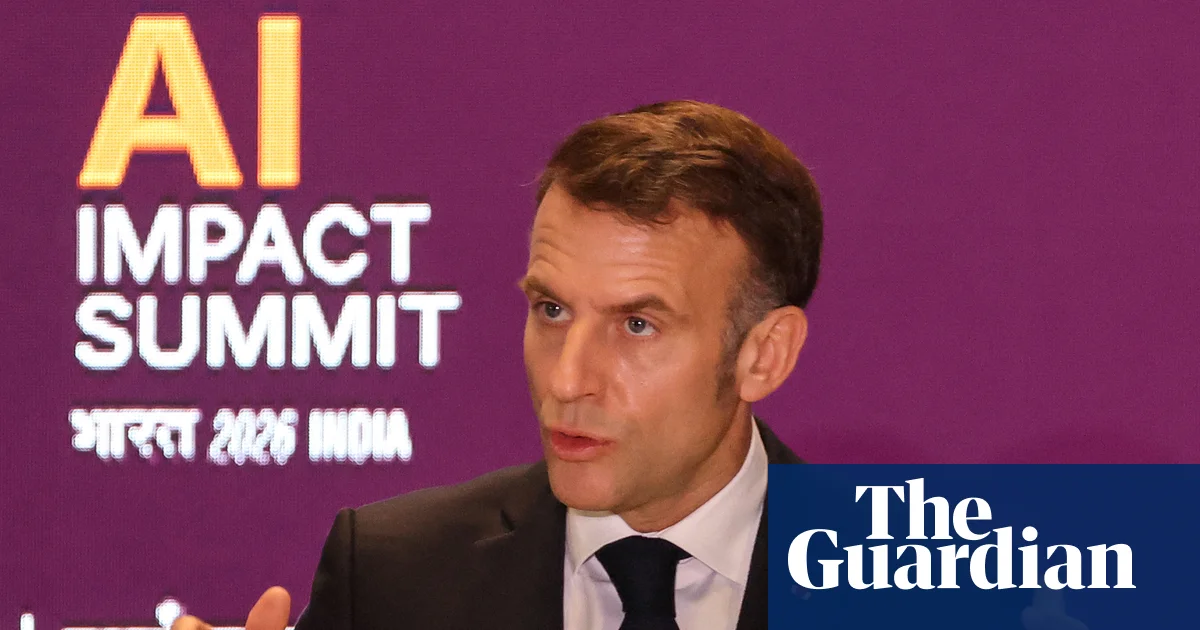
Macron backs EU AI rules, pledges swift action against online child abuse

Europe and France Assert Leadership in AI Safety Amid Global Contest

In a rapidly evolving global landscape dominated by artificial intelligence advancements, Europe and France are positioning themselves as formidable frontrunners in establishing a balanced approach to regulation and innovation. During the recent G7 summit hosted by France, President Emmanuel Macron boldly defended Europe’s commitment to safeguarding children and promoting responsible AI development. His remarks come amidst mounting international concern over the unchecked proliferation of AI-generated content, especially concerning the exploitation of minors and the concentration of power within a handful of US and Chinese tech giants. Macron’s advocacy for robust safeguards signals a clear intention to champion a safe and innovative digital future—an agenda that resonates across democracies weary of reckless techno-capitalism fueling societal vulnerabilities.

International observers, including the United Nations Secretary General António Guterres, have underscored the urgency of global cooperation, emphasizing that “no child should be a test subject for unregulated AI.” The UN’s stance — echoing concerns raised by child safety advocates and cybersecurity researchers — underscores that AI must be “the property of everyone,” not just a domain of corporate or geopolitical interests. Meanwhile, Bill Gates, prominently scheduled to speak at the conference, withdrew suddenly amid revelations regarding his controversial past associations, illuminating broader debates around accountability in the AI industry. Critics argue that true progress hinges on transparency and moral responsibility, realities often sidelined by the concentration of AI development within American and Chinese tech conglomerates, which control the lion’s share of the world’s most advanced models.

Decisions on Regulation Will Define Power and Influence in the 21st Century

Amid these debates, the European Union remains at the forefront with its AI Act, a comprehensive regulatory framework aimed at curbing abuses and ensuring human-centric AI development. European leaders, including Macron, emphasize that regulation does not stifle innovation but rather cultivates a safer environment where progress can flourish sustainably. Critics from the White House—like senior adviser Sriram Krishnan—have voiced opposition, arguing that restrictive legislation hampers entrepreneurial spirit. Yet, as historians highlight, history demonstrates that unchecked technological power can lead to societal destabilization, especially when AI technologies morph into tools for manipulation or surveillance. UNICEF and Interpol reports reveal a deeply troubling trend: over 1.2 million children have been victims of sexually explicit deepfakes, exposing the dark underbelly of AI misuse. Such alarming findings underscore the crucial need for vigilant regulation and international cooperation, so that societies do not pay the ultimate price for corporate greed or geopolitical ambitions.

Meanwhile, global powers like India seek to carve out their rightful place on the AI stage. With ambitious plans to invest over $15 billion in data centers and infrastructure, India under Prime Minister Modi aims to become a major AI hub, leveraging its vast population as both a growth market and a testing ground for emerging technologies. Modi’s call for “established levels of authenticity” for online content illustrates a strategic move to prevent AI monopolies from consolidating control—especially at a time when US models remain fiercely proprietary and opaque, while Chinese systems like DeepSeek and Qwen are often more open-source and adaptable. Such divergences not only impact technological sovereignty but also signal a new era of geopolitical contest, where AI’s strategic value could shape the future balance of power.

The Face of a New World Order Emerges

The unfolding debate over regulation, transparency, and moral accountability marks a pivotal juncture in history—one where the fabric of society, sovereignty, and individual rights hang in the balance. As world leaders and tech titans grapple with the profound responsibilities imposed by AI’s limitless potential, the decisions made today will echo throughout generations. With each new directive, each law, and each technological breakthrough, humanity strides into an uncertain dawn—where the fate of countless lives and the ideals of freedom, safety, and truth are intricately intertwined. In these tumultuous moments of technological revolution, the true measure of a civilization’s resilience lies not only in its innovations but in its unwavering commitment to safeguarding its people from the unseen dangers lurking within the code of the digital age. The history of tomorrow is being written now; the question remains—will it be a future of liberty and safe progress or one of control and chaos? Only time will tell, and the pages of history are still turning.

Social Media Auto Publish Powered By : XYZScripts.com