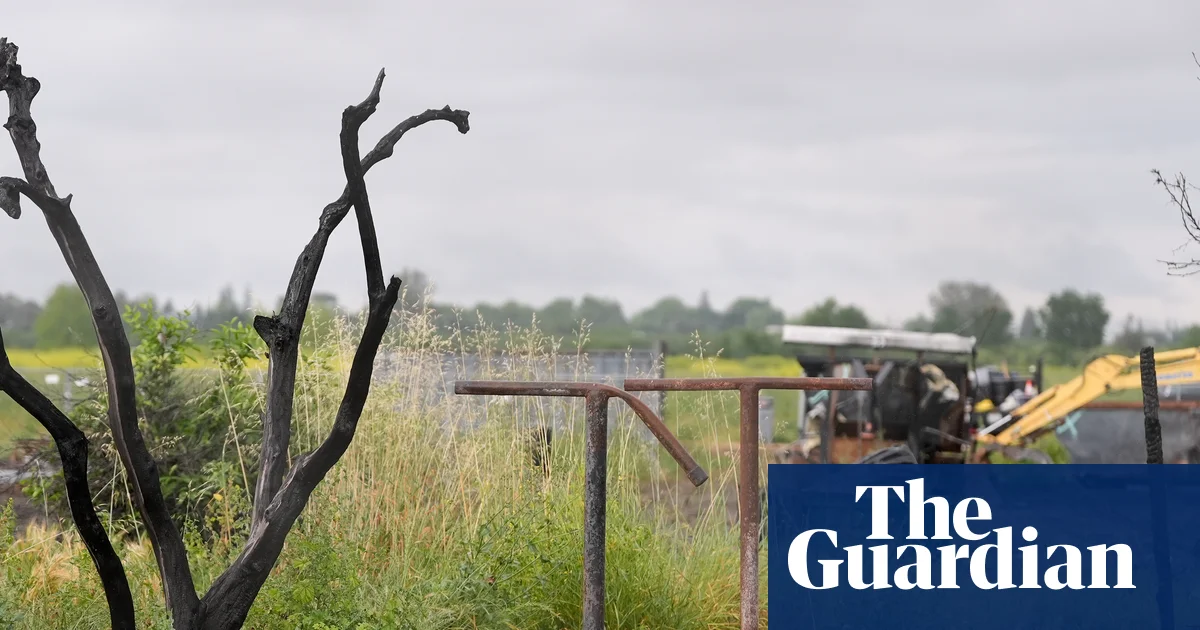

The recent tragedy in California has sent shockwaves through the international community, underscoring the dangerous intersections of law, commerce, and unchecked ambition. An explosion at a fireworks warehouse near Esparto, which claimed seven lives and injured two others in July, highlights not only the immediate risks of illegal explosive storage but also the broader geopolitical implications of governance failure and regulatory negligence. The incident exposes how clandestine operations can destabilize local and national security, reverberating far beyond the borders of the United States.
At the heart of this catastrophe is the case of Samuel Machado, a former lieutenant with the Yolo County Sheriff’s Office, whose involvement in an expanding illicit fireworks enterprise epitomizes how corruption and regulatory lapses weaken societal safety. Prosecutors allege Machado orchestrated a vast operation, storing over one million pounds of illegal fireworks—an amount that dwarfs legal limits—while leveraging his law enforcement role to shield his activities from scrutiny. The consequences extend beyond individual criminal behavior; they demonstrate how the abuse of authority can facilitate criminal enterprises, creating dangerous environments that threaten local communities and armed interests alike.
International analysts warn that allowing such operations to flourish can have ripple effects on global stability. United Nations experts have long sounded warnings about how unregulated explosives can fuel regional conflicts and terrorism. Fireworks, though seemingly harmless to the casual observer, can be converted into improvised explosive devices, raising the stakes for global security. The fallout from this incident has also ignited debates over how domestic law enforcement agencies battle corruption and organized crime. The arrest of Machado’s wife, Tammy Machado, on charges including mortgage fraud and child endangerment, signals a broader network of illicit activities intertwined with the fireworks import and export trade—a trade that transcends national borders, impacting economic stability and safety in multiple regions.
Historians and security analysts emphasize that this event is yet another chapter in a pattern that exposes critical weaknesses in governance. As international organizations assess how criminal syndicates exploit legal loopholes, the incident serves as a stark warning: *when governance falters, crises escalate*. The expansion of Machado’s operation from storing 13 to 50 containers within a decade illustrates how unchecked growth of illegal enterprises can lead to catastrophic failures. The turning point here is not merely the explosion itself but the systemic failure to regulate dangerous goods effectively, which could have led to far greater loss of life or even regional destabilization.
As America grapples with this tragedy, the global community looks on, understanding that events like this are symptomatic of deeper issues—weak oversight, corruption, and the unchecked proliferation of dangerous materials. The incident in California leaves an indelible mark—a reminder that the weight of history is still unfolding, and the decisions made in law offices and boardrooms today will shape the safety and stability of societies tomorrow. For now, the world must watch as the battle for regulatory integrity continues, knowing that beneath the surface of fireworks and celebrations lie the fragile threads of safety and sovereignty that can unravel in a瞬間—a moment that defines global security for generations to come.