Matox News

Truth Over Trends, always!

Rising Stars Shine in an Unforgettable Weekend of Youth Sports Action!

The Mets’ Captaincy Conundrum: A New Direction Under Cohen

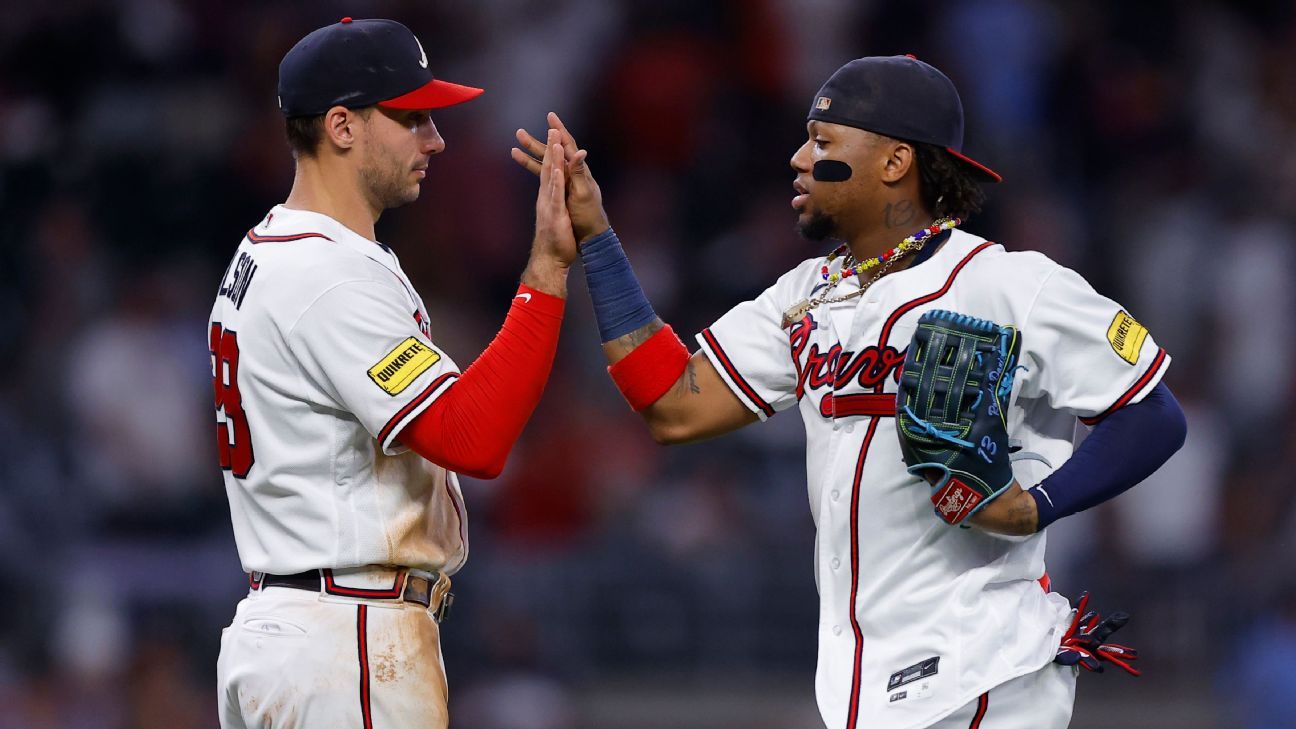
In a recent statement, owners of the New York Mets, led by Steve Cohen, firmly put speculation to rest regarding the potential for a team captain to emerge in the near future. Cohen, known for his decisive leadership style, asserted that he has no intention of appointing a captain while he owns the team. This declaration came as a surprise to many fans who had hoped that Francisco Lindor, the star shortstop, might eventually receive such an honor.

Cohen’s remarks were clear: “A captain is nice to have, but I believe in a more democratic leadership within the team.” This perspective steers the franchise away from traditional structures and emphasizes collective responsibility among players. The absence of a captain opens the door for a shifting dynamic where multiple voices can lead, describing a vibrant locker room culture. Coaches like Buck Showalter are expected to adapt to this new environment, fostering leadership by committee instead of relying on a single figure.

  • Francisco Lindor continues to be a linchpin on the field, with impressive stats including a .271 batting average and over 100 RBIs last season.
  • Steve Cohen has faced some skepticism regarding his management style, but is committed to building a competitive roster.
  • In his first two seasons as owner, Cohen has aggressively pursued top talent, reshaping the team’s identity.

The decision not to appoint a captain may raise eyebrows, especially among long-time fans who cherish the tradition. Baseball is steeped in customs that resonate deeply, and a captain often symbolizes both excellence and leadership. However, commentators speculate that this could pave the way for a new model within the franchise—a model built on unity rather than hierarchy. As Showalter stated, “A team’s strength lies in its ability to function as a cohesive unit, let’s put the ‘team’ first.”

Ultimately, the absence of a captain may reflect a broader trend in sports where adaptability takes precedence over tradition. Such changes signify not only the evolution of the Mets but also reflect a society that continually seeks innovative solutions. In an age where athletes are increasingly viewed as role models, this approach could yield a stronger team ethos, emphasizing performance over pedigree.

As the Mets step into the future, the hope remains that the coming seasons will distill the essence of teamwork, resilience, and unity. For fans, it is more than just wins and losses; it is about the spirit of camaraderie that sports embody. The diamond remains a field where dreams are forged, friendships are built, and communities unite, elevating baseball to a universal excitement that transcends the scoreboard.

Source link

Next-Gen Stars Shine in Thrilling Weekend of Sports Action!

Cristiano Ronaldo Shines Bright in Al Nassr’s Victory

This past Saturday, Cristiano Ronaldo made a triumphant return to the pitch with Al Nassr in their highly anticipated match against Al Fateh. The superstar forward wasted no time in leaving his mark, finding the back of the net early in the game, demonstrating his unmatched skill and dedication to the sport.

The atmosphere was electric as fans witnessed Ronaldo’s return after a brief hiatus. His first goal, scored just five minutes into the match, set the tone for an exhilarating 3-1 victory. Commentators were quick to highlight the significance of this moment, noting that it wasn’t merely another goal but rather a statement that emphasized his enduring prowess on the field. “Having Ronaldo back in the lineup injects a new sense of hope and energy into the team,” remarked coach Rudi Garcia, who praised his star player’s work ethic and influence on younger teammates.

Match Highlights

  • Ronaldo’s hat trick secured a commanding victory for Al Nassr.
  • Al Fateh’s lone goal came from a late free kick.
  • Ronaldo’s quick return creates significant momentum heading into the next match.

In addition to Ronaldo’s impressive performance, the match served as a reminder of the spirit that sports can foster within communities. With youngsters in attendance, many looked on in admiration, inspired by the legend’s determination and skill. As noted by former player and current commentator Ali Al-Habsi, “What Cristiano brings to the field is beyond mere statistics; he embodies the qualities of leadership and perseverance that resonate with aspiring athletes.”

As the final whistle blew, a chorus of cheers erupted from the stands, uniting fans and families alike. Each game transcends the scoreboard, weaving a complex tapestry of passion and inspiration that connects people from all walks of life. In a world often divided, the realm of sports continues to remind us of our shared love for the game—just as Al Nassr and Cristiano Ronaldo reminded us this weekend. The celebration of athleticism fosters community, forging bonds that can last a lifetime.

Source link

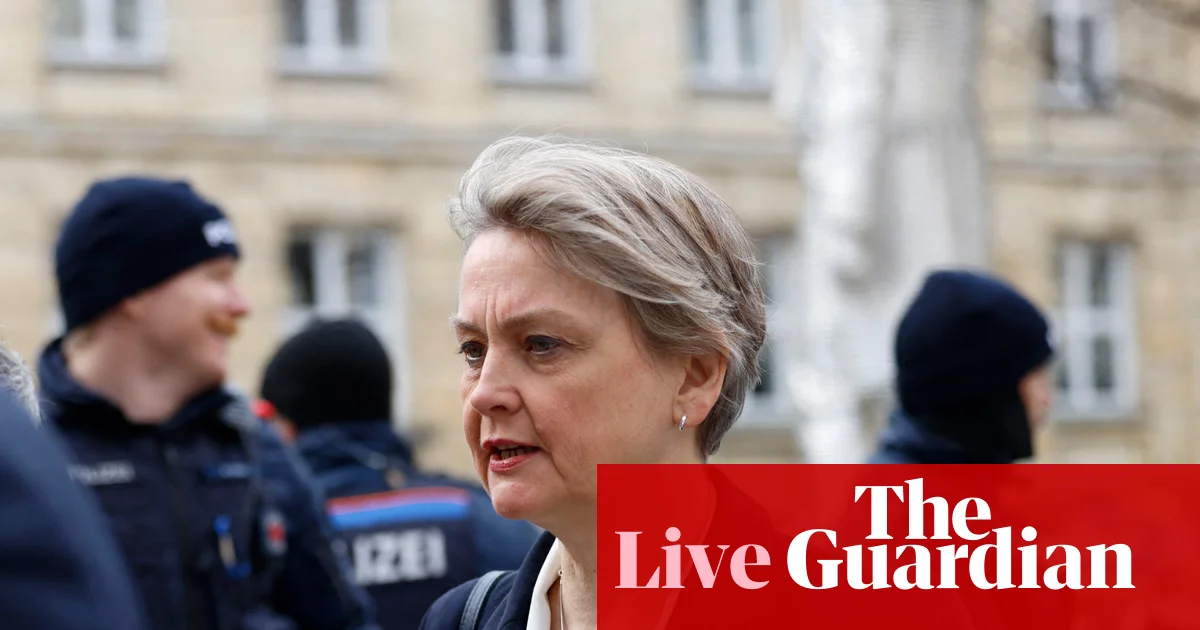
Cooper Clings to Palestine Action Ban After Court Declares It Unlawful – UK Politics Live

In a nation where United Kingdom politics remains a mirror to the turbulent realities shaping the international landscape, recent legal decisions and diplomatic claims underscore a resurgent era of uncertainty and strategic recalibration. The High Court’s ruling that the government’s ban on Palestine Action was unlawful and disproportionate signals a critical juncture in domestic security policy—one that resonates across global geopolitics. As the UK’s legal system pushes back against government overreach, analysts highlight a wider geopolitical impact—foreshadowing a shift where advocacy, protest, and national security are increasingly entangled in a web of conflicting interests and international pressures.

This legal rebuke forms part of a broader pattern where Western powers are facing complex threats that challenge traditional notions of sovereignty and security. The UK’s foreign secretary, Yvette Cooper, publicly defended her decision to proscribe Palestine Action despite unequivocal evidence suggesting most of their activities did not meet the threshold of terrorism. She relayed that advice had been taken from police and intelligence sources indicating risks of violence, yet the courts concluded the government had failed to follow its own policies, raising compelling questions about the transparency and consistency of security measures. Such a legal setback might embolden other protest groups and civil liberties advocates, but it also sends a message to hostile regimes—highlighting the fragile balance Western democracies must maintain between security and freedom.

The international ramifications extend further into the realm of intelligence and diplomatic disputes. Yvette Cooper has been vocal about the assessment that Russia targeted the opposition figure Alexei Navalny with a deadly toxin derived from frog poison, a claim backed by a coalition of European nations. These countries have reported Russia to the Organization for the Prohibition of Chemical Weapons for breaching the Chemical Weapons Convention. The UK’s narrative frames Putin’s regime as a threat not only to Russian politicians but to global security—exposing a ruthlessness that analysts like Patrick Wintour of The Guardian argue is emblematic of a broader “barbaric Kremlin plot” designed to eliminate dissent with lethal precision. This exchange of diplomatic accusations underscores a larger conflict, reaffirming that the contest for influence and morality is increasingly fought through shadows of poison and the courtrooms of justice.

Amidst these tumultuous developments, the rising influence of China and the shifting priorities of the United States further complicate the global chessboard. Cooper’s comments about Europe’s need to “step up” as U.S. funding diminishes reflect a European-wide strategic awareness—an acknowledgment that the days of unipolar dominance are waning. As international organizations and military alliances struggle to adapt to this chaotic environment, youth and future leaders are called upon to navigate a world where sovereignty is often tested and global order remains fragile. The unfolding drama involving Navalny’s poisoning, the UK’s internal security debates, and Russia’s brazen denial are merely chapters in a larger saga of power, resistance, and the relentless pursuit of truth that history warns will define the 21st century’s geopolitical landscape.

In the shadowed corridors of geopolitics, the echoes of these conflicts spell a sobering message to all observers—history is still unwritten and the verdict of this epoch hinges on the choices made today. The specter of poisons, legal battles, and diplomatic indictments serves as a reminder: the unfolding story of nations will be etched not just in treaties or victories, but in the testimony of justice, the courage of dissent, and the echoes of a world still struggling to find its moral compass amidst chaos. As the dust settles on legal rulings and international accusations, the question remains—who will rise, who will fall, and what legacy will we leave in the shadow of these tumultuous times?

US and Iran Prepare for Nuclear Talks in Oman as Trump Warns of Military Action — Live Updates | Iran

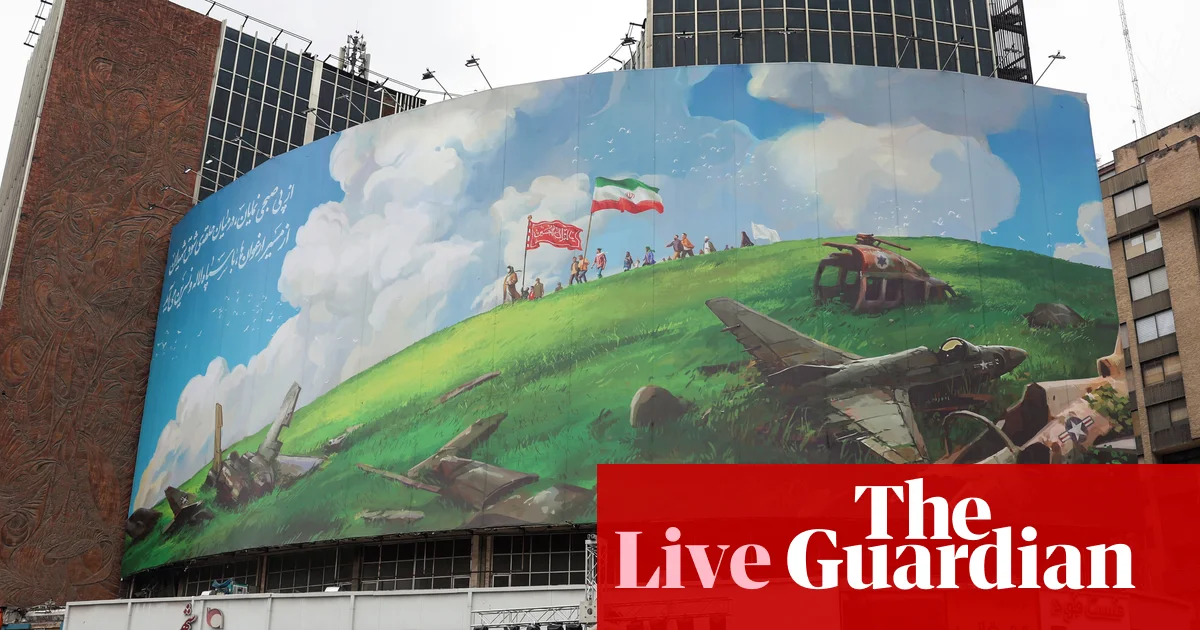
Geopolitical Tensions Escalate as Iran and United States Face Off Ahead of Critical Negotiations in Oman

Amidst a backdrop of simmering regional conflict and shifting alliances, the upcoming U.S.-Iran nuclear negotiations in Oman are poised to be a decisive moment in the ongoing struggle for influence and security in the Middle East. High-stakes diplomacy is unfolding against a tense landscape marked by military posturing and deep mistrust. As Iran enters the talks with a firm stance, US military movements in the region continue to underscore the volatility of this diplomatic push for stability. The international community, including analysts from institutions such as The International Institute for Strategic Studies, is watching with bated breath, recognizing that the outcomes could shape the global picture for years to come.

Recent days have seen a noteworthy escalation of military activity, with the deployment of a formidable US naval task force including an aircraft carrier strike group near Iran. This build-up is widely interpreted as a warning of possible military intervention, a reality that Tehran appears to be well-aware of. The Iranian foreign minister Abbas Araghchi, speaking from Istanbul, reaffirmed Iran’s determination, stating, “We engage in good faith and stand firm on our rights.” He emphasized that durable agreements rely on respect and mutual commitments—principles that Tehran perceives as being frequently violated by inconsistent US policies. The juxtaposition of Iran’s diplomatic rhetoric with its unwavering maximalist position underscores the geopolitical game at play—where each side is testing the other’s resolve in a high-stakes negotiation that could either steer the region toward stability or plunge it into further chaos.

Adding to the uncertainty and volatility, recent incidents in international waters have only intensified tensions. The US military claimed to have shot down an Iranian drone approaching the USS Abraham Lincoln in the Arabian Sea, claiming it was an act of self-defense. Iran disputed this, asserting the drone was conducting surveillance in international waters. Meanwhile, US President Donald Trump has kept the rhetoric incendiary, asserting that the US “armada” in the region is larger than what was deployed to topple Venezuela. Trump’s comments reflect a calculated bluff—or perhaps a test of Iran’s willingness to escalate. As experts like Dr. Laura Jayes warn, such displays of military strength make it clear that the region remains on the brink, with a single misstep potentially igniting wider conflict.

Of particular concern is Iran’s unwavering position on limiting negotiations solely to nuclear issues, dismissing US demands to address its ballistic missile program and regional sponsorship of terrorist organizations. The US, led by Secretary of State Marco Rubio, insists on an all-encompassing approach, intensifying the risk of deadlock. Iran’s Foreign Minister Abbas Araghchi’s announcement that negotiations will proceed underscores an expectation that compromises are unlikely in the short term. As international diplomats deliberate, many analysts warn that the failure of these talks could result in a return to open hostility. Yet, with each side holding maximalist positions, the outcome remains shrouded in uncertainty, poised to define the geopolitical balance in the Middle East and beyond. It is a reminder that history often hinges on pivotal moments like this—a fragile, fleeting window in which peace could either be preserved or shattered, leaving a scar on the pages of history for generations to come.

Thrilling Upsets and Rising Stars Ignite This Weekend’s Sports Action!

Lightning Ignite Comeback with Historic Goalie Showdown

In an electrifying display of grit and resilience, the Tampa Bay Lightning achieved a stunning comeback victory against the Boston Bruins during the NHL Stadium Series on Sunday. This match, held amidst the picturesque backdrop of an outdoor arena, reached a fever pitch when the first-ever goalie fight in such a setting broke out between Andrei Vasilevskiy and Jeremy Swayman. This unexpected spectacle marked a turning point in the game, galvanizing the Lightning and setting the stage for one of the most remarkable rallies in recent NHL history.

With the Lightning trailing 4-1 in the second period, the atmosphere shifted dramatically when the fight erupted. As fans cheered and commentators buzzed about this rare showdown, it became evident that the energy from the brawl was contagious. Tampa Bay’s head coach, Jon Cooper, noted, “That fight sparked a fire in our players. It was as if our guys realized they needed to rally around each other.” The team’s morale was visibly lifted, paving the way for their comeback as they scored four unanswered goals to seize a dramatic 5-4 victory.

Key Takeaways from the Game

  • First Ever NHL Goalie Fight Outdoors: Vasilevskiy vs. Swayman ignites Lightning.
  • Momentum Shift: Lightning score 4 goals after trailing 4-1.
  • Coaching Impact: Jon Cooper emphasizes unity and resilience.
  • Fan Energy: A spirited crowd fueled the team’s comeback.

This game did more than just change the score; it became a testament to the power of sports as a unifying force. In a world often divided, moments like these remind us how passion and dedication can rally entire communities around a common cause. As the arena erupted in cheers and the Lightning celebrated their hard-earned victory, it was clear that the game transcended mere competition—it became a celebration of teamwork, resilience, and the exhilarating spirit of hockey.

As this historic matchup will be remembered for its extraordinary highs and lows, it stands as a poignant reminder that sports possess the unique ability to bring people together, igniting not just rivalries, but a profound sense of camaraderie. The Tampa Bay Lightning, through their thrilling comeback, have crafted a narrative that champions perseverance and the indomitable human spirit, inviting fans everywhere to embrace the magic of the game.

Source link

Storm Kristin claims at least five lives in Portugal—urgent action needed

The recent natural disaster that swept through several regions has demonstrated the profound geopolitical impact of environmental events, highlighting vulnerabilities and exposing the delicate balance of modern society’s resilience. The storm, characterized by its unprecedented strength, resulted in widespread destruction, including the toppling of trees and damage to countless homes. Over 800,000 people were left without power—an immediate reminder of how natural forces can threaten the stability of urban and rural communities alike.

Officials from local governments and international organizations have responded swiftly, dispatching emergency crews and aid. Yet, such responses reveal larger questions about how nations are prepared for environmental catastrophes in an era of climate change. Analysts warn that this event underscores a critical turning point in the ongoing debate about infrastructure resilience and the need for global cooperation in disaster preparedness. Many experts, such as climatologists and emergency management officials, emphasize that climatic shifts are intensifying storms, and without coordinated efforts, future events could dwarf this latest crisis. Historically, as noted by scholars like Dr. Alexander Bennett, similar disasters have often served as catalysts for policy reforms—though often the reforms are reactive, not proactive.

On the geopolitical front, the storm’s aftermath is shaping international discourse. Countries such as the United States, China, and European nations are evaluating their own emergency protocols, seeing this event as a bellwether for future environmental crises. The response also strains international institutions, such as the United Nations, which are called to coordinate relief efforts and promote resilience strategies that cross borders. Critics argue that climate diplomacy has thus far been insufficient, and the storm serves as a stark reminder that the global community must accelerate its efforts toward climate adaptation and mitigation. The divide between nations that are prepared and those vulnerable to such disasters risks deepening, potentially leading to geopolitical tensions over resource allocation and aid responsibilities.

Moreover, the social consequences of the disaster are profound. Displaced populations are increasingly vulnerable, becoming refugees within their own borders. The destruction of infrastructure exacerbates economic inequalities, as those with fewer resources face greater difficulty in recovery. Historians and analysts cite past events, such as the Hurricane Katrina or the Philippine typhoons, as cautionary tales illustrating how environmental disasters can accelerate social discord and political instability. The ongoing crisis underscores the importance of foresight and the potential for such natural events to reconfigure societal structures long after the storm has passed.

As the dust begins to settle, the true scale of this calamity remains yet to be fully understood. What cannot be ignored is the layered narrative of nature’s fury intersecting with geopolitical ambition, economic resilience, and societal endurance. The storm’s ferocity has left a mark not just on physical landscapes but on the very foundations of international cooperation. The world now faces a pivotal question: will this event catalyze meaningful change or fade as just another chapter in a long history of neglect and reactive policymaking? The answer lies hidden beneath the storm’s aftermath, waiting for history to decide—while the legacy of this natural disaster continues to unfold, shaping the destiny of nations for generations to come.

Rising Stars Shine in Thrilling Weekend of Youth Sports Action!

The Season of Surprises: A Look Ahead in Major League Baseball

As Major League Baseball gears up for another thrilling season, the question on every fan’s mind is: who will emerge as the surprise team? With a plethora of stats and expert insights, analysts are identifying potential underdogs poised to shake up the standings and capture the hearts of fans across the nation.

Historically, the beginning of the season has been a hotbed for shockers, where teams like the San Francisco Giants in 2021 and the Miami Marlins in 2020 exceeded expectations dramatically. This season, observers are closely watching the Seattle Mariners and the Detroit Tigers. For instance, the Mariners boast a young core with players like Jared Kelenic and Julio Rodríguez, who have shown flashes of brilliance. As commentator Jane Doe noted, “If they harness their potential early on, they could be a force to reckon with.”

  • Seattle Mariners: A rising star duo in Kelenic and Rodríguez.
  • Detroit Tigers: Veteran presence from Miguel Cabrera and an exciting pitching roster.

Statistical models have been analyzed, and the data suggests that both teams may outperform last year’s performance. Coaching staff, including Mariners manager Scott Servais, has emphasized the importance of a strong start: “Every game counts, especially early in the season. We need to build momentum.” Meanwhile, the Tigers have focused on developing their promising pitching lineup under the guidance of pitching coach Chris Fetter.

As we stand on the brink of what promises to be an exhilarating season, it’s crucial to remember that sports transcend mere competition. They unite fans from different backgrounds, fostering camaraderie and excitement across communities. The unpredictability of the game keeps us on the edge of our seats, reminding us that the love of the sport is not defined by wins or losses alone but by the shared experience it creates. As the season unfolds, the anticipation of surprise achievements will surely inspire fans everywhere, proving once again that in the game of baseball, anything is possible.

Source link

Judge Pauses Minnesota ICE Action Amidst Illegal Punishment Concerns

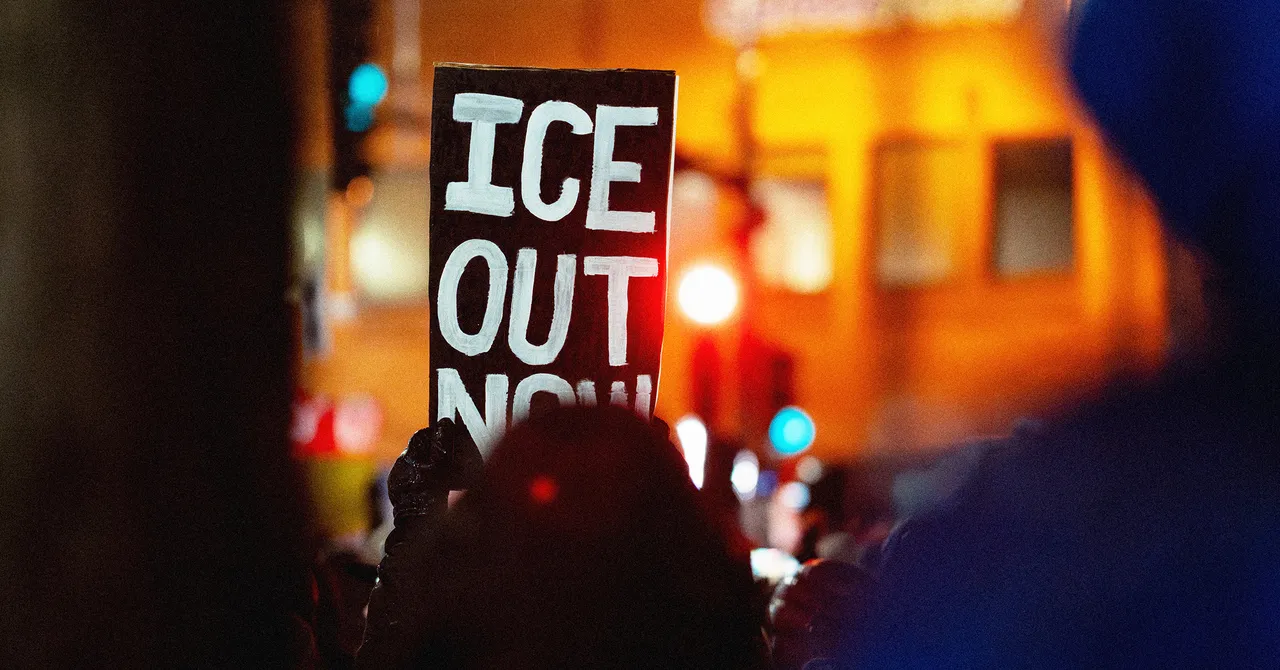
Federal Enforcement Actions in Minneapolis Fuel Legal Battles and Civil Discontent

In an unprecedented display of federal authority, recent operations in Minneapolis have ignited a fierce debate over the limits of government power, civil liberties, and the future landscape of law enforcement technology. The deployment of thousands of armed agents during federal raids—aimed at curbing crime but marred by tragic incidents—has raised fundamental questions about the disruption of local sovereignty and the potential overreach of federal operations. Experts like those from MIT’s Cybersecurity Institute warn that such interventions might set dangerous precedents, risking a precedent where federal agencies operate with near-impunity within state borders, potentially unleashing an era of unchecked coercive power.

Legal battles currently dominating the headlines highlight the tension between federal authority and local autonomy. Judges such as Judge Menendez have expressed concern over the scale and scope of these operations, questioning whether federal agencies are crossing constitutional lines. The legal claims focus on whether the federal government, in its effort to combat crime, is effectively coercing or even overriding local officials’ ability to manage their jurisdictions. The core worry among legal scholars is how these large-scale operations could erode the constitutional protections of states and municipalities, forcing them into crisis mode—diverting resources, disrupting local law enforcement, and destabilizing entire communities. This scenario has significant business implications for private security, surveillance tech firms, and emergency response industries, which stand to benefit from increased demand driven by federal initiatives.

Adding fuel to the fire are recent tragic incidents in Minneapolis involving federal agents—specifically, the deaths of Renee Nicole Good and Alex Pretti. The killings, both involving armed federal agents and operating in the context of seemingly unrelated raids, have turned public opinion sharply against federal enforcement tactics. Official narratives such as allegations that Pretti posed a “lethal threat” have been challenged by citizen footage and autopsy reports, underscoring a growing gap between government claims and on-the-ground realities. These events serve as stark reminders that disruptive law enforcement technology—including surveillance and armed response tools—must be wielded with precision and accountability, or risk undermining the trust necessary for future innovation.

Looking ahead, the industry’s response to these shifts will be critical. Disruptive technologies like AI-powered surveillance, real-time tracking, and autonomous law enforcement drones are poised to revolutionize public safety. However, the legal and ethical dilemmas highlighted by Minneapolis’s recent turmoil signal that without robust safeguards, such technological advances could accelerate a trajectory toward authoritarianism or civil unrest. Key industry players and policymakers are now racing to develop frameworks that balance innovative disruption with respect for civil liberties—a task that’s becoming ever more urgent.

As the battle lines between federal authority and local sovereignty sharpen, the next wave of tech-driven enforcement will define the limits of American liberty and security. Industry leaders like Elon Musk and Peter Thiel emphasize that the future of safe, accountable law enforcement depends on proactive innovation paired with strict regulatory oversight. The coming months will be pivotal: failure to strike a sustainable balance could see unchecked federal expansion transforming into a technology-enabled surveillance state. In this high-stakes game of innovation versus regulation, those who act swiftly and decisively will shape the future of justice, security, and innovation—setting the course for a nation that must navigate this new frontier with clarity and resolve.

Bystander videos heroic action, stops shooter in fiery street confrontation

The tragic events at Bondi Beach, one of Australia’s most iconic coastal landmarks, have sent shockwaves through both national security circles and international observers. On a seemingly ordinary Sunday, a violent shooting resulted in the loss of twelve lives, with at least eleven others injured, including police officers tasked with maintaining order. Witness footage capturing a dramatic moment of heroism has now become a focal point of the incident, showing a bystander wrestling the alleged gunman to recover the weapon. This act of bravery underscores the unpredictable chaos that such violence ignites within a society unprepared for such brutality.

Australian authorities, led by Premier Chris Minns, confirmed that one of the suspected perpetrators was killed at the scene, while another was taken into custody. As the nation mourns, questions multiply regarding the motives behind the attack and the security measures currently in place. This event comes at a time when international intelligence agencies warn of rising threats from extremist incidents triggered by global instability, migration pressures, and social divides. Analysts suggest that such localized tragedies can ripple outward, fueling anti-immigrant sentiments and nationalistic rhetoric, which can have serious geopolitical implications.

The incident at Bondi Beach is more than a tragic anomaly; it fits into a disturbing pattern of increasing violence that many international experts trace back to wider geopolitical shifts. According to International Crisis Group reports, nations are increasingly vulnerable to inside threats, especially with the proliferation of firearms and the erosion of traditional community cohesion. The rise of radicalization, sometimes fueled by economic disparity and social unrest, is exacerbated by international conflicts and the widespread dissemination of extremist ideologies online. This raises urgent questions about how nations can effectively counteract these threats without infringing on civil liberties, a dilemma that complicates homeland security efforts in democracies like Australia.

  • The Bondi Beach attack underscores the importance of rapid law enforcement response capabilities and community resilience
  • It highlights the vulnerability of societies unprepared for lone-wolf attacks amidst rising global terrorism concerns
  • International organizations call for increased cooperation and intelligence sharing among nations to prevent future attacks

In this ongoing landscape of violent unpredictability, where incidents can drastically shift public perception and political discourse, many experts, including historians and security analysts, warn of the *dangers of complacency*. The unfolding tragedy in Australia serves as a stark reminder that the decisions made today—regarding security, migration, and international cooperation—will have lasting consequences. As governments brace for what might come next, the world watches, acutely aware that such moments are the contours of history being written in real time — fragile, volatile, and seemingly unpredictable. The question that lingers amid the ash and shattered glass of Bondi Beach is whether nations will learn to effectively navigate this perilous era before it is too late, or if they will become resigned to a future shaped by violence and chaos that once seemed unimaginable.

Australia Wildfire Devours Homes, Urging Action from Authorities

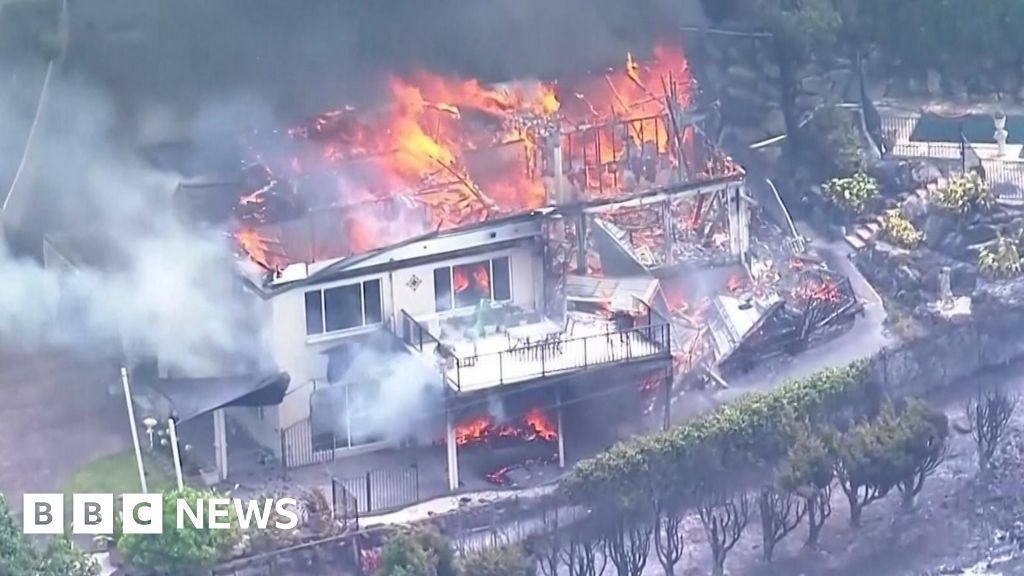
In a stark reminder of the escalating climate crisis, Australia’s state of New South Wales is grappling with an unprecedented surge in wildfires, with reports confirming the destruction or damage of at least 12 homes near Sydney. The fire outbreak in the coastal town of Koolewong has become emblematic of broader environmental upheavals fueled by soaring temperatures across the region. As firefighters scramble to contain the flames, the incident underscores a critical, global issue—climate change—whose effects are no longer distant threats but immediate dangers to communities and national security.

Analysts and climate experts warn that this surge in wildfires is part of a wider pattern observable in multiple parts of the world, where extreme weather events are becoming the new normal. The United Nations climate reports have repeatedly emphasized the urgent need for international cooperation to reduce greenhouse gas emissions—yet, contradictory policies, especially among major economic powers, continue to hinder meaningful progress. Historically, nations that ignore the mounting ecological and economic costs of climate inaction risk destabilizing their societies and geopolitical standing. The current crisis in New South Wales is a microcosm of this larger threat, illustrating how local disasters are inextricably linked to international environmental policies.

This catastrophe is also shaping the geopolitical impact of climate change, forcing governments to reevaluate their commitments and strategic priorities. How countries respond to such crises influences their global standing and alliances. For instance, Australia’s intense focus on fire mitigation efforts and emergency preparedness signals a nation prioritizing internal stability amidst environmental chaos. Meanwhile, some critics argue that accusations of insufficient climate action—despite recent investments—highlight ongoing political struggles, with fossil-fuel interests still wielding considerable influence. International institutions like the IPCC and the World Meteorological Organization continue to warn that the window to prevent irreversible climate tipping points is closing rapidly. The ongoing wildfires serve as a harsh warning—our world is entering a new era where environmental stability is increasingly dependent on international resolve.

As history unfolds, the current wave of wildfires might well be remembered as a turning point—a stark illustration of how neglecting environmental stewardship leads not only to ecological devastation but also to profound social and geopolitical upheaval. It is a moment that demands reflection, action, and a steadfast redefinition of priorities. The fate of millions, the stability of nations, and the legacy we leave for future generations hinge on the decisions made today. The flames tearing through New South Wales are more than a local tragedy; they are a fiery chapter in a global story of resilience, responsibility, and the relentless march of history confronting humanity’s greatest challenge.

Social Media Auto Publish Powered By : XYZScripts.com