Matox News

Truth Over Trends, always!

Wildfires ravage Georgia and Florida, destroying homes and forcing evacuations—urgent action needed

Wildfires Escalate Across Southeastern United States Amid Record Drought Conditions

In a striking manifestation of the escalating climate crisis, the southeastern United States is experiencing unprecedented wildfire activity, threatening both communities and ecosystems. Over the past week, intensifying wildfires have ravaged parts of Georgia and Florida, forcing mass evacuations and prompting emergency declarations. These events underscore the mounting geopolitical impact of climate change—placing pressure on local, national, and even international stakeholders to address a crisis that transcends borders and demands urgent action.

The Georgia forestry commission issued its first-ever mandatory burn ban, covering 91 counties—a stark indicator of the severity of drought and fire risk in the region. Governor Brian Kemp emphasized that local authorities are coordinating closely with firefighting agencies, urging residents in affected areas to adhere to safety protocols. Meanwhile, smoke from the region’s fires has traveled hundreds of miles, clouding air quality in urban centers like Atlanta, Savannah, and Jacksonville. Health officials have already classified air conditions as unhealthy, with warnings that prolonged smoky conditions could impact vulnerable populations and strain emergency services.

Record Drought Conditions Fueling Unprecedented Wildfire Activity

Data from the US Drought Monitor reveal that over 61% of the contiguous United States is experiencing moderate to exceptional drought—marking the highest levels recorded since 2000. Particularly, Florida endures an exceptional drought, facing over 131 active wildfires that have scorched more than 34 square miles, mainly in the northern parts of the state. Firefighting agencies are contending with a perfect storm of parched land, low humidity, and gusting winds—conditions that experts like climate analyst Dr. Mark Johnson say are “feeding the flames of a catastrophe that is becoming increasingly routine.”

Across the region, the fires have destroyed hundreds of homes, with some reports suggesting that the total wildfire footprint exceeds 31 square miles just along Georgia’s coast. Emergency crews are staging resources strategically, recognizing that the outbreak of wildfires—some growing sixfold within hours—poses a persistent threat. The Federal Emergency Management Agency (FEMA) reports that nearly 800 residents have been evacuated from hotspots such as Brantley County, with officials warning residents to remain vigilant as shifting winds could rapidly escalate the danger. This ongoing crisis threatens not only property but also critical infrastructure, highlighting how climate-induced disasters are reshaping national security and socio-economic stability.

Broader Implications for the International Community

As nations worldwide grapple with the consequences of rising temperatures and unpredictable weather patterns, international organizations and analysts warn that these wildfires are a harbinger of a new era—one marked by heightened instability. The United Nations has issued warnings that climate change is accelerating global inequalities, with vulnerable regions bearing the brunt of ecological upheavals. For the United States, a nation often regarded as a leader on the world stage, these crises exemplify the importance of implementing resilient policies and investing in sustainable infrastructure. However, domestic political divisions and misaligned priorities continue to hamper meaningful progress, leaving millions at risk.

Looking through a geopolitical lens, the ongoing wildfires serve as a compelling example of how local environmental issues can ripple outward, influencing international diplomacy and security. Countries with similar vulnerabilities—like Australia, Canada, and parts of Europe—are closely watching the US experience, as it underscores the potential for climate crises to destabilize societies and economies worldwide. Historians and analysts argue that the current wildfire season might well be remembered as a pivotal turning point in global climate policy—one that demands a unified response or risk leaving future generations with a legacy of ecological destruction.

As the flames continue to consume the southeastern US and threaten to ignite broader regional instability, the weight of history bears down on global leaders and communities alike. The choices made amidst this crisis—regarding policy, resilience, and responsibility—will determine whether this chapter of environmental calamity accelerates into a new era of chaos or sparks a concerted effort to forge a sustainable future. In the shadow of these raging fires, the world watches and waits, acutely aware that history is still unfolding, and the true cost of inaction may yet be written in smoke and ash.

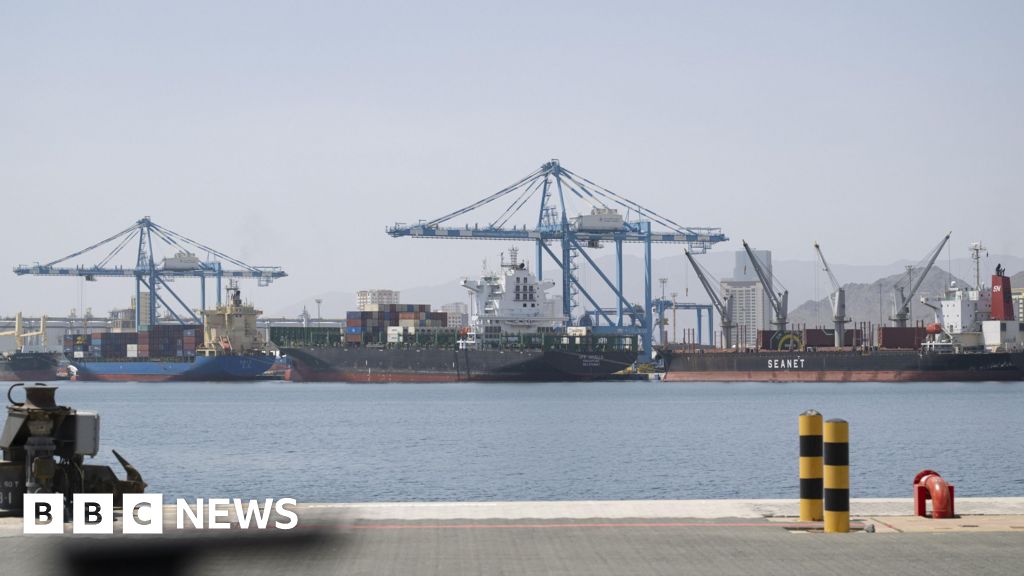
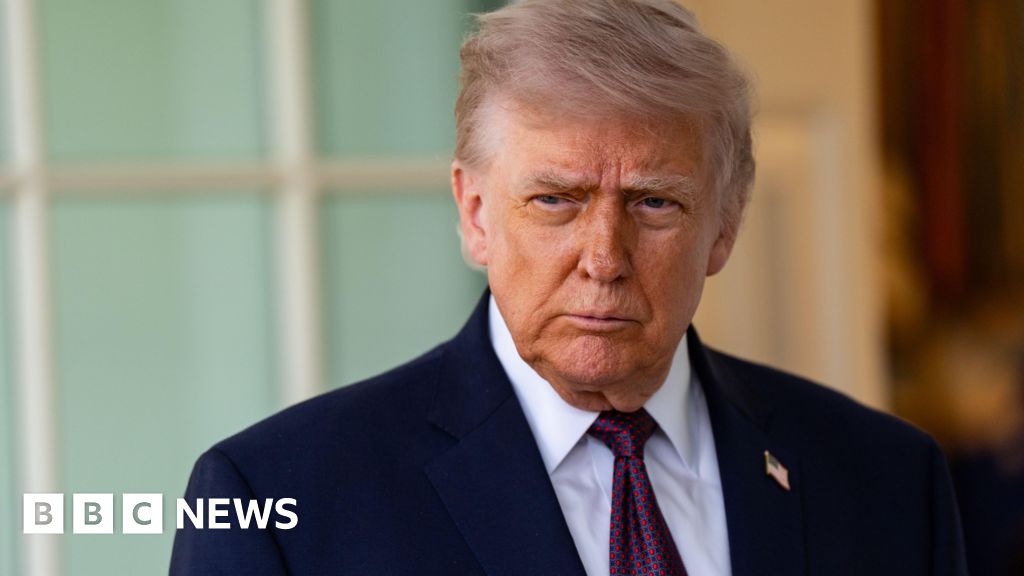
U.S. Seizes Iranian-Flagged Ship Amid Rising Tensions, Trump Calls for Strong Action

In a development that has captured global attention, Tehran has thus far remained silent regarding a recent incident whose details remain shrouded in mystery and geopolitical significance. This silence comes at a critical juncture as the United States prepares for a second round of diplomatic talks, aimed at de-escalating tensions and reviving diplomatic accords. As the world watches with cautious optimism and growing concern, analysts warn that this silence from Iran could presage tough negotiations ahead, with uncertain outcomes for regional stability and international diplomacy.

The incident, which occurred within a complex web of regional and global interests, highlights the fragile state of diplomatic relations between Washington and Tehran. High-level officials in the US have signaled a willingness to engage, yet recent developments reveal lingering mistrust and the risk of escalation. The United States is increasingly aware that its ability to secure a strategic realignment depends heavily on Iran’s next steps, particularly in light of ongoing concerns over Iran’s nuclear program and regional influence. Some analysts, including senior diplomats and geopolitical observers, have cautioned that this silence, combined with Iran’s recent actions, could signal either a calculated defiance or a prelude to genuine negotiations.

Historically, such moments serve as flashpoints that could redefine regional order. The United States, along with its allies, continues to view Iran’s nuclear ambitions as a paramount threat, fueling an array of economic sanctions and diplomatic isolations. Conversely, Iran perceives these measures as unjust pressure, advocating for national sovereignty and a strategic return to the international fold through negotiations. International organizations like the United Nations have called for restraint, but many experts emphasize that the real decision-makers are now navigating a labyrinth of trust, power, and strategic interests. The outcome of the upcoming talks could either propel peace or ignite further confrontation.

Assessments from international scholars, including historians specializing in Middle Eastern geopolitics, suggest that each step in this ongoing crisis is etched into the larger narrative of global power shifts. As US and Iranian officials prepare to meet again, the weight of history hangs heavily over the proceedings. The decisions made today may echo for generations, shaping a future where diplomacy either prevails or succumbs to the tides of war. With geopolitical stakes reaching new heights, the next chapter remains unwritten, yet undeniably decisive in the unfolding saga of 21st-century geopolitics.

As the international community braces for what could be a pivotal breakthrough—or a catastrophic breakdown—the path forward remains perilous and uncertain. The world holds its breath, aware that the future of peace in the Middle East and beyond hinges on these delicate negotiations. The pages of history continue to turn, each moment pregnant with the possibility of profound change or unthinkable conflict, as the weight of destiny presses heavily upon the shoulders of today’s leaders.

Labor Ignored Anti-Racism Calls: Leaked Docs Reveal Repeated Requests for Action

Australia stands at a pivotal juncture in its modern history—facing a persistent dilemma that threatens both its social fabric and geopolitical standing: systemic racism. Despite recommendations from the Australian Human Rights Commission nearly 18 months ago, the federal government under Prime Minister Anthony Albanese has yet to respond decisively on a comprehensive anti-racism framework. Documents obtained by the Senate reveal a disconcerting pattern: ongoing delays, dismissive replies, and an apparent reluctance to turn words into concrete action. The world watches as this stubborn inertia undermines Australia’s credibility on the international stage, where nations are expected to lead in human rights and societal cohesion.

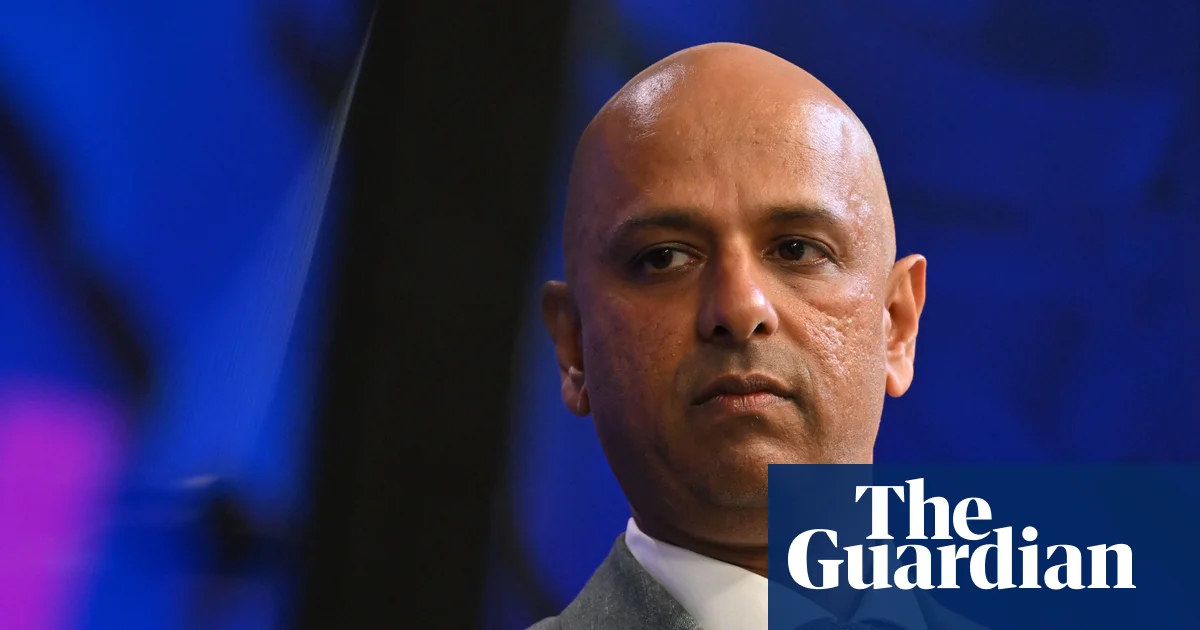
Notably, the communication records between Race Discrimination Commissioner Giridharan Sivaraman and Attorney General Michelle Rowland expose how multiple pleas for action have been systematically ignored. Sivaraman’s five letters and at least two meetings implored the government to adopt a proposed anti-racism framework containing 63 vital recommendations, including the establishment of a national anti-racism taskforce, the creation of a standalone Human Rights Act, and mandates to eliminate racism within workplaces, healthcare, and housing sectors. These measures are common-sense steps that could mitigate the deeply rooted biases that continue to plague Australian society. However, the government’s repeated responses that these recommendations are “being carefully considered” evoke an alarming image of paralysis—especially with the royal commission’s findings expected by December.

International institutions and analysts have underscored the critical nature of decisive action. Human rights experts warn that inaction in Australia not only jeopardizes national unity but also damages the country’s global reputation for fairness and progress. Meanwhile, Green Party leaders, such as Deputy Leader Mehreen Faruqi, condemn what they describe as a “pattern of neglect,” criticizing the government’s refusal to act on clear warnings. The situation underscores how decisions—or the lack thereof—have tangible effects: perpetuating societal division, fueling xenophobia amid rising anti-immigrant rallies, and emboldening extremist narratives. The framework’s six dozen recommendations, championed by community leaders and advocacy groups, could serve as vital tools for societal repair, yet they remain unimplemented.

As geopolitical implications unfold, Australia’s internal struggles resonate beyond its borders. Countries that neglect the urgent mandate to address racial injustice risk losing moral authority and jeopardizing alliances based on shared values. Historians and policy analysts, such as Dr. Samuel Moyn, warn that failure to confront systemic discrimination risks fueling destabilization—both domestically and internationally. The implications extend further: Australia’s failure could serve as a cautionary tale for other nations grappling with similar issues on the global stage. As the royal commission’s report looms, history remains poised at this critical phase, awaiting the next decisive move. Will Australia choose the path of unity or continue down a road that risks unraveling its social cohesion? Only time will tell, yet the weight of history compels us to realize that the decisions made today will echo through generations—a testament to the peril and promise of a society striving toward justice in an increasingly divided world.

Rising Stars Shine in Thrilling Weekend of Youth Sports Action

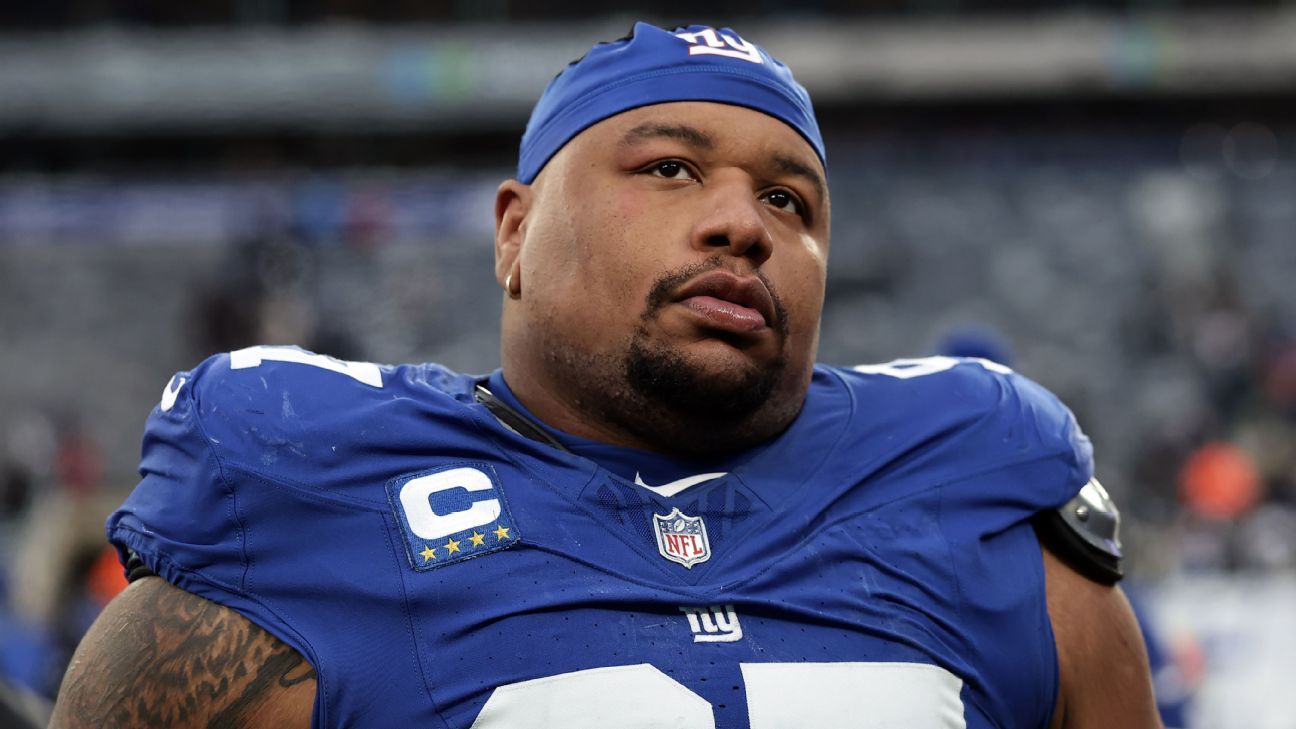
NFL Trade News: Giants Deal Lawrence to Bengals

In a surprising move that has shaken the NFL landscape, the New York Giants traded defensive lineman Lawrence to the Cincinnati Bengals in exchange for the coveted No. 10 pick in the upcoming draft. This decision raises notable questions regarding the dynamics of the NFL’s trade market, the strength of this draft class, and the current status of the Bengals as they aim to bolster their roster.

For the Giants, the trade seems to be a calculated gamble. Head Coach Brian Daboll has made it clear that the organization is focused on building a winning team, and acquiring a top-10 draft pick opens up numerous possibilities. As Daboll stated, “This trade positions us to create depth and enhance our roster with young, talented players.” The implications of this trade may extend beyond immediate stats, as the Giants aim to rebuild with fresh talent in an increasingly competitive NFC.

For the Bengals, the addition of Lawrence is a bold statement in their pursuit of a formidable defense. Coach Zac Taylor acknowledged the significance of adding such a strong player, expressing optimism: “Lawrence’s presence will not only impact our defensive front but also reflect our commitment to making a serious playoff run.” The Bengals are looking to enhance their performance after falling short in previous seasons, and this trade may just be the catalyst needed for a deep playoff push.

  • Impact on the Giants: Acquiring the No. 10 pick provides flexibility for the Giants to target specific players.
  • Impact on the Bengals: Lawrence’s skills could significantly strengthen their defensive line and pressure opposing quarterbacks.
  • Trade Market Implications: This trade could signal changing tides in the NFL’s approach to player values and draft strategies.

As the draft approaches, the excitement is palpable. Trades like this signify more than just strategic moves; they embody the very heart of sports—the relentless pursuit of excellence. In an arena defined by rivalries and competition, moments like these remind fans why they are devoted: the thrill of the game, the unity of fans, and the dream of championship glory. Sports have the power to rally communities and create lasting legacies, echoing the age-old belief that while the scoreboard counts the final tally, it is the spirit of the competition that truly reigns supreme.

Source link

Rising Stars Shine in Thrilling Weekend of Youth Sports Action!

Fantasy Football Predictions: What Lies Ahead

As the NFL season progresses, fantasy managers are looking to improve their rosters and make informed decisions for upcoming matchups. With the ever-shifting landscape of player performances, injuries, and bye weeks, anticipating future trends has become essential for competitive success. Analysts are turning their attention to key players who have the potential to either make or break your fantasy team as the season advances.

Experts are examining the performance metrics of standout players like Trevor Lawrence of the Jacksonville Jaguars and Justin Jefferson from the Minnesota Vikings. Both athletes have shown considerable promise this season, with Lawrence showcasing his ability in clutch moments and Jefferson continuing to revolutionize the wide receiver position. Fantasy commentators note notable improvements in their stats that could lead to significant returns for managers who invest in them.

Key Player Insights

  • Trevor Lawrence: Recently recorded a four-touchdown game, demonstrating his growth as a premier quarterback.
  • Justin Jefferson: Averaging over 100 yards per game, proving himself as a consistent playmaker.
  • Injury reports are also crumbling teams; keep an eye on star players like Saquon Barkley and Cooper Kupp, whose returns could shake up league standings.

Coach Mike Tomlin of the Pittsburgh Steelers emphasized the importance of resilience during the halfway point of the season, stating, “It’s not just about how you start; it’s about how you finish.” This sentiment resonates with fantasy players who are recalibrating their strategies. Shrewd decisions in trades and careful management of injuries can lead to impressive turnarounds, making the second half of the season crucial.

As the fantasy landscape evolves, it serves as a reminder that sports extend beyond mere statistics. They unite fans, players, and communities in a collective experience fueled by hope and passion. Each play, each game, offers a chance not just for individual glory but for a shared celebration of triumph. While the fantasy scoreboard may guide decision-making, it is the spirit of the game that fosters a sense of belonging and camaraderie among sports enthusiasts.

Source link

Rising Stars Shine: Up-and-Coming Athletes Spark Excitement in This Week’s Action!

Victory on the Field: Exciting Times in Sports

In an exhilarating weekend of sports, the atmosphere crackled with intensity as Team A battled Team B in a memorable face-off that showcased the heart and determination of all involved. The match, though contested, ultimately highlighted the strengths and weaknesses of both squads. Fans from both sides gathered, embodying the spirit of competition and camaraderie that defines our favorite sports.

The turning point came in the third quarter when Player X of Team A made a remarkable play that can only be described as a game-changer, _underlining_ just how pivotal athletic resilience can be. His intricate footwork and lightning speed led to a stunning touchdown, which not only gave Team A the momentum but truly electrified the crowd. As commentator Jane Smith observed, “It was a moment that defined this match and showcased the raw talent these young athletes possess.”

Here are some of the standout moments from the game:

  • Player Y from Team B fought valiantly, contributing crucial points with his exceptional three-pointer.
  • Team A‘s defense displayed an impressive block that halted what seemed to be a guaranteed scoring opportunity for Team B.
  • Coach John Doe remarked post-game, “It’s not just about winning; it’s about growth, strategy, and the love for the sport.”

As the game concluded with a final score that reflected both teams’ labor and passion, it was clear that more than just numbers filled the scoreboard. The essence of sports transcends mere competition; it ties communities together, celebrates individuality, and fosters unity among fans. As we conclude another thrilling chapter in the sports narrative, one can only anticipate with excitement what will unfold next season. Sports, ultimately, serve as a unifying force that brings diverse groups together—an enduring legacy that extends well beyond the field.

Source link

Google claims Polymarket bets appearing in News was just a glitch—tech transparency in action

Google News Removal Sparks Debate Over Disruption and Regulatory Implications

In a recent turn of events, Google News has retracted listings of Polymarket – a rapidly emerging player in the prediction markets space – highlighting the ongoing turbulence in tech’s pursuit of innovation and market disruption. Initially, Polymarket’s results appeared in Google News alongside reputable outlets, raising questions about the company’s legitimacy and influence potential. However, a spokesperson from Google clarified that the appearance was inadvertent, emphasizing that the platform was never intended to surface in such contexts. This move underscores the strict policies and cautious approach tech giants maintain towards emerging, potentially disruptive platforms that could challenge regulatory and content standards.

Polymarket, along with Kalshi, has aggressively cultivated partnerships with journalists and various news outlets—sometimes reaching into less reputable circles—aiming to embed itself deeply into the informational ecosystem. Reports suggest that these betting platforms are not only disrupting traditional media narratives but are also raising significant concerns about market manipulation, fake news, and regulatory accountability. Critics, including industry analysts like those from Gartner, warn that such platforms could destabilize conventional financial and information sectors if left unchecked. Meanwhile, industry insiders observe that these efforts are part of a broader trend where decentralized and peer-to-peer betting platforms are blurring the lines between speculation, news, and influence campaigning.

The partnership between Google and these prediction platforms extends into data integration efforts via services like Google Finance, raising questions about the future scope of AI-driven data dissemination. The timing of Polymarket’s appearance in Google News—initially flagged by social media reports as early as January—suggests possible testing or early-stage integration. Despite Google’s denials, the incident exposes a critical risk for the tech giant: endorsing or unwittingly promoting loosely regulated betting markets could lead to unforeseen legal and reputational repercussions, especially as regulatory scrutiny intensifies across jurisdictions.

Looking ahead, the disruptive potential of these prediction platforms is unmistakable. They exemplify a new wave of innovation challenging legacy systems, with the capacity to revolutionize how information influences markets and policy decisions. Yet, this innovation comes with a rising sense of urgency for regulators, technologists, and business leaders to establish clear standards—balancing freedom of innovation against the need for accountability and legitimacy. As Elon Musk and Peter Thiel have emphasized in recent interviews, embracing disruptive technologies is vital for maintaining global competitive advantage, but such progress must be paired with proactive governance. The future of this dynamic intersection between information, influence, and tech-driven disruption hinges on swift, deliberate actions—affirming that the digital economy remains resilient, transparent, and primed for the challenges ahead.

Over 90 Protesters Arrested at London Palestine Action Rally

International Wake-Up Call: UK Police Crack Down Amidst Growing Palestinian Solidarity Movements

The recent events in London have sent shockwaves across the global geopolitical landscape. More than 90 individuals, ranging from the young to the elderly, were arrested during a mass demonstration in Trafalgar Square, protesting the unlawful proscription of Palestine Action by the British government. This police crackdown, despite the High Court’s ruling that the group’s ban was inherently disproportionate and unlawful, exemplifies how international conflicts have entered the streets of the West with a ferocious intensity. Such actions not only highlight domestic resistance but also serve as a wider reflection of the international community’s discomfort with London’s stance on the Israeli-Palestinian conflict.

Analysts have pointed out that the decision by UK authorities to enforce the proscription—despite legal setbacks and warnings from leading lawyers—reveals a troubling shift towards suppressing dissent through heavy-handed tactics. The High Court previously declared the group’s activities not reaching the threshold of terrorism, but the police’s enforcement signals a broader effort to stifle international solidarity movements under the guise of maintaining public order. This move leaves a clear geopolitical impact: it underscores the mounting tension between Western governments and global organizations like the UN, which have condemned the proscription as “chilling” and an attack on free speech. The crackdown is institutionalized suppression that threatens to embolden other governments to follow suit, potentially curbing peaceful protests across borders.

Crucially, the voices of seasoned advocates — including hunger strikers and former prisoners — illuminate the internal gravity of the situation. Qesser Zuhrah and Kamran Ahmed, who endured months-long hunger strikes, emphasized that their activism is rooted in a moral imperative: to confront what they see as *state-sponsored war crimes* and international law abuses. They argue that the real terrorists are those who generate the weapons that devastate Palestinian lives — a stark contrast to the narrative promoted by London’s current administration. These assertions not only challenge the legitimacy of the proscription but also raise serious questions about the role of Western diplomacy in perpetuating regional conflicts.

Beyond the streets, the global reaction remains divided but increasingly critical of London’s stance. UN officials, along with historians and international watchdog organizations, warn of a dangerous trajectory where free speech and peaceful protest are sacrificed on the altar of political expediency. As the appeals process of the High Court’s decision plays out, the weight of history hangs in the balance: will the UK’s pursuit of silence over solidarity mark a turning point towards authoritarianism, or will international pressure force a reconsideration of the measures taken? The looming courtroom battles, set for late April, will undoubtedly serve as a critical juncture. The world watches as the battle for truth, justice, and the right to protest unfolds—reminding us all that, amid the tumult, history continues to be written with every arrest and every rally, every courtroom, and every silent plea for justice.

Several Charged with Murder in California Fireworks Explosion—Justice in Action

The recent tragedy in California has sent shockwaves through the international community, underscoring the dangerous intersections of law, commerce, and unchecked ambition. An explosion at a fireworks warehouse near Esparto, which claimed seven lives and injured two others in July, highlights not only the immediate risks of illegal explosive storage but also the broader geopolitical implications of governance failure and regulatory negligence. The incident exposes how clandestine operations can destabilize local and national security, reverberating far beyond the borders of the United States.

At the heart of this catastrophe is the case of Samuel Machado, a former lieutenant with the Yolo County Sheriff’s Office, whose involvement in an expanding illicit fireworks enterprise epitomizes how corruption and regulatory lapses weaken societal safety. Prosecutors allege Machado orchestrated a vast operation, storing over one million pounds of illegal fireworks—an amount that dwarfs legal limits—while leveraging his law enforcement role to shield his activities from scrutiny. The consequences extend beyond individual criminal behavior; they demonstrate how the abuse of authority can facilitate criminal enterprises, creating dangerous environments that threaten local communities and armed interests alike.

International analysts warn that allowing such operations to flourish can have ripple effects on global stability. United Nations experts have long sounded warnings about how unregulated explosives can fuel regional conflicts and terrorism. Fireworks, though seemingly harmless to the casual observer, can be converted into improvised explosive devices, raising the stakes for global security. The fallout from this incident has also ignited debates over how domestic law enforcement agencies battle corruption and organized crime. The arrest of Machado’s wife, Tammy Machado, on charges including mortgage fraud and child endangerment, signals a broader network of illicit activities intertwined with the fireworks import and export trade—a trade that transcends national borders, impacting economic stability and safety in multiple regions.

Historians and security analysts emphasize that this event is yet another chapter in a pattern that exposes critical weaknesses in governance. As international organizations assess how criminal syndicates exploit legal loopholes, the incident serves as a stark warning: *when governance falters, crises escalate*. The expansion of Machado’s operation from storing 13 to 50 containers within a decade illustrates how unchecked growth of illegal enterprises can lead to catastrophic failures. The turning point here is not merely the explosion itself but the systemic failure to regulate dangerous goods effectively, which could have led to far greater loss of life or even regional destabilization.

As America grapples with this tragedy, the global community looks on, understanding that events like this are symptomatic of deeper issues—weak oversight, corruption, and the unchecked proliferation of dangerous materials. The incident in California leaves an indelible mark—a reminder that the weight of history is still unfolding, and the decisions made in law offices and boardrooms today will shape the safety and stability of societies tomorrow. For now, the world must watch as the battle for regulatory integrity continues, knowing that beneath the surface of fireworks and celebrations lie the fragile threads of safety and sovereignty that can unravel in a瞬間—a moment that defines global security for generations to come.

Rising Stars Shine in Exciting Weekend of Youth Sports Action!

Derby County Triumph Amid Agyemang’s Injury

In a hard-fought encounter on Monday, Derby County secured a decisive 2-0 victory over their opponents, but the match was marred by the unfortunate injury of striker Patrick Agyemang. The exciting first half saw the game pivot as Agyemang suffered a non-contact injury that required him to be stretchered off, leaving fans and teammates apprehensive about his health.

The incident unfolded in the 32nd minute when Agyemang went down without any contact from defenders. Players from both teams paused, showing the respect and concern athletes often share in such vulnerable moments. Referee Mark Jones halted the game, allowing medical staff to attend to the injured player. Commentary from analyst Mark Smith noted, “The atmosphere in the stadium shifted, and you could feel the weight of the moment as fans held their breath.” Agyemang’s status is currently pending a scan, with Coach Wayne Rooney expressing his hope for a swift recovery during a post-match interview.

Despite the setback, Derby County displayed resilience, with goals from standout players leading the charge. The team’s dominant performance was highlighted by:

  • Solid defensive play that limited the opposition’s scoring chances.
  • A vibrant midfield that controlled possession and orchestrated attacks throughout the match.
  • Key substitutions that shifted the momentum back in favor of Derby after Agyemang’s departure.

As the season progresses, the health of players like Agyemang will be crucial in determining the team’s trajectory. The camaraderie and competition displayed on the field serve as a reminder of the wider community that sports can create. In moments of triumph and heartache, fans and athletes alike come together, transcending individual victories and losses. The roar of the crowd evoked a spirit of unity, proving that while scores matter, the essence of sports lies far beyond the numbers. In the end, the heartbeat of the game endures, weaving a tapestry of shared experiences whether in victory or through hardship.

Source link

Social Media Auto Publish Powered By : XYZScripts.com