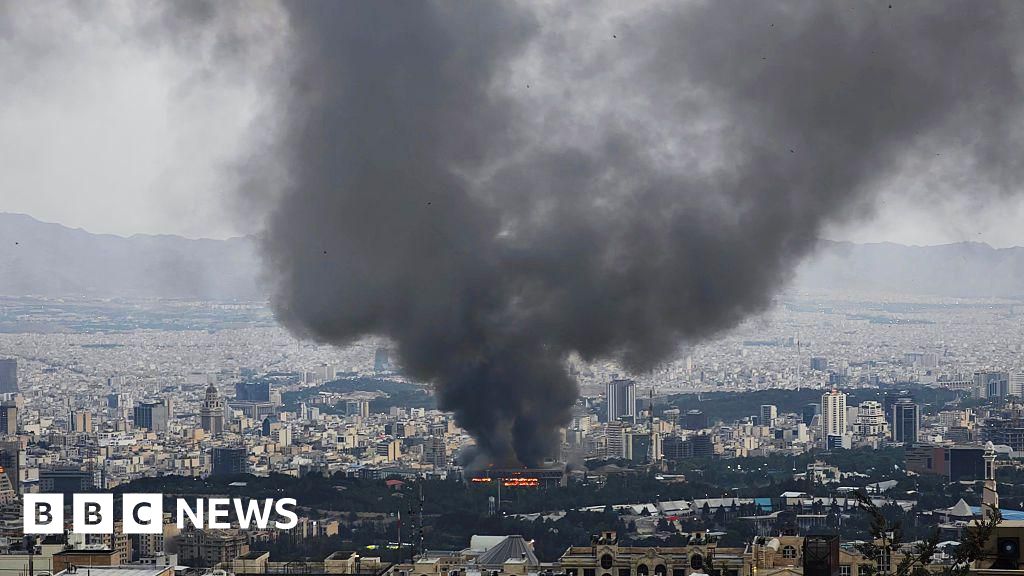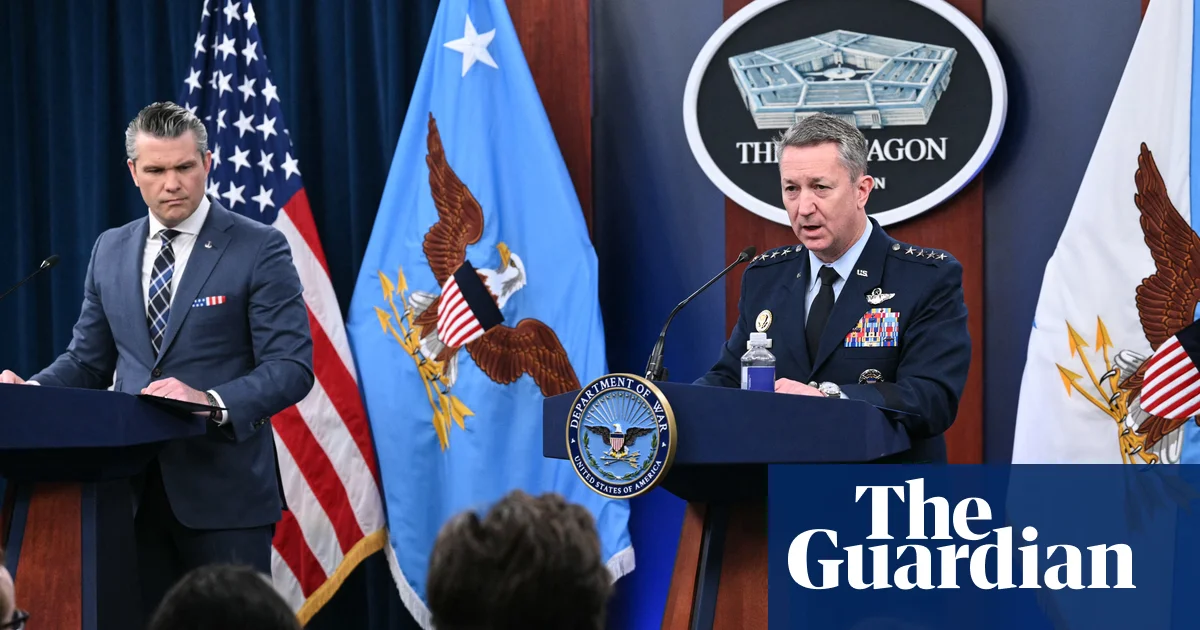

The United States finds itself at a critical crossroads amid mounting tensions in the Middle East. Reports indicate that the Pentagon is actively preparing for potential ground operations in Iran, signaling a dramatic escalation in a region already fraught with geo-strategic conflict. As thousands of US troops are repositioned to the area, the decision to pursue limited raids or more comprehensive deployments carries profound geopolitical impact. Analysts warn that such moves could represent a significant shift in US foreign policy—leaving behind the era of cautious, often covert, military interventions in favor of openly confrontational tactics. The decision-making process, largely opaque, is fraught with controversy and uncertainty, especially with President Donald Trump yet to formally endorse any specific plan, fearing public backlash and political repercussions.
Within the US political landscape, there is a palpable debate over the constitutional authority to deploy troops into Iran. Some figures, like Senator James Lankford, emphasize the importance of clear objectives and limits, cautioning against open-ended commitments that could trap US forces in a protracted conflict. His remarks reflect a broader concern that unchecked military escalation could spiral into a full-scale war—something many lawmakers and American citizens alike are wary of, especially after the costly interventions in Iraq and Afghanistan. Meanwhile, Congress remains divided, with previous war powers resolutions having been rejected, allowing the executive branch considerable latitude in military actions. The Pentagon’s request for an additional $200 billion in military funding underscores the seriousness of these plans and the implications for national debt, global stability, and American influence on the world stage.
In the international arena, Iran has issued stark warnings, with Parliamentary Speaker Mohammad Bagher Ghalibaf threatening to set US ground troops “on fire.” Iranian officials have also hinted at countermeasures targeting US interests, including universities and regional alliances. The Revolutionary Guard claims it is poised to retaliate against US and Israeli strikes, raising fears of a broad regional conflict. Such rhetoric underscores how brinkmanship could spiral out of control, with analysts noting that the confrontation is no longer limited to diplomatic exchanges but threatens to ignite a wider war involving multiple nations. Historically, Iran has demonstrated a willingness to escalate militarily when pressed, making any US ground intervention a highly volatile pivot point with unpredictable consequences.
The geopolitical landscape is shifting rapidly, with Israel and Arab nations uniting against the perceived threat of a nuclear-armed Iran—an alliance that policymakers say underscores the serious danger of unchecked regional conflict. For some analysts, these developments echo the precipice of a new, broader confrontation in one of the world’s most sensitive zones. If the US proceeds with military action, it risks destabilizing an already fragile balance, while fueling anti-American sentiments that could linger for generations. As congressional leaders debate funding and legitimacy, and Iran signals potential escalation, history warns us—these moments of crisis often define the trajectories of nations for decades to come. The weight of decision now hangs heavy, as history continues to unfold, and the echoes of future conflicts begin to murmur just beneath the surface of geopolitical shifts. The world watches, awaiting the next chapter in a saga that could determine the fate of global peace and security.