
Matox News

Truth Over Trends, always!

Starmer demands Travelodge chief address MPs on sexual assault allegations

In an increasingly interconnected and vigilant world, domestic security breaches quickly escalate into matters of international concern. The recent scandal involving Travelodge—a prominent hotel chain—has not only ignited outrage within the United Kingdom but also prompted a broader debate on the responsibilities of global corporations in ensuring safety and security. The case of Kyran Smith, a convicted sexual offender who unlawfully accessed a woman’s room after staff facilitated his entry, underscores the critical importance of security protocols in hospitality establishments that serve millions. Prime Minister Keir Starmer has formally demanded accountability from Travelodge, insisting on swift and comprehensive reforms to prevent future tragedies, thus illustrating the rising influence of national entities in regulating corporate conduct amidst rising concerns over security lapses.

  • The incident has prompted over 20 MPs to request an urgent hearing with Travelodge executives, highlighting the heightened political sensitivity surrounding security failures in key industries.
  • Starmer’s intervention emphasizes a broader geopolitical trend: governments increasingly hold corporations accountable for safeguarding citizens, reflecting a shift from laissez-faire approaches to explicit regulatory oversight.
  • Travelodge’s commitment to an independent review led by KC Paul Greaney signals an attempt to assuage public and political fears, yet critics question whether corporate reforms can keep pace with evolving threats.

Leading international organizations and security analysts warn that isolated incidents such as this serve as warnings of systemic vulnerabilities in the private sector’s infrastructure. Globally, the case resonates far beyond this single hotel chain, embodying the ongoing debate about the effectiveness of corporate governance in protecting vulnerable populations. Historians remind us that such scandals often catalyze significant legislative or regulatory shifts; the challenge lies in translating these responses into tangible protections. Meanwhile, experts caution that superficial changes—like upgraded access controls—must be followed by a cultural shift within corporations to prioritize security as an integral part of their operational ethos.

The geopolitical impact of the Travelodge case extends beyond Britain. As nations grapple with internal threats—from terrorism to organized crime—how multinational firms manage security reflects a global struggle to secure societies against internal vulnerabilities. This incident also underscores how local security failures can have ripple effects, affecting diplomatic relations, investor confidence, and international perceptions of safety. Countries with emerging markets and growing tourism sectors are now watching closely, recognizing that security protocols are not just a matter of customer service, but a fundamental element of national resilience in a rapidly volatile world stage. Historian and analyst commentary point to this event as a potential turning point—highlighting the necessity for corporate accountability within the larger framework of national security policy.

As the case unfolds, destinies remain intertwined with the decisions made today. Travelodge’s response, the political will to enforce tighter standards, and societal calls for change illustrate that history is not a static narrative but a continuous story—a story where the line between commercial enterprise and national security sharply blurs. The weight of these events reminds us that each misstep can become a catalyst for deeper transformation. In the shadow of future crises, the question echoes: will this be a moment remembered as a catalyst for meaningful change, or merely a fleeting scandal amidst the relentless march of history?
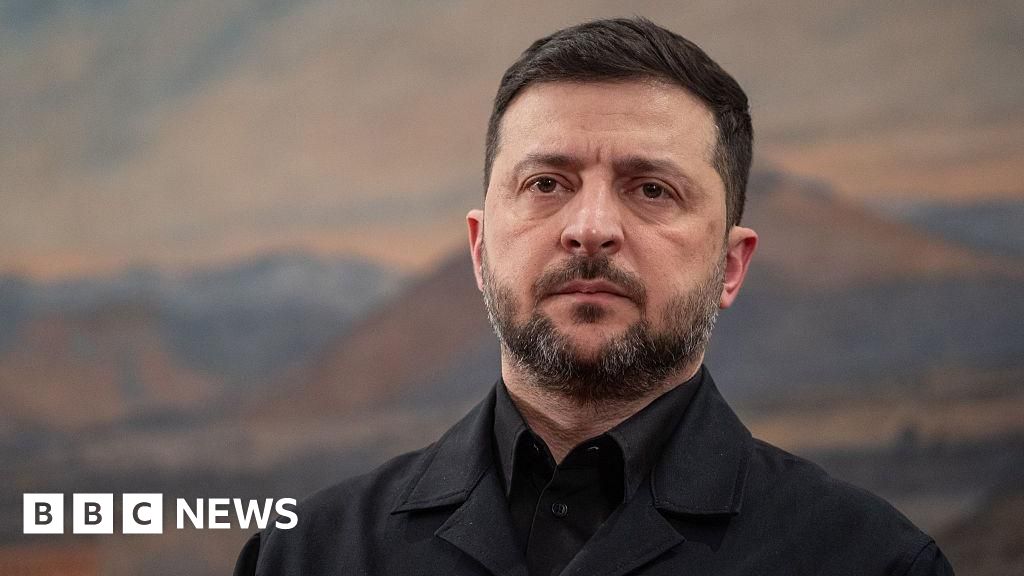

Zelensky to address Trump after US backs Russia-Ukraine peace plan

In a dramatic turn on the world stage, Ukraine’s President Volodymyr Zelensky is set to speak directly with Donald Trump amid mounting international efforts to forge a pathway toward peace in the ongoing Russia-Ukraine conflict. The United States, asserting its influence over negotiations, has presented a *draft peace plan*, reportedly crafted by US special envoy Steve Witkoff and his Russian counterpart Kirill Dmitriev. Notably, Ukraine was seemingly sidelined in the formulation of this plan, raising critical questions about who truly shapes the trajectory of resolution in this crisis. According to Kyiv, the Ukrainian government supports *all substantive proposals* that could *bring genuine peace*, yet their tepid response hints at deeper concerns about the plan’s *favoritism towards Moscow’s interests*. Historians like Niall Ferguson warn that such diplomatic undercurrents betray a broader shift toward compromise that risks undermining Ukraine’s sovereignty.

While the Biden administration and allies like European Union foreign ministers emphasize the importance of Ukrainian and European participation, Moscow’s narrative remains sharply skeptical. Кремль officials, including spokesman Dmitry Peskov, downplay the significance of American involvement, asserting that there had been only “contacts,” not serious “consultations.” Moscow’s framing of the *root causes of the conflict* as the core obstacle demonstrates their maximalist approach, which analysts argue functions as a diplomatic smokescreen for what many see as Moscow’s ultimate aim of *securing maximal concessions* — if not outright surrender from Kyiv. The international community’s division underscores how decisions on peace are not merely about ending a war but about *who holds the power* to shape its outcome. Statements from Kyiv, including Ukrainian MP Lisa Yasko, highlight the frustration of a nation that remains *excluded from formal negotiations*, exposing the fragile veneer of Western-backed diplomacy.

Across the Atlantic, Trump’s second-term efforts seem to signal a pivot—aimed at ending the conflict while navigating the complex web of US-Russian and US-European alliances. Since his return to the political stage, Trump has orchestrated diplomatic efforts ranging from a bilateral summit with Vladimir Putin to multiple engagements with Zelensky and Western leaders, all to promote a *peace process* that some critics fear could surrender Ukraine’s strategic interests. Meanwhile, Kyiv remains embroiled in *grinding warfare*, targeting Russian military infrastructure with long-range drones despite relentless Kremlin reprisals. Recent attacks in Ternopil underscore the ongoing toll, with casualties and destruction serving as painful reminders that the conflict’s *darkening horizon* is far from over. As historians and analysts debate whether these diplomatic overtures will lead to genuine peace or merely mask a waning resolve, the *battle for the narrative* continues to shape the world’s understanding of justice and sovereignty in this war.

Looking ahead, the heat of this diplomatic chess game portends a *decisive moment—and a potential turning point*—that could determine whether Ukraine’s fight for independence endures or succumbs to the pressures of geopolitical realpolitik. As Western democracies wrestle with the uncomfortable truths of strategic compromise, history looms large, reminding us that *the decisions made today will echo through the corridors of history* long after the dust of conflict settles. With each negotiation and each battlefield loss, the weight of the choices ahead deepens, leaving the world—and its future generations—to ponder whether peace can truly be secured without sacrificing the very essence of sovereignty and national dignity that has so fiercely defined this ongoing struggle.

Andrew Should Address Epstein Questions Stateside, Say Democrats—Hold Him Accountable

Deepening Turmoil in the Royal Realm: Prince Andrew’s Stripping and Changing Tides of Power

The recent decision by King Charles to strip Prince Andrew of his royal titles marks a significant moment in the evolving landscape of Britain’s monarchy. After months of mounting pressure surrounding Andrew’s alleged connections to Jeffrey Epstein and the accompanying accusations, the royal family made a decisive move rooted in both public sentiment and the desire to uphold institutional integrity. This chapter underscores a broader shift in how influential figures are held accountable, reminding us that even the most entrenched symbols of tradition must adapt to the modern world’s demand for transparency and justice.

While Andrew has consistently denied all allegations, the controversy surrounding his ties to Epstein has cast a long shadow over the monarchy. The fact that Andrew’s social circle included notorious figures and that he maintained contact with Epstein well after allegations surfaced exemplifies how interconnected power, privilege, and controversial associations can be in the arena of high society. Public figures and wellness advocates alike are urging those with privileged access to cooperate fully with investigators, emphasizing the importance of accountability in shaping a healthier societal framework. The case serves as a stark reminder that **personal impact**—both on reputation and mental well-being—can be profound when societal expectations clash with personal conduct.

Calls for Transparency and Justice: The Role of Citizen and Political Engagement

Across the Atlantic, U.S. Congress and the media are sharpening their focus on Andrew, urging him to voluntarily testify about his relationship with Epstein. Several influential voices, including Congressman Suhas Subramanyam and Raja Krishnamoorthi, have expressed a willingness to issue subpoenas, underscoring the importance of uncovering truth—not just for justice for victims but to prevent similar cases in the future. For young listeners in particular, this ongoing saga highlights a vital lesson: accountability isn’t only about facing repercussions but about forging a society where transparency is the standard, not the exception. The narrative encourages a new generation to appreciate the value of integrity, resilience, and standing up for what’s right.

In parallel, *wellness experts* and advocates for personal responsibility emphasize that honest engagement with difficult issues is a cornerstone of healthy societal evolution. As the media and public scrutinize Andrew’s reluctance to cooperate, the emphasis shifts toward fostering a culture where truth-telling is revered regardless of privilege. The same principles are echoed in discussions about wellness: facing uncomfortable truths is often the first step toward genuine growth and harmony. These discussions reinforce the idea that *true strength* lies in honesty, and that embracing accountability can lead to a more resilient society.

Beyond the Headlines: Reflection on Power, Privilege, and Personal Growth

As the royal saga unfolds, it leaves viewers pondering the *true nature of influence and responsibility*. The monarchy, historically a symbol of continuity, now finds itself grappling with the fundamental question: How do institutions remain relevant when their members are called to account? The case of Andrew exemplifies a larger societal trend—the shifting sands of power—where old hierarchies must adapt or risk obsolescence. For young individuals navigating their own paths, this story offers a narrative of **personal impact**: the importance of standing firm in convictions, embracing transparency, and valuing integrity over fleeting prestige. It’s a reminder that, in the journey of life, authentic growth often begins with facing uncomfortable truths and committing to lifelong learning.

  • Stay informed—knowledge is power. Understanding complex issues helps shape well-rounded perspectives.
  • Embrace transparency in personal endeavors; integrity builds lasting influence.
  • Recognize that societal progress often requires courage to confront uncomfortable realities.

Ultimately, the story of Prince Andrew is more than a royal scandal; it is a chapter in the ongoing narrative of a society determined to define its future based on truth, accountability, and resilience. As the world watches, each individual is called to reflect on their own journey and how they can contribute to a society where *honesty* and *responsibility* reign supreme. It reminds us that even amidst controversy and upheaval, the path forward is paved by those willing to confront the shadows and seek the light of genuine integrity.

Social Media Auto Publish Powered By : XYZScripts.com



