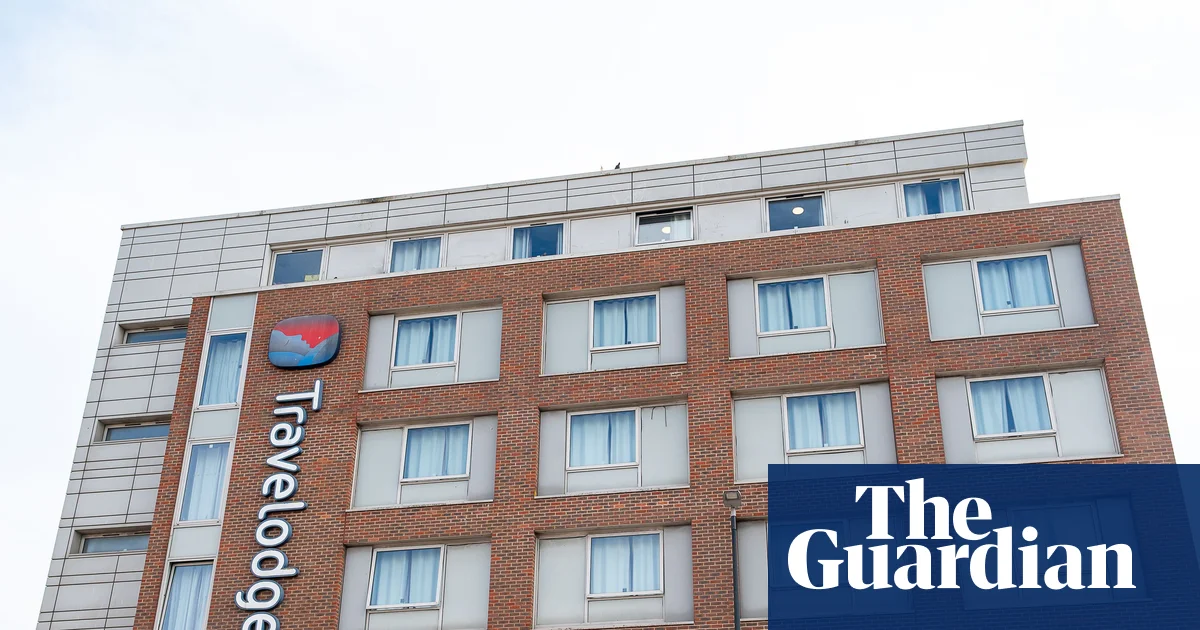
In an increasingly interconnected and vigilant world, domestic security breaches quickly escalate into matters of international concern. The recent scandal involving Travelodge—a prominent hotel chain—has not only ignited outrage within the United Kingdom but also prompted a broader debate on the responsibilities of global corporations in ensuring safety and security. The case of Kyran Smith, a convicted sexual offender who unlawfully accessed a woman’s room after staff facilitated his entry, underscores the critical importance of security protocols in hospitality establishments that serve millions. Prime Minister Keir Starmer has formally demanded accountability from Travelodge, insisting on swift and comprehensive reforms to prevent future tragedies, thus illustrating the rising influence of national entities in regulating corporate conduct amidst rising concerns over security lapses.
- The incident has prompted over 20 MPs to request an urgent hearing with Travelodge executives, highlighting the heightened political sensitivity surrounding security failures in key industries.
- Starmer’s intervention emphasizes a broader geopolitical trend: governments increasingly hold corporations accountable for safeguarding citizens, reflecting a shift from laissez-faire approaches to explicit regulatory oversight.
- Travelodge’s commitment to an independent review led by KC Paul Greaney signals an attempt to assuage public and political fears, yet critics question whether corporate reforms can keep pace with evolving threats.
Leading international organizations and security analysts warn that isolated incidents such as this serve as warnings of systemic vulnerabilities in the private sector’s infrastructure. Globally, the case resonates far beyond this single hotel chain, embodying the ongoing debate about the effectiveness of corporate governance in protecting vulnerable populations. Historians remind us that such scandals often catalyze significant legislative or regulatory shifts; the challenge lies in translating these responses into tangible protections. Meanwhile, experts caution that superficial changes—like upgraded access controls—must be followed by a cultural shift within corporations to prioritize security as an integral part of their operational ethos.
The geopolitical impact of the Travelodge case extends beyond Britain. As nations grapple with internal threats—from terrorism to organized crime—how multinational firms manage security reflects a global struggle to secure societies against internal vulnerabilities. This incident also underscores how local security failures can have ripple effects, affecting diplomatic relations, investor confidence, and international perceptions of safety. Countries with emerging markets and growing tourism sectors are now watching closely, recognizing that security protocols are not just a matter of customer service, but a fundamental element of national resilience in a rapidly volatile world stage. Historian and analyst commentary point to this event as a potential turning point—highlighting the necessity for corporate accountability within the larger framework of national security policy.
As the case unfolds, destinies remain intertwined with the decisions made today. Travelodge’s response, the political will to enforce tighter standards, and societal calls for change illustrate that history is not a static narrative but a continuous story—a story where the line between commercial enterprise and national security sharply blurs. The weight of these events reminds us that each misstep can become a catalyst for deeper transformation. In the shadow of future crises, the question echoes: will this be a moment remembered as a catalyst for meaningful change, or merely a fleeting scandal amidst the relentless march of history?