Matox News

Truth Over Trends, always!

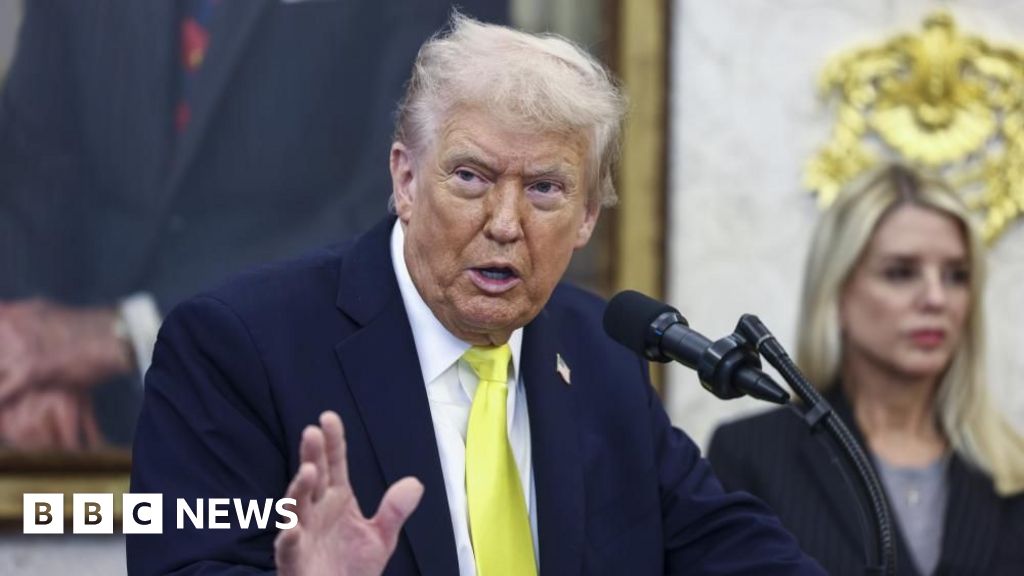
Trump Affirms Authorization of CIA Operations in Venezuela

The United States has taken a dramatic shift in its policy towards Venezuela, confirming that it has authorized the CIA to engage in covert operations within the South American nation. This move, announced by President Donald Trump, signals an escalation in the ongoing struggle for influence and control over Venezuela’s vast natural resources and strategic position. The US’s increased military posture, which includes deploying eight warships, a nuclear submarine, and fighter jets to the Caribbean, underscores a broader aim to counter what Washington perceives as illicit activities, namely drug trafficking and potential regime destabilization.

The US leadership openly admits to considering *further strikes* on suspected drug-carrying vessels, with recent operations killing 27 individuals in what critics have labeled *extrajudicial executions*. These strikes exemplify a hawkish approach in American foreign policy, driven by the desire to disrupt regional black markets linked to the so-called *Cartel of the Suns*—allegedly comprising high-ranking Venezuelan military figures. While the US administration claims that these actions are justified by concerns over drug trafficking and illegal immigration, critics from the United Nations and international human rights organizations argue that such operations undermine international law and threaten regional stability. The ideological divide deepens as Caracas responds with military exercises, mobilizing the country’s military, police, and civilian militias in a show of defiance against what it considers US interference.

Analysts point out that this escalation is emblematic of the larger geopolitical tug-of-war between the US and Russia and China—who have historically backed Venezuela’s government. While the US aims to dislodge Maduro’s regime, perceived by Washington as illegitimate following disputed elections, Caracas maintains that such actions are part of a broader conspiracy to *plunder its rich oil reserves*. The Venezuelan leadership has issued stark warnings, mobilizing its military and civilians to defend the nation and rallying the population by invoking the legacy of liberation hero Simón Bolívar. “Let no aggressor dare” resounds through official channels, underscoring how deeply entrenched the conflict is within the national consciousness.

According to respected international organizations and foreign policy experts, these developments could have profound long-term effects on regional stability and global energy markets. The US perceives Venezuela’s oil wealth as a prize worth fighting for, and its actions risk igniting broader conflicts in Latin America. Historian and geopolitical analyst John Smith warns that this renewed brinkmanship echoes Cold War-era interventions, which often resulted in protracted instability and humanitarian crises. As Maduro and his supporters dig in, the world faces a pivotal moment—one that could redefine the future of the Americas and challenge the rules-based international order itself. As history continues to unfold, the weight of these decisions will echo through generations, with the very fabric of sovereignty and international law hanging in the balance.
Russia’s Foreign Minister Affirms No Plans to Attack EU or NATO Nations

Geopolitical Flashpoints and the West’s Response: A World on Edge

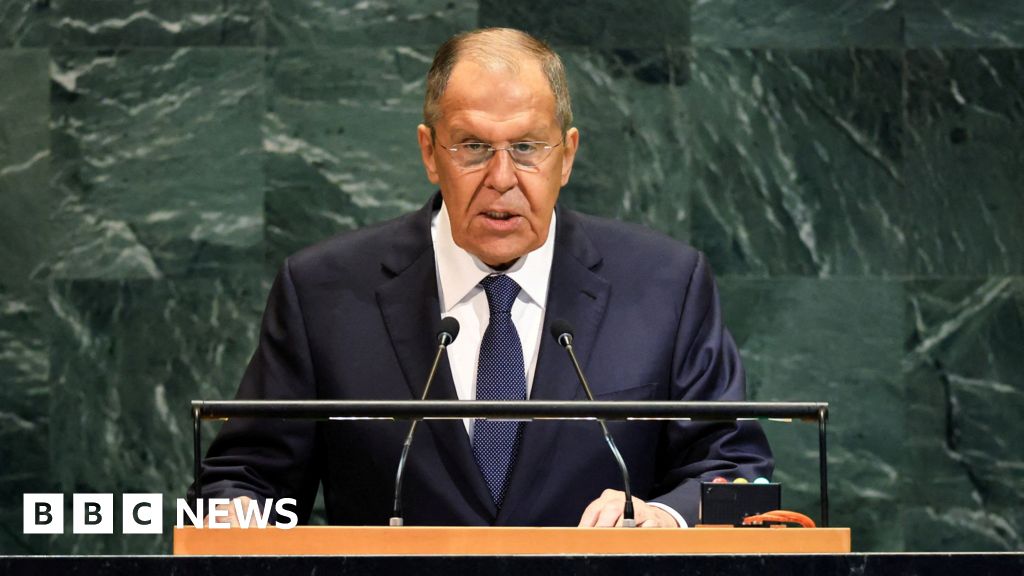
As Russia reaffirms its stance at the UN General Assembly, the world watches with increasing concern. Foreign Minister Sergei Lavrov declared that Russia has no intention of attacking EU or NATO member states but warned of a “decisive response” to any perceived aggression. His remarks come amid rising tensions in Europe, where reports of Russian drone flights over Danish airports and incursions into Estonian airspace have heightened fears of a new Cold War confrontational dynamic. NATO has responded with a series of rapid defense measures, including air patrols over Poland, signaling that the alliance is prepared to defend its members should provocations escalate.

Meanwhile, the simmering conflict in the Middle East remains a focal point of international instability. Lavrov condemned the recent attacks by Hamas on Israel, emphasizing that Russia believes there is no justification for the brutal killings of Palestinians in Gaza or for Israel’s plans to annex parts of the West Bank. As reports indicate that over 65,000 people have been killed in Israeli strikes, with some 1,200 victims of Hamas attacks, the region teeters on the brink of a larger conflagration. Russia’s stance underscores the growing divide: Western nations largely support Israel, while Russia advocates for a more balanced approach, criticizing what it calls “Israeli aggression” that threatens regional stability. These developments could have profound geopolitical impact, fueling broader alliances and conflicts worldwide, especially given Moscow’s accusations of U.S. and Western involvement in destabilizing the region.

On the diplomatic front, Lavrov highlighted that Western efforts to reimpose sanctions on Iran were unlawfully sabotaged, reflecting Moscow’s opposition to Western policies that threaten to destabilize the region further. As sanctions are set to reenter force, Russia and China remain committed to resisting U.S.-led economic pressures, signaling a shift towards a more multipolar power structure. Analysts warn that this reinforcement of alliances could cement a new geopolitical landscape, challenging U.S. hegemony and Western diplomacy, while fostering a dangerous divergence in international norms.

The United States, under the recent comments of Donald Trump, seems to adopt a more aggressive stance. Trump’s suggestion that NATO nations should shoot down Russian planes in their airspace exemplifies a dangerous escalation that risks sparking open conflict. NATO’s warning that it will deploy “all necessary military and non-military tools” underscores the fragile state of peace. As these developments unfold, historical voices warn that the world might be approaching a turning point—one where diplomacy could be overshadowed by escalation, pushing humanity closer to a potential battlefield of global proportions. The unfolding narrative reminds us that the choices made today by powerful nations will echo through the corridors of history, shaping the future of global stability and peace.

Social Media Auto Publish Powered By : XYZScripts.com


