Matox News

Truth Over Trends, always!

Women Reinvent Chess for the Digital Age with Fast-Paced Matches and Viral Content

In recent years, the landscape of competitive chess has witnessed a remarkable transformation fueled by the rise of women content creators. Historically viewed through a traditional lens as an “old man’s game,” chess is now undergoing a dynamic shift driven by the digital age’s innovators. Digital platforms such as Twitch and YouTube have become the new battlegrounds where young women are redefining the game’s cultural identity, making it more accessible to diverse audiences across the globe. This change not only challenges long-standing stereotypes but also signals a broader geopolitical impact on gender roles within intellectual pursuits and digital economies.

The influence of these women has profound implications beyond mere entertainment. As noted by international chess organizations and sociologists, the empowerment of women in chess content creation correlates with increased participation of girls and young women in the sport. Such shifts threaten the old intellectual hierarchy, prompting a reconsideration of who can be a chess ambassador in the modern era. Countries like Russia, India, and the United States, where chess has historically been political and cultural territory, are observing how these digital advocates reshape the game’s societal perception. Many analysts argue this is a pivotal *turning point* in the fight for gender equality in STEM and strategic games, positioning chess not merely as a pastime but as a platform for cultural change.

Major international organizations—including the FIDE (Fédération Internationale des Échecs or International Chess Federation)—are increasingly recognizing the importance of these digital influencers. In a recent report, the organization highlighted how these content creators are expanding the game’s reach, especially among youth who are more inclined towards interactive media. Historians and analysts stress that such shifts could recalibrate the political and cultural narratives tied to chess, fostering a new era of global competitiveness rooted in digital engagement. Given the strategic importance of information and culture in geopolitical rivalries, the emergence of diverse new voices is seen as both an opportunity and a challenge for traditional power structures.

As the world watches this unfolding saga, one cannot ignore the broader implications. Decisions made today about inclusion and digital innovation will shape the fabric of international relations tomorrow. Young women rising as chess content creators are not just changing the game—they’re rewriting the rules of influence, power, and cultural identity on a global stage. The stakes have never been higher, and as history continues to be written, the true impact of this digital revolution remains an empire in the making—where every move counts and the destiny of an old game is forever being remade.

Spotify’s Listening Age Feature Sparks Debate: A Fresh Take on Youth Culture and Identity

In an era where digital consumption shapes our very understanding of identity and tradition, the recent phenomenon of Spotify’s “Wrapped” feature highlights a paradox at the core of modern culture. This annual ritual, which provides personalized insights into one’s musical preferences, has become a mirror reflecting not just our taste but our generation—a cultural signpost forged by the relentless march of technology. What’s fascinating is how this data-driven exercise—from estimating listening age to choosing the most streamed artists—serves as a cultural ledger, recording our commitments to the past and aspirations for the future. As Ortega y Gasset observed, culture is the vapor of the masses, yet within that vapor lies a powerful affirmation of collective memory and societal identity.

Spotify’s playful hypothesis about our “listening age”—derived from a mash-up of the “reminiscence bump” and algorithmic estimations—reveals much about the narratives we tell ourselves through music. It can project a 19-year-old into their seventies or a middle-aged parent into their teens, exposing the fluidity and malleability of cultural memory. As Tocqueville might suggest, these digital reflections shape the habits of the mind that underline societal cohesion. For the young, it’s an act of rebellion, a declaration of allegiance to the cultural icons of their moment; for the older, a nostalgic salute to bygone eras. Yet, beneath the surface, these insights also expose how technology commodifies even our very sense of self, turning preferences into data points—making our cultural identities into marketable commodities.

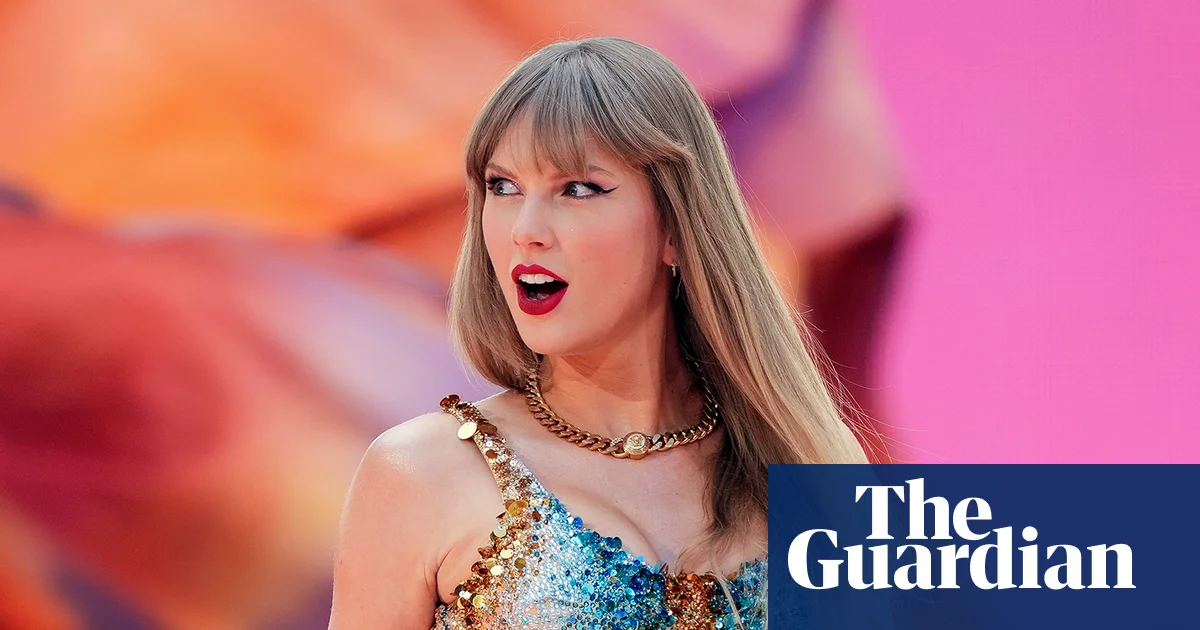
Undeniably, this digital exercise underscores a broader cultural trend: the push and pull of tradition and innovation. The fact that the artist Linda Ronstadt can influence a listener’s perceived age, or that the most streamed artists are often contemporary icons like Taylor Swift or The Weeknd, illuminates a society cradled by its collective musical heritage. As G.K. Chesterton once argued, “Tradition refuses to die—until death itself.” Today, that tradition finds new expression in algorithms—an extraordinary paradox—fueling a narrative where the preservation of cultural memory becomes intertwined with the spectacle of self-surveillance. In this, we see the seeds of a cultural evolution that may lead us to a new renaissance, not born of art alone, but of the human story itself.

When we consider the larger implications—such as Spotify’s entanglement with AI-generated content and controversial advertising campaigns—our view of culture broadens yet again. It’s not merely about music; it is about how a society embeds values, allegiances, and historical contours within its digital fabric. As Chesterton might warn, “When tradition is replaced by trending algorithms, society risks losing its roots and planting artificial forests of fleeting novelty.” Nevertheless, amidst the noise of corporate interests and political protests, the enduring truth remains: Culture is both memory and prophecy. It is the echo of our ancestors’ voices and the premonition of generations yet to come, whispering through the data and melodies that define us. As Eliot famously said, “What we call the future is a continuation of memory”—and in music, as in life, that continuity is what makes us truly human.

Texas centenarian bus driver, 95, defies age with no plans to stop

Age, Work, and Societal Shifts: The Lifelong Dedication of Raymond Hager Sparks Broader Reflections

In an era marked by mounting economic pressures and evolving social norms, the inspiring story of Raymond Hager, the 95-year-old bus driver from Texas, resonates as a microcosm of a worldwide phenomenon. Recognized by Guinness World Records as the oldest active bus driver, Hager’s unwavering dedication to his career exemplifies the changing landscape of work and retirement across nations. While his personal story focuses on individual perseverance, it also underscores the broader implications of demographic shifts, economic realities, and societal values, influencing international debates on aging, labor policies, and economic resilience.

Hager’s commitment to his profession reflects a broader trend—an aging workforce that challenges conventional retirement norms. In the United States, economic stagnation, soaring living costs, and stagnant wages are pushing individuals to extend their working years well beyond traditional retirement age. According to international labor analysts, this trend is not isolated; many advanced economies face similar realities, prompting policymakers to reconsider social security systems and labor laws. Experts point out that this shift could reshape national economies, strain social safety nets, and influence societal perceptions of aging. Nations such as Japan and Germany are already grappling with these complexities as their populations age at unprecedented rates, threatening to redefine productivity parameters and social cohesion on the global stage.

The international community observes such individual stories with mixed emotions. On one hand, they highlight resilience and personal purpose; on the other, they raise questions about how societies can sustain economic vitality and social stability amid demographic transformations. Global institutions like the United Nations and the World Bank have issued reports emphasizing the importance of adaptable socio-economic policies that address the aging phenomenon. These organizations warn that unprepared societies risk increased healthcare costs, labor shortages, and diminished economic growth if they fail to implement reforms that encourage lifelong employment and flexible work arrangements.

The geopolitical impact of these demographic trends extends further when considering international migration, workforce mobility, and shifting power dynamics. Countries with youthful populations, such as India and parts of Africa, could find themselves at the cusp of new economic opportunities by attracting aging professionals from the West. Meanwhile, nations with declining populations may become increasingly dependent on foreign labor, potentially fueling migration debates, diplomatic negotiations, and geopolitical alliances. These shifts will unquestionably influence global power balances, economic alliances, and even cultural perceptions of aging and productivity.

As this chapter of history continues to unfold, the story of individuals like Raymond Hager serves as a symbol of perseverance and an indicator of systemic change. His story is a reminder that societal progress demands adaptability—not only in laws and policies but also in cultural attitudes towards aging and work. With the weight of emerging demographic realities pressing down on national leaders worldwide, the legacy of such figures warns us that the future hinges on our ability to redefine aging—transforming it from a symbol of decline into one of enduring contribution. In the ongoing narrative of human history, the choices made today will resonate for generations, leaving an indelible mark on how societies will navigate the uncharted territories of aging and economic resilience.

Social Media Auto Publish Powered By : XYZScripts.com