
Matox News

Truth Over Trends, always!

New records reveal US citizen shot by federal immigration agent last year—under Trump admin

Unveiled Tragedy: The Deadly Shooting in Texas and Its Geopolitical Ramifications

In a case that embodies the murky intersection of domestic law enforcement and international border security, newly released records reveal a US citizen, Ruben Ray Martinez, was fatally shot last year by a federal immigration agent during a late-night traffic stop on South Padre Island. The incident, which took place in March 2025, remained under wraps for nearly a year, with authorities only releasing fragmentary details amid mounting questions about transparency and accountability. This tragedy is not an isolated event but part of a broader pattern—at least six deadly shootings by federal officers since the inception of a nationwide immigration crackdown under President Donald Trump’s administration. Such episodes illuminate an unsettling shift in the role of federal agencies in domestic law enforcement and raise pertinent questions about the impact on civil liberties and sovereignty.

From the perspective of international security and geopolitical impact, the incident underscores how U.S. immigration policies directly influence internal stability and perceptions abroad. As U.S. agencies intensify operations in territories bordering Mexico, especially amid the ongoing migration crisis, the risk of escalation and miscalculation increases. Analysts warn that such internal violence, often shielded from public scrutiny, can be exploited by foreign adversaries to undermine U.S. authority in the region. Moreover, controversies surrounding the incident have already ignited local protests and sparked accusations of excessive force—a phenomenon that echoes criticisms historically levied by international watchdogs against U.S. law enforcement.

According to documents obtained by

  • American Oversight

, the incident involved a Homeland Security Investigations (HSI) team collaborating with local police—highlighting the expanding role of federal agencies in routine law enforcement, especially in high-tension borders and tourist destinations. The shooting occurred after the driver, Martinez, allegedly accelerated towards an agent, prompting the latter to fire multiple rounds. Details remain scarce, with the names of the agents involved redacted; however, the incident raises crucial questions about treatment of civilians in police encounters and the lack of transparency that often accompanies federal operations. This opacity risks fueling distrust in institutions charged with enforcing the country’s laws, especially among communities of Hispanic descent, which are disproportionately targeted in immigration enforcement efforts.

From a broader geopolitical stance, international organizations like the United Nations and Human Rights Watch have long criticized such internal violence, framing it as symptomatic of a deeper crisis—that of mass migration, border security, and national sovereignty. Meanwhile, the U.S. government faces mounting pressure from segments of the media and political spectrum to justify these aggressive enforcement tactics. As historians and policy analysts observe, each of these incidents forms part of a larger narrative that could redefine America’s domestic and international stature. Will the nation address these underlying issues or continue on its current trajectory, risking further escalation and international condemnation? The unfolding story of Ruben Ray Martinez’s death remains a critical warning—one that signals a reckoning on questions of justice, policy, and power that will shape the fabric of the nation for decades to come.
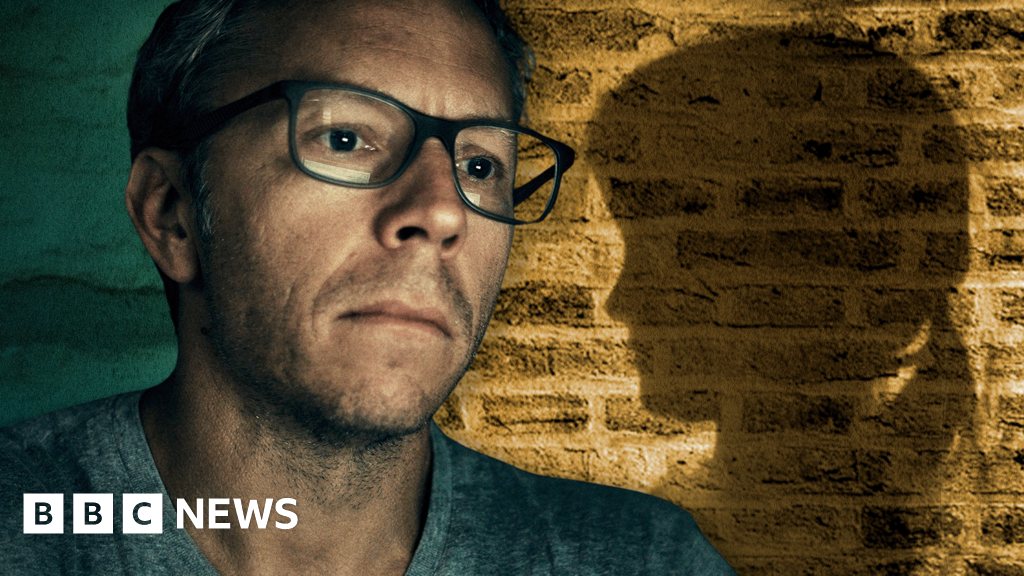
Dark Web Agent Finds Bedroom Clue, Rescues Girl from Years of Harm

In a harrowing case that underscores the alarming proliferation of online abuse, detectives around the world are racing against time to locate a 12-year-old believed to have been subjected to horrific content circulating across digital platforms. The child’s disappearance has sparked international concern, prompting law enforcement agencies and child protection organizations to collaborate on an unprecedented scale. What initially appeared as a routine investigation has unveiled a surprising lead, revealing how the digital realm continues to serve as a battleground for safeguarding vulnerable populations, especially minors.

The case has garnered attention far beyond local jurisdictions, highlighting the globally interconnected nature of modern crimes. Authorities in multiple nations have intensified efforts, leveraging technological intelligence and international cooperation mechanisms. The emergence of a promising lead came after detectives analyzed a series of digital footprints, which intriguingly pointed to a complex web of online exploitation that transcends borders. Experts from INTERPOL and Europol have emphasized the crucial role of cross-border intelligence-sharing in such cases, underscoring the urgent need for comprehensive digital safeguards. This case also underlines the importance of digital literacy and proactive measures in protecting children from predators lurking behind screens, which has become an increasingly pressing public-policy challenge.

Analysts and historians note that the current wave of online exploitation reflects broader societal and geopolitical shifts. The rise of encrypted communication channels, dark web markets, and anonymous social media platforms have enabled predators to operate with relative impunity. Moreover, the case reveals how regulatory gaps in various jurisdictions allow traffickers to exploit legal loopholes, which international institutions like the United Nations have criticized as an urgent issue requiring coordinated policy intervention. Such incidents emphasize a critical truth identified by security experts: as technology advances, so too must global responses to ensure the safety of future generations.

Elsewhere, political leaders have responded with decisive rhetoric, vowing to strengthen laws and increase surveillance to prevent similar tragedies. Yet, these efforts often clash with civil liberties concerns, raising complex questions about individual privacy versus collective safety. The case serves as a stark reminder to nations worldwide that the battle against online child exploitation isn’t just a local issue but a defining moral and geopolitical challenge of the digital age. With each new lead, the investigation narrows, but the shadows cast by digital predators continue to loom. As history unfolds, the world watches as brave agencies navigate these treacherous waters, knowing that the fight isn’t merely about catching authorities’ targets; it’s about safeguarding the future from the abyss that lies behind the glowing screens.

Microsoft’s new agent platform signals a rightward tech shift | The Verge

In an epochal shift within the technology landscape, Microsoft is positioning itself at the forefront of the AI revolution through groundbreaking developments unveiled at its recent GitHub Universe developer conference in San Francisco. As AI accelerates its encroachment into core facets of software development, disruption is becoming inevitable, signaling both opportunity and strategic recalibration for industry leaders.

The conference spotlight was on GitHub’s ambitious initiative to transform into an AI-powered coding hub with the introduction of Agent HQ. This new interface aims to serve as an ecosystem where outside coding assistants—including OpenAI’s Codex, Anthropic’s Claude Code, and emerging AI agents from Google, Cognition, and xAI—can seamlessly integrate with GitHub’s platform. These advances are designed to reinforce GitHub’s role as the connective tissue for AI-driven software development, effectively making it the central node where AI agents interact directly with vast codebases used by over 180 million developers globally.

  • Enhanced ecosystem openness, allowing multiple AI providers to plug into GitHub
  • Strategic move to maintain Microsoft’s centrality in the developer universe
  • Potential to embed AI as the default collaborator in coding workflows

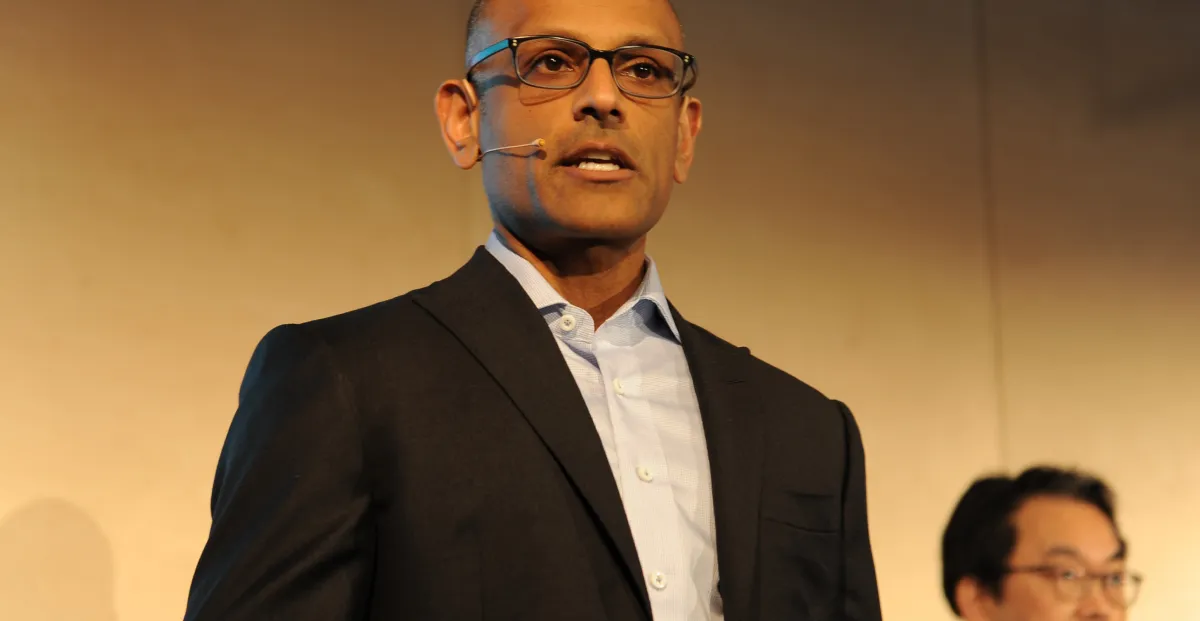
Such strategic positioning underscores a clear mandate: to remain indispensable in an industry on the cusp of profound transformation. Jared Palmer, GitHub’s new senior vice president, emphasized the goal of fostering an “arms-wide-open ecosystem” where developers retain control, regardless of which AI tools they adopt. As Microsoft’s Jay Parikh, overseeing CoreAI, articulates, the focus is on “building better tools and fostering choice,” as the company accelerates efforts to integrate AI into every layer of software infrastructure. This approach aligns with industry analysis from Gartner, which asserts that the next decade will see AI become embedded in nearly all development tools—disrupting traditional workflows and redefining efficiency thresholds.

The implications extend beyond mere productivity gains. With Microsoft’s deep-rooted partnership with OpenAI—cited explicitly by CEO Satya Nadella as the catalyst behind the surge of AI coding innovations—the company aims to dominate the emerging “AI code economy.” Nadella’s reference to “the billion to ten-billion happened at GitHub” highlights a pivotal trend: AI-generated code is not just augmenting human effort but fundamentally altering the creative and specification phases of software engineering. This evolution is increasingly pushing humans towards design, strategy, and oversight, while delegating routine coding tasks to powerful GPUs and AI agents. Harvard’s MIT AI Lab and industry insiders warn that such disruption could render traditional development paradigms obsolete unless companies adapt swiftly.

Looking ahead, Microsoft’s strategic focus on disruptive AI integration signals an urgent call to industry players: those who fail to adapt risk obsolescence in a fiercely competitive AI arms race. The converging force of innovation, strategic alliances, and ecosystem decentralization suggests a future where agility and openness are paramount. The industry must accelerate investment in AI infrastructure, talent, and alliances, recognizing that the next wave of technological dominance hinges on early, bold action. As Elon Musk and Peter Thiel have long warned, this is the era where the first movers will captivate the market—those who recognize the industry’s tectonic shifts now will shape the digital future or be swept aside.

Dua Lipa Clarifies Her Stance Amid Rumors of Agent Dismissal over Pro-Israel Opinions

In the ever-evolving landscape of modern culture, we witness a paradox where both its power to elevate human identity and its potential to fracture society are on display. The recent controversies surrounding high-profile figures like Dua Lipa and the Irish group Kneecap serve as potent illustrations of how contemporary artists embody not merely entertainment, but the essential threads woven into the fabric of societal identity. Culture, after all, is not a mere collection of trends; it is the very memory of a civilization, rooted in its past, yet prophetically shaping its future. When Dua Lipa publicly disavows false media narratives surrounding her association with political allies, she reclaims her voice amid a chaotic media landscape eager for sensationalism—a landscape that often forgets that culture is the dialogue of society through the ages. Her stand highlights the ongoing struggle to preserve a sense of authenticity and moral clarity in an era awash with clickbait and division, mirroring the philosophical insights of Ortega y Gasset who warned that the crucial task of culture is to maintain the continuity of identity amid relentless change.

The performance of Kneecap at Glastonbury underscores the tumult of artistic expression in a society that is increasingly divided along political lines. Despite calls for the band’s exclusion due to their political statements, they performed undeterred, leading chants such as “Free Palestine”. This act becomes emblematic of how music, as an art form, is intertwined with societal struggles—an echo of the cultural movements that redefine national consciousness, from the folk ballads of tradition to the rebellious chords of modern protest. Historian Tocqueville observed that democratic societies are often defined by their capacity to allow free expression, even when such expressions threaten social cohesion. Kneecap’s defiance and the public’s response reveal a society grappling with its identity—whether to uphold the chaos of free speech or to impose order through censorship. These moments remind us that culture is both a reflection and a forge of communal bonds; it is the voice of tradition echoing through the chaotic streets of progress.

Furthermore, the tone of these conflicts extends into the broader cultural debate surrounding values, moral judgment, and the role of influence. Dua Lipa’s vocal support for Gaza reflects a conscientious stance rooted in traditional notions of justice and human dignity—values that resonate deeply within Western cultural history. Yet, her stance also exemplifies how modern outlets are turning these spiritual convictions into symbols embroiled in a media tempest. Just as Chesterton warned of the peril of a society losing its moral bearings, the current cultural climate shows that once morality becomes politicized, it often devolves into a battleground for narratives that threaten the cohesion of society. The essence of this cultural moment lies in whether we defend the integrity of these shared values or allow them to be exploited for transient political gains. As history and philosophy suggest, when a nation’s culture is under threat, it is its shared memory and enduring principles that serve as the bulwark of stability and identity.

In contemplating this turbulent dance of culture, morality, and identity, we are reminded that the true significance lies beyond the spectacle; it resides in the silent, enduring memory of our ancestors and the prophetic visions of future generations. Culture is both the inheritance we cherish and the prophecy we forge. It is a living archive of humanity’s highest ideals and a testament to the resilience of the human spirit in its endless quest for meaning. As T.S. Eliot eloquently suggested, understanding the past is vital to shaping a future that respects its roots; for in the memory of human endeavors, we discover the blueprint of possibility. Culture, therefore, is neither static nor trivial—it is the heartbeat of civilization, echoing through time, whispering of humanity’s boundless potential to reconcile memory with prophecy, tradition with transformation.

Social Media Auto Publish Powered By : XYZScripts.com