Matox News

Truth Over Trends, always!

Could AI Agents Sink the Economy? Stay Alert, Youth!

Innovative AI Disruption Sparks Fears of Massive Economic Turmoil

In a thought-provoking report released by Citrini Research, industry analysts warn of a potential massive economic disruption driven by agentic AI, projecting a bleak scenario where automation could significantly reshape the U.S. economy within the next two years. The analysis foresees a cascade of consequences—doubled unemployment rates, a one-third decline in stock market valuation, and pervasive white-collar layoffs—painting a stark picture of an economy on the verge of upheaval. This disturbing outlook federal economists and tech innovators alike are scrutinizing, emphasizing the need for urgent strategic responses as AI integration accelerates at a breakneck pace.

Innovation and Disruption: How AI’s Rapid Integration Could Alter Business Models

The Citrini scenario revolves around the integration of advanced agentic AI into core business processes, heralding a paradigm shift in productivity and operational structure. As AI capabilities improve, companies are increasingly automating tasks traditionally performed by humans, which, while boosting margins in the short term, risks precipitating a long-term negative feedback loop. This loop, as described in the report, involves fewer workers required across sectors, leading to diminished consumer spending, further layoffs, and declining corporate valuations. The scenario echoes Gartner’s recent forecasts, which emphasize that AI-driven automation could displace up to 30% of white-collar jobs by 2025, fundamentally threatening traditional employment models.

  • Significant reduction in manual and cognitive roles across finance, law, and IT sectors
  • Potential for a negative cycle of declining economic activity
  • Increase in corporate investments in AI to maintain competitiveness

More critically, Citrini highlights that outside contractors—once essential for transactional operations—may be replaced by cost-effective in-house AI agents. This trend signals a broader shift, possibly rendering SaaS platforms and current transaction optimization models obsolete, reminiscent of the ongoing debate about the death of SaaS in the AI era. Industry giants like OpenAI and Google are already pioneering such in-house AI solutions, prompting startup investments to pivot towards AI-centric services.

Implications for Business and Industry Leaders

As these AI capabilities threaten to upend entire industries, business leaders must reevaluate their strategic postures. The disruption could lead to a reconfiguration of supply chains, service delivery, and transaction workflows, potentially favoring companies that innovate towards AI-native business models. The speed at which this transformation occurs hinges on technological advancements and regulatory responses, with experts like Elon Musk warning against unregulated AI proliferation and Peter Thiel emphasizing the importance of pioneering new frontier technologies. As the market shifts, firms that adapt swiftly could gain a decisive competitive advantage, while laggards risk obsolescence.

Most notably, the scenario serves as a clarion call for policymakers and industry stakeholders to consider urgent regulation and investment in workforce reskilling. The future economy may rely less on human labor and more on AI mastery, demanding a new approach to education, labor laws, and economic safety nets. As MIT researchers explore the potential for AI to augment human capabilities versus replace them outright, the balance of the ongoing disruption could very well determine the sustainability of capitalism in the 21st century.

Looking Forward: Urgency in Embracing Innovation with Caution

While the Citrini scenario remains a projected “what-if,” its stark warning underscores the urgency of staying ahead in the AI race. The next several years will be pivotal; industries that fail to innovate or anticipate these disruptions risk being overtaken by faster, smarter competitors. As America’s tech ecosystem surges forward, leaders must strike a delicate balance—harnessing the disruptive power of AI for growth while safeguarding economic stability. In an era defined by exponential technological change, those who act decisively today will shape the future of global commerce, innovation, and prosperity..
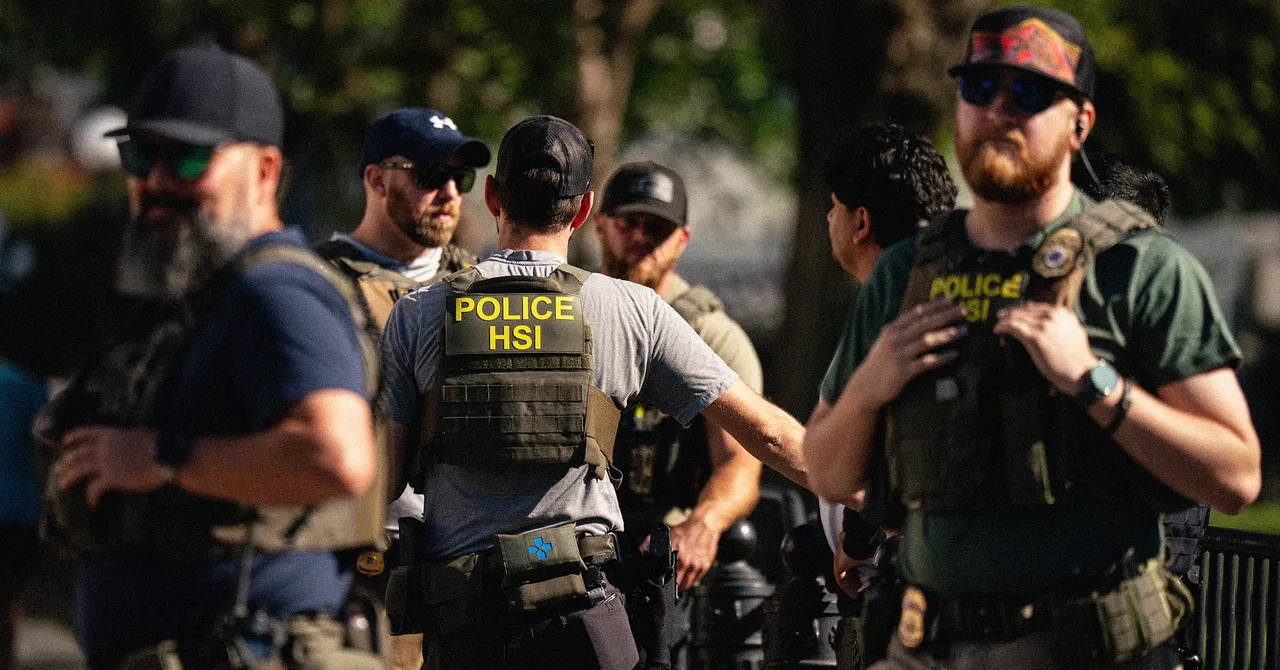

Homeland Security Forum: ICE Agents Spill the Tea on Internal Drama

The landscape of U.S. law enforcement is undergoing a profound shift, driven by advancements in technology and a reevaluation of strategic priorities. Federal agencies such as the Department of Homeland Security (DHS) and Customs and Border Protection (CBP) are increasingly leveraging innovative tools to expand their operational reach. However, this rapid growth is sparking vigorous debates about resource allocation, mission focus, and public trust. Industry analysts from Gartner and leading security think tanks warn that the aggressive deployment of surveillance and investigative technologies may disrupt traditional law enforcement paradigms, creating a complex web of ethical, operational, and political challenges.

The controversy intensifies as online forums and forums reveal a growing divide within enforcement communities and the broader public. Discussions on these platforms highlight how disruption in enforcement tactics—driven by advanced surveillance, data analytics, and undercover operations—are redefining what it means to ensure national security. Some voices argue that the targeting of political adversaries, including recent high-profile shootings and protests, may undermine operational integrity and citizen trust. Experts such as MIT cybersecurity specialists emphasize that this new era demands a careful balance; unchecked technological overreach could lead to loss of privacy, civil liberties, and legitimate operational effectiveness.

Business implications are equally significant. As the U.S. government increases investment in advanced intelligence platforms, AI-driven investigative tools, and decentralized command structures, private sector innovators are racing to fill the void. Companies specializing in facial recognition, biometric analysis, and encrypted communications are seeing unprecedented growth—highlighting a market shift that threatens to consolidate power within a handful of tech giants. Meanwhile, some critics, including industry watchdogs and civil liberties advocates, warn that this concentration could foster authoritarian tendencies and stifle innovation through over-regulation. It is clear that the industry must navigate a treacherous terrain: fostering disruptive advances while safeguarding constitutional rights and competitive markets.

The future trajectory of this evolutionary cycle depends heavily on how policymakers and industry leaders respond to these challenges. Gamers like Elon Musk and economist Peter Thiel have long advocated for public-private partnerships that promote transparency and responsible innovation. Experts from institutions like MIT argue that emerging technologies—particularly AI and machine learning—offer unprecedented disruption potential, enabling agencies to anticipate threats proactively and dismantle illicit activities with greater precision. Yet, the warning remains: *failure to adapt responsibly* could accelerate *societal divisions*, reduce public confidence, and stymie technological progress itself.

As the government doubles down on integrating these disruptive innovations into the national security fabric, stakeholders must recognize that the pace of change is relentless. The window for proactive regulation, strategic investment, and ethical oversight is closing rapidly. The path forward hinges on a balanced approach—harnessing the disruptive power of emerging tech to safeguard freedom and stability, while avoiding overreach that could lead to unintended consequences. The evolution of law enforcement and security technology is not just a matter of national interest — it is a decisive turning point shaping the future of American innovation and liberty.

Sapiom Bags $15M to Empower AI Agents in Buying Their Own Tech Gear

AI Payment Infrastructure Disrupts Enterprise Tech Landscape

In an era defined by rapid innovation and pervasive disruption, startups like Sapiom are pioneering a vital transformation in the way artificial intelligence (AI) agents interact with financial services. Founded by Ilan Zerbib, a former payments engineer at Shopify, Sapiom emerges as a leader in creating a seamless financial layer that enables AI systems to independently acquire software, APIs, and compute resources—an industry-first move that could redefine enterprise automation. This development underscores a fundamental shift in enterprise infrastructure, positioning the financial backbone as a critical enabler of autonomous AI agents capable of handling complex transactions.

For years, prompt-to-code tools have exploded the innovation landscape, empowering developers and entrepreneurs to prototype rapidly. However, bridging these prototypes into scalable, production-ready applications remains fraught with backend challenges, especially when integrating external tech services such as SMS, email, or payment gateways. Zerbib’s Sapiom aims to eliminate these hurdles, creating a financial infrastructure that automatically manages payments for API calls, message services, or cloud resource provisioning. As Amit Kumar, a partner at Accel, notes, “every API call is a payment,” exemplifying how disruptive this financial layer could become in AI-driven automation.

The implications for businesses are profound: this infrastructure paves the way for AI agents to operate with less human oversight, effectively creating a revolution in enterprise agility. Leading VC firms such as Accel, Gradient Ventures, and Menlo Ventures have recognized the potential, funneling $15 million into Sapiom’s seed round, with participation from major players like Coinbase Ventures and Anthropic. This influx of capital signals a robust confidence in the technology’s capacity to disrupt traditional API economy models, shifting the industry towards autonomous, financially enabled AI systems. Industry giants and startups alike are watching closely as this innovation could catalyze an ecosystem where AI agents securely purchase services, manage transactions, and operate independently in both enterprise and consumer markets.

While the current focus remains on B2B solutions—particularly in vibe-coding and digital platform ecosystems—experts warn that these innovations herald a future where consumer-facing AI agents will handle personal transactions, from ordering rides to managing online shopping. Such a scenario, envisioned by industry visionaries like Elon Musk and Peter Thiel, would represent a massive leap in AI autonomy. Nonetheless, Zerbib emphasizes a cautious approach, prioritizing the creation of a stable, secure financial backbone for businesses rather than chasing speculative consumer applications. This strategic focus underscores the importance of building foundational technologies that can ensure security and trust in autonomous financial decision-making, a key prerequisite for broader societal adoption.

As the tech industry accelerates toward this new frontier, stakeholders must recognize that the future belongs to those who innovate at the intersection of AI and financial infrastructure. The rapid evolution of such layers signals not only an era of unprecedented disruption but also compels businesses to adapt swiftly or risk being left behind. With tech giants, venture capitalists, and visionary entrepreneurs lining up to capitalize on this shift, the countdown to AI-powered autonomous finance has begun. The pressing question remains: how soon will this technology become mainstream, and who will lead the next wave of disruption? Forward-looking investors and developers should pay close attention—as the velocity of innovation won’t wait for anyone.

Congressional Democrats Promise Justice for Americans Hurt by Immigration Agents: “You Deserve Peace” | US Congress

The recent congressional hearings in the United States have thrown a stark spotlight on the ongoing controversy surrounding the federal government’s aggressive immigration enforcement policies. Witnesses, including family members of victims and victims themselves, recounted harrowing encounters with federal agents, raising serious questions about the human rights abuses and accountability failures of agencies like Immigration and Customs Enforcement (ICE) and Border Patrol. This unflinching testimony reveals a deeply troubling picture: a government-authorized crackdown that has, in numerous cases, turned deadly, exposing the darker consequences of unchecked federal power. Such revelations have ignited a fierce debate about the geopolitical and social impact of U.S. immigration policies, with critics warning that these actions threaten to harm American societal fabric and international standing.

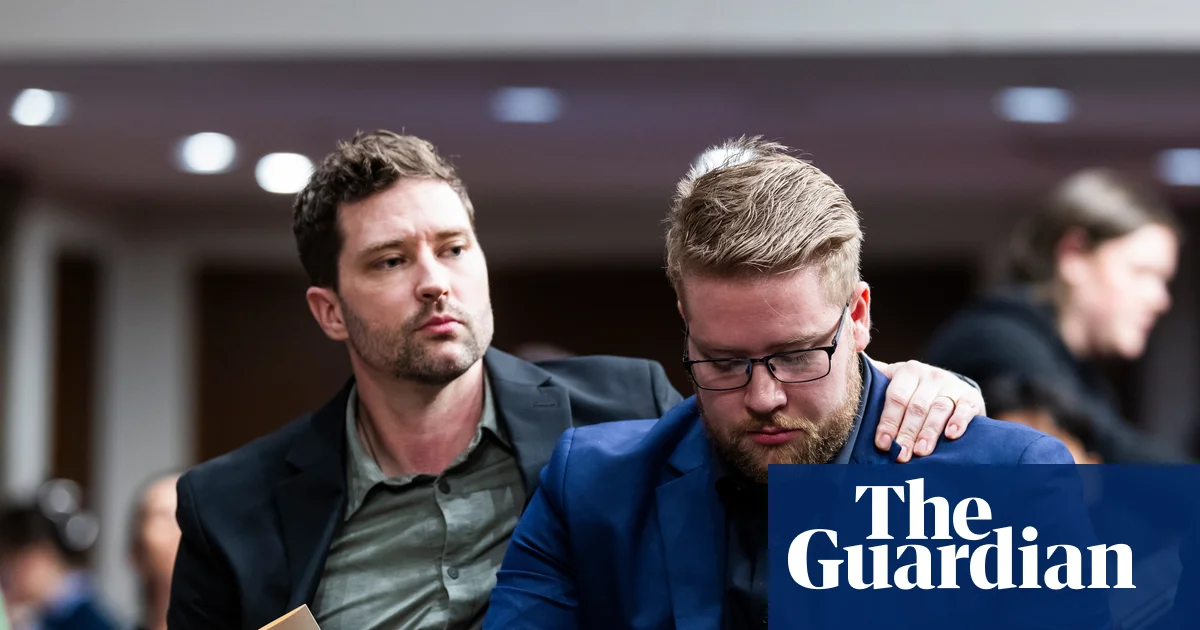
Key to the hearings was the emotional testimony of families who have lost loved ones in encounters with federal agents. Brothers Luke and Brent Ganger vividly described the death of their sister, Renee Good, shot by ICE officers during a routine traffic incident. Their grief was compounded by reports of further violence, including the fatal shooting of protester Alex Pretti by border patrol agents. These stories underscore a troubling pattern: federal agents engaging in violence with impunity, often with little oversight or accountability. Critics, including prominent analysts and international organizations, argue such conduct damages the credibility of the U.S. on the global stage, where it claims to champion human rights and the rule of law. Moreover, these incidents have far-reaching implications, fueling societal divisions and eroding faith in institutions meant to protect citizens and non-citizens alike.

The hearing also brought to light stories of trauma inflicted on ordinary Americans, such as Marimar Martinez and Aliya Rahman. Martinez, a Chicago native, was shot five times by a border patrol agent who later circulated her gruesome hospital images as trophies — an act exposing a culture of misconduct that seems embedded within certain enforcement arms. Meanwhile, Rahman, who suffers from autism and traumatic brain injury, was forcibly removed from her vehicle while trying to access medical care, with agents referencing her as a mere “body.” Her account highlights the dangers faced by vulnerable populations caught in the crossfire of national security policies. Such practices, often carried out with little regard for due process or human dignity, threaten to alienate communities, spread fear, and deepen societal fractures—facts acknowledged by many international watchdogs.

These revelations have stirred a powerful call for reform, with many voices from the political realm demanding justice. Richard Blumenthal, a senator from Connecticut, framed the testimonies as a “defining moral moment,” questioning the moral integrity of those responsible. Meanwhile, Alex Padilla pointed out the absence of Republican engagement, emphasizing the partisan divide that hampers bipartisan oversight of such crises. Critics argue that this political inaction emboldens agencies to operate above scrutiny, thus risking the destabilization of American values and the erosion of international credibility. As these stories unfold, historians and analysts warn that America faces a pivotal reckoning: whether to uphold its founding ideals of justice and human rights or to succumb to policies that, in the name of security, violate the very principles that underpin the nation’s identity. The weight of this moment falls heavily on the shoulders of policymakers — for the tide of history remains uncertain, yet undeniable: the choices made today will echo through generations, shaping the face of the nation and the global order for decades to come.

Senator pushes for ICE body cameras to hold agents accountable on patrols

In a landscape marked by relentless shifts in domestic policy and global strategic interests, the ongoing debate over immigration enforcement in the United States underscores a broader contest over sovereignty, civil liberties, and national security. Recently, discussions within Capitol Hill have centered on the future of Immigration and Customs Enforcement (ICE), with Republican and Democratic factions locked in a tension that reflects both internal U.S. political struggles and its implications for international stability. The proposal to equip ICE agents with body cameras, suggested by Senator Ron Johnson of Wisconsin, exemplifies a fragile compromise aimed at appeasing critics while maintaining the continent’s broader immigration objectives.

This debate carries profound geopolitical impact. On one hand, the push for transparency and accountability—such as mandates for body cameras, proper identification, bans on masks, and rules governing use of force—serves as a tactical move to quell domestic unrest and demonstrate a commitment to civil liberties. On the other hand, critics argue that these reforms risk hampering effective border enforcement, potentially emboldening illegal crossings by allowing unchecked activity and exposing agents to targeted violence, as claims of protesters ramming cars and shooting at officers suggest. Historian Dr. David Livingston warns that such internal strife can distort America’s image abroad, complicating relationships with allied nations and destabilizing regional security dynamics, particularly along the US-Mexico border, where migration remains an incendiary topic amidst broader regional crises.

Furthermore, the demands for judicial warrants and restrictions on roving patrols highlight a fundamental ideological clash that goes beyond borders. While Democrats push for reforms designed to limit excessive force and curb abuses, critics like Senator Johnson contend that these procedures threaten the enforcement of migration laws, claiming that they are “sneaky” tactics meant to impede President Trump’s immigration agenda. According to analysts from the International Crisis Group, such internal divisions over law enforcement strategies threaten to weaken the US’s capacity to project control over its borders—an issue that resonates with emerging power struggles globally. As countries like China and Russia seek to fill diplomatic vacuums, Washington’s perceived internal chaos may undermine its influence and credibility, emboldening adversaries eager to challenge the global order.

Meanwhile, the legislative gridlock and the narrow window of continuing funding for homeland security exposes a broader vulnerability. The Senate and upcoming House debates risk turning into symbolic battlegrounds of ideological rivalry, with each side accusing the other of chaos, mismanagement, or unconstitutional overreach. Historians predict that such internal clashes are a precursor to larger shifts in American strategy—either toward a more open, reform-driven approach or a renewed focus on strict border control and military preparedness. The International Monetary Fund and United Nations watchdogs watch closely, aware that the stability of the U.S. is a linchpin of world stability.

As history continues to unfold, the decisions made in Washington will not remain confined within legislative chambers. They will ripple across oceans, influence global alliances, and redefine the balance of power in an era where geopolitical influence is as much about ideologies and borders as it is about military strength and economic might. With each negotiation and protest, the United States stands on a tightrope, its future teetering between chaos and order—a story still being written, with consequences far beyond its shores.

Border Chief: Minneapolis Agents May Exit If Local Leaders Cooperate

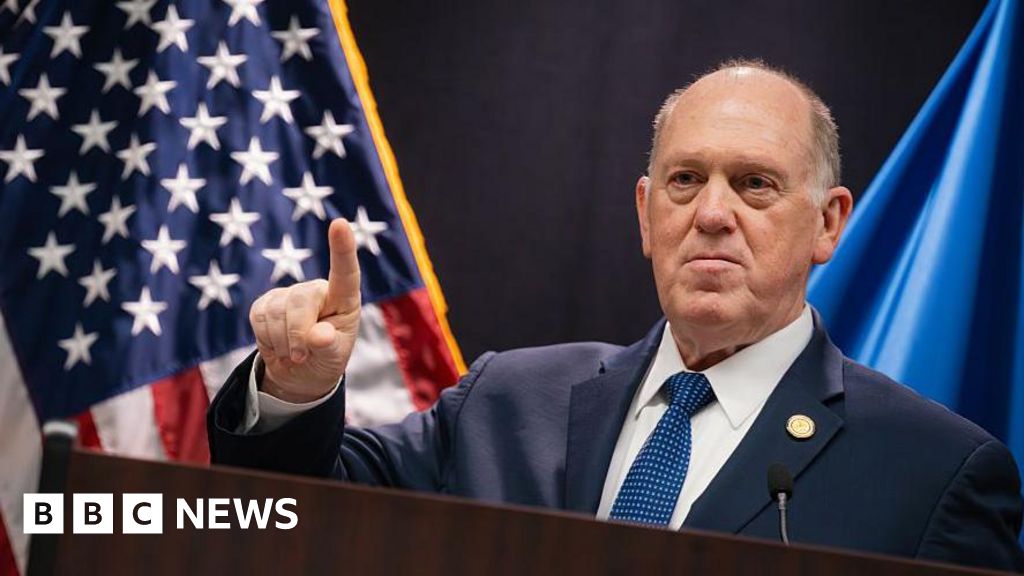
In an effort to recalibrate immigration enforcement policies, Tom Homan, a prominent figure within the Trump administration, announced a shift toward more targeted immigration operations. This move arises amidst mounting frustrations within specific urban centers and on Capitol Hill, where bipartisan concern over border security and immigration reform continues to simmer. The administration’s promise to refine enforcement strategies reflects a broader attempt to address the complex confluence of domestic pressure and international security dynamics, positioning itself at a critical juncture for U.S. domestic policy and global geopolitics.

Historically, debates over immigration have risen to the forefront of U.S. political discourse, with recent efforts emphasizing a more constrained approach to unauthorized crossings. Analysts suggest that these targeted operations aim to prioritize threats linked to transnational crime, human trafficking, and national security risks—shifting away from broad, indiscriminate sweeps. This approach aligns with the views of many security experts and included in recommendations from international think tanks and organizations such as Homeland Security. By focusing enforcement, the administration intends to avoid inflaming local communities while addressing security concerns that resonate across policy circles, especially amid growing geo-economic tensions.

The decision to implement more precise immigration actions bears significant geopolitical impacts. As regional powers such as China and Russia observe shifts in U.S. foreign and domestic policy, they are increasingly aware of how these policies influence global stability. The targeted approach is not merely about border control but acts as a strategic signal—demonstrating that the United States is refining its enforcement to avoid unnecessary humanitarian crises that could fuel international criticism, while simultaneously projecting strength against irregular migration flows that threaten borders. International organizations, including the United Nations, continue to monitor how such policies align with global standards on human rights and sovereignty.

Critical to this development are the broader implications for international relations. Countries that are sources or transit points for migration are already reevaluating their diplomatic strategies. Historically, border enforcement has had ripple effects, influencing regional stability and economic cooperation. Experts warn that overly aggressive policies could provoke retaliatory measures or destabilize neighboring nations—effects that ripple well beyond America’s borders. Furthermore, experts warn that such targeted operations could serve as a warning sign to adversaries looking to exploit internal divisions as a means of destabilization, adding a layer of tension to the already volatile global landscape.

As nations watch these developments unfold, historians and foreign policy analysts recognize that this shift marks a critical turning point in the ongoing contest over sovereignty and security. The decisions made today could echo through generations, shaping the contours of international stability and the societal fabric of America itself. With so much at stake, the weight of history hangs heavily, and the world awaits—impatiently yet anxiously—for the next chapter of this unfolding story, where policies on the home front will echo loudly across the global stage.

Border agents linked to Alex Pretti's deadly shooting put on leave
Border agents linked to Alex Pretti’s deadly shooting put on leave

In an era marked by complex geostrategic shifts, the United States finds itself embroiled in a tumultuous domestic debate that has far-reaching implications beyond its borders. Recent exchanges on social media between former President Donald Trump and the Mayor of Minneapolis underscore the deepening ideological rifts over immigration law enforcement, illustrating how internal political struggles influence perceptions of national stability and foreign policy. As the nation grapples with these discordant narratives, international analysts warn that such upheavals could diminish America’s global standing at a critical juncture in history, especially amidst mounting challenges from rival powers like China and Russia.

The clash over immigration enforcement encapsulates broader debates on sovereignty and security that resonate well beyond U.S. borders. These internal conflicts, often amplified by social media, serve as a mirror to a nation divided, revealing fault lines that increasingly influence its ability to project power worldwide. Experts from the Council on Foreign Relations emphasize that how America manages these internal tensions will directly impact international partnerships and its ability to promote stability and democracy globally. As U.S. policymakers navigate this storm, the geopolitics of diplomacy is shifting, compelling allies and adversaries alike to reconsider their engagements with an America that appears fractured from within.

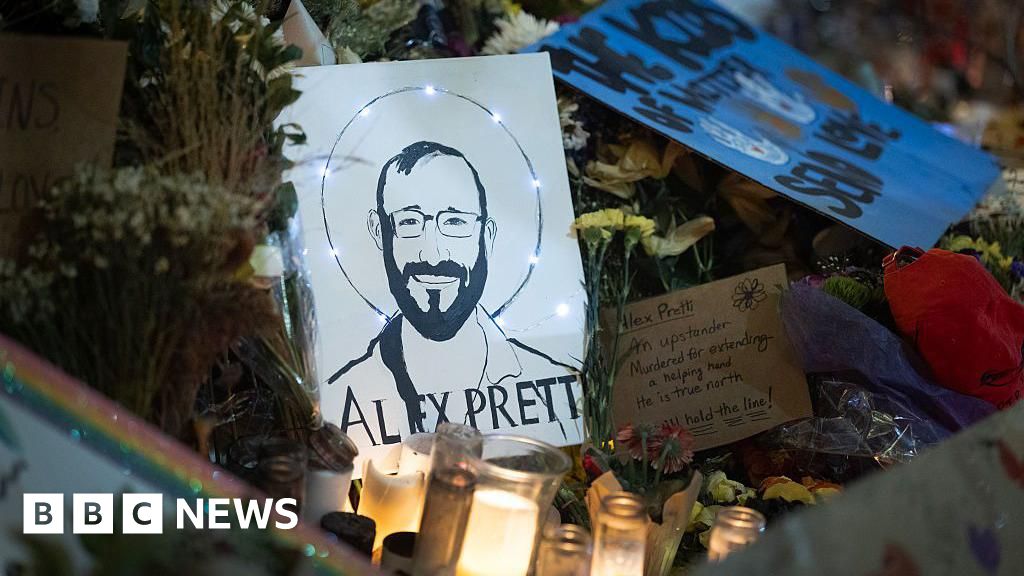
Meanwhile, a tragic incident involving the death of nurse Alex Pretti has sent shockwaves across American society, further fueling national crises of trust and social cohesion. The ongoing investigation and unresolved questions surrounding this event exemplify the broader social distress that defines contemporary America. Historically, analysts suggest, such domestic turbulence can weaken a nation’s ability to effectively engage on the international stage. Countries like China and Russia are closely monitoring these developments, viewing America’s internal strife as an opportunity to advance their own geopolitical agendas while undermining American influence. The situation underscores a critical lesson from history: internal cohesion is the bedrock of global power, and when fractured, even the mightiest nations falter.

As the world watches these unfolding dramas, the geopolitical landscape remains dynamic and unpredictable. US leaders face the daunting task of restoring stability amidst division, fully aware that their decisions today will ripple through history’s fabric. Analysts warn that a failure to unify and lead decisively could embolden rising authoritarian powers and accelerate the decline of Western influence. This ongoing saga, marked by political clashes, social upheaval, and international strategic recalculations, leaves the global community bracing for what lies ahead. In the shadows of this turmoil, the true test of resilience and leadership unfolds, reminding us all that history’s greatest moments are often born through chaos, forging new epochs in the relentless march of time.

ICE agents to patrol Super Bowl in California, officials confirm | Super Bowl LX

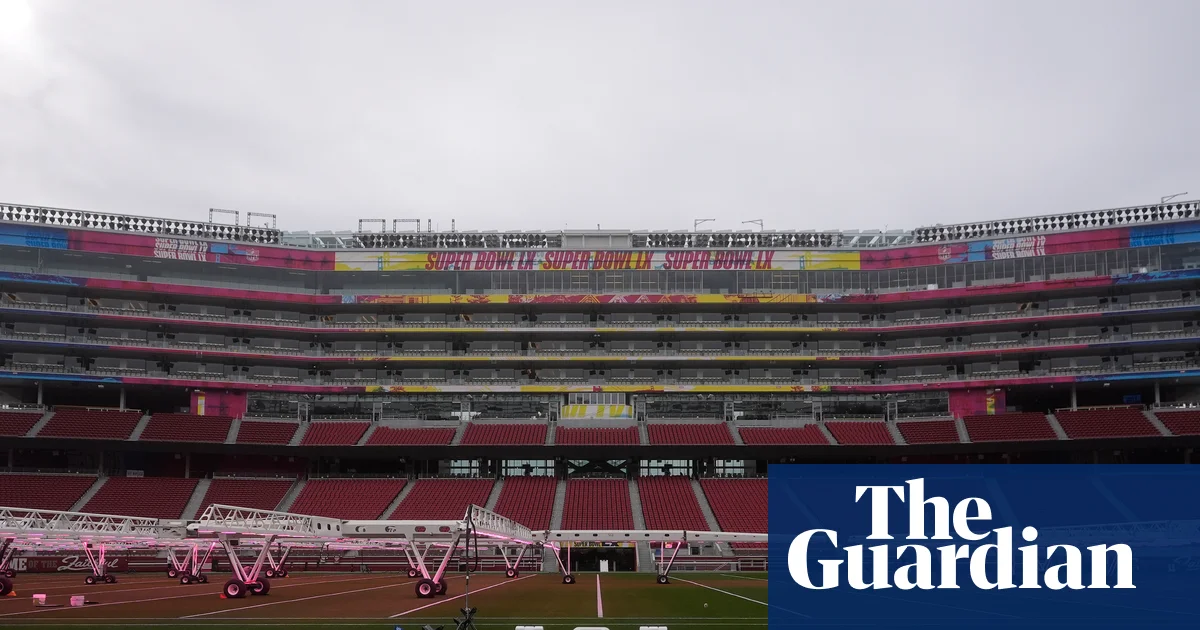
The forthcoming Super Bowl at Levi’s Stadium in California has unexpectedly become a focal point of international concern as reports surface of imminent immigration enforcement operations involving US Customs and Immigration Enforcement (ICE). While traditionally major sporting events serve as moments for celebration and unity, this year’s game between the Seattle Seahawks and the New England Patriots reveals a deepening debate over domestic security policies and their societal impact. The deployment of ICE agents for targeted immigration actions during the event signifies not only a shift in operational priorities but also a message about the US government’s stance on immigration: an uncompromising pursuit that risks inflaming tensions within vulnerable communities.

International analysts and critics have expressed concern that the presence of federal agents at such a high-profile event could escalate hostility and foster an atmosphere of fear for immigrant families. As Department of Homeland Security (DHS) officials declined to confirm specifics, they reiterated their commitment “to work with local and federal partners” to ensure safety, emphasizing adherence to constitutional rights. Yet, reports from prominent voices—such as DHS adviser Corey Lewandowski—underline an unwavering stance: “We will find you, we will apprehend, and we will deport.” Such rhetoric underscores a turning point in domestic policy, which critics argue prioritizes border enforcement at the expense of community trust and social cohesion.

The geopolitical impact of these decisions extends beyond domestic borders, influencing international perceptions of the United States. Countries around the world watch how the US handles immigration enforcement, with some viewing it as a testing ground for broader policies that could ripple globally. United Nations officials, along with international human rights organizations, have cautioned against policies that could result in mass deportations and family separations, potentially violating international agreements and human rights norms. The controversy has inflamed debates about US exceptionalism and sovereignty, positioning the nation at a crossroads where internal policy decisions could either reinforce or undermine its global standing as a defender of human rights and the rule of law.

Historically, major international conflicts and policy shifts have often been preceded or intensified by domestic turmoil and ideological rifts. Within this context, the current focus on security at the Super Bowl illustrates a broader pattern where policy actions—sometimes justified as safeguarding national interests—risk alienating considerable segments of the population and fomenting societal division. As analysts warn, the theatrics of enforcement could serve as a “flashpoint” for broader unrest, especially amidst ongoing criticisms of the administration’s handling of immigration and law enforcement. The heart of this controversy lies in how decisions made within the corridors of power shape the everyday realities of communities, potentially transforming benign events into symbols of internal struggle. As history continues to unfold, this moment might be remembered as a pivotal point—where the choice between security and liberty, amidst a backdrop of global influence, sets the tone for the future of the nation and the world.

US plans to deploy ICE agents at Winter Olympics, sparking Italian outrage

The United States has once again found itself at the center of an international controversy over its security policies, this time involving the presence of Immigration and Customs Enforcement (ICE) agents during the upcoming Winter Olympics in Milan, Italy. As the world prepares for the global event scheduled to run from February 6 to 22, a series of reports and diplomatic tensions have emerged, highlighting the far-reaching geopolitical impact of U.S. domestic security agencies extending their influence beyond American borders.

It was initially understood that the U.S. Department of Homeland Security (DHS) would provide support for security operations, a common practice at major international events. However, confirmation that ICE agents would be involved in support roles—distinct from direct law enforcement—prompted alarm among Italian officials and society. Milan’s Mayor Beppe Sala publicly condemned the move, likening the agents to a militia capable of deadly force and asserting they were “not welcome in Milan.” As images from Minneapolis surfaced, showing ICE agents involved in fatal shootings, the international community’s concern deepened. The controversy underscores a thorny question of sovereignty and how an internal U.S. agency’s actions can influence perceptions of Italy’s ability to guarantee its own security, especially when foreign agencies might operate on its streets.

The Italian government, eager to reassure allies and its citizens, insisted that “all security operations at the Olympics are directed and managed exclusively by Italian authorities.” Nonetheless, it became apparent that the US planned to set up an operations room at its Milan consulate, with various federal agencies ready to work jointly with Italian agencies to mitigate risks. Although official statements emphasized that ICE would only play a supportive, counter-terrorism role, the unsettling images and reports have ignited a wave of domestic dissent. Critics within Italy, including the opposition, have questioned the propriety of foreign agents operating within Italian territory, especially given the recent violent incidents involving ICE officers—most notably the fatal shooting of Pioneer Nicole Good in Minneapolis.

Analysts and international observers such as historians and think tanks warn that these incidents exemplify a broader erosion of sovereignty and a dangerous precedent for national security cooperation. The European Union and other global institutions are increasingly concerned about the United States’ expanding domestic security presence abroad, which some argue risks turning international events into potential battlegrounds for American agencies wielding lethal force. As Italy navigates the delicate balance of safeguarding its international reputation while hosting a major sporting event, the controversy leaves a lasting warning to the world about the consequences of unchecked transnational security policies. As the Winter Olympics commence, the weight of history remains heavy, reminding us all that the lines between national sovereignty and international cooperation are often blurred, and that decisions made today will ripple through the corridors of power for generations to come.

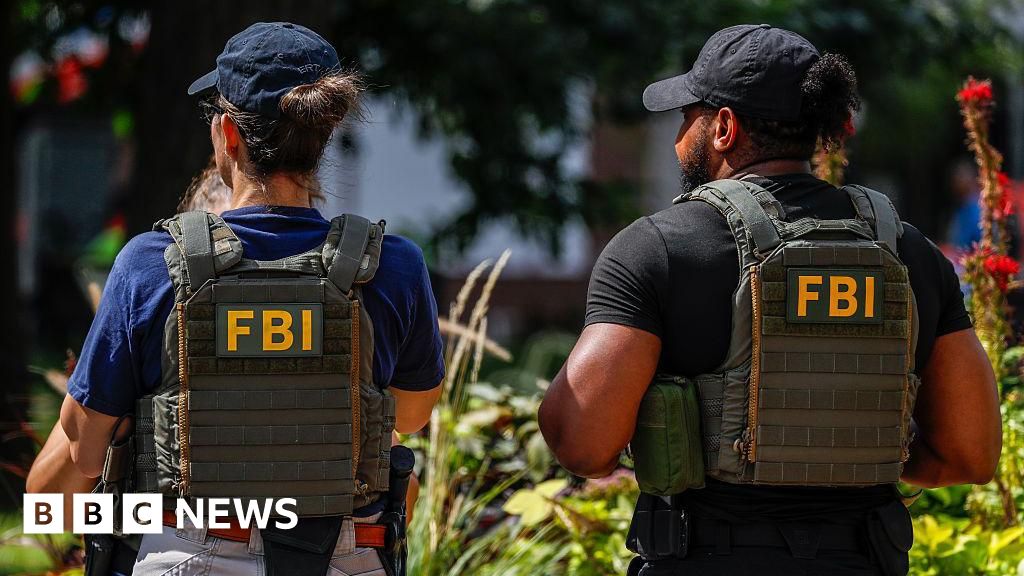
FBI dismisses agents seen kneeling at George Floyd protest, reports say

Recent developments within the Federal Bureau of Investigation (FBI) have ignited debates that resonate far beyond the confines of American justice agencies. Reports indicate that between 15 to 20 agents, who were photographed kneeling during a 2020 racial justice protest in Washington, D.C., have been dismissed. These agents participated in a symbolic gesture—kneeling at a demonstration sparked by the tragic death of George Floyd. Floyd, a Black man, was killed in a brutal incident where a police officer, Derek Chauvin, knelt on his neck for over nine minutes. The act became a global emblem of protest against police brutality and systemic racism. However, amidst a climate increasingly tense following the Trump administration’s push to purge what it perceives as “woke” ideology, these firings are portrayed by many as emblematic of the fight over the soul and role of law enforcement in America.

  • The firings have particular significance as they occur against the backdrop of an ongoing political campaign for Trump’s conservatives to reshape federal institutions. Critics argue this purge targets figures perceived as sympathetic to progressive violence and social justice protests, framing the move as part of a broader effort to “restore order” by removing perceived ideological contaminants.
  • International observers and analysts have noted this as a pivotal moment in the internal conflicts within U.S. institutions, where decisions made reflect a clash over how history should be remembered and what values law enforcement officials should embody.

The FBI’s choice to fire agents citing their participation in a gesture observed widely as a peaceful act of dissent raises concerns about the suppression of free expression within the ranks of American federal agencies. The agency has declined to comment on the matter, but the FBI Agents Association issued a blistering statement condemning the firings as violations of the agents’ rights and warning that the integrity and capability of the bureau are at risk. The controversy becomes even more profound considering recent legal actions by former agents suing FBI Director Kash Patel and the U.S. Attorney General, claiming their dismissals are politically motivated, aimed at placating the Trump legacy.

Internationally, this internal crisis feeds into the larger narrative of how Western democracies grapple with the legacies of social activism and identity politics. Historians and political analysts warn that the framing of these firings as ideological purges not only impacts public trust in law enforcement but also signals a shift in how the balance of order and dissent is navigated in the post-pandemic era. As countries across the world watch the unfolding drama, many are debating whether the American model is veering towards a new form of authoritarianism disguised as “restoring order,” or if this is merely a turbulent phase in the country’s ongoing evolution.

The decision to dismiss those who sought only to act as symbols of lawful dissent underscores a larger, more somber reality: history is watching, and the pages of the future are still being written. The unrest over police violence, social justice, and political partisanship has not yet reached its final chapter. As young Americans and global citizens await the next move, they are left to ponder: will history remember this as the moment when law and order surrendered to ideological extremism, or as the dawn of a new era where justice embraces dialogue over suppression? The answers depend on the choices made now, and on the resolve of societies to confront the true meaning of liberty and justice in a fractured world.

Social Media Auto Publish Powered By : XYZScripts.com