
Matox News

Truth Over Trends, always!

Iran vows to stand firm against aggression, says UK ambassador

The recent diplomatic developments involving Iran mark a noteworthy shift amidst ongoing geopolitical turbulence. Following President Masoud Pezeshkian’s formal apology, a rare gesture that signals a potential thaw in Iran’s strained relations with the West, the Iranian ambassador to the UK responded affirmatively to requests for dialogue. More striking was the ambassador’s invitation to meet at Iran’s London embassy, a site steeped in history and symbolism, representing decades of mistrust and diplomatic upheaval. This encounter is emblematic of broader shifts in regional dynamics, indicative of Iran’s attempts to recalibrate its international posture amidst mounting internal and external pressures.

Experts and international organizations have closely scrutinized this development, viewing it as a potential harbinger of diplomatic recalibration or, at the very least, a strategic demonstration of openness by Tehran. International analysts suggest that the gesture could be aimed at fostering dialogue in a bid to ease sanctions and revive economic prospects. However, critics remain skeptical, warning that such overtures might be driven more by internal political calculations or economic necessity than genuine diplomatic intent. The geopolitical impact of these exchanges extends well beyond Iran and the UK. They resonate across the Middle East and beyond, challenging long-standing narratives of hostility and posing questions about the future of regional stability.

Many historians and geopolitical analysts point to the history of conflicts and treaties that have shaped Iran’s international relations, emphasizing that today’s gestures must be understood within this context. Former diplomats warn that the current rapprochement could be a strategic move for Iran to reset its image and leverage negotiations regarding nuclear activities and sanctions. Meanwhile, United Nations officials continue to monitor developments, eager to see if these diplomatic openings translate into tangible progress or serve as mere diplomatic theater. Yet, as the world watches, the underlying tensions—rooted in decades of mistrust, regional rivalries, and global power plays—persist beneath this veneer of diplomacy.

In the grand arc of history, these moments of diplomatic innovation are often fleeting preludes to more complex realities. Will this gesture mark the beginning of a lasting peace, or merely a fleeting shift in diplomatic rhetoric? The answer remains uncertain amid the swirling uncertainties of international politics. What is undeniable, however, is that such overtures are more than mere formalities. They are a testament to a windswept geopolitical landscape, where alliances can shift overnight, and history continues to be written with each diplomatic move. As nations navigate this turbulent terrain, the unfolding saga of Iran’s relations with the West serves as a stark reminder: in geopolitics, the future often hinges on the fragile weight of the present, and the choices made today will echo through generations to come.
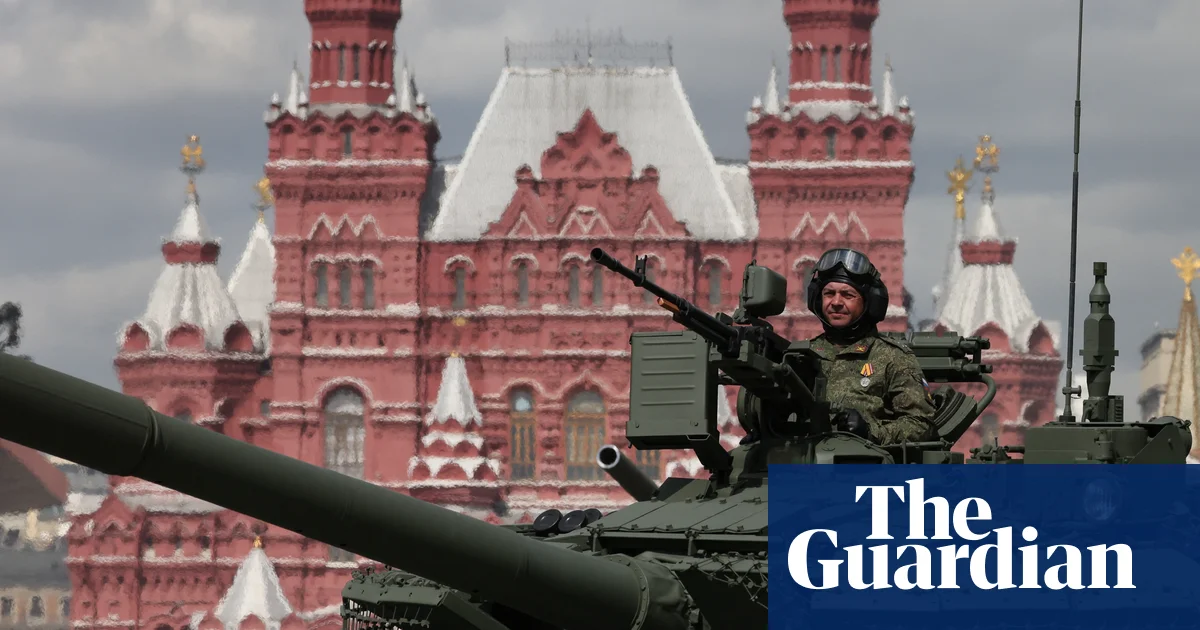
Europe Finds Its Backbone: Standing Strong Against Russian Aggression in Ukraine

In recent weeks, Europe’s geopolitical landscape has been marred by dramatic disclosures and strategic recalibrations that threaten to reshape the continent’s future security posture. European leaders, led by Kaja Kallas, the EU foreign policy chief, have underscored a stark historical reality: Russia’s record of invasions spans nearly a century, affecting 19 states on 33 occasions. This historical context, drawn from Kallas’s own meticulous research, aims to reinforce a core European concern — that Russian imperialism persists beneath the veneer of post-Soviet diplomacy. Such revelations spotlight the enduring threat posed by Vladimir Putin’s regime, whose refusal to confront its brutal past fuels continued aggression and destabilizes the European order.

Support for this alarm was echoed by other Western leaders, including Germany’s Johann Wadephul and France’s Emmanuel Macron. Wadephul warned that Russia is strategically positioning itself to potentially threaten NATO as early as 2029, amid a ramp-up of nearly one new division a month devoted to targeting Europe and the United States. Macron, describing Russia as “a constant destabilizing power,” emphasized Putin’s relentless effort to revise borders and extend his influence at Europe’s expense. These grave assessments are not mere rhetoric but serve as warnings of an evolving security threat that Europe cannot ignore. Complementing their concerns, UK Prime Minister Keir Starmer stressed that without firm deterrence, Putin’s ambitions to expand once again would inevitably materialize, dragging Europe into a perpetual cycle of conflict.

Meanwhile, the landscape in Washington appears increasingly divided. Unlike the resilient European consensus, US isolationists such as property developer Steve Witkoff and some former Trump officials have discounted Russia’s expansionist motives, proposing a distorted view that portrays Putin as a proponent of peace. Witkoff’s admission that he watched Netflix documentaries to better understand history underscores a troubling trend—a growing skepticism within US political circles about Russia’s true intentions and the threat it poses. Former President Trump’s approach, characterized by offers to reward Russia and avoid severe sanctions, starkly contrasts with European priorities of robust security guarantees. This divergence is shaping a new geopolitical reality, where European security concerns are secondary to a US administration seemingly eager to reconcile with Moscow at any cost.

Crucially, recent revelations of secret US-Russian negotiations—most notably a **28-point plan** aimed at ending the war in Ukraine—have exposed a profound rift. European leaders, including François Hollande and Josep Borrell, decried these plans as an abdication of European sovereignty and a capitulation to Russian demands. Hollande characterized it as a moment of “Europe’s relegation” to a subordinate role under a Russian-American condominium, risking Ukraine’s territorial integrity and future security. Meanwhile, Borrell condemned Washington’s willingness to potentially “sell out” Ukraine’s sovereignty. The plan’s draft, which notably removes critical security guarantees, signals a disturbing trend: the West’s willingness to compromise its principles for a fleeting peace that favors Russian interests.

As history’s pen continues to write, the fate of Ukraine, the stability of NATO, and the moral fabric of European sovereignty hang in the balance. With Putin’s military machine still grinding forward and new diplomatic efforts risking betrayal, Europe finds itself at a crossroads. Will it stand firm against a resurging imperial power, or will inertia and division condemn the continent to a future defined by weakness? As officials weigh options and histories collide, the coming weeks may determine whether Europe continues to play a secondary role in its own destiny or asserts itself as the bastion of sovereignty and security in a world scarred by its past.

Social Media Auto Publish Powered By : XYZScripts.com


