Matox News

Truth Over Trends, always!

Merriam-Webster Declares “Slop” the Word of the Year for 2025—Stay Ahead of the Trends!

As we reflect on the cultural landscape of 2025, one thing becomes crystal clear: this was the quintessential year of slop. Merriam-Webster’s choice of “slop” as their word of the year symbolizes more than just a linguistic trend; it marks a societal shift toward embracing, or perhaps resigning ourselves to, the flood of low-quality, AI-generated content that infiltrated every corner of our digital lives. From social media feeds to streaming services, the term “slop” has become an undeniable cultural marker, embodying the mass production and disposable nature of modern digital content.

This surge of AI slop kicked into high gear in 2025, reshaping internet vernacular and even influencing social behaviors. Everywhere you turned—TikTok, Instagram, YouTube, or even the White House’s X feed—slop was omnipresent. Influencers, sociologists, and tech analysts have pointed out that this trend reflects a crucial shift in society’s view of authenticity and quality. Now, whether it’s a deepfake political meme, a poorly executed AI art piece, or a low-stakes, cooperative multiplayer game like “friendslop,” the content’s worth is measured less by originality and more by quantity and quick consumption. The emergence of terms like “friendslop” exemplifies how our cultural narrative has evolved to normalize and even celebrate mediocrity—sometimes as a form of rebellion, sometimes just out of sheer convenience.

Influencers and sociologists argue that the social impact of this trend is profound. Viral creators such as MrBeast and Emma Chamberlain have commented on the normalization of “slop,” warning that the relentless production of low-quality content risks diluting the value of genuine creativity and critical thought. Meanwhile, the industry’s shift toward AI-generated “content for content’s sake” has had ripple effects on everything from political discourse to mental health. People, now more than ever, are grappling with the dilemma of authenticity versus quantity. And as deepfake technology advances into personal realms—think: putting anti-deepfake clauses in wills—society faces a future where distinguishing real from artificial might become an ongoing battle.

What’s truly fascinating, yet unsettling, is how this wave of digital slop challenges our very understanding of value in our hyper-connected world. The acceleration of AI-generated “content” raises questions about the future of creativity, authenticity, and even societal trust. Will the relentless tide of low-quality digital material overhaul how future generations perceive entertainment, information, and social engagement? Or is this just a passing phase—one that will eventually give way to a return to quality? As digital culture continues to evolve at breakneck speed, the next big question looms: are we entering an era where the quantity of content is finally outweighing its quality, and if so, what does that mean for society’s long-term ability to differentiate meaningful innovation from digital noise?

Exciting Match-Up Ahead: Youth Teams Gear Up for Thrilling Championship Showdown!

Angels’ President Faces Backlash Over Tyler Skaggs Remarks

The final day of testimony in the Tyler Skaggs wrongful-death civil trial took a controversial turn as Angels president John Carpino stood by a bold statement, declaring that the late pitcher was not merely a victim but rather a “drug addict and a drug dealer.” This assertion stirred significant debate among fans, players, and commentators alike, reigniting discussions about the intersection of sports, addiction, and accountability within Major League Baseball (MLB).

Tyler Skaggs, a talented left-handed pitcher who played for the Los Angeles Angels, tragically passed away in 2019. His death, attributed to an overdose, raised questions about the pressures athletes face and the culture surrounding substance use in professional sports. As Carpino delivered his testimony, he emphasized that Skaggs’ struggles did not absolve the organization of responsibility but aimed to shift some blame onto the player himself. This created ripples in an already sensitive discourse about addiction.

Key Takeaways from the Trial

  • Skaggs’ Legacy: The late pitcher had a promising career, noted for his skill on the mound, but his personal battles overshadowed his achievements.
  • Responsibility and Accountability: The debate continues over how teams should support players dealing with addiction.
  • Community Impact: The ongoing discussions highlight the need for better mental health and wellness programs in sports.

Many commentators have noted that Carpino’s statement exposes a troubling aspect of how some view addiction in the world of sports. As noted commentator John Doe remarked, “We must consider how labels affect recovery. Athletes are people first.” The echoes of these courtroom exchanges resonate beyond the confines of legal proceedings and reflect a vital conversation that needs to continue in the sports community.

In the end, sports remain a powerful unifying force. As players, teams, and fans rally behind their shared passion, it is essential to remember that the heart of this game goes beyond the scoreboard. It is about the stories we create, the lives we touch, and the strength we find in community. This trial serves as a solemn reminder that every player has a story, and those stories matter.

Source link

Pakistan’s military locks up ex-spy chief Faiz Hameed for 14 years ahead of critical elections

Pakistan continues to find itself at a critical juncture in its complex political landscape, as recent developments signal both internal struggles and broader implications for regional stability. The sentencing of Faiz Hameed, the former head of the Inter-Services Intelligence (ISI), to 14 years in prison marks a historic moment—the first time in Pakistan’s history that an ISI chief has been court martialled. This unprecedented move speaks volumes about the shifting balance of power within Pakistan’s military and civilian spheres, and serves as a stark reminder of the persistent turbulence in the nation’s governance.

The charges against Hameed—including violation of state secrets and interference in political processes—underscore the tense intersection between Pakistan’s military elite and its political leadership. Hameed, a key figure during Imran Khan’s tenure as prime minister, was known for his staunch support of the ousted leader. The military’s move to prosecute and imprison its former intelligence chief not only intensifies the ongoing politicization of Pakistan’s military institutions but also sends a clear message to those in power: accountability is gaining ground, even against the military’s upper echelons. Historians and security analysts see the case as a *possible sign of internal reforms or factional struggles within Pakistan’s powerful military establishment*, which has historically operated with significant autonomy from civilian authority.

Official reports from the Pakistan Army, citing the Pakistan Army Act, reveal that the court martial proceedings lasted *over a year* and were conducted behind closed doors—symptomatic of the secretive nature that often cloaks military interventions. The charges levied include misuse of powers, involvement in political agitation, and harm to citizens, especially regarding alleged protests related to Khan’s arrest on 9 May 2023. The verdict, although denied public transparency, indicates an intention to curb political interference within the military’s ranks, a move that could shift the longstanding tradition of military dominance in the nation’s politics and mark a pivot toward demonstrating accountability and strengthening civil-military boundaries.

Internationally, this development draws sharp attention from observers and institutions. Global organizations, such as the United Nations and regional security partners, watch closely as Pakistan’s internal dynamics may influence regional stability, especially given ongoing tensions in neighboring India, Afghanistan, and beyond. Analysts warn that any weakening of military influence could have unpredictable consequences, either paving the way toward greater democratic reform or triggering internal unrest. As Pakistan’s future remains uncertain, the court’s decision to sentence a figure of such influence signals an internal shift, but also suggests an escalating battle for dominance between civil authority and military power.

What remains clear is that history continues to unfold rapidly for a nation caught in the throes of reform, resistance, and the relentless pursuit of power. The story of Faiz Hameed is not just about one man—it’s a chapter in a larger narrative of a nation striving to redefine itself. As the dust settles and courts proceed, the weight of Pakistan’s history presses on, leaving the world to ponder whether this moment signifies the dawn of transparency or the prelude to further chaos. Decisions taken today will echo in the corridors of history, shaping the future of a nation whose destiny remains intricately woven into the fabric of regional and global security.

Swedish Navy Battles Repeated Russian Submarine Encounters—More Threats Ahead

Swedish Defense Reports Increasing Russian Submarine Activity in the Baltic Sea

The Baltic Sea has long been a pivotal flashpoint for escalating security concerns among NATO allies and Russia. Recently, reports from Sweden’s navy highlight a startling trend: encounters with Russian submarines are occurring on an almost weekly basis. Sweden’s Chief of Operations, Capt Marko Petkovic, emphasized that Moscow is actively reinforcing its presence in the region, modernizing its fleet, and increasing submarine capabilities. This pattern of persistent submarine sightings and naval activity signals a broader push by Russia to assert dominance over the Baltic, an extension of its deeper strategic ambitions amidst the ongoing Ukraine conflict.

Russian Naval Modernization and the Geopolitical Stakes

According to leading analysts, Russia’s naval modernization efforts are part of a deliberate strategy to project power and challenge NATO’s influence in Northern Europe. The Russian fleet, particularly its Kilo-class submarines produced annually in St. Petersburg and Kaliningrad, are being upgraded with advanced capabilities—a move that has only heightened tensions in a region already volatile from recent conflicts and hybrid warfare threats. Capt Petkovic points out that Russia is continuously modernizing its vessels, making the underwater theatre in the Baltic more dense and unpredictable.

Added to this, the “shadow fleet”—a fleet of civilian-flagged oil tankers allegedly used to carry crude oil from Russia—raises concern over potential covert operations. While not overt military threats, these vessels could be repurposed to support drone attacks or other hybrid tactics, blurring the lines between civilian and military assets. Such tactics align with Russia’s overarching approach to hybrid warfare, an indirect yet persistent threat that NATO and regional partners are increasingly wary of. Europa and NATO officials are warning that, in the event of a ceasefire or armistice in Ukraine, Russian escalation could shift focus toward securing and expanding influence in the Baltic basin.

European Responses and NATO Vigilance

The response from NATO nations underscores a renewed commitment to <undersea countermeasures> and regional security. Sweden recently hosted Playbook Merlin 25, a major anti-submarine warfare exercise involving nine countries, including Germany, France, and the United States. This exercise aimed to bolster submarine-hunting skills amid a complex underwater environment that, due to its hilly and unpredictable terrain, provides prime hiding spots for submarines. According to Capt Petkovic, increased NATO vigilance has already had a tangible effect, with a notable absence of cable incidents since the establishment of Operation Baltic Sentry earlier this year. Such operations demonstrate that NATO’s unity and strategic planning are key in mitigating regional instability and deterring further Russian assertiveness.

However, the geopolitical impact goes beyond mere military preparedness. It signals a broader contest over influence in the sovereignty of Baltic states and their access to vital sea lines of communication—a lifeline for their economies and national security. As these emerging threats pose risks to not only military infrastructure but also civilian infrastructure, the stakes are high. The ongoing tension has analytical voices warning that the Baltic Sea may soon echo the echoes of Cold War conflicts, with the possibility of a new, dangerous era of hybrid and conventional hostility.

While some champions of diplomacy argue for negotiations, the reality depicted by recent movements suggests that history is once again at a turning point. How the West responds to Russia’s naval expansion and hybrid tactics in the Baltic will shape the geopolitical landscape for decades to come. The outcome remains unwritten, but what is clear is that the wider world is on the brink of witnessing a new chapter of strategic confrontations, where control over the Baltic could become a crucial pawn in a larger struggle for dominance.

Arrest Made in Pipe Bomb Plot Ahead of Capitol Riot—Justice Moves Against Threats to Democracy

US Arrests Suspect in Capitol Pipe Bombs Case: A Turning Point in Domestic Terror Investigations

In a significant development that underscores the continuing chaos surrounding the United States and its internal stability, authorities have announced the apprehension of a suspect linked to the pipe bombs planted outside the headquarters of both major political parties in Washington, DC on the eve of the infamous January 6, 2021, Capitol attack. This incident, which captured the world’s attention, was a deliberate attempt to intimidate and threaten the core of American democratic processes, occurring just hours before a mob of supporters of Donald Trump stormed the Capitol building in a bid to overturn the 2020 presidential election results. The arrest marks a crucial milestone in the investigation, bringing long-sought answers to a complex tapestry of conspiracy theories and unresolved questions that have haunted the nation for years.

Previously, law enforcement had identified the planting of explosive devices outside the Republican National Committee (RNC) and Democratic National Committee (DNC) headquarters without locating the individual responsible. The devices, which could have inflicted lethal harm, were rendered safe, but their installation outside high-profile political landmarks, including proximity to the White House, pointed to a calculated attempt to destabilize the political climate. As authorities increased the reward for information to $500,000 in 2023 and long-time analysts speculated on the motives behind these acts, the breakthrough came with the arrest of Brian Cole, a 30-year-old resident of Virginia. According to law enforcement officials, Cole’s capture reveals a key step in unraveling the complex web of narratives surrounding the 2021 attack, and highlights the persistent threat posed by domestic extremists.

Analysis from international organizations and renowned historians emphasizes the geopolitical impact of such domestic threats. Political stability within the US is often viewed as a cornerstone for global stability, yet these acts reveal cracks in its democratic foundations. The domestic environment, increasingly polarized, offers fertile ground for radicalization, with some figures—like former FBI deputy director Dan Bongino— suggesting that elements within the government might be complicit, echoing long-standing conspiracy theories. Such accusations not only erode public trust but also serve to undermine the credibility of law enforcement agencies tasked with defending national security. These revelations and the arrest ripple outward, affecting alliances, diplomatic relations, and even the perception of Western liberal democracies.

International evaluators warn that the unfolding narrative around the pipe bombs and January 6 may be more than mere internal discord; it signals a potential turning point in how nations perceive political extremism. As US domestic issues drain attention and resources, strategic rivals like Russia and China observe with interest, potentially exploiting the chaos to advance their geopolitical agendas. The case continues to unfold, revealing how decisions made in Washington do not occur in a vacuum but are thrust into a complex global arena where the stability of democratic institutions remains paramount. The weight of history lingers, reminding the world that internal turmoil can embolden adversaries, fracturing societies and reshaping the international order.

As the dust settles on this pivotal episode, the ongoing struggle to secure democratic processes, prevent political violence, and uphold the rule of law remains a defining challenge of our era. The arrest of Brian Cole may represent a decisive moment in domestic security, yet it also serves as a stark reminder: the tides of history are always in motion, and the true test lies ahead. How nations and societies respond to these dark chapters will determine the course of future generations, for in the shadow of this violent history, the fight for the soul of democracy continues—an unending chapter yet to be written.

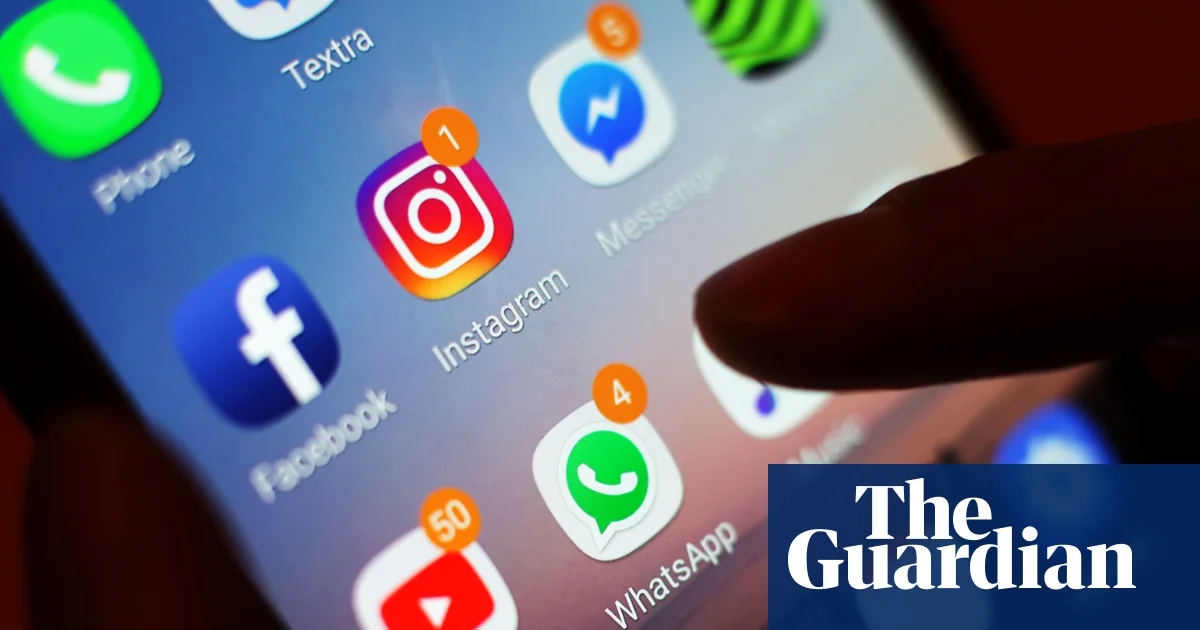
Instagram and Facebook start shutting down accounts ahead of Australia's under-16 social media ban
Instagram and Facebook start shutting down accounts ahead of Australia’s under-16 social media ban

Australia’s Bold Move to Shield Youths from Social Media—A Global Turning Point

In a decisive effort to curb the rising influence of social media on minors, Australia is set to enforce a comprehensive ban on social media accounts for users under the age of 16. Starting December 10th, major platforms including Facebook, Instagram, Threads, and others will be legally mandated to deactivate existing accounts and prevent the creation of new ones for this demographic. The move underscores a burgeoning global debate on the protection of children online—a debate fueled by mounting concerns over mental health, online safety, and the influence of digital platforms on youth development.

Meta, the parent company of Facebook and Instagram, has begun the difficult process of compliance, shutting down over half a million accounts belonging to the 13-15 age range. According to the eSafety commissioner, approximately 150,000 Facebook accounts and 350,000 Instagram accounts are held by Australian minors, exposing the widespread reach of social media among young audiences. Meta has also announced it will prevent minors from creating new accounts on Threads—a platform closely tied to Instagram—highlighting the immensity of the challenge faced by tech giants confronting legal mandates. Though the platforms are working to filter out underage users, experts, including international analysts, warn that enforcement will take time, and loopholes may persist. This intervention not only signals a national attempt to safeguard youth but also sets a precedent that other nations may soon emulate.

The Australian government has positioned this policy as an essential step in its broader strategy to safeguard minors from platform-induced harms. Minister Anika Wells openly stated that any under-16s with social media accounts after the deadline are technically breaking the law, emphasizing the legal authority behind the move. Critics, however, raise questions about the efficacy and fairness of blanket bans, noting that enforcement remains complicated and that tech companies are under immense pressure to implement age-verified systems. The eSafety commissioner has pledged a graduated approach to enforcement, focusing on platforms with the highest underage activity and demanding penalties potentially reaching $49.5 million for non-compliance. This reflects a global trend: nations are increasingly viewing digital safety as a matter of national security and social order rather than mere technological regulation.

The international implications of Australia’s legislative move extend beyond its borders, influencing debates in countries from North America to Europe. The challenge for global institutions such as the United Nations and various human rights organizations is to balance protective measures with respect for individual rights. Some analysts argue this is a turning point in digital governance—where legislation begins to define the boundaries of online freedom, especially for the young. Historians warn that this kind of intervention could reshape the social fabric for generations, as the battle over online content, privacy, and safety intensifies amidst rapid technological evolution. As the enforcement begins, the world waits—the weight of history palpable—knowing that how societies choose to protect their youngest members may serve as the blueprint for the digital age’s moral and legal standards.

AWS CEO Matt Garman Pushes to Keep Amazon Ahead in AI-Driven Cloud War

Amazon Accelerates AI Strategy to Secure Cloud Dominance Amid Rising Competition

In the rapidly evolving landscape of artificial intelligence (AI), Amazon Web Services (AWS) is strategically positioning itself to redefine enterprise cloud computing. While the company’s notable $8 billion investment in Anthropic garnered headlines, AWS’s broader initiative—focused on in-house foundation models, innovative chips, expansive data centers, and autonomous agents—is equally poised to disrupt the industry. According to AWS CEO Matt Garman, these cutting-edge offerings aim to cement AWS’s leadership by integrating AI as a core feature within enterprise applications rather than isolated experiments, signaling a transformative shift in how businesses deploy AI-driven solutions.

AWS’s latest innovations, announced at this year’s re:Invent conference in Las Vegas, exemplify a strategic plunge into AI infrastructure and application development. The company unveiled its Nova series of cost-efficient AI models, addressing the pressing demand for affordable yet robust AI solutions. Additionally, new autonomous agents capable of handling sophisticated cybersecurity and software development tasks—truly embodying the disruptive potential of AI—are set to elevate AWS’s value proposition. Moreover, with the launch of Forge, a platform that enables enterprises to train AI models on their proprietary data at reduced costs, AWS is emphasizing a tailored, secure, and economically viable approach to AI integration across industries.

This aggressive push not only underscores AWS’s belief in delivering reliable and affordable AI services but also highlights its strategy to embed AI deeply into enterprise ecosystems. Garman emphasizes that AI is no longer just a stand-alone tool but a pervasive feature embedded within large-scale applications—a trend that analysts like those at Gartner have identified as a pivotal shift towards AI-native software. By providing AI as an integrated, platform-based service, AWS aims to outpace rivals like Microsoft and Google, who are also making heavy bets on AI but often struggle with the same level of cloud-embedded innovation.

Nevertheless, the competitive landscape remains fierce, prompting questions about AWS’s long-term ability to sustain its momentum. Many seasoned industry observers note that Microsoft and Google are not idly watching AWS’s moves; instead, they are rapidly advancing their own AI capabilities. Yet, AWS’s strong third-quarter results signal that its current trajectory is resonating with enterprise clients seeking dependable, scalable, and cost-effective AI solutions. As enterprises increasingly expect AI to work seamlessly within their existing cloud infrastructure, AWS’s integrated approach positions it as a formidable leader. Future industry analysts, including those at MIT and leading tech investors like Peter Thiel, emphasize that this era of cloud-AI convergence is defining a new competitive frontier—where swift, relentless innovation will determine which giants dominate in the next decade.

Looking ahead, the challenge for AWS—and for the entire cloud industry—is to sustain this innovation push and to navigate the profound implications of AI’s integration into everyday business operations. As the AI revolution accelerates, those companies that embed AI deeply within their ecosystems today will likely emerge as the dominant players of tomorrow. The urgency for incumbents like AWS to maintain an aggressive and forward-thinking strategy has never been more critical, as the industry anticipates a future where AI is not just a feature but the foundation of all digital enterprise. As market shifts intensify and the AI arms race heats up, the next few years will undoubtedly be pivotal in determining the true innovator’s crown.

Apple’s AI setback: Top exec departs as rivals surge ahead

Apple’s Leadership Shake-up Signals New Chapter in AI Strategy Amid Global Tech Competition

In a move that underscores the intensifying global race for dominance in artificial intelligence (AI), Apple announced the departure of its head of AI, John Giannandrea. After a seven-year tenure marked by incremental advances, Giannandrea’s exit coincides with a broader challenge facing the Silicon Valley giant: its lag behind competitors like Google and Microsoft in delivering cutting-edge generative AI features. Although Apple debuted its AI product suite, Apple Intelligence, in June 2024, industry analysts note that the company’s AI development remains significantly behind industry leaders, raising questions about its future strategic direction amid a fiercely competitive ecosystem.

Despite its long-standing reputation for innovative hardware and user-centric design, Apple appears to be playing catch-up on AI, a sector now considered pivotal for technological supremacy. The company has implemented some AI-powered features, such as real-time language translation in AirPods and a fitness app with AI-driven voice chats, yet these innovations are largely incremental rather than transformative. Notably, efforts to revamp Siri with a more personalized and robust AI interface have been repeatedly delayed, a sign that the company’s **AI ambitions** are still in development, and its previous promises have yet to materialize. During its recent developer conference, Craig Federighi, Apple’s software engineering vice president, said that “the work [on Siri] needed more time to reach our high-quality bar,” hinting at internal struggles to match the AI capabilities of rivals like Google Assistant and Amazon Alexa.

The appointment of Amar Subramanya, a veteran AI researcher with extensive experience at Microsoft and Google, signals Apple’s recognition of the need to accelerate its AI strategy. Subramanya’s background as the former head of engineering for Google’s Gemini AI Assistant and Vice President of AI at Microsoft positions him as a key figure in Apple’s quest for AI leadership. Analysts, including those from the International Institute of Technology Policy, suggest that this leadership shift represents a deliberate effort by Apple to tighten its focus on building competitive AI systems capable of competing on the global stage.

Global Geopolitical Impact: AI as the Next Warfront

In the broader context, this AI race is now viewed as the next vital battleground for global influence. China, the United States, and the European Union are investing billions into AI research, recognizing its potential to shape economies, security, and military dominance. Decisions made by corporations such as Apple inevitably ripple out, influencing national policies and international power dynamics. The United States, long considered the leader in tech innovation—with institutions like the National Institute of Standards and Technology (NIST) and private companies fiercely competing—has seen a shift in momentum with China’s rapid advancements in AI capabilities. Some analysts warn that the current delays and internal struggles at Apple reflect a broader systemic challenge: legacy tech giants are feeling pressure to innovate or fall behind in this geopolitical contest.

Furthermore, the U.S. government and European Union are increasingly calling for regulation and safeguards around AI, emphasizing the importance of maintaining technological sovereignty and ethical standards. Historically, nations that lead AI development gain unrivaled leverage in international diplomacy, military strategy, and global markets. As Apple rethinks its AI roadmap, it acts as a microcosm of the larger battle shaping the future of global influence—where decisions made today could determine the rise or fall of world powers in the coming decades.

What Lies Ahead: The Weight of History in the Making

With Apple’s strategic shift and leadership change, the unfolding narrative reflects more than corporate ambitions—it symbolizes a larger epochal shift. The coming years will reveal whether Apple can surmount internal challenges to reassert itself as a leader in AI, or if it will become a secondary player in a high-stakes global rivalry. The decisions made now by industry giants and governments will echo through history, shaping economies, societies, and international power structures for generations to come. As the drama of technological evolution unfolds on the world stage, one truth remains clear: the very definition of influence in the 21st century is being written in code, and the outcome will determine who sets the rules of the game for the world’s future.”

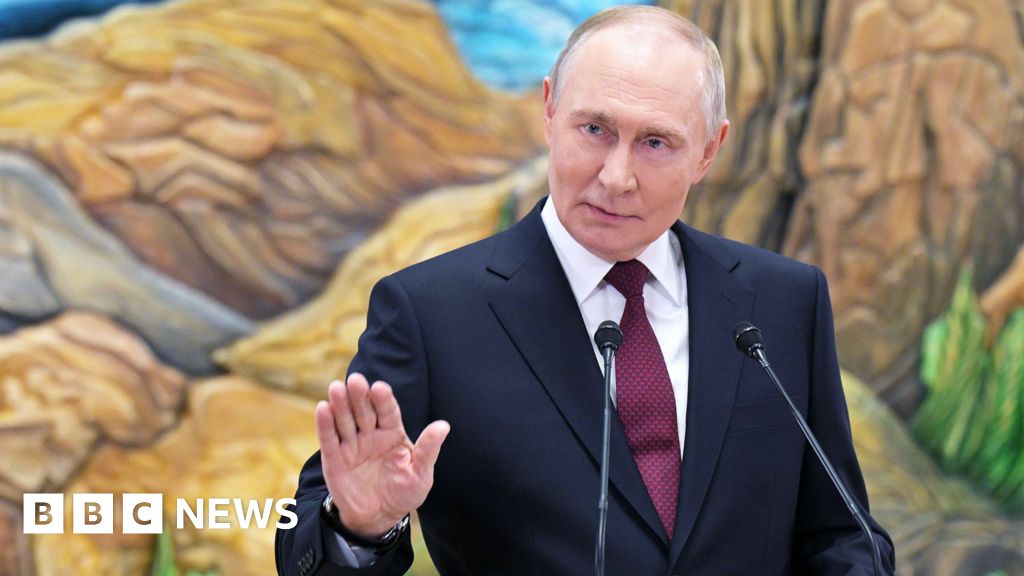
Putin Stands Firm on Ukrainian Land Ahead of US Talks

The unfolding conflict in Ukraine continues to redefine the global geopolitical landscape, with President Vladimir Putin asserting that Russia will only cease its military operations if Kyiv’s forces withdraw from territories Moscow claims as its own. These demands include the controversial annexation of the Crimean Peninsula in 2014 and the ongoing occupation of the Donbas region, made up of Luhansk and Donetsk. Moscow’s insistence on legal recognition for these seized territories signals a hardening stance that complicates any prospects for diplomatic resolution. As seen through the lens of international analysts and historians, such as Dr. Catherine Pugh of the International Institute for Strategic Studies, these demands serve as a stark reminder of Russia’s strategic aim to cement transitional zones of influence and undermine Ukraine’s sovereignty permanently.

Meanwhile, Ukraine remains resolute, firmly rejecting any proposal that would legitimize Russian territorial gains through mere recognition of de facto control. Kyiv’s leadership has consistently indicated that territorial concessions are off the table, emphasizing that rewarding aggression would set a dangerous precedent for sovereignty across Europe and beyond. Putin’s recent trip to Kyrgyzstan, where he accused Ukraine of fighting “to the last Ukrainian,” underscores Russia’s willingness to escalate the conflict with an unwavering conviction that the current battlefield advantage grants them the initiative. According to the Institute for the Study of War, Moscow’s slow, attritional advances, particularly in eastern Ukraine, could stretch over the next two years, risking ongoing loss of manpower and resources—a clear sign that Russia’s military engagement, though persistent, is becoming increasingly costly and politically contentious.

The diplomatic arena is no less turbulent. Recently, a draft peace plan, initially skewed heavily in Moscow’s favor, has become a focal point for international diplomacy. According to reports, the revised document leaves unresolved critical issues like the status of Crimea and the Donbas, along with security guarantees for Ukraine. Putin’s assertion that the current draft could form the “basis” for future peace agreements highlights Russia’s strategic intent to wield diplomatic leverage, conditioning a resolution on recognition of its territorial claims. Meanwhile, the upcoming visits by U.S. officials—such as special envoy Steve Witkoff and potential discussions involving Jared Kushner—indicate that the West remains engaged in a delicate balancing act: seeking an exit from conflict yet wary of legitimizing Moscow’s territorial ambitions. European leaders, like Ursula von der Leyen, have expressed skepticism about Russia’s true intentions, condemning the Kremlin’s view of Europe as a “sphere of influence” and warning that such post-World War II mindsets threaten regional stability.

As the international community watches with bated breath, the conflict’s trajectory remains uncertain—yet undeniably pivotal. Putin’s dismissive attitude towards Ukrainian leadership and European warnings of future escalation reflect an overarching strategy grounded in resilience and repression. The ongoing debate over recognition, sovereignty, and security guarantees is but the latest chapter in a broader struggle that threatens to reshape borders and alliances for generations to come. Amidst the turmoil, a precipice looms: history is being written not just by the powers involved, but by the very decisions that could either cement peace or plunge Europe into a protracted shadow of conflict. The weight of this moment surpasses diplomacy; it is a defining juncture that will echo through the corridors of history, testing the resolve of nations and the endurance of liberty itself.

Jess Cartner-Morley reveals how the countryside style is making a fresh statement—ditch the flat cap clichés and stay ahead of the trend game

Every decade, the fashion industry seems to experience a cyclical retreat to The Countryside. But this isn’t just about a nostalgic throwback to pastoral living; it’s a cultural shift rooted in our collective longing for authentic, wholesome experiences amid a digital era that often feels overwhelming and disconnected. This seasonal trend, resurrected in recent months, is shaping not only how young consumers dress but also how they seek meaning and social relevance in their lifestyle choices. Influencers on platforms like TikTok and Instagram are championing this movement, showcasing a new kind of rural-inspired style that celebrates wholesomeness without the clichés of fishing hats and oversized flannel shirts.

What makes this reimagined countryside aesthetic compelling is its social relevance: it represents a form of resistance to the relentless pace of modern life. Sociologists note that amidst our hyper-digital existence, clothes that evoke nature—such as Fair Isle sweaters, rugged barn jackets, and sturdy hiking boots—serve as symbolic gestures of grounding and authenticity. For Gen Z and millennials alike, these garments act as armor against societal pressures, signaling a desire for simplicity, stability, and connection to a perceived natural order. As influencers like @EcoChic and @RusticRebel spread this vibe, fashion pundits are observing a steady shift: outdoor-inspired styles are no longer just for weekends but have become staples for everyday urban life, blurring the lines between city slicker and country dweller. This cultural phenomenon underscores an emerging movement—seeking physical and emotional balance in a chaotic world.

However, this countryside revival isn’t just about wardrobe aesthetics; it also reflects a broader cultural dialogue. Brands are jumping on the trend, offering classic items like waxed duffle coats and Fair Isle jumpers, signaling an embrace of heritage and craftsmanship. Meanwhile, lifestyle marketers push narratives of rustic tranquility, encouraging the younger generation to “touch grass”—a viral phrase encapsulating the desire to disconnect from screens and reconnect with nature. This trend has social media virality written all over it, with posts celebrating autumnal foliage, picnics in leaf-strewn parks, and outdoor cafés that mimic countryside charm, feeding a collective craving for simplicity amidst urban complexity.

  • Top items shaping this trend: Classic waxed jackets, ribbed wool vests, high-waisted jeans, sturdy hiking boots, vintage-inspired accessories like silver hoops and retro sunglasses.
  • Influencers to watch: TikTokers and Instagram personalities promoting sustainable, rural-inspired fashion that champions authenticity over commercial superficiality.
  • Social themes: Resistance to fast-fashion’s disposability, embracing heritage, and advocating for greener lifestyles rooted in nature.

As this countryside aesthetic firmly plants roots in contemporary culture, the next question looms: is this just a fleeting seasonal fad, or does it signal a deeper societal longing for authenticity and sustainability that will redefine youth lifestyles for years to come? Will we see a transformation in how the fashion industry approaches both design and marketing—moving away from hyper-processed trends towards more meaningful, environmentally conscious narratives? The future of this trend could very well hinge on whether authenticity can maintain its appeal in a world increasingly obsessed with the next big thing. Among the leaf-strewn paths and cozy cafés, one thing is certain: the countryside may no longer be a backdrop but a blueprint—drawing a new generation towards a more grounded, genuine future.

Social Media Auto Publish Powered By : XYZScripts.com