Matox News

Truth Over Trends, always!

Netherlands pushes ahead with plan to block imports from illegal Israeli settlements

The European Union is witnessing a pivotal moment in its approach to the ongoing tensions in Palestine, as a coalition of European nations takes decisive steps to recalibrate their engagement with Israel. Historically a close ally of Tel Aviv, the EU now faces mounting pressure from its own member states—led by Netherlands—to implement targeted sanctions over the expansion of illegal settlements in the occupied West Bank. This shift signals a broader re-evaluation of European foreign policy, driven by the grim reality of escalating violence and a contentious debate over international law. The recent wave of legislative proposals and diplomatic actions underscores a deeper concern: how to balance economic interests with moral responsibility in a region teetering on the brink of irreversible conflict.

In May, the Netherlands, one of Israel’s most enduring European supporters, made a historic move by launching a comprehensive review of the EU-Israel association agreement. This agreement, which underpins tariff-free trade and Israel’s participation in key research programs like Horizon Europe, is now under threat as evidence mounts of violations of human rights obligations—highlighted by the International Court of Justice and numerous human rights organizations. Analysts from institutions such as the European Council on Foreign Relations warn that the EU’s leverage over Israel—representing approximately one-third of its global trade—has historically been underutilized. Now, with a push for sanctions including trade bans with settlement zones and restrictions on diplomatic functions, Europe may finally leverage its economic influence to deliver a political message: impunity for illegal occupation cannot continue unabated.

The growing internal dissent within Israel is also evident as the Knesset advances legislation that could effectively annex parts of the West Bank, in defiance of international consensus. Recent reports indicate an increase in attacks on Palestinian civilians—averaging eight daily incidents—including assaults on property, agriculture, and lives, with those percussive figures likely understated due to unreported cases. Israeli political factions demanding formal annexation, combined with aggressive settlement expansion, threaten the very viability of a peace process promised by international diplomacy. Such actions are raising fears among analysts that the two-state solution is slipping beyond reach, risking a permanent bifurcation that could destabilize the region for generations.

As global institutions and international lawmakers debate the future of Palestine, the geopolitical landscape is shifting. The European Union stands at a crossroads: sustain its historic commitments to dialogue and human rights, or wield its economic might to confront violations head-on.

  • The suspension of Israel’s access to Horizon Europe and potential sanctions on senior ministers embodies a new stance—one that emphasizes accountability.
  • Calls for total trade bans with settlement zones aim to send a clear, unwavering message—business as usual is over.

As diplomats and analysts grapple with the repercussions of these policies, the weight of history presses heavily upon the horizon. The decisions made today could reshape the geopolitics of the Middle East, determining whether peace can ever be achieved or whether the region plunges further into a cycle of conflict and unaccountable violence. In this fragile moment, the world watches, uncertain if diplomacy will prevail or if the weight of inaction will forge a future scarred by the echoes of unresolved conflict.

ITV shares surge ahead of talks to sell TV arm to Sky

In a significant move that underscores the shifting landscape of international media ownership, the United States telecom giant Comcast is eyeing a strategic acquisition of ITV’s media and entertainment assets in the United Kingdom. This proposed deal, which aims to expand Comcast’s global footprint, highlights the burgeoning influence of American corporations in shaping European media narratives and markets. While the deal explicitly excludes ITV Studios—the prolific program-making division responsible for hit shows like Love Island and I’m a Celebrity—it nonetheless raises profound questions about market dominance and regulatory oversight in an era dominated by digital and traditional media convergence.

Analysts warn that the proposed acquisition could consolidate a dangerously high market share within the UK advertising and broadcasting sectors, prompting renewed concerns over market monopolization. Specifically, the underway combination of ITV’s ad sales operations with those of Sky—another key player under the Comcast umbrella—could potentially command over 70% of the UK ad market. Such dominance would give Comcast unprecedented influence over both conventional and digital advertising spheres, effectively allowing the conglomerate to manipulate the flow of information and cultural output across Britain. International regulatory agencies, including the Competition and Markets Authority (CMA), are now under pressure to re-evaluate how they define and measure market power, especially as digital advertising continues to reshape the industry’s landscape.

This unfolding corporate narrative echoes historical patterns observed during the late 20th century, when dominant media conglomerates began amassing power across borders, often resulting in increased censorship, reduced media diversity, and a further consolidation of narrative control. Global institutions like the International Telecommunication Union (ITU) and EU regulators are now watching closely, wary that unchecked corporate acquisitions could threaten national sovereignty and democratic accountability. For critics, this move signals a broader retreat of independent media and a shift towards a corporate-mediated information environment—one that favors market supremacy over societal diversity. Moreover, the economic strain faced by ITV—announcing a £35m budget cut amidst a sluggish macroeconomic climate—further exemplifies the fragility of localized media outlets navigating a landscape increasingly overshadowed by foreign corporate interests.

Going forward, the future of media independence and societal influence will be firmly intertwined with geopolitical decisions, strategic corporate moves, and regulatory responses. If history teaches anything, it is that such consolidation may mark the beginning of an era where corporate interests eclipse national priorities. The unfolding drama over ITV’s assets may appear as a business deal on paper, but in reality, it symbolizes a battle over control of cultural narratives and societal values—an ideological contest with profound implications for the global balance of power. As this story continues to develop, the world watches with bated breath, conscious that today’s corporate mergers may shape the fabric of tomorrow’s societies, leaving behind a legacy that will be debated by historians and policymakers for generations to come. The pages of history are again turning, and the story of influence and control is far from over.

Top 50 Must-Watch Shows on HBO Max This November — Stay Ahead of the Curve

HBO Max’s Evolution Reflects Broader Disruption in Streaming & Original Content Innovation

In an era marked by rapid technological shifts and fierce industry disruption, HBO Max exemplifies the strategic resilience and pioneering spirit necessary to remain relevant. Once lauded as a premier streaming service, HBO Max is now navigating a transformative phase driven by content diversification, technological innovation, and the relentless pursuit of business disruption. Despite facing challenges to its former prestige—highlighted by waning subscriber growth and intense competition from newcomers like Netflix and Disney+—the platform continues to push boundaries by investing in groundbreaking series and embracing new content formats that could reshape how audiences consume stories.

The platform’s foray into original programming underscores a broader industry trend: the shift from traditional broadcasting models to a business landscape where innovation and disruption serve as core survival strategies. Critics point to HBO Max’s decisive move in developing genre-defining series such as The White Lotus, Industry, and Dune: Prophecy, which encapsulate its commitment to a disruptive business model—one that leverages premium content to secure a dedicated niche amidst a crowded market. These offerings not only reinforce HBO Max’s brand as a haven for premium storytelling but also exemplify how streaming services are innovating through content that challenges industry norms and expectations, a move echoed by forward-thinking institutions like MIT’s Media Lab and analysts from Gartner who emphasize the importance of agility in media business models.

Disruption Through Innovation: Moving Beyond Conventional Narratives

The platform’s recent slate reveals a strategic pivot toward technologically innovative storytelling—from integrated AR/VR experiences to sophisticated narrative structures tailor-made for a younger, tech-savvy audience. Series like Tokyo Vice, which merges investigative journalism with high-stakes crime drama, leverage cutting-edge visual effects and multi-platform storytelling to amplify viewer engagement. Simultaneously, HBO Max’s dark and surreal offerings, such as Rain Dogs and True Detective: Night Country, exemplify the industry’s move towards more immersive and complex genres, disrupting traditional TV formats and setting new storytelling standards.

  • Expansion into global markets: HBO Max’s first Spanish series, When No One Sees Us, indicates a strategic diversification aimed at capturing and disrupting regional markets.
  • Innovative sub-genre exploration: Shows like The Franchise, which satirizes superhero universes, exemplify an industry trend towards meta-commentary and genre-blending that appeals to younger audiences eager for fresh narratives.
  • Enhanced viewer engagement: Utilizing AI and data analytics, HBO Max is reportedly exploring personalized content delivery, targeting market segments with tailored storytelling—an urgent response to how audiences demand more interactive experiences.

Business Implication: Realigning Strategies for Future Dominance

The ongoing transformation at HBO Max underscores the imperative for disruption-oriented business strategies. As industry experts from Gartner warn, traditional media models are increasingly untenable in the face of digital-native competitors and changing consumer expectations. HBO Max’s investment in intellectual property that merges high-concept narratives with technological advancements signals a recognition that future success hinges on agile adaptation and innovative content differentiation. This approach resonates with futurists like Peter Thiel, who argue that privileged monopoly positions in emerging spaces—such as immersive streaming and interactive content—are critical for sustained growth.

Looking ahead, the challenge for HBO Max—and similar platforms—is to harness these innovations not merely as gimmicks but as transformative business levers. The platform must continuously iterate on content delivery mechanisms, embrace global diversification, and invest in emerging tech to outpace rivals. Its ongoing series, including the upcoming First Day on Earth and a renewed True Detective, are only signs of a larger wave: the dawn of a new epoch where disruption and innovation are the currency for dominance in the streaming economy. To succeed, HBO Max and industry leaders must act swiftly before their competitors—digital giants and tech disruptors—seize the future, leaving traditional models—and perhaps even HBO Max itself—rendered obsolete.

BBC Correspondents Break Down the Wins and Risks Ahead

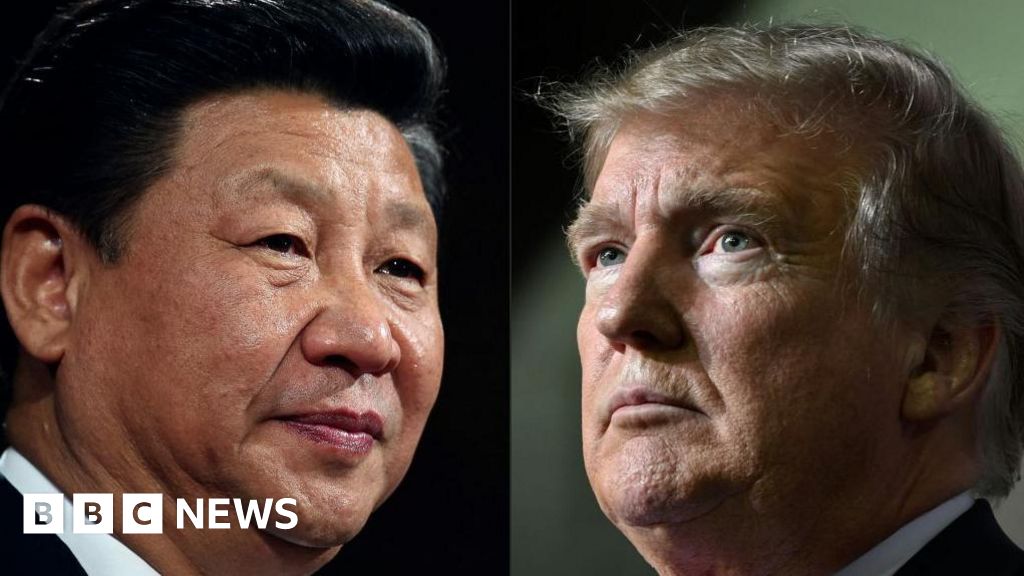
As President Donald Trump commences a landmark diplomatic tour across Asia, the world stands at a pivotal junction in geopolitical dynamics. His itinerary, which includes summits with regional leaders and a high-stakes face-to-face with Xi Jinping, epitomizes an era characterized by intense rivalry, economic brinkmanship, and strategic recalculations. At the heart of this voyage is the future of U.S.-China relations, a contest that global analysts and historians alike warn could reshape the international order for decades to come. These negotiations are not merely about tariffs or trade deficits but are emblematic of a broader struggle for supremacy in technology, influence, and geopolitical dominance.

The upcoming meeting between Trump and Xi Jinping is being scrutinized worldwide as a potential turning point—either for de-escalation or an escalation that could plunge the region into renewed tension. Experts warn that any failure to negotiate effectively could result in a prolonged trade war with devastating ripple effects across global markets and supply chains. China, having learned from previous confrontations, displays a resilience that suggests it is prepared to accept economic pain in exchange for strategic gains. As Beijing seeks to assert more control over its technology and military ambitions—particularly in AI and Taiwan-related issues—it tests the limits of the U.S.‘s willingness to enforce tariffs and strangleholds. Meanwhile, Washington views the outcome as critical to maintaining its leadership position and ensuring access to the vital rare earth materials that are indispensable for modern technology and defense systems.

Meanwhile, regional players such as Japan, Southeast Asian nations, and South Korea are anxiously watching these diplomatic chess moves. Japan’s new Prime Minister, Sanae Takaichi, faces the immediate task of forging stable ties with Trump to secure enduring trade and defense agreements, including increased U.S. military commitments. The prospects of finalizing tariff deals—particularly on automobiles—act as a litmus test not only for her leadership but for the stability of regional economic security. Asia’s manufacturing powerhouses, already strained under Trump’s tariffs, are anxiously awaiting substantive progress, knowing that economic stability hinges upon agreements that could either foster greater supply chain resilience or ignite further instability. Historically, Asia has been caught in the crossfire of superpower rivalries, but recent decisions suggest a new chapter of economic warfare and strategic assertion.

Across the wider Indo-Pacific, the impending summit also serves as a gateway for toxic diplomacy and echoes a larger saga—one that involves North Korea’s enigmatic leader, Kim Jong Un. While Trump and his regional allies flirt with the idea of diplomacy—sometimes talk of a potential summit with Kim surfaces—the real challenge lies in balancing his aggressive tariffs with the looming threat of nuclear proliferation. South Korea’s leadership, caught between economic interests and security concerns, hopes for a deal that would lower tariffs and curb North Korea’s missile ambitions without compromising regional stability. But with evidence mounting that North Korea aims to leverage its nuclear arsenal for negotiations, the prospects of peace remain precarious, further complicating an already volatile mosaic.”

As history continues to unfold amid these shifting alliances and confrontations, the world watches with bated breath. Every handshake, every agreement, and every threat carries the weight of a new chapter—one where powers clash and alliances are tested. Whether the peace forged will endure or shatter under the pressure of ambition, rivalry, and ideology, remains to be seen. In the shadow of these towering figures and monumental decisions, the true story of the 21st century is still being written, its final ink yet to dry, shaping the destiny of nations and societies both near and far.

Thailand’s Queen Mother Sirikit Passes at 93 — A Lasting Legacy Ahead of the Future

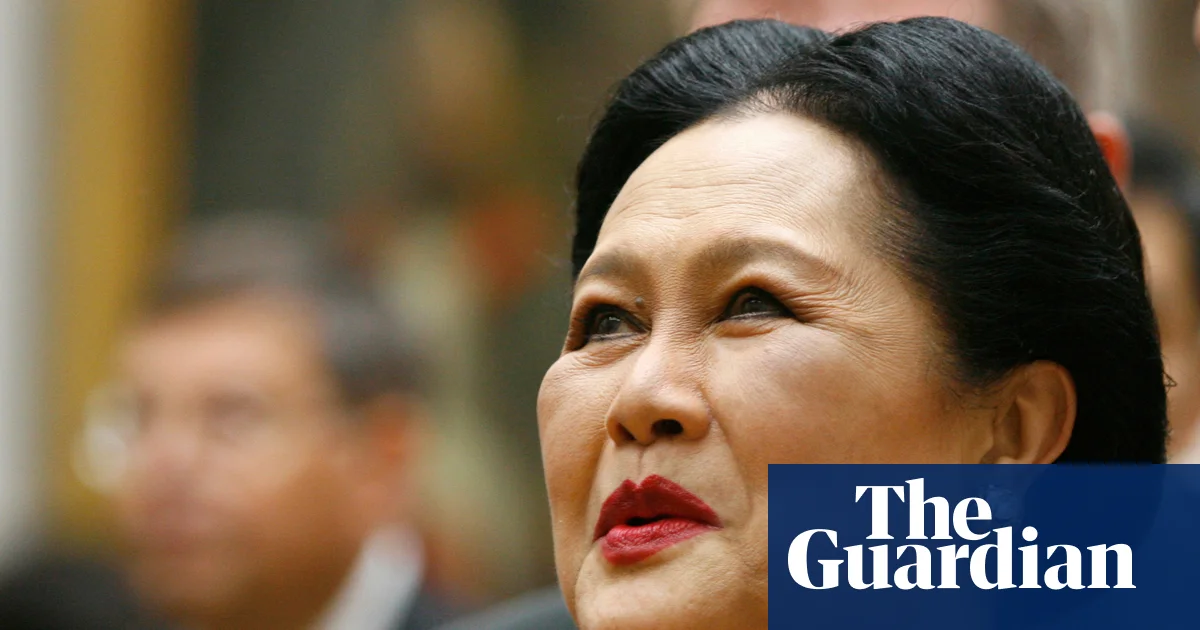
Thailand has experienced a profound national loss with the death of Queen Mother Sirikit, a towering figure who symbolized resilience, cultural pride, and maternal virtue for over nine decades. Her passing at age 93, announced by the Thai Royal Household, marks a pivotal moment not only for Thailand but also for the shifting dynamics of Southeast Asian geopolitics. Her death, after years of declining health, underscores the end of an era where the monarchy was both a unifying symbol and a subtle political actor—an institution whose influence extends far beyond the palace walls, shaping the socio-political fabric of the nation.

Despite her largely quiet public life since her 2012 stroke, Queen Sirikit remained a revered maternal figurehead, celebrated for her charitable work and the preservation of Thai tradition. Her deep-rooted ties to cultural identity and national cohesion rendered her an indelible part of Thailand’s collective consciousness. The declaration of a one-year mourning period exemplifies the magnitude of her significance, which transcended political boundaries and fostered a unifying narrative amid the nation’s long history of coups and government instability. In a country where lèse-majesté laws strictly curb any criticism of the monarchy, her death will be observed with profound reverence, emphasizing her enduring role as the cornerstone of Thai identity.

Historically, the Thailands’ monarchy has served as an anchor amidst turbulent political tides. King Bhumibol Adulyadej, her husband, reigned for 70 years, a period marked by stability through crises and upheavals. Queen Sirikit, from her Parisian roots—where she studied music and languages—wove herself into the social and cultural fabric of Thailand, revitalizing traditional weaving and silk industries and embarking on development initiatives in rural areas. Her dynamic involvement in political affairs, particularly as acting regent during her husband’s absences, exemplifies how the royal family has often intertwined with state affairs, subtly influencing policy and political shifts.

The geopolitical implications of her death ripple through Southeast Asia, where monarchies remain powerful symbols. Many analysts emphasize that Thailand’s monarchy, long regarded as a stabilizing yet discreet political force, continues to influence regional dynamics. With her son, King Maha Vajiralongkorn, now ascending the throne, questions remain about how the monarchy will navigate Thailand’s evolving political landscape. Observers such as political historians and international organizations warn that the royal family’s role could become even more critical in maintaining regional stability or, conversely, ignite tensions if internal or external forces seek to challenge royal authority.

As the world watches, and Thailand mourns, the death of Queen Mother Sirikit signals not merely a personal loss but the fading of a legacy that symbolized maternal authority, cultural preservation, and a subtle, often opaque, political presence. The process of her farewell, marked by official ceremonies and national mourning, invites reflection on how a single figure can embody the history—and perhaps the future—of a nation. Under the weight of history, the question remains: how will Thailand’s monarchy adapt and endure in an era of rapid change, and how will their decisions reshape the geopolitical contours of Southeast Asia? The answer lies hidden in the ongoing unfolding narrative—a story written in the quiet resilience of a nation, and in the shadows where power still silently resides, waiting for the next chapter to be inked in the pages of history.

Europe’s coolest capital is leveling up—stay ahead of the vibe wave

In recent years, Lisbon has experienced a remarkable renaissance, transforming from a classic European capital into a hub of youthful energy, multicultural flair, and entrepreneurial spirit. This vibrant city, perched high above the River Tagus and winding into the hills, now draws the world’s young travelers, digital nomads, and cultural explorers seeking a dynamic lifestyle destination. With its affordable rents, electrifying nightlife, and a rich tapestry of streets brimming with tradition, Lisbon exemplifies the compelling shift towards an urban renaissance that combines historical reverence with modern vitality.

The pulse of Lisbon’s revival is felt not just on the streets but deep within its culture and cuisine. The city’s local pride shines through when you walk its neighborhoods—the Belem district’s famed pastel de nata pastries, Fado singers in Alfama echoing romantic tales, and gatherings celebrating their patron saint, St. Anthony, with sardines and local wine spilling into the alleys. This city’s confidence is evident in its residents, who are now embracing their Portuguese identity unapologetically. Local authorities and cultural figures, like renowned chef José Avillez, highlight how in the midst of modern innovation, the soul of Portugal’s culinary art remains rooted in essential ingredients, simple love, and a уважениеrespect for tradition.

The city’s seafaring history is equally central to its identity. Lisbon’s connection to the Atlantic Ocean persists along its wide riverbanks and historic monuments like the Padrão dos Descobrimentos. This long-standing maritime pride is embodied by modern explorers such as solo sailor Ricardo Diniz, who continues the legacy of Portuguese adventurers with every voyage. The spirit of discovery fuels Lisbon’s ongoing narrative—a narrative not merely of exploration but of pride in cultural resilience and entrepreneurial spirit. The city’s resurgence has been fueled, in part, by outsiders—travelers, entrepreneurs, and expats—who fall in love with its confidence and authenticity, and spread the city’s newfound reputation globally.

  • Visit local markets and taste the fresh sardines during the Festival of St. Anthony for an authentic experience.
  • Explore Lisbon’s historic districts such as Alfama and Mouraria, where music, history, and tradition intertwine.
  • Indulge in Portuguese cuisine, from Michelin-starred restaurants to humble cevicherias, celebrating a culinary soul that marries tradition with creativity.

For many, Lisbon’s story isn’t solely about tourism but about a lifestyle shift—a conscious embrace of a life that balances the past with the present. Influenced by cultural icons and wellness experts advocating for a mindful and connected lifestyle, young people are finding that this city offers more than just scenic beauty; it offers a journey of self-discovery. From its historic maritime museums to its contemporary art galleries and lively cafes, Lisbon invites its visitors to reflect on what it truly means to be proud of one’s roots while courageously stepping into the future. As the city continues to evolve, it reminds us that a community’s spirit and history are not nostalgic relics but the foundation of a vibrant, inspiring life tomorrow.

Rising Risks Ahead: Pregnant Women in England Face Growing Danger During Birth

Across England, recent data from the National Health Service (NHS) reveals a troubling trend: an increase in serious injuries sustained by pregnant women during childbirth. Specifically, the incidence of third- and fourth-degree perineal tears—known medically as obstetric anal sphincter injuries (OASI)—has risen from 25 in 1,000 in mid-2020 to 29 in 1,000 this year, a stark 16% increase. These injuries, which damage critical muscles and tissues during delivery, can leave women with long-term pain, mental health challenges, and even difficulties in intimacy and continence. Such data challenge society’s collective understanding of maternal health and threaten to undermine the very fabric of family stability and community cohesion. This rise in trauma during a moment that should symbolize new beginnings is a reflection of systemic failings that demand urgent attention, because families are fundamentally impacted when mothers are left to endure preventable injury.

While some medical professionals advocate for the widespread use of the “OASI care bundle”—a set of protocols designed to assess and reduce tear risks—compliance remains inconsistent across NHS maternity units. According to social commentators, these discrepancies highlight deeper issues rooted in resource allocation, training, and prioritization within public health institutions. Historian and sociologist Dr. Margaret Collins notes how the neglect of proper risk assessments not only endangers physical health but erodes trust in healthcare systems that should serve as pillars of societal safety and support. Moreover, the failure to apply recommended assessment protocols contributes to errors like misdiagnoses, exemplified by the recent case where a woman at the University Hospitals Sussex NHS Trust was wrongly diagnosed with a second-degree tear, ultimately suffering life-changing complications. These failures underscore how inadequate care perpetuates cycles of trauma that ripple through families and communities, shining a spotlight on the importance of accountability and moral responsibility within our healthcare framework.

The societal repercussions of maternal injuries extend beyond the individual to influence family dynamics and community stability. Injuries like OASI can induce conditions such as post-traumatic stress disorder (PTSD) and *secondary tokophobia*—a fear of pregnancy—forcing women to reconsider their desires to have additional children. Children, in turn, are affected by disrupted bonding and maternal mental health challenges; these issues threaten the core social unit—family—that sustains societal continuity. According to social worker and obstetrician Dr. Ranee Thakar, many of these injuries are treatable, yet the failure to consistently implement preventive protocols leads to avoidable suffering.

  • Inadequate assessment and intervention
  • Lack of standardized implementation of safety protocols
  • Insufficient training for care professionals

These are societal failures echoing through generations, highlighting the urgent need for systemic reform. As sociologists like John Williams argue, societal trauma manifests in family instability and workforce disengagement, ultimately weakening the social fabric.

Despite national efforts to address these issues—such as the recent audit revealing that over 3% of women experienced some form of perineal tear—challenges remain. The government asserts that improvements are underway, with healthcare authorities promising enhanced perinatal pelvic health services and increased adherence to safety protocols. Yet, the persistent rise in injuries illustrates that socio-political commitments often fall short of effecting real change. Like the unresolved societal tensions documented by historian Eric Johnson, these failures underscore how *neglect of vulnerable populations*—in this case, pregnant women—can result in a cycle of trauma that deprives communities of their future generations. As society stands at this crossroads, the question remains: will we choose to prioritize the health and dignity of mothers, or let systemic indifference continue to threaten the foundation of our families?

In conclusion, the rising incidence of severe childbirth injuries in England exposes the cracks in our societal structure. The challenge is not solely medical but moral—a collective call to protect the essence of community, tradition, and human dignity. As families grapple with the aftermath of preventable trauma, society must reflect on how systemic oversight and cultural neglect threaten the very bonds that uphold our shared humanity. With hope, systemic reforms fueled by conscientious advocacy can transform this narrative of neglect into one of resilience—restoring dignity, safety, and hope for generations to come. Society’s true strength lies in its capacity to heal, to protect, and to nurture—now and into the future.

Macron to name new French PM within 48 hours—bold move ahead of key decisions

France’s Political Turmoil: A Nation on the Brink of Uncertain Future

The recent developments in France signify a critical juncture in the nation’s political landscape, with President Emmanuel Macron poised to name a new prime minister within the next 48 hours, as confirmed by the Elysee Palace. This move comes amidst escalating political division following snap elections in July 2024 that failed to produce a clear parliamentary majority. Since then, France has been mired in a political stalemate, with successive prime ministers, including Sébastien Lecornu, struggling to steer the country through its daunting economic and social crises. Historians warn that such persistent instability could erode France‘s influence within the European Union and compromise global efforts to address economic and security challenges.

This internal crisis, driven by an inability to form a cohesive government, masks the deeper problems that threaten France’s future trajectory. The nation faces mounting debt—€3.4 trillion, nearly 114% of its GDP—placing it behind only Greece and Italy within the eurozone. Previous governments have failed to implement sustainable reforms, often ousted after presenting austerity budgets that were politically unfeasible to pass. Now, with Macron’s coalition fractured and factions on the far right and left voicing extreme demands—including calls for fresh elections and Macron’s resignation—the question arises whether France can stabilize or if it teeters on the brink of deeper chaos. Analysts from the European Economic Review suggest that ongoing fiscal turmoil and ideological rigidity could weaken France’s position on the global stage, emboldening rivals and destabilizing regional alliances.

The international geopolitical impact of France’s internal disarray extends beyond its borders. As a core member of the European Union and a nuclear power, France’s stability is crucial for European security architecture and its role as a mediator on the world stage. Geopolitical strategist Dr. Marcus Bell points out that the declining authority of Macron’s government may lead to a shift in regional balances, with the potential rise of populist and nationalist movements pushing an inward-looking agenda. This political fragmentation could impair Europe’s collective response to emerging threats, such as instability in Eastern Europe, rising Russia-China alliances, and the ongoing global competition for influence in Africa and the Middle East. As some international organizations warn, “a divided France may embolden adversaries,” particularly amid crises testing the resilience of Western democracies.

Meanwhile, within France, leaders are increasingly aware of the stakes.

  • Far-right leader Marine Le Pen has reiterated her stance against the current government, vowing to prevent the formation of any new administration and demanding fresh elections.
  • Left-wing factions, exemplified by Mathilde Panot, are pushing for the resignation of Macron, citing constitutional failures and systemic discontent.

Ever more apparent is the divergence between political factions, as Macron’s once steady leadership appears increasingly isolated. The international community watches with cautious concern, recognizing that the outcomes in France will influence the broader geopolitical landscape. As Macron navigates this turbulent period—a moment historians may later regard as a turning point—the weight of history lingers, awaiting the next chapter to be written. How France’s leaders choose to act now may very well determine whether the nation emerges stronger from these shadows or descends into a period of unprecedented chaos, echoing through the annals of history for generations to come.

Snag the Bose QuietComfort Ultras for just $284—Save $145 for a limited time and stay ahead in style and sound!

The New Wave of Lifestyle: How Tech Deals Shape Our Cultural and Social Landscape

In a world pulsing with constant innovation, consumer technology trends continue to redefine the way younger generations connect, work, and entertain. This season, the buzz is centered around not only groundbreaking products but also a societal shift driven by massive online deals and the desire for the latest gadgets at irresistible prices. Amazon’s recent Prime Big Deal Days exemplifies this cultural phenomenon, with hundreds of deals reaching record lows and symbolizing a new form of digital lifestyle ownership that’s increasingly tied to social status and personal expression.

At the forefront of these trends are products like the Bose QuietComfort Ultra headphones. For the first time ever, the ultra-premium headphones have dipped below $300—specifically, a stunning $145 discount to just $284. The fact that this deal is available only in the Deep Plum color further highlights how brands are now cultivating a sense of exclusivity and individual style, resonating deeply with a generation eager to showcase personal identity through choice of accessories. These headphones aren’t just tools for better sound; they symbolize a societal shift toward prioritizing comfort, quality, and personalized aesthetics. As reported by influencers and tech analysts, this confluence of luxury and affordability is transforming how youth perceive their everyday tech, making it an extension of their #personalbrand and social currency.

This evolving lifestyle is underscored by a broader trend: the integration of high-tech gadgets into everyday life as social symbols. Leading sociologists argue that these tech purchases are serving a dual purpose—enhancing personal productivity while serving as a statement of modern identity in a digital age. The days of simply owning gadgets are fading; now, early adopters and trendsetters look for exclusive, stylish, and functional items that can double as conversation starters, especially amid a thriving culture of social media showcasing. As the younger demographic continues to influence market dynamics, companies like Bose are not just selling headphones—they’re selling a lifestyle rooted in tech-savviness, individualism, and social relevance.

Adding a layer of complexity, experts suggest that this consumer behavior is also reflecting a deeper societal shift toward **”digital exclusivity”** —where owning the latest tech isn’t just practical but a manifestation of social status. The review of Bose’s first-generation Ultra models highlights their comfort and battery life—the qualities favored by youngerusers. The fact that such high-end products are now more accessible than ever signals a shift in how youth engage with luxury, emphasizing entertainment, convenience, and identity expression over mere functionality. With brands tailoring limited editions and colorways to appeal to specific subcultures, we are witnessing the emergence of an entire consumer class for whom tech is not just utility but a form of cultural expression.

Yet amidst these cultural shifts, a poignant question arises: what does this evolving relationship with technology say about our future societal values? If the current trajectory suggests that possessions are becoming symbols of identity and social standing, then the next big question isn’t just about *what* we buy but how our shared consumption patterns shape societal norms. As influencers and sociologists debate whether this new tech-centric lifestyle fosters authentic self-expression or superficial status, the real puzzle remains: are we paving a future where our gadgets define us more than our actions or character? This ongoing societal experiment might redefine not only our trends but also the very fabric of social status in the digital age—nudging us toward a world where the line between lifestyle and social currency is increasingly blurred.

Rising Stars Shine in Latest Youth Sports Showcase, Promising Bright Futures Ahead!

Ravens Face Uncertain Future Without Jackson, Shift from Favorites to Underdogs

As the Baltimore Ravens prepare for their upcoming showdown this Sunday, they are grappling with the troubling implications of star quarterback Lamar Jackson‘s hamstring injury. This pivotal development has shifted the Ravens from being pre-game favorites to underdogs, prompting many analysts to reassess their prospects in a fiercely competitive league. Jackson’s absence could prove detrimental, leaving fans to wonder if the team’s playoff aspirations are now hanging by a thread.

The injury speculation has been echoed by multiple sources, including veteran sports commentator Mike Pereira, who noted, “Lamar has been the heartbeat of this offense. Without him, the Ravens may struggle to keep pace with their rivals.” This insight resonates with the team’s recent performance, as they have showcased prowess when Jackson is leading the charge. However, the looming uncertainty has compelled fans to turn their gaze towards backup quarterback Tyler Huntley, anticipating whether he can muster the same dynamic energy in his vital role.

  • Lamar Jackson has thrown for over 2,500 yards this season, making him a crucial anchor for the Ravens.
  • Jackson’s rushing capabilities, accumulating around 800 yards, highlight the multifaceted nature of his playstyle.
  • Coach John Harbaugh remains optimistic, stating, “We’ll adapt and find ways to win, regardless of who’s under center.”

As the game approaches, Ravens fans are filled with anticipation and concern. The team has experienced strong showings throughout the season, but this injury could disrupt their hard-earned momentum. Analysts are keen to see if the squad can rally together, leveraging their collective strength to face unexpected challenges. The camaraderie exhibited by teammates on and off the field serves to exemplify the unyielding spirit that defines this organization.

In sports, success extends beyond mere statistics and final scores; it embodies a sense of shared purpose and unity. Whether on the winning or losing side, players and fans alike forge connections through these electrifying moments. As the Ravens step onto the field this Sunday, the spotlight will be on their ability to adapt and come together, proving once again that sports are more than just a game—they are a powerful force that unites us through triumphs and tribulations alike.

Source link

Social Media Auto Publish Powered By : XYZScripts.com