Matox News

Truth Over Trends, always!

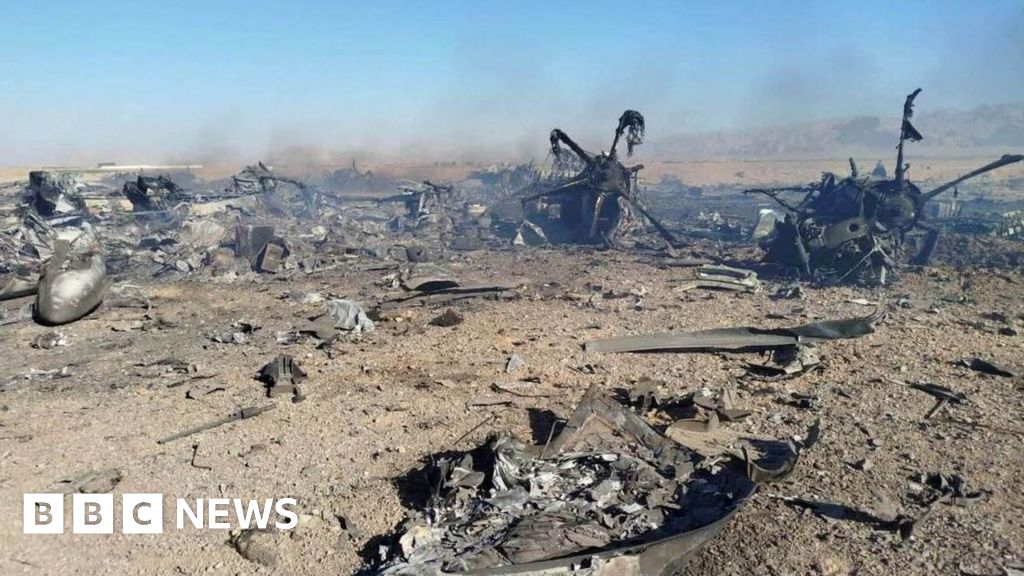
U.S. Airman Rescued in Remote Iran: The Untold Story

In an extraordinary display of international coordination and military precision, U.S. government agencies executed a covert operation to extract a high-value individual from hostile territory. The operation, which involved a multitude of agencies working seamlessly across intelligence, military, and diplomatic channels, underscores the expanding complexities of modern counter-terrorism and strategic security efforts. As details emerge, analysts suggest this mission represents a pivotal moment in the ongoing evolution of U.S. global security policy, with ramifications that stretch across global geopolitical landscapes.

Historians and security analysts have long debated the implications of such daring operations, indicating that these missions are not only technical maneuvers but also highly symbolic acts of sovereignty and resolve. According to international security experts, the success of this operation stresses the importance of advanced intelligence gathering and rapid deployment capabilities. However, it also highlights the fraught nature of conducting activities within contested zones, where complex alliances and hostilities often blur traditional lines of warfare. The operation was reportedly the culmination of months of covert intelligence gathering, meticulous planning, and real-time coordination among agencies such as the CIA, Department of Defense, and other allied entities. The ability to pull off such a high-stakes rescue in hostile territory demonstrates the U.S. administration’s unwavering commitment to safeguarding its interests and personnel abroad amidst a sea of geopolitical volatility.

This action’s geopolitical impact extends far beyond the immediate tactical success. It sends a clear message to hostile nations and insurgent groups about the reach and resolve of the United States. The operation’s timing, amidst rising tensions in regions like the Middle East and Eastern Europe, signals a recalibration of America’s strategic priorities, emphasizing proactive and surgical interventions. International bodies such as the United Nations have observed cautiously, with some analysts warning that such high-profile missions risk escalating conflicts and further destabilizing fragile regions where sovereignty is often challenged. Meanwhile, adversarial states are likely to reassess their security strategies in response, potentially leading to increased clandestine activities or retaliatory actions.

Experts like military strategists and political scientists interpret this daring rescue as a testament to the evolving nature of international power dynamics. With each successful operation, the calculus of global influence shifts, reinforcing the importance of maintaining technological supremacy and intelligence dominance. Yet, critics argue that such operations may deepen regional instability and fuel anti-Western sentiment, complicating diplomatic efforts. As the world watches, this unfolding chapter in the ongoing saga of international security continues to shape the course of history, with the weight of future conflicts resting on decisions made in secret operations and open diplomacy alike. What lies ahead remains uncertain, but one thing is clear: this event marks a significant turning point in the theater of global power, where covert operations are increasingly defining the competitive landscape. The pages of history are still being written, and this daring rescue could be remembered as both a triumph and a warning—an enduring reminder that, in the shadows of geopolitics, the stakes have never been higher.
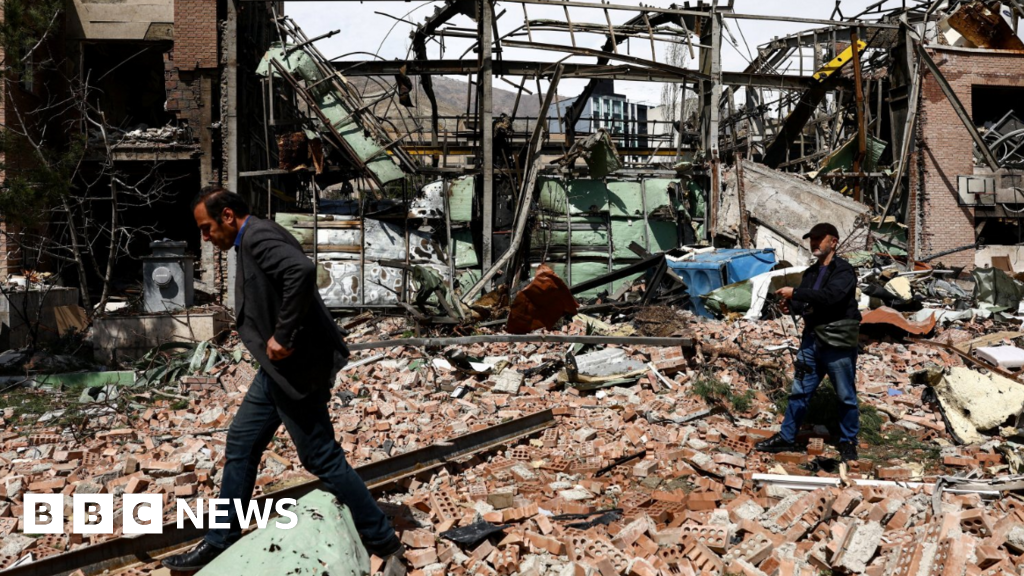

US and Iran swap warnings as search for missing airman intensifies—tensions boil over

In an era marked by burgeoning geopolitical tensions, the voice of Iran‘s leadership resonates with a stark warning that underscores the fragile stability of the Middle East. Ebrahim Zolfaghari, spokesperson for Khatam al-Anbiya Central Headquarters, issued a forceful declaration: “If hostility escalates, the entire region will turn into hell for you; the illusion of defeating the Islamic Republic of Iran will become a quagmire into which you will sink.” This statement, reflective of Iran’s increasing assertiveness, signals a clear warning to regional and global adversaries amid a complex web of alliances, rivalries, and power projections that dominate international diplomacy today.

Analysts note that Iran’s rhetoric is intertwined with a series of recent developments that reveal their strategic resilience. Tehran has been steadily advancing its regional influence, particularly through its support for allied groups and scope of missile and nuclear programs. This posture comes at a time when United States and European Union policymakers seek to navigate a landscape fraught with risks, including potential escalation into broader conflicts. The threat from Iran is viewed by many international organizations, such as the United Nations, as a pivotal factor in regional instability, capable of igniting conflicts with far-reaching consequences.

The global power struggle has shifted dramatically as Russia and China bolster their alliances with Iran, challenging the preeminence of Western influence in the Middle East. This geopolitical pivot risks transforming the region into a battleground for influence, resource control, and ideological clashes. While Washington seeks to uphold its commitments to regional allies like Israel and Saudi Arabia, Tehran’s defiant stance demonstrates how the Islamic Republic perceives itself as a resilient Axis of resistance, willing to confront what it deems external threats head-on.

  • Recent missile tests and nuclear advancements by Iran have prompted calls for renewed sanctions, yet Tehran remains undeterred, asserting its sovereignty and regional interests.
  • Diplomatic efforts towards reviving agreements like the JCPOA remain stalled amid mutual distrust, further complicating prospects for de-escalation.
  • Meanwhile, the Middle East continues to simmer with conflicts, many of which are exacerbated or manipulated by external powers seeking strategic footholds in the geopolitically vital zone.

International historians and geopolitical analysts warn that the current climate of confrontation risks plunging the region into *unprecedented chaos*. Dr. Philip Williams, a professor of Middle Eastern studies, emphasizes that “The decisions made in these crossing points of diplomacy and defiance will sculpt the future of international order itself.” As world leaders grapple with how to contain or confront Iran’s rising assertiveness, the global community stands on the precipice of a transformative epoch—one that could redefine the boundaries of peace and conflict for generations to come.

In the shadowy corridors of power, the echoes of history remind us that decisive moments are often born from the brink of catastrophe. Iran’s leadership, unwavering in its stance, signals a warning that the choices made today will ripple through the fabric of international stability. As the cold winds of geopolitics blow fiercely across the Middle East, the course of history remains in the delicate balance of diplomatic resolve and relentless confrontation. The world watches, perhaps unknowingly, as the next chapter of chaos or peace prepares to be penned—a chapter whose ending is yet unwritten, lingering in the mists of an uncertain future.

Social Media Auto Publish Powered By : XYZScripts.com


