Matox News

Truth Over Trends, always!

El Paso airspace shut down sparks chaos — blame balloons or drone threats?

In a move that has sent shockwaves through the regional and international landscape, El Paso‘s airspace was abruptly closed for ten days, a shutdown reportedly triggered by a dispute over drone technology testing conducted by the United States military. This unexpected decision underscores the fragile geopolitical climate in North America and its potential implications for broader security dynamics. Although official sources remain tight-lipped about the specific causes, various intelligence reports and military analysts suggest that the closure was directly linked to advanced drone testing operations—an area where technological escalation intertwines dangerously with sovereignty and security concerns.

The resurgence of drone capabilities has become a focal point of contention between military authorities and regional stakeholders. Critics argue that such testing, especially when conducted near border regions like El Paso, could inadvertently escalate tensions with neighboring nations or destabilize an already volatile security environment. The incident highlights the rapid pace at which technological advancements in military hardware are influencing geopolitical stability. Historians and security experts warn that without clear international protocols, these tests risk fueling an arms race that could destabilize diplomatic efforts and trigger an unintended escalation of conflict.

This closure has far-reaching geopolitical impact. Regional actors—including Mexico and various Latin American nations—are closely monitoring the United States’ military maneuvers, wary of how these tests might affect border security and regional stability. Furthermore, global institutions such as the United Nations have increasingly voiced concern over the reckless deployment of emerging military technology in sensitive zones. The turning point lies in how these technological demonstrations are perceived: as defensive innovations or as acts that could inadvertently trigger a new arms race. The decision to shutter airspace—although temporary—intensifies existing debates about transparency, sovereignty, and the need for international regulations governing drone warfare.

As the dust settles on this dispute, the world’s eyes remain fixed on Washington and its military-industrial complex. Analysts warn that such isolated incidents, if unchecked, herald a new era of confrontational posture. The international community, under increasing pressure from peace advocates and global watchdogs, faces a critical choice: to embrace arms control or risk spiraling into unprecedented levels of technological conflict. History will judge whether this brief closure marks a relic of posturing or the beginning of a broader strategic recalibration. The pages of history continue to turn swiftly, with the next chapter yet unwritten, leaving nations to ponder—are we entering a phase of responsible stewardship or reckless escalation?

US officials reopen airspace around El Paso after brief 10-day closure

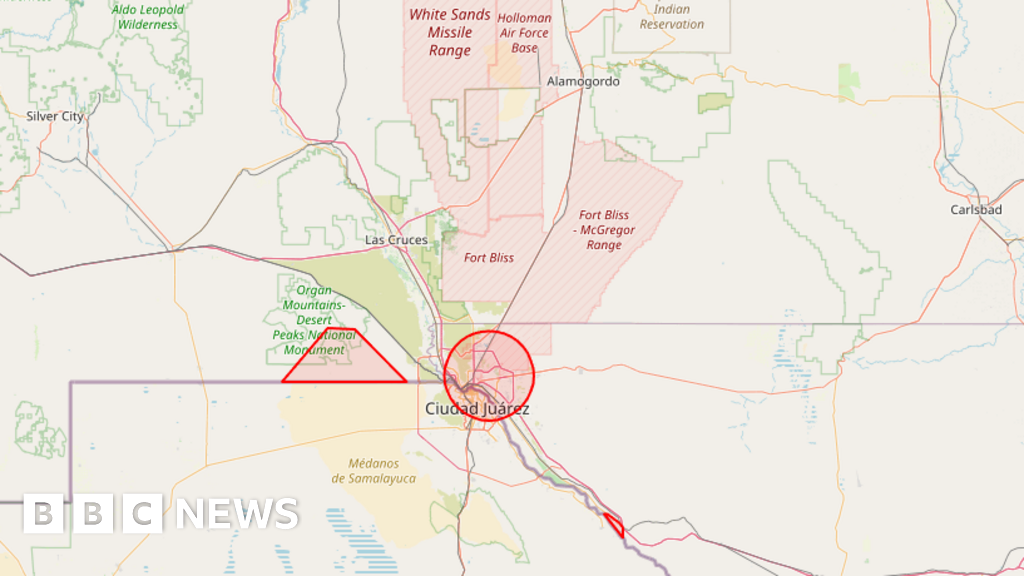
El Paso, a strategic border city with a population nearing 700,000, unexpectedly found itself at the center of a high-stakes geopolitical puzzle. The U.S. Federal Aviation Administration (FAA) announced a surprise temporary airspace closure around the region, citing “special security reasons.” This sudden move, which shut down all flights within a 10-nautical-mile radius and up to 18,000 feet, was announced merely hours before its enactment, leaving airlines, travelers, and local authorities scrambling to adapt. The decision, characterized by some as an overreach, quickly reversed within 24 hours, yet it opened a window into the complex web of border security, international relations, and internal U.S. security politics shifting beneath the surface. Analysts warn this incident signals a broader transformation in how the U.S. manages border region security amid escalating tensions with multi-national drug cartels and intelligence agencies.

Throughout the unfolding events, conflicting narratives emerged. U.S. officials initially claimed the restriction was a response to a purported “cartel drone incursion,” a move praised by some as a demonstration of aggressive law enforcement. However, critics, including local politicians and international observers, called into question the authenticity of this threat, arguing it served as a pretext for more clandestine security operations. The New York Times cited sources suggesting the closure was linked to testing anti-drone technology, a move aligned with Donald Trump’s June executive order aimed at strengthening drone defense capabilities amid rising concerns about narco-smuggling using unmanned aerial systems. Yet, Senator Veronica Escobar, representing El Paso, dismissed official claims, emphasizing the lack of prior warning or evidence of any immediate drone threat. Her skepticism highlights a growing divide surrounding transparency in border security operations and the precedence of executive powers over local communities.

The geopolitical impact is profound as Mexico’s government, led by President Claudia Sheinbaum, publicly questioned the United States’ unilateral actions. Sheinbaum emphasized that “Mexico’s airspace was not closed”—only Texas’s—highlighting the transnational implications of border security decisions. This incident surfaces crucial questions about sovereignty, mutual trust, and the role of international cooperation. While officials in Washington paint the event as a necessary security measure, Mexico’s cautious stance underscores the delicate balance each nation must maintain when confronting shared threats like drug trafficking and terrorism, which are often intertwined with political and economic interests.

As the story unfolds, international analysts warn that such acts of border area security escalation — precipitated by vague threats and rapid policy reversals — might set a dangerous precedent. Historians and security experts argue these events are part of a larger trend where emergency powers are increasingly invoked to justify broad military-grade surveillance and aerial operations in civilian spaces. The chaos experienced by travelers and airport staff reflects the fragility of civil aviation security and the volatility of border politics. With the weight of history pressing down, this episode remains a stark reminder: how nations choose to defend their borders today will shape the geopolitical landscape of tomorrow, written not in ink, but in the echoes of uncertainty and power struggles that ripple across continents.

Trump urges airlines to treat Venezuelan airspace as closed territory

Intensifying US-Venezuela Conflict Signals a Turning Point in Latin American Stability

Amid escalating tensions in Venezuela, President Donald Trump has recently issued a provocative statement: he declared the airspace around the South American nation as “closed in its entirety.” While technically this edict has no legal standing—since the United States cannot unilaterally close foreign sovereign airspace—the implications are profound. The announcement aims to create travel and operational uncertainties for airlines, drug traffickers, and human traffickers alike—effectively escalating a diplomatic confrontation that many analysts warn could spiral into a regional crisis.

This rhetoric is unfolding amidst an active build-up of US military forces in the Caribbean, including the deployment of the USS Gerald Ford aircraft carrier and approximately 15,000 troops— the largest post-[Panama invasion](https://en.wikipedia.org/wiki/United_States_invasion_of_Panama)_ since 1989. The Biden administration insists these measures are geared toward combating drug trafficking, a perennial bogeyman used to justify interventionist policies. Meanwhile, President Nicolás Maduro dismisses US claims of drug trafficking and political subversion, framing the intensified military presence as an attempt at regime change. Historians and international observers note that US actions in Venezuela echo Cold War-era interventions, aiming to install geopolitical sway over the resource-rich nation, and threaten to destabilize the entire region.

Venezuela’s Response and International Ramifications

On Wednesday, Venezuela responded by banning six major international airlines, including Iberia, TAP Portugal, and Turkish Airlines, after they failed to meet flight resumption deadlines. The move reflects an assertion of sovereignty amid increased US pressure. The Federal Aviation Administration (FAA) also issued warnings about “heightened military activity,” further complicating regional stability. This dual escalation—military deployments and airspace threats—resonates with a broader international concern about a possible renewed geopolitical chessboard in Latin America. The confrontational stance risks a broader destabilization that could have ripple effects across neighboring countries, particularly those vulnerable to US influence and regional alliances.

Adding fuel to the fire, the US government has designated Venezuela’s alleged Cartel de los Soles as a foreign terrorist organization. The move grants US agencies enhanced powers to dismantle what it claims is Maduro’s financial backbone, effectively criminalizing much of Venezuela’s political and military leadership. Venezuela vehemently rejects the designation, asserting it’s a politically motivated label aimed at undermining the government. Many international law experts warn that policies branding entire organizations as terrorists are often used to justify aggressive military and economic actions, further polarizing the conflict.

Implications for Global and Regional Stability

The unfolding events in Venezuela have wide-reaching geopolitical impact, especially as major powers and regional actors navigate the delicate balance of influence and sovereignty. Some analysts see the US-led military build-up as a return to interventionist tactics reminiscent of Cold War geopolitics, with Latin America once again becoming a battleground for superpower interests. The Venezuelan crisis serves as a wake-up call—how the international community responds now will define regional stability for decades to come. The shadow of history looms large, reminding the world that the unfolding drama in Caracas may yet reshape the contours of sovereignty, freedom, and conflict—leaving a legacy where the true implications of today’s decisions will be etched indelibly into history’s fabric.

Trump Shots Down Venezuela Airspace, Locks Out Maduro’s Regime

Geopolitical Tensions Escalate as United States Targets Venezuela

In a striking escalation of policy and rhetoric, President Donald Trump announced on Saturday that the airspace above and surrounding Venezuela would be declared entirely closed to all aircraft—an unprecedented move that signals a deepening crisis in U.S.-Venezuela relations. His public declaration on Truth Social explicitly targeted airlines, pilots, and illicit traffickers, raising alarms across international corridors—particularly among airlines and regional neighbors who now face potential chaos and economic fallout. This declaration comes amid rising U.S. military activity in the region, with analysts warning that such provocative measures could herald broader strategic shifts in the Western Hemisphere.

Simultaneously, US authorities have intensified their counter-narcotics operations against suspected drug trafficking networks linked to the Venezuelan regime of Nicolás Maduro. For months, the U.S. military has engaged in strikes against alleged drug boats moving through Caribbean and Pacific waters, with at least 21 known attacks, resulting in over 80 casualties—an unmistakable show of force that many experts interpret as signaling a preparedness for more aggressive action. The US Defense Department and intelligence agencies have also authorized covert operations, while Trump has publicly indicated that land-based missions to dismantle trafficking networks could soon commence. These developments, critics warn, risk destabilizing an already fragile region and could set a dangerous precedent for unilateral military interventions.

International agencies and regional analysts have raised concerns regarding the potential fallout from Washington’s aggressive posture. The Federal Aviation Administration (FAA) issued warnings that the security situation in Venezuela has *deteriorated significantly*, prompting the revocation of flight rights for six major airlines. This move not only isolates Venezuela economically but also complicates global air travel in the region, highlighting how targeted sanctions and military actions affect broader societal stability. The Venezuelan government, led by Nicolás Maduro since 2013, has vehemently denied all charges of drug trafficking, asserting that the U.S. seeks to overthrow the legitimate government—an assertion supported by many in the region who view Washington’s actions as imperial overreach.

Historians and geopolitical analysts see this phase of confrontation as reminiscent of Cold War-era tensions, where proxy conflicts and economic sanctions served as tools for regional dominance. The aggressive U.S. stance in preventing drug trafficking marries a broader strategy of containing and undermining the Maduro regime—though at what cost remains uncertain. As regional alliances recalibrate and global powers watch cautiously, the outcome of this escalating crisis could reshape the political landscape in South America and influence international security policies for years to come. The weight of history urges caution, yet the march toward conflict seems inevitable, leaving the world on the precipice of a new Cold War—one where sovereignty and sovereignty are constantly tested by the relentless hunger for influence.

Social Media Auto Publish Powered By : XYZScripts.com