
Rising Tensions in Lebanon: A Reflection of Broader Geopolitical Struggles
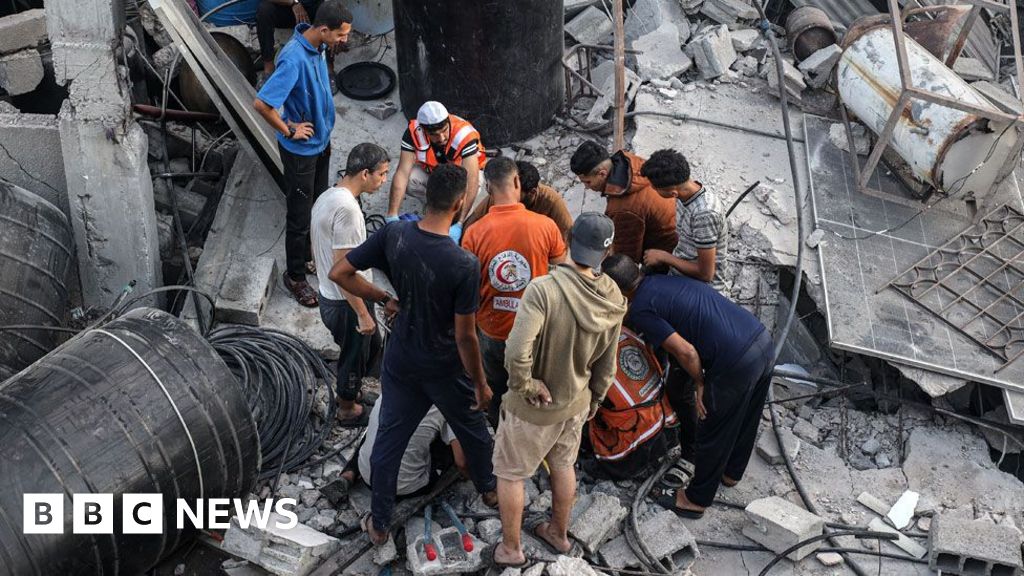
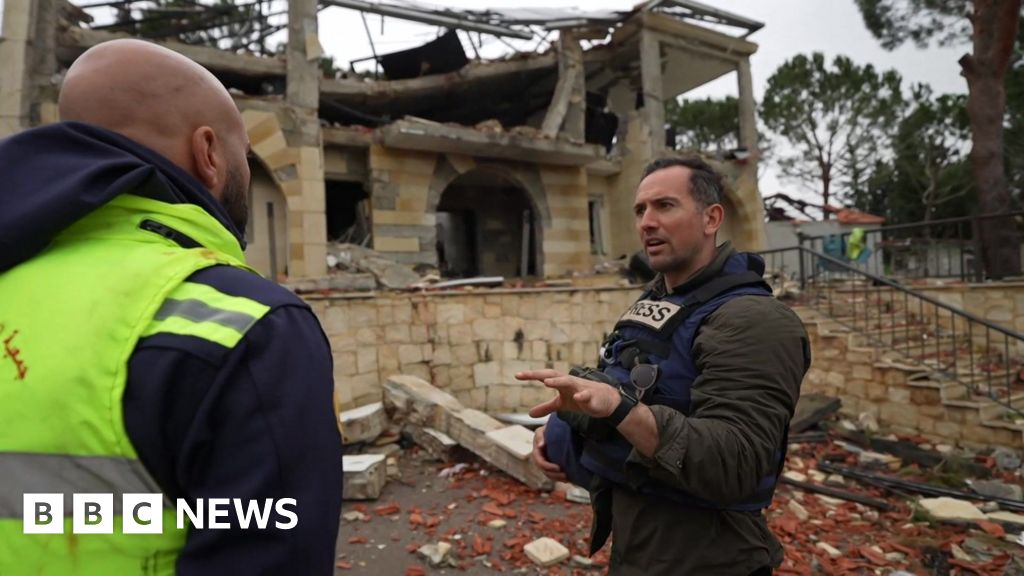
The recent escalation of violence in Lebanon underscores the fragile state of this nation, long caught in the crossfire of regional power struggles. As Lebanon descends further into chaos, with one in five residents displaced since the resurgence of fighting in March, the enduring repercussions threaten to destabilize the broader Middle East region. Paramedics navigating the deserted streets of Nabatieh, a city once teeming with life, now serves as a stark visual of the devastating toll that geopolitical conflicts exact on everyday people. The tragic death of medical personnel, notably at a ruined ambulance station where a medic’s colleague was struck down while on the phone with his wife, exemplifies the human cost of this renewed conflict. These scenes, reported by BBC’s Hugo Bachega, highlight the destabilization of civil institutions and the erosion of civility amid ongoing hostilities.
The Israel–Lebanon conflict, energized by Israel’s assertions that Hezbollah militants are abusing Lebanese medical infrastructure, has further complicated international efforts at de-escalation. Tel Aviv claims some ambulances and hospitals are being exploited as military bases by Hezbollah; however, sources within Lebanon vehemently deny these allegations, emphasizing that no conclusive evidence suggests such claims. Meanwhile, the Israel Defense Forces (IDF) announced the killing of more than 20 Hezbollah fighters in Bint Jbeil, a site steeped in historical significance due to the 2006 war between the two entities. Such military operations reflect a strategic pursuit by Israel to weaken Hezbollah’s infrastructure but risk broadening the conflict into a regional battlefield. Analysts from the International Crisis Group warn that these exchanges threaten to ignite a wider sectarian and geopolitical conflict with unpredictable consequences for the entire Mediterranean basin.
Furthermore, the Lebanese government and international organizations have condemned the escalation, with Lebanon’s health ministry accusing Israel of targeting civilians and medical facilities—an accusation that sharply contradicts Israel’s claims of targeting militants. This exchange of accusations showcases the deepening mistrust and the persistence of narratives that serve to justify violence. The regional geopolitics, heavily influenced by external powers such as Iran, the United States, and Russia, continues to shape the conflict’s trajectory. As historians like Prof. Emily Johnson emphasize, these conflicts are not isolated but are part of a complex web of alliances and rivalries that have persisted for decades. If unresolved, the current violence risks becoming a long-term humanitarian and geopolitical crisis, with the potential to transform Lebanon into a battleground with no clear end in sight.
The unfolding events serve as a grim reminder that the decisions made today resonate far beyond Lebanon’s borders. The choices of regional and global powers to support or oppose different factions will influence whether this conflict remains a localized tragedy or erupts into a broader regional war. The weight of history, with memories of past wars and failed peace efforts, lingers heavily in the air as the international community faces the sobering reality of a nation teetering on the brink of full-scale collapse. As the world watches, the pages of history continue to turn—each chapter written in the suffering of innocent civilians, the strategic calculations of states, and the relentless pursuit of influence in a volatile geopolitical landscape. The question remains: how long will the world remain indifferent before this crisis unleashes consequences far worse than anyone can now imagine?