

India’s Bihar Upholds Alcohol Ban as Smuggling and Black Markets Persist
In India’s poorest state, Bihar, a decade-long effort to curb alcohol consumption through a statewide prohibition law remains a contentious yet firmly upheld policy, despite rampant illegal trade and enforcement difficulties. Initiated in 2016 by then-Chief Minister Nitish Kumar following persistent demands from women’s groups, the law aimed to address pressing issues such as addiction, domestic violence, and economic instability. However, the real-world efficacy of this measure has come under intense scrutiny from both local officials and global analysts, highlighting a complex interplay of social progress and underground markets.
The geopolitical impact of Bihar’s prohibition extends beyond its borders, capturing the attention of international organizations and researchers who examine policy success and failure in resource-deprived settings. Recent raids by excise officers across the Ganges reveal the persistent resilience of illicit liquor trade, with makeshift distilleries operating in clandestine setups—metal drums fermenting jaggery, the cheapest form of sugar, into dangerous homemade alcohol. Despite multiple crackdowns, including property seizures and arrests, the black market flourishes, fueled by sophisticated smuggling operations, staff shortages, and alleged collusion with local authorities—factors that critics argue render the ban ineffective.
Enforcement Dilemmas and Social Consequences
- While state officials claim that over 1.1 million cases have been registered and 650,000 convictions reflect a crackdown effort, experts warn that the majority of convictions are for consumption rather than production or sale, illustrating the deep-rooted prevalence of illicit alcohol in Bihar’s fabric.
- During the six weeks leading to recent elections, law enforcement seized more than 522 million rupees (~$6.26 million) worth of illegal alcohol—a stark indicator that economic incentives continue to outpace legal restrictions.
- As historians and analysts like Rajeev Kamal Kumar point out, prohibition has often led to unintended consequences in India, from thriving black markets and deaths caused by toxic brews to draining valuable state resources in enforcement efforts. States like Gujarat and Nagaland, which also enacted bans decades ago, still grapple with bootlegging, illustrating the persistent challenge of implementing prohibition policies in diverse social settings.
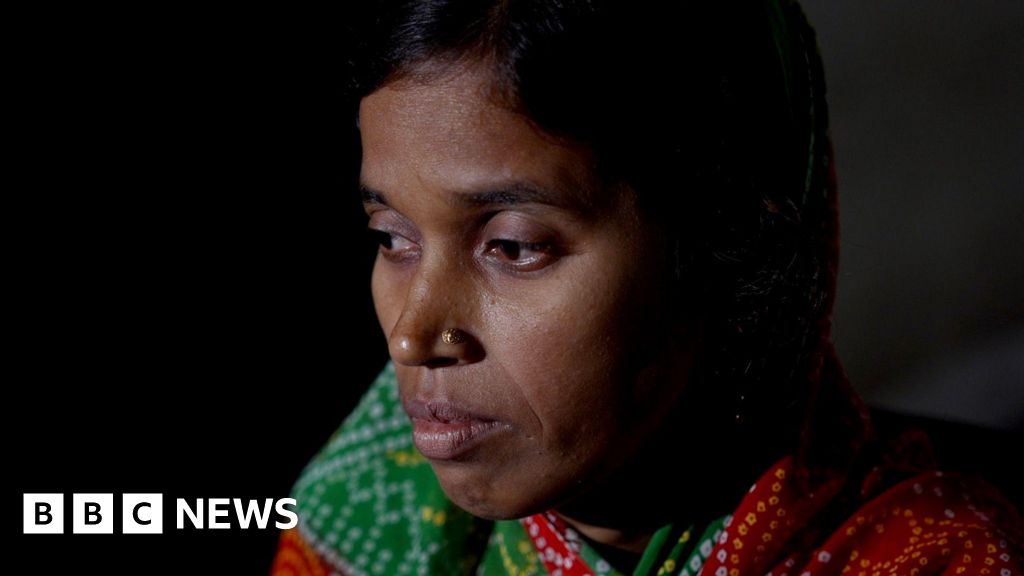
Despite these ongoing challenges, the social impact of Bihar’s alcohol ban remains a mixed picture. Many women, such as Lalmunni Devi, who lost her husband to toxic liquor, support the prohibition as a necessary social reform. “I just hope no one else has to suffer the same fate,” she laments. Conversely, others argue that the ban has merely shifted consumption underground, fueling a dangerous underworld of illicit liquor. Neetu Devi, a widow whose husband succumbed to poisoned alcohol, reflects this bitter truth, emphasizing that without a complete shutdown of illegal liquor factories, the problem persists.
Complexities and Future Outlook
As international organizations and policy analysts observe, the enforcement dilemma in Bihar is emblematic of a broader challenge: how to balance social reforms with economic realities and administrative capacities. The lure of illicit profits and the widespread availability of illegal alcohol underscore the difficulty of eradicating underground markets solely through legislation. Jayalalithaa and other former politicians have faced similar headwinds, with prohibition policies often failing to achieve their intended social objectives, fueling instead a cycle of ongoing illicit trade.
As the state government, led by the outgoing political coalition, signals that the ban remains—despite mounting evidence of its limitations—the weight of history presses heavily on policymakers. Will Bihar’s prohibition finally succeed in stamping out the black market? Or will the persistent underground trade, coupled with societal scars and economic desperation, continue to shape the narrative of a state caught in a long, ongoing struggle? As the river Ganges flows quietly past makeshift distilleries, the story of Bihar’s prohibition policy unfolds—a chapter in a larger saga of law, order, and society’s resilience that remains unwritten, leaving behind a question for the ages: Can true reform emerge from this tangled web of legality and chaos?





