Matox News

Truth Over Trends, always!

Severe Storm Threat Hits Sydney, Brisbane & Canberra — Stay Alert, Australia

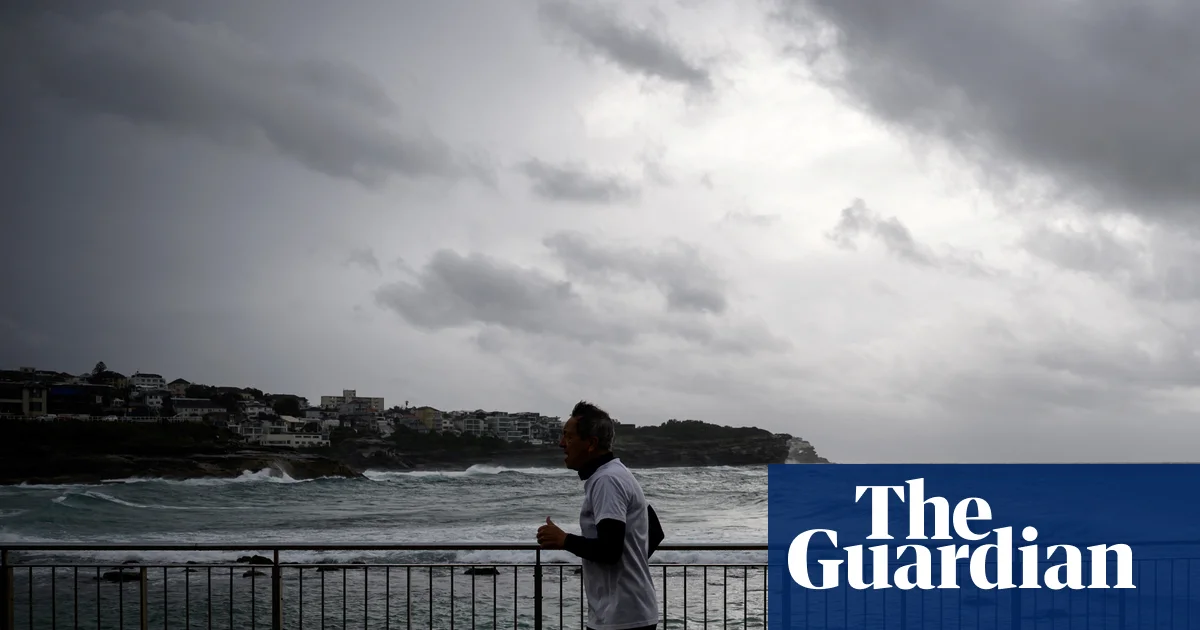
As climate patterns continue to underscore the increasing volatility of our planet’s weather systems, Australia finds itself on the frontline of extreme atmospheric phenomena that threaten both its society and its economy. Unfolding in real-time, a series of severe thunderstorms are sweeping across northern and eastern Australia, an event that illustrates the broader geopolitical and environmental implications of climate independence and resource management. According to senior meteorologist Angus Hines of the Bureau of Meteorology, the storm activity presents a significant risk, with high moisture levels drawn from the tropics fuelling these dangerous weather outbreaks. Regions from the tropical north stretching into the populous eastern seaboard—including major cities like Sydney, Brisbane, and Canberra—are under threat of heavy rainfall, destructive winds, and potentially devastating power outages, exemplifying how climate anomalies affect everyday life at a national level.

Historically, Australia’s climate has been characterized by intense weather patterns, but recent years have seen a marked increase in both frequency and severity. Recognized by global analysts and climate scientists, these storm systems are not isolated incidents—they reflect a broader pattern of climate volatility exacerbated by anthropogenic factors. The ongoing storms follow a period of devastating weather events in Queensland, where over 11,000 homes experienced power loss—an episode that elicited concern over infrastructure resilience. Such disruptions highlight how the nation’s critical infrastructure—namely power and communication networks—remains vulnerable under the weight of climate-induced extremities. This scenario underscores a pressing reality: without decisive policy measures prioritizing climate resilience, Australia’s societal stability risks further erosion, with vulnerable populations bearing the brunt of environmental neglect.

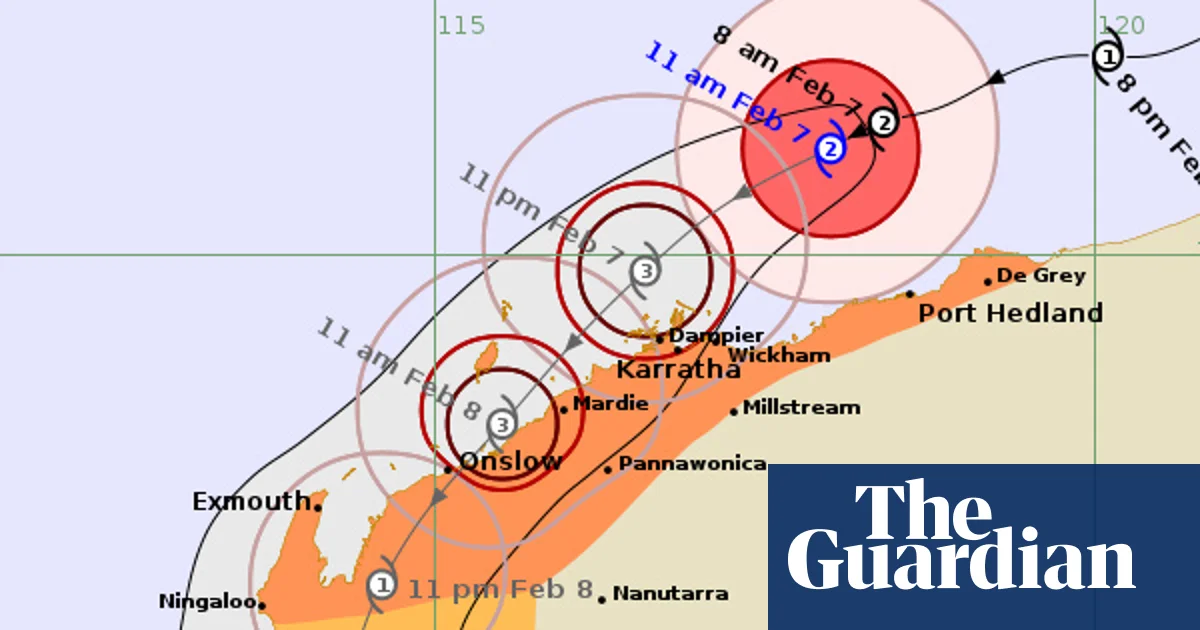
Adding to the complexity is the untimely threat of bushfires, with the NSW Rural Fire Service issuing total fire bans in parts of the western slopes and plains. These bans echo historical warnings from environmental experts and serve as a stark reminder of the delicate balance between natural catastrophe and human activity. With the fire risk heavily compounded by high temperatures, strong winds, and lightning strikes, authorities face the daunting task of managing these overlapping crises. Meanwhile, a low-pressure system moving from the Timor Sea towards the Kimberley region raises concerns over a potential tropical cyclone early next week—an ominous turning point that could reshape regional geopolitics and influence the flow of resources in Western Australia. For international investors and diplomatic strategists, the intensification of natural disasters in such a resource-rich country signals a broader geopolitical concern: how climate destabilization may disrupt global supply chains, particularly in minerals and energy.

The geopolitical impact of these events extends beyond environmental damage. Countries worldwide are observing Australia’s predicament as a barometer of future global climate risks, with organizations like the United Nations warning that climate change is no longer a distant threat but an immediate crisis. As experts analyze the situation, they caution that neglecting climate adaptation at the national level could foster regional instability, fueling migrations, and heightening tensions over dwindling resources. The unfolding storm crisis serves as a sharp reminder that decisions made today—in policy, infrastructure investment, and environmental stewardship—will shape the course of history. The escalating severity of weather disasters in Australia acts as a clarion call to the international community: unless urgent action is taken, history’s ink will be written with the names of nations unprepared for the storm to come.

Philippines on High Alert: Over 1 Million Evacuated as Typhoon Fung-wong Approaches

Philippines Faces Devastating Typhoon Fung-wong Amid Climate Crisis

The Philippines, a nation frequently battered by natural disasters, is bracing once again for the destructive impact of Typhoon Fung-wong, a super-typhoon expected to make landfall on its east coast. As the storm approaches, the archipelago has already experienced widespread flooding, with over 1 million evacuations and at least two confirmed fatalities. The situation underscores the persistent threat posed by increasingly severe weather events—an alarming trend scientists attribute directly to the ongoing climate crisis. With winds reaching sustained speeds of 185 km/h and gusts soaring up to 230 km/h, the typhoon’s arrival is anticipated to bring catastrophic rains and storm surges that threaten lives, infrastructure, and economic stability across the nation.

The global impact of such extreme weather patterns can no longer be ignored. According to international climate analysts, rising ocean temperatures—driven by human emissions—fuel stronger, more unpredictable cyclones. The Philippines, situated on the Pacific “Ring of Fire” and prone to such storms, has become a living laboratory observing the tangible consequences of climate change. Historians and environmental experts warn that unless decisive action is taken internationally, these super-typhoons could become the new norm rather than the exception. This storm, hitting amidst a year already marked by an unprecedented number of severe storms, exemplifies how current geopolitical policies and environmental neglect are leaving vulnerable societies exposed to the wrath of nature.

The decision-making of regional governments and international institutions is critical in shaping outcomes for affected populations. Philippine authorities, under warnings from scientists and civil defense officials, have preemptively evacuated over 1.2 million residents, closing schools and businesses. Military and rescue teams, however, face immense challenges amid dangerous conditions, with rescue operations hampered by rising floodwaters and storm surges. Obeying evacuation orders and investing in disaster preparedness remains essential—not only for immediate safety, but also as a testament to the geopolitical importance of resilient infrastructure in disaster-prone nations. Analysts argue that the Philippines’ repeated suffering is a stark reminder that climate justice must be a global priority, emphasizing how inaction by wealthier nations exacerbates the plight of developing regions. It is a moral and strategic failure to ignore the growing climate threat, which now demands a unified international response to prevent further tragedies.

As the storm’s eye approaches Aurora and neighboring provinces, the narrative of climate vulnerability continues to unfold with urgency. News footage shows streets transformed into torrents, communities stranded and countless lives in peril. International institutions like the United Nations have issued warnings linking these extreme weather events to climate change, but tangible action remains elusive. With each passing storm, history records a stark lesson: failure to address the root causes of climate instability will only deepen global disparities and human suffering. The Philippines, a nation resilient in spirit but strained beyond measure, stands at the frontlines of a crisis that transcends borders and defies easy solutions. As families brace for the worst, the question lingers—how many more must suffer before decisive, transformative action is finally taken? The answer, still unwritten, weighs heavily on the world’s conscience as history marches toward an uncertain, storm-ravaged future.

Starmer warns: No consensus left on climate fight, youth should stay alert

Belém, Brazil—As the COP30 climate summit unfolds amidst unprecedented global chaos, the world’s most influential nations are diverging sharply on how to address the existential threat of global warming. With President Lula da Silva warning of “extremist forces” fabricating fake news to condemn future generations to a planet forever altered by climate change, the summit is rapidly transforming into a battleground of conflicting narratives and geopolitical interests. Despite his passionate plea, the summit witnesses a perplexing retreat from collective action, with many leading nations conspicuously absent and even the host country’s flagship initiatives facing withdrawal. As given by international analysts, such divisions threaten to undermine any meaningful progress, leaving the world on a perilous trajectory toward climate chaos.

The absence of key players—the United States, Russia, China, and India—casts a long shadow over global consensus on climate policy. President Trump’s dismissive stance—calling climate change “the greatest con job”—has reverberated through diplomatic corridors, emboldening skeptics and delaying decisive action. Meanwhile, UK Prime Minister Sir Keir Starmer openly acknowledged that the once-unified support for climate initiatives has frayed, lamenting that “today, however, sadly that consensus is gone.” Such statements starkly highlight how internal political shifts and *geopolitical conflicts* are fueling a dangerous impasse. At the heart of the negotiations lies the critical question of how to fund climate mitigation efforts, particularly in defending vital rainforest ecosystems that act as “the planet’s lungs,” as experts like environmental historian Dr. Alan Smith emphasize. Yet, the UK’s decision to withdraw from the $125 billion rainforest protection fund—despite its earlier leadership—underscores a betrayal of international commitments.

As the summit progresses, the tone remains urgent but fractured. The rainforests cover a mere 6% of the Earth’s landmass but hold half of the planet’s species and billions of tons of carbon. The Prince of Wales and other observers warn that failure to protect these ecosystems risks pushing future societies toward ecological collapse. Prince William called for “urgent optimism,” urging nations to rise above their differences and act—yet the reality on the ground tells a different story. Destructive weather events—like Hurricane Melissa, which caused catastrophic damage across the Caribbean—serve as sobering reminders that climate impacts are already claiming lives and destroying communities. Scientists at Imperial College have warned that climate change heightened the rainfall from Hurricane Melissa by 16%, exposing the catastrophic potential of continued inaction. The question remains whether this summit will be remembered as a turning point or merely another chapter in the relentless saga of diplomatic stalemate.

Historically, these international rifts serve as a stark warning for future generations. Academics like Dr. Maria Lopez argue that the decisions made in Belém could either be a testament to humanity’s resolve or a lamentable capitulation. The unfolding story of COP30 is a testament to the ongoing struggle between geopolitical self-interest and the moral responsibility to safeguard our planet’s future. As history writes its next chapter, the world must reckon with the fact that the decisive moments of this summit—and perhaps the century—are now in the making. The shadow of this generation’s decisions will linger long after the final declaration, shaping the scarred landscape of history itself.

Australia Politics: Banks Told to Respect WFH Rights as Nationals Scrap NetZero Goal—Youth Watchdog Alert

International Geopolitical Impact: Australia’s Internal Struggles Reflect Broader Global Trends

In recent weeks, Australia has once again proven itself as a pivotal player on the world stage — though not through the strength of its international diplomacy, but through internal upheaval that echoes larger geopolitical shifts across the globe. The nation’s ongoing political developments, particularly within its major parties, serve as a disturbing mirror for a world increasingly divided over energy, climate policies, and economic reform. With the NSW Nationals contemplating abandoning their *net zero* commitments, and the federal government locked in debate over energy policy, Australia’s political trajectory points to a broader trend of rising populist resistance against the global push for sustainable development and climate action.

As the NSW Nationals prepare to ditch their *net zero* pledge amid mounting anger from rural communities and conflicting interests within the coalition, international analysts warn that such decisions threaten to destabilize the Coalition government, potentially emboldening other nations to follow suit. Studies conducted by the International Institute for Strategic Studies suggest that these internal conflicts could have ripple effects, weakening Australia’s diplomatic standing and destabilizing regional alliances. How Australia manages this internal crisis—balancing economic realities with international commitments— will determine if it remains a credible partner in global efforts to combat climate change or succumbs to the siren call of nationalism and short-term economic gains.

Meanwhile, the internal struggles over energy policies—particularly the flirtation with nuclear energy and the rejection of *net zero*—highlight a broader, contentious debate over sovereignty and independence. Conservative factions, led by figures like Paul Toole and Dugald Saunders, challenge the more progressive globalist approach championed by Prime Minister Anthony Albanese. This rift underscores a wider phenomenon seen across nations — where the push for energy independence and economic sovereignty clashes with international treaties and climate agreements that threaten to infringe on national sovereignty. Historians warn that such internal fractures could permanently alter Australia’s role within the Indo-Pacific and its diplomatic alliances, opening the door for opportunistic rivals and regional powers to fill the void.

How Internal Political Decisions Reshape Society and Global Dynamics

The reverberations of these policy debates extend beyond mere political jockeying, impacting society at large. The reported 40% increase in electricity and gas prices since commitments to *net zero* were announced exemplifies the tangible consequences for ordinary Australians, especially in rural and regional communities. It exemplifies how global environmental policies, when manipulated by internal partisan interests, can deepen societal divisions and economic disparities. As analysts assert, decisions made in Canberra today have the potential to influence international energy markets, regional security calculations, and even the future of global climate negotiations.

Experts like Anne Davies and international commentators warn that Australia’s internal turbulence could serve as a cautionary tale for the world. If other nations see internal party conflicts and policy reversals as signs of political weakness, they might hesitate to commit to long-term international treaties. With regional powers like China and India watching closely, the fate of Australia’s energy policy will have transcontinental repercussions. As the debate rages on, the global community waits for the next move—knowing that the outcome will shape the future of energy, geopolitics, and international cooperation for decades to come.

The Weight of History: A Nation at a Crossroads

The unfolding saga in Australia embodies a larger narrative—a nation grappling with the twin pressures of internal sovereignty and external expectations. As historians acknowledge, the decisions made today echo through the annals of history, often dictating a country’s trajectory for generations. Will Australia stand as a beacon of sovereign resilience, or succumb to populist pressures that threaten to unravel its commitments and alliances? In the shadow of global upheaval, the choices made in the coming weeks will determine whether Australia’s internal chaos fosters a broader shift toward nationalism or paves the way for renewed international cooperation under firm, principled leadership.

One thing remains certain: this is not just a domestic dispute but a turning point in global geopolitics, where internal policies intertwine with international destiny — and the weight of history remains unforgiving to those who falter in their resolve.

Weather balloon disruption shuts down Lithuania’s top airports—major security alert!

The recent series of provocative incidents in the Baltic States underscores a shifting landscape of geopolitical instability that threatens the delicate balance of power in Eastern Europe. Lithuania, a staunch member of both European Union and NATO, responded decisively by closing its two largest airports and border crossings following the discovery of numerous helium weather balloons drifting into its airspace. These balloons, believed to be used for smuggling, notably carry Belarusian cigarettes, which are far more expensive within EU borders. The Lithuanian government blames Belarusian President Alexander Lukashenko, an ally of Russian President Vladimir Putin, asserting that his regime tolerates and perhaps facilitates this covert smuggling operation—a move that directly undermines EU security principles and regional stability.

This escalation is not isolated. Reports indicate that, throughout the year, Lithuania has seen an unprecedented number of incursions, with hundreds of helium balloons detected and dozens crossing into its territory. The same pattern of aerial intrusions is evident in neighboring Poland, which experienced over 100 similar incidents, further signaling an orchestrated effort to destabilize the Baltic region. Analysts point out that these seemingly minor incursions are part of a broader strategy by Russia and its proxies to test NATO’s resolve and to sow chaos within EU borders, exploiting vulnerabilities in eastern European countries. Security experts warn that such tactics could prelude more aggressive actions, echoing fears of a renewed hybrid warfare aimed at dividing the alliance and reasserting Moscow’s influence.

The recent encounter involving Russian military aircraft further amplifies these concerns. On Thursday, Lithuanian military sources confirmed the entry of a Sukhoi SU-30 fighter and an IL-78 tanker into Lithuanian airspace—an area protected by NATO’s Enhanced Air Policing Mission. Though the aircraft departed after brief incursions, NATO scrambled fighter jets as a show of force, signaling that the alliance remains vigilant amid the continued threats. These deliberate aerial provocations coincide with diplomatic protests from Vilnius, which summoned the Russian chargé d’affaires and issued a stern warning, underscoring the fragile diplomatic environment. Russia’s denial of the incursions, despite credible military reports, reveals its attempt to obfuscate the narrative and maintain plausible deniability—yet the message remains clear: the Baltic States are caught in the crossfire of a renewed geopolitical struggle.

This unsettling chain of events illuminates the broader geopolitical impact of Russia’s tactics. Under the veneer of trivial balloon crossings, a strategic message is sent: the security of eastern NATO members is fragile, and the Kremlin is willing to test the collective resolve of the West. International organizations and security analysts alike warn that such provocations could serve as precursors to more serious escalations—potentially softening defenses or creating opportunities for unilateral actions that threaten regional sovereignty. Historians like John Mearsheimer argue that Moscow’s deliberate destabilization efforts are designed to weaken NATO from within, reviving Cold War-era fears of renewed conflict in Europe. The unity of the alliance and the resilience of its eastern flank are under direct threat; the question remains whether Western nations can suppress the temptation to retreat or whether they will confront this threat head-on, risking broader confrontation in their effort to uphold stability.

As the curtains lift on this chapter of unfolding history, the precarious balance between sovereignty and aggression continues to sway. The Baltic region has again become a testing ground for geopolitical rivalry, where every balloon, incursion, and diplomatic protest leaves an indelible mark on the fabric of international security. The question looms: how much longer can democratic nations defend their borders against this invisible war? The answer, still shrouded in uncertainty, echoes across the corridors of power—while history, with relentless perseverance, watches and waits, ready to judge the decisions that will shape the future of the free world.

Limited-Time Alert: The Drinks Bureau Drops Donut-Flavored Cocktails — Jam Doughnut Daiquiri Taking Youth Trends by Storm!

In a world where convenience often dictates our choices, a new beverage has emerged that resonates deeply with the younger generation’s desire for both indulgence and innovation. Enter the Jam Doughnut Daiquiri, a novel canned cocktail recently introduced by The Drinks Bureau in the UK. This trendy libation is not just about flavor; it’s about rethinking what a modern cocktail can be in a fast-paced society. Combining the familiar sweetness of jam doughnuts with the sophistication of a daiquiri, this drink exemplifies how contemporary trends are blurring the lines between culinary comfort and high-end mixology.

This phenomenon is more than just a quirky flavor mashup; it is a reflection of how young consumers are redefining social and cultural norms. The Cultural Impact of such innovations lies in their ability to act as conversation starters and symbols of a shift towards more adventurous drinking experiences. Influencers and social media platforms have played a crucial role in amplifying this trend, with many young trendsetters showcasing their taste tests and unabashedly embracing products that challenge traditional notions. As sociologist Dr. Lisa Monroe notes, these trends are emblematic of a broader movement where self-expression and individuality take center stage, often through the consumption of bold, unconventional products.

Moreover, the Jam Doughnut Daiquiri taps into the nostalgia-driven consumer behavior that is dominating the lifestyle landscape of Gen Z and Millennials. According to trend analysts, nostalgia is a powerful driver for modern consumerism, especially when combined with innovative presentation. This beverage is not just about flavor but about making a statement—about embracing a playful yet sophisticated identity that aligns with youth’s hunger for novelty and authenticity. Top influencers, such as cocktail mixologists and lifestyle icons, are championing these products, helping to cement their status in the social zeitgeist. In this context, the shift is clear: consumers are seeking products that are not only enjoyable but contain a deeper social and cultural narrative.

Yet, beneath its playful exterior, the introduction of drinks like the Jam Doughnut Daiquiri prompts an intriguing question about the future. Will this trend of flavor fusion and experiential drinking continue to evolve, or is it a fleeting moment in the broader landscape of lifestyle innovation? Analysts suggest that the next stages of this movement might see even more daring combinations—perhaps merging street food culture with high-end craft beverages or leveraging emerging technologies such as augmented reality to enhance the drinking experience. As young audiences increasingly seek meaning and identity in their consumption choices, the question becomes: what will be the next flavor frontier that captures the cultural zeitgeist and redefines social interaction?

Fashion Shift Alert: Less Plus-Size Presence at Runway Shows Sparks Conversations Among Young Trendsetters

In recent years, the fashion industry was beginning to show signs of embracing true inclusivity. Runways were dominated by models of varied sizes, and campaigns spotlighted body diversity as a message of progress. However, new reports reveal a disturbing regression toward a predominantly thin ideal. According to a recent Vogue Business analysis, a staggering 97.1% of the 9,038 looks across 198 womenswear shows featured models measuring between US size 0-4 — hardly a sign of genuine size diversity. This trend underscores a broader societal push back, with catwalks and advertising reinforcing a narrow beauty standard that many critics argue is both unfair and unhealthy.

Among industry insiders, alarm bells are ringing. Elektra Kotsoni, Deputy Editorial Director of Vogue Business, describes the current situation as “horrible,” highlighting that in Milan alone, only 4 of 55 brands showcased models outside the straight-size range — the lowest proportion since such data collection began. This resurgence of skinny-shaming, bolstered by the widespread use of weight-loss drugs like Ozempic, signals a societal shift fueled by consumer obsession with thinness. Celebrity endorsements and a rising trend among influencers promoting extreme weight management reveal how the #bodypositivity movement is increasingly sidelined in favor of commercialized perfection. Such drugs, originally designed for diabetes treatment, are now contributing to shortages and a parallel online market that encourages rapid, often unhealthy, weight loss.

Yet, despite the industry’s flirtation with inclusion just a few years ago, the trend is veering sharply in the opposite direction. The decline of plus-size visibility on the runway is lamented by models like Felicity Hayward, who describes the previous era (2011-2017) as a “golden age” of representation. Today, plus-size models are reportedly losing ground, with some resorting to weight loss to stay relevant in a market that is increasingly favoring the ultra-thin. Designer Rick Owens exemplifies this shift; after showcasing a handful of plus-size models last season, he has now entirely excluded them. Such decisions threaten to reduce fashion to a mere product of societal standards—an unsettling placeholder for a culture that once prided itself on progress and diversity.

While this reversion to conventional standards might appear to be a superficial industry trend, it bears profound social implications. Brands are removing dedicated plus-size sections and shrinking their ranges, effectively making inclusion inaccessible outside online platforms. Meanwhile, critics like sociologist Susie Orbach argue that these developments reflect the commodification of bodies—a societal shift where physical appearance is increasingly dictated by market forces rather than individual authenticity. The unsettling reality is that the fashion world, and by extension society, may soon face a pivotal question: are we returning to a narrow definition of beauty because it’s easier to sell, or because society is truly more comfortable with it? As influencers and sociologists continue to debate, the next big question might be whether this push toward superficial uniformity is masking deeper societal anxieties about identity, health, and progress itself.

F5 Hack Sparks Urgent Alert: Thousands of Networks at Risk

Nation-State Hackers Exploit F5 Software in Major Cybersecurity Breach

In an alarming development for both government agencies and Fortune 500 corporations, F5 Networks, a leading provider of networking and cybersecurity solutions headquartered in Seattle, has disclosed a significant breach indicating an advanced persistent threat (APT) campaign. According to federal government officials, hundreds of networks remain vulnerable to breaches by nation-state hacking groups. This incident underscores the growing threat landscape targeting critical infrastructure and enterprise systems, with potential disruptive implications for global digital ecosystems.

F5’s breach reveals an unprecedented level of threat sophistication, with hackers working for an undisclosed nation-state maintaining long-term access within the company’s internal network. The group had surreptitiously infiltrated the infrastructure overseeing updates for F5’s flagship product, BIG-IP, which is used by 48 of the world’s top 50 corporations for load balancing, security, and data management. The hackers exploited this position, downloading proprietary source code, including vulnerabilities that had yet to be publicly patched. This revelation signals a fundamental disruption in the traditional cybersecurity paradigm, as adversaries gain access to the very building blocks of network security—potentially enabling supply-chain attacks of a scale previously deemed unlikely.

The implications extend beyond F5’s immediate client base. By obtaining configuration details and source code, threat actors now wield a level of control and insight capable of orchestrating exploitative supply-chain compromises. Such breaches could enable the suppression or manipulation of traffic, data exfiltration, or even deployment of malicious firmware—posing grave concerns for critical infrastructure, financial institutions, and government networks. Security analysts highlight this as a stark warning: the vulnerabilities at the network’s edge—particularly those tied to sophisticated management systems—are high-value targets that can destabilize entire industries. As Peter Thiel and Elon Musk have long emphasized, technological dominance hinges on securing these crucial nodes before adversaries can establish footholds.

In the aftermath, F5 has responded by rolling out critical updates for its affected products, including BIG-IP, F5OS, BIG-IQ, and APM. Despite the company’s assurances of thorough investigations—coordinated with firms like IOActive and NCC Group—no evidence surfaced of data exfiltration or modifications to the system’s source code. Nevertheless, this incident has highlighted a pressing need for organizations to rethink cybersecurity strategies centered around disruption-resistant architectures and zero-trust frameworks. The breach’s strategic implications reinforce that disruption is no longer a future concern but an immediate reality; the next frontier of cybersecurity must prioritize resilience and rapid detection.

Looking to the future, industry analysts and security firms concur that we are standing on the brink of a new era. Major corporations and government agencies alike must accelerate efforts to adopt innovative safeguards, including real-time threat intelligence, AI-powered anomaly detection, and proactive threat hunting. As experts from MIT and Gartner warn, the cyberarms race is intensifying, and falling behind now will have catastrophic consequences. This breach serves as a stark reminder: the battle for digital dominance is being waged at the very core of our most vital networks. In this landscape of relentless disruption, rapid adaptation is the only way to defend the future of our interconnected world.

Australia News Live: Qantas Data Leak Sparks Scammer Alert, NSW Vows Pothole Fixes

In an era defined by rapid digital transformation and shifting geopolitical alliances, recent events in Australia underscore the global implications of national security, corporate responsibility, and technological regulation. The reckless leak of data from Qantas Airlines, which exposed the personal information of up to 5.7 million customers, signals a profound challenge for international cybersecurity protocols. Hackers associated with the entity Scattered Lapsus$ Hunters made good on their ransom threats, releasing data that includes full names, addresses, and sensitive financial details. The incident has prompted Tony Burke, Australia’s minister for cybersecurity, to vow the full extent of governmental legal power will be used to hold the airline accountable and to safeguard its citizens’ privacy in the digital age.

The Australian breach is emblematic of the fragile cybersecurity landscape confronting nations worldwide. Analysts warn that these breaches are not isolated but part of an ongoing campaign expanding across borders, targeting corporate and public infrastructure. The leak originating from offshore call centers operated with Salesforce software underscores the vulnerabilities posed by outsourcing sensitive operations without stringent security controls. As historians and international organizations observe, such incidents have the potential to destabilize trust in multinational corporate entities and challenge the very notion of sovereignty in cyberspace. Meanwhile, governments such as Australia face increased pressure to enforce legal frameworks that compel corporations to prioritize national security over profit before the damage becomes irreversible.

Simultaneously, Australia‘s government is taking proactive steps beyond cybersecurity. The impending landmark social media ban slated for implementation on December 10 to protect under-16s signals a broader push to control the influence of digital platforms on youth. The eSafety commissioner, Julie Inman Grant, has scheduled critical meetings with global giants like Meta, Snapchat, YouTube, and TikTok—a move that reflects a national approach to social-media regulation aimed at curbing predatory algorithms and harmful content. According to policy experts, this position underscores an international shift where governments increasingly demand accountability from big tech and assert sovereignty over digital spaces, challenging the unregulated dominance these platforms once enjoyed. This move could redefine global norms on digital oversight, indicating that even the most embraced platforms are within the crosshairs of state control.

Yet, in the broader context, these domestic steps and cybersecurity challenges reverberate on the geopolitical stage. The United States, China, and Russia watch closely, recognizing that the battle for digital supremacy and security influence extends beyond borders. The United Nations, along with NATO members, warn that cyber warfare and data sovereignty are now intrinsic to national security, threatening to redraw alliances in an interconnected world. As analysts warn, incidents such as Qantas’ leak could embolden state-sponsored actors to escalate their aggressive campaigns, destabilizing entire regions and undermining institutions that rely heavily on tech infrastructure. The fate of nations is, increasingly, being decided within the networked battleground of cyberspace, where data breaches become the new frontlines of geopolitical conflict.

As history continues to unfold, the protection of data, control of social media, and the assertion of sovereignty over digital spaces will serve as defining markers of the 21st-century geopolitical landscape. These layered conflicts—rooted in technology, security, and societal influence—are shaping the future of international relations, leaving an indelible mark on the fabric of global order. The weight of this ongoing story demands vigilant attention, for the decisions made today may well determine the balance of power in the digital age—an epoch where the battle for hearts and minds is waged through data, policies, and the unyielding march of progress.

Philippines rocked by 7.6 quake amid tsunami alert for coasts, including Indonesia – latest updates

Global Tensions Surge as Asia-Pacific Faces Catastrophic Earthquake and Tsunami Threats

The Philippines has been rocked by a powerful 7.4 magnitude earthquake targeting the southern island of Mindanao, causing widespread panic and immediate evacuations in coastal communities. The seismic event initiated a tsunami warning across the region, prompting governments and international agencies to brace for possible waves exceeding three meters in some areas, especially near the earthquake epicenter. The Philippine Seismology Agency reports significant damage, with reports of collapsed buildings and injured civilians, as authorities scramble to mount rescue efforts amidst ongoing aftershocks. This catastrophe comes mere weeks after the last devastating quake in Cebu, which claimed more than 70 lives, underscoring the region’s vulnerable geopolitical position within a seismically active zone.

Meanwhile, neighboring Indonesia has issued its own tsunami warning for North Sulawesi and Papua regions, highlighting a regional escalation of what analysts call a “cascade effect” of tectonic instability. The Indonesian government warned of hazardous waves potentially reaching 3 meters, forcing thousands in coastal settlements to evacuate inland. The Pacific Tsunami Warning Center in Honolulu underscored the danger, describing waves as “life-threatening” with the possibility of destruction within a 300km radius of the epicenter. As international organizations like the United Nations Office for Disaster Risk Reduction coordinate emergency responses, experts warn that the sequence of seismic activities may signal a tectonic shift with broader geopolitical consequences for Indo-Pacific stability.

Regional Power Dynamics and International Reactions

This natural disaster occurs against a backdrop of simmering geopolitical tensions in the Asia-Pacific, where China and the United States vie for regional influence amid claim disputes and strategic alliances. Some analysts argue that the timing of these seismic events could be exploited by regional powers to justify military posturing or to accelerate diplomatic negotiations under the guise of humanitarian aid. The Philippine President, Ferdinand Marcos, has already mobilized multiple agencies, including the armed forces and coast guard, to assist in evacuations and damage assessment, emphasizing a “national unity” stance. Yet, the rapid mobilization reflects an underlying reality: the region’s fragile security architecture, where natural calamities can deepen existing divides or, conversely, serve as opportunities for cooperation.

Historians specializing in Indo-Pacific geopolitics note that these events expose how climate and natural disasters are increasingly influencing international stability. The clustering of seismic activity along the Pacific Ring of Fire exemplifies the tectonic vulnerabilities that threaten to redraw regional power maps. As governments in Jakarta, Manila, and even Taipei reevaluate their strategic priorities, voices within international organizations warn that the compounding effects of ongoing natural hazards could destabilize fragile political terrains, making the next few years critical for shaping the geopolitical future of the region. The unfolding crisis reminds the global community that the forces of nature remain an unpredictable weapon of change—one that can alter societies faster than any diplomatic negotiation.

The Weight of History and the Unfolding Future

With each tremor, history seems to pause—holding its breath, waiting to see whether these events trigger a new chapter of regional resilience or a descent into chaos. The Philippines, Indonesia, and their neighbors find themselves at a critical juncture, where their responses will not only determine immediate survival but will also set precedents for regional solidarity or conflict in the face of climatic and tectonic upheavals. As experts warn of larger aftershocks and potential further waves, global observers are compelled to ask: how will nations adapt to a world where natural disasters are becoming the catalysts of geopolitical change?

As the skies darken with the weight of history still unfolding, one question remains unavoidable: in the face of nature’s fury, will humanity choose the path of division or unity? The answers lie buried beneath the shifting plates of our restless Earth—a reminder that the true battle for stability is fought not only in geopolitics but in our resilience and resolve to confront the forces shaping our collective destiny.

Social Media Auto Publish Powered By : XYZScripts.com