Matox News

Truth Over Trends, always!

Fashion Shift Alert: Less Plus-Size Presence at Runway Shows Sparks Conversations Among Young Trendsetters

In recent years, the fashion industry was beginning to show signs of embracing true inclusivity. Runways were dominated by models of varied sizes, and campaigns spotlighted body diversity as a message of progress. However, new reports reveal a disturbing regression toward a predominantly thin ideal. According to a recent Vogue Business analysis, a staggering 97.1% of the 9,038 looks across 198 womenswear shows featured models measuring between US size 0-4 — hardly a sign of genuine size diversity. This trend underscores a broader societal push back, with catwalks and advertising reinforcing a narrow beauty standard that many critics argue is both unfair and unhealthy.

Among industry insiders, alarm bells are ringing. Elektra Kotsoni, Deputy Editorial Director of Vogue Business, describes the current situation as “horrible,” highlighting that in Milan alone, only 4 of 55 brands showcased models outside the straight-size range — the lowest proportion since such data collection began. This resurgence of skinny-shaming, bolstered by the widespread use of weight-loss drugs like Ozempic, signals a societal shift fueled by consumer obsession with thinness. Celebrity endorsements and a rising trend among influencers promoting extreme weight management reveal how the #bodypositivity movement is increasingly sidelined in favor of commercialized perfection. Such drugs, originally designed for diabetes treatment, are now contributing to shortages and a parallel online market that encourages rapid, often unhealthy, weight loss.

Yet, despite the industry’s flirtation with inclusion just a few years ago, the trend is veering sharply in the opposite direction. The decline of plus-size visibility on the runway is lamented by models like Felicity Hayward, who describes the previous era (2011-2017) as a “golden age” of representation. Today, plus-size models are reportedly losing ground, with some resorting to weight loss to stay relevant in a market that is increasingly favoring the ultra-thin. Designer Rick Owens exemplifies this shift; after showcasing a handful of plus-size models last season, he has now entirely excluded them. Such decisions threaten to reduce fashion to a mere product of societal standards—an unsettling placeholder for a culture that once prided itself on progress and diversity.

While this reversion to conventional standards might appear to be a superficial industry trend, it bears profound social implications. Brands are removing dedicated plus-size sections and shrinking their ranges, effectively making inclusion inaccessible outside online platforms. Meanwhile, critics like sociologist Susie Orbach argue that these developments reflect the commodification of bodies—a societal shift where physical appearance is increasingly dictated by market forces rather than individual authenticity. The unsettling reality is that the fashion world, and by extension society, may soon face a pivotal question: are we returning to a narrow definition of beauty because it’s easier to sell, or because society is truly more comfortable with it? As influencers and sociologists continue to debate, the next big question might be whether this push toward superficial uniformity is masking deeper societal anxieties about identity, health, and progress itself.

F5 Hack Sparks Urgent Alert: Thousands of Networks at Risk

Nation-State Hackers Exploit F5 Software in Major Cybersecurity Breach

In an alarming development for both government agencies and Fortune 500 corporations, F5 Networks, a leading provider of networking and cybersecurity solutions headquartered in Seattle, has disclosed a significant breach indicating an advanced persistent threat (APT) campaign. According to federal government officials, hundreds of networks remain vulnerable to breaches by nation-state hacking groups. This incident underscores the growing threat landscape targeting critical infrastructure and enterprise systems, with potential disruptive implications for global digital ecosystems.

F5’s breach reveals an unprecedented level of threat sophistication, with hackers working for an undisclosed nation-state maintaining long-term access within the company’s internal network. The group had surreptitiously infiltrated the infrastructure overseeing updates for F5’s flagship product, BIG-IP, which is used by 48 of the world’s top 50 corporations for load balancing, security, and data management. The hackers exploited this position, downloading proprietary source code, including vulnerabilities that had yet to be publicly patched. This revelation signals a fundamental disruption in the traditional cybersecurity paradigm, as adversaries gain access to the very building blocks of network security—potentially enabling supply-chain attacks of a scale previously deemed unlikely.

The implications extend beyond F5’s immediate client base. By obtaining configuration details and source code, threat actors now wield a level of control and insight capable of orchestrating exploitative supply-chain compromises. Such breaches could enable the suppression or manipulation of traffic, data exfiltration, or even deployment of malicious firmware—posing grave concerns for critical infrastructure, financial institutions, and government networks. Security analysts highlight this as a stark warning: the vulnerabilities at the network’s edge—particularly those tied to sophisticated management systems—are high-value targets that can destabilize entire industries. As Peter Thiel and Elon Musk have long emphasized, technological dominance hinges on securing these crucial nodes before adversaries can establish footholds.

In the aftermath, F5 has responded by rolling out critical updates for its affected products, including BIG-IP, F5OS, BIG-IQ, and APM. Despite the company’s assurances of thorough investigations—coordinated with firms like IOActive and NCC Group—no evidence surfaced of data exfiltration or modifications to the system’s source code. Nevertheless, this incident has highlighted a pressing need for organizations to rethink cybersecurity strategies centered around disruption-resistant architectures and zero-trust frameworks. The breach’s strategic implications reinforce that disruption is no longer a future concern but an immediate reality; the next frontier of cybersecurity must prioritize resilience and rapid detection.

Looking to the future, industry analysts and security firms concur that we are standing on the brink of a new era. Major corporations and government agencies alike must accelerate efforts to adopt innovative safeguards, including real-time threat intelligence, AI-powered anomaly detection, and proactive threat hunting. As experts from MIT and Gartner warn, the cyberarms race is intensifying, and falling behind now will have catastrophic consequences. This breach serves as a stark reminder: the battle for digital dominance is being waged at the very core of our most vital networks. In this landscape of relentless disruption, rapid adaptation is the only way to defend the future of our interconnected world.

Australia News Live: Qantas Data Leak Sparks Scammer Alert, NSW Vows Pothole Fixes

In an era defined by rapid digital transformation and shifting geopolitical alliances, recent events in Australia underscore the global implications of national security, corporate responsibility, and technological regulation. The reckless leak of data from Qantas Airlines, which exposed the personal information of up to 5.7 million customers, signals a profound challenge for international cybersecurity protocols. Hackers associated with the entity Scattered Lapsus$ Hunters made good on their ransom threats, releasing data that includes full names, addresses, and sensitive financial details. The incident has prompted Tony Burke, Australia’s minister for cybersecurity, to vow the full extent of governmental legal power will be used to hold the airline accountable and to safeguard its citizens’ privacy in the digital age.

The Australian breach is emblematic of the fragile cybersecurity landscape confronting nations worldwide. Analysts warn that these breaches are not isolated but part of an ongoing campaign expanding across borders, targeting corporate and public infrastructure. The leak originating from offshore call centers operated with Salesforce software underscores the vulnerabilities posed by outsourcing sensitive operations without stringent security controls. As historians and international organizations observe, such incidents have the potential to destabilize trust in multinational corporate entities and challenge the very notion of sovereignty in cyberspace. Meanwhile, governments such as Australia face increased pressure to enforce legal frameworks that compel corporations to prioritize national security over profit before the damage becomes irreversible.

Simultaneously, Australia‘s government is taking proactive steps beyond cybersecurity. The impending landmark social media ban slated for implementation on December 10 to protect under-16s signals a broader push to control the influence of digital platforms on youth. The eSafety commissioner, Julie Inman Grant, has scheduled critical meetings with global giants like Meta, Snapchat, YouTube, and TikTok—a move that reflects a national approach to social-media regulation aimed at curbing predatory algorithms and harmful content. According to policy experts, this position underscores an international shift where governments increasingly demand accountability from big tech and assert sovereignty over digital spaces, challenging the unregulated dominance these platforms once enjoyed. This move could redefine global norms on digital oversight, indicating that even the most embraced platforms are within the crosshairs of state control.

Yet, in the broader context, these domestic steps and cybersecurity challenges reverberate on the geopolitical stage. The United States, China, and Russia watch closely, recognizing that the battle for digital supremacy and security influence extends beyond borders. The United Nations, along with NATO members, warn that cyber warfare and data sovereignty are now intrinsic to national security, threatening to redraw alliances in an interconnected world. As analysts warn, incidents such as Qantas’ leak could embolden state-sponsored actors to escalate their aggressive campaigns, destabilizing entire regions and undermining institutions that rely heavily on tech infrastructure. The fate of nations is, increasingly, being decided within the networked battleground of cyberspace, where data breaches become the new frontlines of geopolitical conflict.

As history continues to unfold, the protection of data, control of social media, and the assertion of sovereignty over digital spaces will serve as defining markers of the 21st-century geopolitical landscape. These layered conflicts—rooted in technology, security, and societal influence—are shaping the future of international relations, leaving an indelible mark on the fabric of global order. The weight of this ongoing story demands vigilant attention, for the decisions made today may well determine the balance of power in the digital age—an epoch where the battle for hearts and minds is waged through data, policies, and the unyielding march of progress.

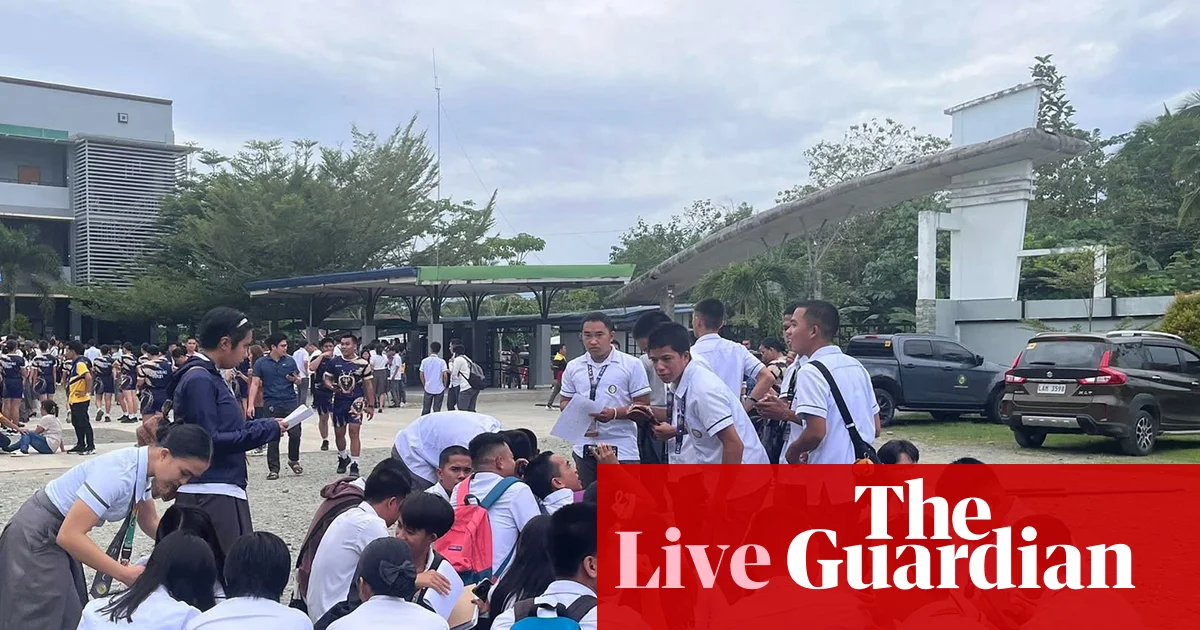
Philippines rocked by 7.6 quake amid tsunami alert for coasts, including Indonesia – latest updates

Global Tensions Surge as Asia-Pacific Faces Catastrophic Earthquake and Tsunami Threats

The Philippines has been rocked by a powerful 7.4 magnitude earthquake targeting the southern island of Mindanao, causing widespread panic and immediate evacuations in coastal communities. The seismic event initiated a tsunami warning across the region, prompting governments and international agencies to brace for possible waves exceeding three meters in some areas, especially near the earthquake epicenter. The Philippine Seismology Agency reports significant damage, with reports of collapsed buildings and injured civilians, as authorities scramble to mount rescue efforts amidst ongoing aftershocks. This catastrophe comes mere weeks after the last devastating quake in Cebu, which claimed more than 70 lives, underscoring the region’s vulnerable geopolitical position within a seismically active zone.

Meanwhile, neighboring Indonesia has issued its own tsunami warning for North Sulawesi and Papua regions, highlighting a regional escalation of what analysts call a “cascade effect” of tectonic instability. The Indonesian government warned of hazardous waves potentially reaching 3 meters, forcing thousands in coastal settlements to evacuate inland. The Pacific Tsunami Warning Center in Honolulu underscored the danger, describing waves as “life-threatening” with the possibility of destruction within a 300km radius of the epicenter. As international organizations like the United Nations Office for Disaster Risk Reduction coordinate emergency responses, experts warn that the sequence of seismic activities may signal a tectonic shift with broader geopolitical consequences for Indo-Pacific stability.

Regional Power Dynamics and International Reactions

This natural disaster occurs against a backdrop of simmering geopolitical tensions in the Asia-Pacific, where China and the United States vie for regional influence amid claim disputes and strategic alliances. Some analysts argue that the timing of these seismic events could be exploited by regional powers to justify military posturing or to accelerate diplomatic negotiations under the guise of humanitarian aid. The Philippine President, Ferdinand Marcos, has already mobilized multiple agencies, including the armed forces and coast guard, to assist in evacuations and damage assessment, emphasizing a “national unity” stance. Yet, the rapid mobilization reflects an underlying reality: the region’s fragile security architecture, where natural calamities can deepen existing divides or, conversely, serve as opportunities for cooperation.

Historians specializing in Indo-Pacific geopolitics note that these events expose how climate and natural disasters are increasingly influencing international stability. The clustering of seismic activity along the Pacific Ring of Fire exemplifies the tectonic vulnerabilities that threaten to redraw regional power maps. As governments in Jakarta, Manila, and even Taipei reevaluate their strategic priorities, voices within international organizations warn that the compounding effects of ongoing natural hazards could destabilize fragile political terrains, making the next few years critical for shaping the geopolitical future of the region. The unfolding crisis reminds the global community that the forces of nature remain an unpredictable weapon of change—one that can alter societies faster than any diplomatic negotiation.

The Weight of History and the Unfolding Future

With each tremor, history seems to pause—holding its breath, waiting to see whether these events trigger a new chapter of regional resilience or a descent into chaos. The Philippines, Indonesia, and their neighbors find themselves at a critical juncture, where their responses will not only determine immediate survival but will also set precedents for regional solidarity or conflict in the face of climatic and tectonic upheavals. As experts warn of larger aftershocks and potential further waves, global observers are compelled to ask: how will nations adapt to a world where natural disasters are becoming the catalysts of geopolitical change?

As the skies darken with the weight of history still unfolding, one question remains unavoidable: in the face of nature’s fury, will humanity choose the path of division or unity? The answers lie buried beneath the shifting plates of our restless Earth—a reminder that the true battle for stability is fought not only in geopolitics but in our resilience and resolve to confront the forces shaping our collective destiny.

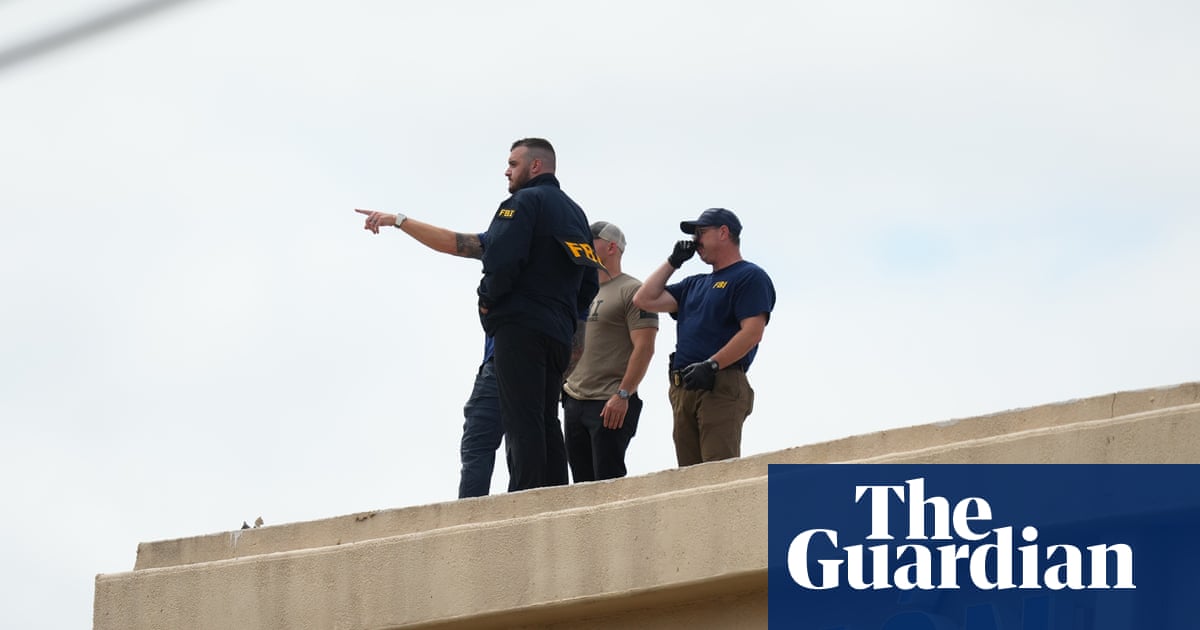
Dallas Ice shooting suspect planned attack, FBI warns—youth warned to stay alert

In recent days, the United States has faced a stark reminder of the rising tide of political violence and internal strife. The shocking attack on an Immigration and Customs Enforcement (ICE) detention facility in Dallas underscores the deepening divisions within American society—a nation torn between lawlessness and the rule of law. The FBI disclosed that the suspect, identified as 29-year-old Joshua Jahn, meticulously planned the assault, even deploying a ladder and a high-powered rifle with sniper capabilities. Such details reveal an alarming degree of premeditation, emphasizing that the incident was not an impulsive act but a calculated strike against the very institutions meant to uphold national sovereignty and law enforcement integrity. As analysts from think tanks warn, these acts threaten to destabilize America’s internal security and fuel further polarization, which, if left unaddressed, could usher in an era of increasing chaos and societal fracture.

The geopolitical impact of this domestic crisis extends far beyond U.S. borders. As the Biden administration struggles to manage a surge in political extremism, international observers from Russia to China, along with global organizations such as the United Nations, are watching with concern. The incident comes amid a backdrop of strained global relations, where weak governance in the USA fuels skepticism about American leadership and stability. The rhetoric surrounding the attack, with former President Donald Trump and right-wing commentators framing it as a consequence of what they label as “radical left” policies, exemplifies how domestic issues are increasingly intertwined with international perceptions of American strength. The potential for such violence to influence foreign policy and global stability remains a key concern, particularly as nations contend with their own internal conflicts and the erosion of traditional security paradigms.

Notably, this attack appears to be a manifestation of rising militant tensions fueled by intense partisan conflicts and an emboldening of radical elements. Historians caution that in times of social upheaval, acts of targeted violence against government institutions are often precursors to broader destabilization. Various analysts from NATO to the European Union have warned that the ongoing polarization within the USA may serve as a blueprint for others who seek to undermine Western cohesion. The suspect’s expressed hatred for the federal government, along with notes indicating an intent to instill terror among ICE agents, reveal troubling ideological undercurrents that could inspire copycat violence internationally. These dynamics threaten to ripple outward, challenging the stability of democracies around the world. As the global community observes the U.S. domestic crisis unfolding, the need for decisive leadership becomes undeniable.

Ultimately, the Dallas shooting encapsulates a pivotal moment—an ongoing chapter of history still being written. With each act of violence, the fragile fabric of societal trust is further frayed, pushing nations to confront uncomfortable truths about internal divisions and external instability. The world watches breathlessly, aware that such acts of terrorism, rooted in hatred and ideological extremism, have consequences far beyond national borders. As leaders debate solutions, the weight of history presses down: will the United States emerge resilient, or will this be a harbinger of a new era of chaos? The answer remains unwritten, but the shadows cast by this violence will surely shape the pages of history for generations to come.

Social Media Auto Publish Powered By : XYZScripts.com