Matox News

Truth Over Trends, always!

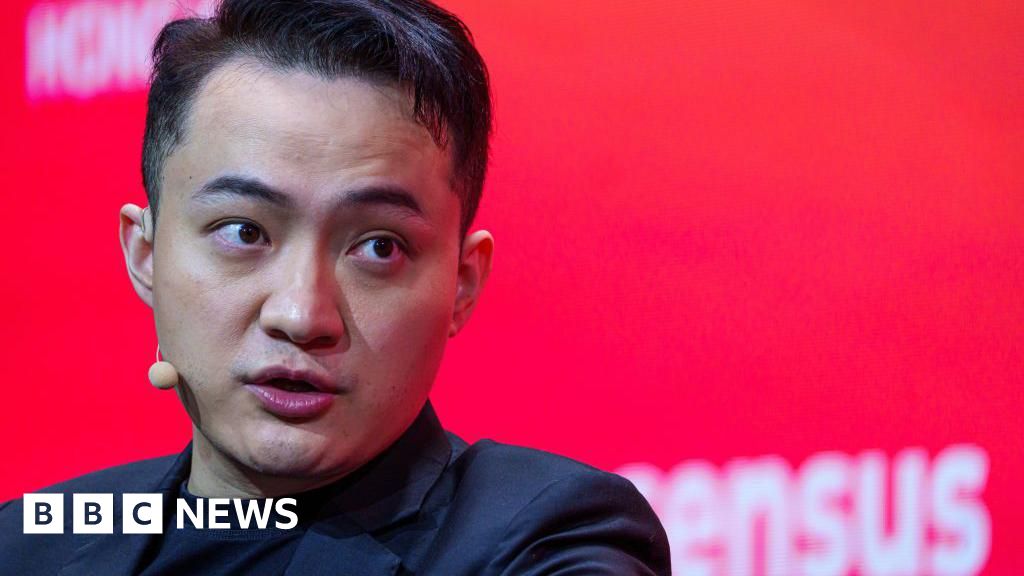
Billionaire Investor Sues Trump Family’s Crypto Firm Over Alleged Extortion

In a development that has sent shockwaves through the international financial and tech sectors, billionaire investor Justin Sun has initiated a lawsuit against the family-run World Liberty crypto venture, citing a loss of $45 million following his substantial investment in their tokens. This legal action not only highlights the volatile nature of the emergent cryptocurrency landscape but also underscores broader concerns about transparency and regulation within this rapidly expanding economic frontier.

The clash has immediate geopolitical implications that extend beyond the realm of individual investors. As Sun’s lawsuit unfolds, financial authorities and regulatory bodies across multiple jurisdictions are paying close attention. Many analysts warn this case could become a \u201Cbenchmark\u201D for future governmental crackdowns on unregulated digital assets, especially amid a global push for stricter oversight of cryptocurrencies. According to leading economic historians and international organizations such as the International Monetary Fund and World Bank, this conflict is emblematic of a larger struggle—one where nascent blockchain innovations collide with entrenched financial regulatory frameworks, often with unpredictable repercussions for ordinary citizens and national economies alike.

For U.S., European, and Asian regulators, such disputes serve as a crucial test case. The case reveals the urgent need for a cohesive global approach to regulate digital asset markets, which remain plagued by a patchwork of rules and inconsistent enforcement. Potential consequences range from increased regulatory clampdowns to restrictions on cross-border crypto transactions, thus altering global trade flows and investment strategies. Some experts suggest this crisis could accelerate a shift toward clearer international standards, yet others warn of the risk that overregulation might stifle innovation and push activity into clandestine channels, threatening the very essence of a decentralized digital economy.

As Justin Sun and the World Liberty family prepare for court proceedings, the broader battle over control, legitimacy, and the future of digital currencies remains unresolved. Observers like geopolitical analyst Dr. Michelle Porter emphasize that this incident is a harbinger—signaling a critical juncture where economic, legal, and technological forces collide. Her warning echoes a warning often sounded by historians: that history’s most pivotal moments often arise from conflicts that challenge the status quo, shaping the landscape for generations to come. With many nations watching closely, the outcome of this lawsuit could well alter the very fabric of the digital economy, embedding lasting lessons for investors, regulators, and societies worldwide.

As the story continues to unfold, the tale of Justin Sun’s legal challenge against World Liberty stands as a stark reminder of the tumultuous path humanity treads in the quest to harness the revolutionary potential of cryptocurrency. In a world teetering between innovation and regulation, the true impact of this clash remains uncertain—yet its echoes will resonate through history, hinting at a future where old paradigms are finally challenged by new, unpredictable forces. The narrative of global finance is still being written, and with every passing chapter, the stakes grow higher—shaping the destiny of nations and societies in ways that may never be fully understood.

Nigeria’s Alleged Coup Plotters Deny Treason — Defending Their Future

Allegations of Coup Plot Surface Amid Political Unrest in Nation X

The recent emergence of allegations concerning a potential coup attempt in Nation X has sent shockwaves through the international community. Initially surfacing last year when a national Independence Day parade was unexpectedly canceled, these warnings have since evolved into widespread concern among global analysts and diplomatic officials. The cancellation, originally dismissed as logistical or security considerations, now appears to have been a precursor to deeper internal tensions threatening to destabilize the country’s fragile political landscape.

Sources familiar with Nation X’s security apparatus suggest that behind-the-scenes intelligence had uncovered signs of clandestine plots aimed at ousting the current government. These revelations prompted the leadership to tighten control over critical communications and military troop movements. Experts in regional geopolitics warn that such internal power struggles can have severe repercussions beyond borders, especially when they involve nations of strategic importance. Several analysts, including those from the International Crisis Group, emphasize that these developments highlight the vulnerability of many emerging states where institutional resilience is still being tested amid rising populist sentiments and external influences.

Global Reactions and Implications

The unfolding crisis in Nation X has prompted reactions from multiple global powers and international organizations. While some regional allies advocate for a cautious approach, emphasizing sovereignty and non-interference, others call for urgent diplomatic engagement to prevent escalation. At the UN Security Council, debates have intensified over ways to support peaceful political processes, emphasizing the importance of stability for regional security. The United States, the European Union, and neighboring countries have all issued statements expressing concern over the potential for violence and democratic backsliding, which could destabilize broader regional security architecture.

Historian and geopolitical analyst Dr. Lena Marks notes that history shows how fragile regimes can turn into open conflicts when internal factions believe their survival is threatened. “The stakes are high, and the risk of a broader proxy confrontation cannot be discounted, especially if external actors choose to exploit the chaos,” she warned. As the situation continues to evolve, the geopolitical impact remains uncertain, with predictions ranging from a swift resolution to a prolonged period of unrest that could ripple over neighboring nations.

How Decisions Shape Nations and Societies

Nation X‘s internal power struggles underscore the profound influence that leadership choices and judicial integrity have on societal stability. The international community watches with keen interest, knowing that the outcome could serve as a test case for the resilience of democratic institutions in a modern era marked by geopolitical competition. Decisions made now—whether to favor dialogue or suppression—will shape the fabric of Nation X‘s future for generations.

As history hangs in the balance, the potential for conflict looms, reminding all observers that undercurrents of internal dissent can rapidly morph into larger upheavals—events that not only reconfigure national landscapes but also reshape the course of international relations. The unfolding saga in Nation X remains a stark reminder: in an interconnected world, the fate of one nation can become a reflection of global stability, echoing through history’s expansive corridors where every decision writes a new chapter of uncertainty.

Trump administration sues Harvard over alleged antisemitism—taking a stand for fair treatment

The ongoing clash between the United States federal government and Harvard University underscores a mounting phase in the broader ideological and geopolitical battlegrounds shaping the 21st century. With the recent legal actions initiated by the Trump administration, the stakes are not confined merely to campus debates but extend into the realm of international influence and sovereignty. This confrontation signals a deliberate move by the U.S. government to assert control over ideological currents within elite institutions, and by extension, influence how global values are interpreted and enforced across the world.

The latest lawsuit, filed in the U.S. federal court for Massachusetts, charges Harvard with failing to combat anti-Semitic and anti-Israel conduct on campus, alleging the university turned a blind eye to disruptive protests and violent harassment of Jewish students. While Harvard has publicly insisted it is addressing these issues, the government’s legal challenge broadens the debate, arguing that the university violated Title VI protections against racial and national origin discrimination—directly linking the internal campus conflicts to the wider international struggle over anti-Semitism and free speech. This move is emblematic of a U.S. attempt to set a precedent: academic institutions receiving federal funds must adhere strictly to a narrative aligned with what the administration perceives as America’s moral and geopolitical stance.

Historian John Miller and analysts from the Foreign Policy Council interpret the situation as a strategic effort to recalibrate the value system by which American power projects itself at home and abroad. They warn that by threatening billions in research funding—funds that constitute roughly 11% of Harvard’s revenue—America signals that it will not tolerate educational environments that dissent from certain ideological orthodoxies. Such external pressure could ripple through the global landscape by influencing similar policies in allied nations, thereby shaping an international narrative that aligns with American interests—but at what cost to academic independence and free inquiry?

Moreover, this controversy unveils a pivotal turning point in the U.S.-centered fight over domestic ideological conflicts. Harvard’s resistance to the administration’s accusations, including its countersuit, underscores the ongoing struggle for institutional autonomy in an era where geopolitical influence often hinges on the control of knowledge and cultural narratives. As federal authorities threaten to withhold vast sums and potentially recoup past grants, the implications extend beyond Harvard’s gates. Other universities and international educational institutions are observing these developments closely, aware that the outcome could reshape the very foundation of academic freedom—an institution once thought inviolable—under the heavy hand of government oversight with geopolitical undertones.

As history charts an uncertain course, the relentless cadence of international shifts and internal disputes over ideological control portends a future where the fight over campus conflicts becomes a microcosm of the larger struggle for global influence. With each court ruling, each policy adjustment, and each geopolitical maneuver, the fate of national sovereignty, the integrity of education, and the values underpinning the West are being inscribed into the annals of history—an unfolding epic where the weight of the present will inevitably shape the destiny of nations yet to come.

US Civil Rights Icon Cesar Chavez Alleged to Be Involved in Sexual Abuse Scandal

The international community is witnessing a significant shift as recent allegations against a prominent global figure have prompted widespread upheaval across political and cultural spheres. The accusations have ignited a ripple effect, leading to the cancellations of planned events and celebrations that once sought to honor this individual later this month. These developments highlight the fragile nature of leadership images in the digital age, where allegations can rapidly destabilize seemingly unassailable positions of influence.

Experts warn that such incidents are not isolated but are emblematic of a broader trend in global geopolitics—where moral and ethical considerations increasingly influence international relations. Historians and analysts highlight that these turning points can reshape public perceptions, elevate conversations about accountability, and even recalibrate diplomatic alliances. The decision to cancel events traditionally reserved for recognition or celebration underscores a significant shift—one that questions the long-standing narratives of leadership and integrity.

  • The allegations, which remain under investigation, have prompted several countries and organizations to reevaluate their stance towards the accused leader.
  • Global institutions, seeking to demonstrate adherence to transparency and moral accountability, have issued statements urging thorough investigations.
  • Some nations have used the allegations as leverage to push for reforms or greater scrutiny of their own officials, fueling a wave of anti-corruption sentiments across continents.

The geopolitical impact of these events extends far beyond the immediate sphere of the accused figure’s influence. How nations respond to such crises often influences diplomatic relations, shifts in power balances, and even internal social cohesion. Countries sympathetic to the accuser’s motives may powerfully condemn the alleged misconduct, strengthening their alliance against what they perceive as authoritarian overreach. Conversely, defenders of the accused often rally around their leader, framing the allegations as politically motivated attacks, thereby deepening societal divides.

International organizations like the United Nations and regional blocs are now being called upon to navigate this complex web of legal, ethical, and diplomatic considerations. These entities face the challenge of upholding international standards while managing the sensitivities of national sovereignty. Political analysts from think tanks underscore that the way these organizations handle such crises can set precedents that influence global governance for years to come.

As the world watches the unfolding drama, the words of seasoned commentators serve as stark reminders of history’s weight—reminding us that these moments of crisis are the forge in which future leaders and nations are tested. Will justice prevail, and what lessons will humanity draw from this chapter in the ongoing story of global politics? The answers are yet to be written, but one thing remains clear: the decisions and reactions shaping this crisis will echo through history, defining the moral contours of our era. In this turbulent time, the world stands at a crossroads, where every move may tip the scales of history, and each choice bears the potential to reshape the global order forever.

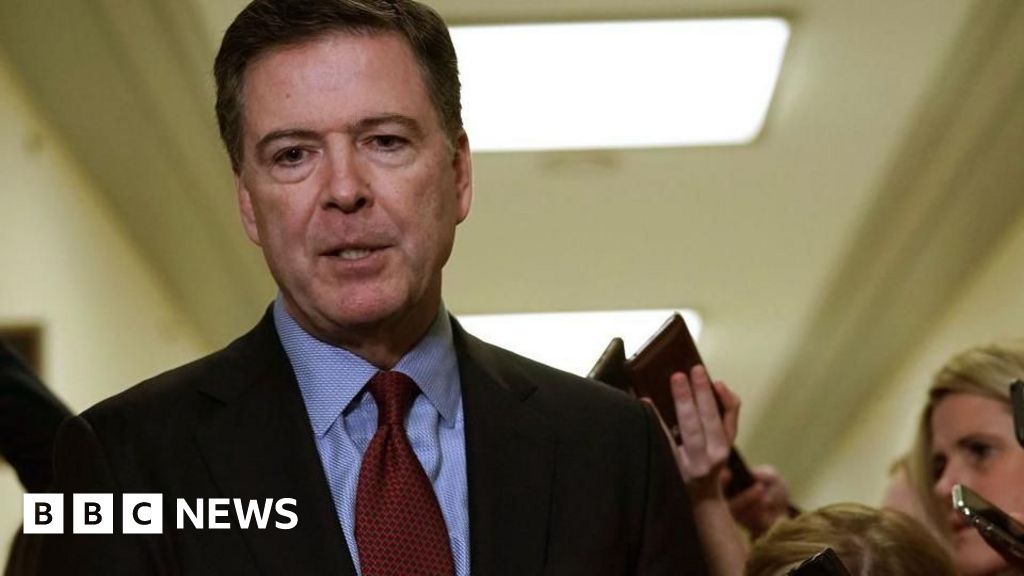
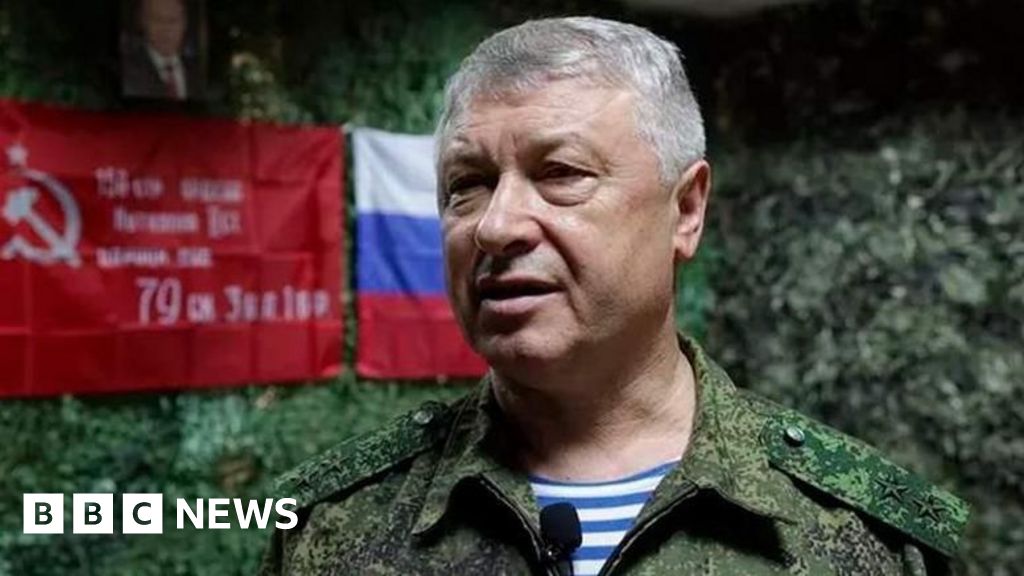
Identified: Three Suspects, Including Alleged Shooter, in Russian General Attack

The international community continues to grapple with the ramifications of a recent attack that has sent shockwaves through geopolitical circles. At the heart of the narrative is Lyubomir Korba, identified as the alleged gunman, whose whereabouts remain a focal point of concern for authorities worldwide. According to reports from Russia, Korba fled the scene of the incident and has reportedly crossed into the UAE, raising complex questions about border security, international law enforcement cooperation, and the shifting allegiances in a turbulent geopolitical landscape.

The incident itself—while details remain emerging—has profound implications for regional stability and the delicate balance of power. Experts and international agencies are closely scrutinizing whether this was an isolated act of violence or part of a broader pattern indicative of escalating internal or external pressures on nations involved. Russia, a key player on the global stage, has explicitly stated its concerns over the suspect’s escape, urging UAE authorities to apprehend Korba and facilitate an extradition process. The case underscores how conflicts or unrest in one nation inevitably ripple outward, impacting diplomatic relations, border policies, and security alliances.

Global Power Dynamics and Diplomatic Reactions

  • Russia has taken a firm stance, framing the incident within the context of regional security threats and emphasizing the importance of international cooperation to combat transnational crime. Analysts note that Russia’s emphasis on the suspect’s flight signals a broader push to extend influence and bolster alliances with key Gulf nations, such as the UAE, amidst a shifting geopolitical order.
  • The UAE faces mounting pressure to demonstrate its commitment to global security standards, a move that could either bolster or strain its diplomatic relations, particularly with Russia. The incident also spotlights the strategic importance of the Gulf region as a nexus point for international espionage, terrorism, and now, high-profile criminal escapes.
  • Meanwhile, international organizations—such as the United Nations and global security forums—are calling for a unified approach to prevent such incidents from undermining international law and stability. Experts warn that failures in border enforcement or intelligence sharing could have devastating consequences that extend far beyond the immediate region, risking wider chaos.

Historical and Analytical Perspectives on Geopolitical Consequences

Historian and geopolitical analysts caution that the fallout from this event may signal a turning point in how nations view security and sovereignty in an interconnected world. Historically, such incidents often serve as catalysts for deeper alliances or, conversely, point to vulnerabilities that adversaries can exploit. International institutions, tasked with maintaining peace and stability, must adapt quickly to these evolving threats. The case of Korba’s escape underscores the importance of international intelligence-sharing networks and the need for nations to reassess border protocols that have long relied on outdated frameworks.

The suspect’s flight into the UAE also sparks questions about the political and economic relations between Russia and Arab nations, as well as the influence of emerging global powers vying for dominance. The fallout from this incident could serve as a precedent for future cooperation—or conflict—that may redefine the international order. With each passing day, the weight of history presses down, and the world watches as the unfolding story continues to shape the trajectory of geopolitical stability or chaos.

In an era where conflicts are no longer confined within borders but extend across continents via digital, diplomatic, and clandestine channels, the significance of this event cannot be overstated. From the corridors of power in Washington and London to the diplomatic neighborhoods of Dubai and Moscow, the echoes of this case reverberate far beyond the immediate incident. The question remains: will this be a catalyst for renewed international cooperation or a harbinger of a fractured world landscape still waiting to be redefined?

Kent Council Under Fire for Alleged £40m Net Zero "Savings" — Reform UK Calls Out Fabrication
Kent Council Under Fire for Alleged £40m Net Zero “Savings” — Reform UK Calls Out Fabrication

Uprising of Reform UK in Local Governance Sparks International Scrutiny

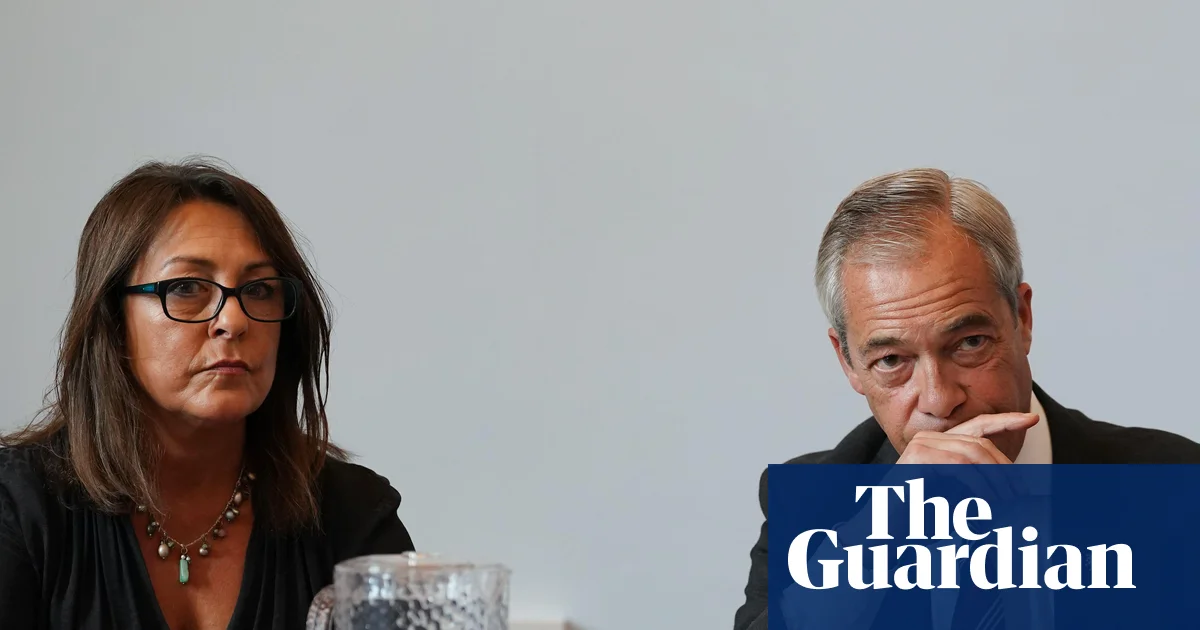
The recent political scandal surrounding Reform UK’s control of Kent County Council has ignited a broader debate on the efficacy and transparency of insurgent right-wing movements in local governments across the United Kingdom. Decision-makers and political analysts worldwide are closely observing whether the party, known for its anti-establishment stance led by figures like Nigel Farage, can transition from disruptive rhetoric to effective governance. The scandal, centered on alleged falsehoods about massive savings tied to net zero initiatives, not only threatens the party’s credibility but also raises questions about the impact of such political upheavals on regional stability and fiscal policy.

At the core of the controversy is Kent County Council’s claim of saving nearly £40 million—an assertion now under question after investigative efforts revealed that the claimed savings were based on hypothetical projects lacking concrete documentation. This development is viewed as a *regrettable* reflection of how some insurgent parties might manipulate fiscal figures for political gain, especially amidst a climate of pervasive *wokeness* and environmental mandates increasingly scrutinized at the local level. The situation echoes past warnings from international organizations, such as the OECD, which have cautioned against politicized climate policies that lack transparency and tangible outcomes, viewing them as potential catalysts for public mistrust and societal division.

International Dimensions of Local Party Power and the Consequences of Political Deception

Analysts point out that this incident in Kent is emblematic of a broader phenomenon where local insurgent parties seek to capitalize on popular sentiments against traditional political elites. The accusations of misinformation, especially involving claims of significant financial savings from projects that only existed in planning drafts, have stoked fears about the rise of populist movements exploiting fiscal narratives. Some international observers, including political scientists and historians, warn that such tactics, if widespread, can undermine trust in independent institutions and destabilize regional governance structures, with ripple effects felt across national and even international levels.

  • Specifically, the dispute centered on claims that the council would cancel environmental projects and electric vehicle initiatives, purportedly saving millions—yet, subsequent disclosures revealed scant evidence for such projects’ existence or approval.
  • Key figures, including Polly Billington, a Labour MP, denounced the claims, labeling them as “a blatant lie,” highlighting a pattern of *deliberate deception* aimed at political positioning rather than public service.
  • Meanwhile, the party’s leadership defended their narrative, asserting that potential projects listed in budget documents were *”future cost‑avoidance measures,”* a technicality that prompts debate over fiscal integrity versus political rhetoric.

This episode underscores a critical truth about the *geopolitical impact* of local political maneuvers. As insurgent parties like Reform UK seek to reshape local governance, they inadvertently influence broader national discourse on fiscal responsibility, environmental policies, and government accountability. The governing institutions at the European Union and beyond have long emphasized transparency as essential for maintaining public trust, and the current scandal exemplifies how deviations from this principle can fuel unrest and populist backlashes. Furthermore, the event serves as a warning to societies worldwide that the unchecked rise of populist rhetoric, especially when encapsulating exaggerated or fabricated claims, can erode the foundations of democratic accountability.

The Unfolding Narrative as History Continues to Write Itself

As Kent reels from the revelations, the wider implications for British politics loom large. The incident adds to a growing list of conflicts where *truth and transparency* collide with political ambition, raising questions about the future of governance in a landscape increasingly dominated by media savvy and populist appeals. The departure of Paul Chamberlain, who resigned after admitting to a “lapse of judgment,” reflects internal struggles within these movements, hinting at deeper issues of discipline and ideological cohesion. Internationally, observers note that such internal discord can serve as a microcosm of larger societal tensions, where the desperate pursuit of power often clashes with ethical governance.

The world watches as the story continues to unfold—each revelation, denial, and political maneuver shaping not just local policies but echoing across borders. The very tenets of truth, fiscal responsibility, and accountability are now at a critical crossroads. As history’s pen writes, the question remains: will these early missteps be the cautionary tales that forge resilient democratic institutions, or will they be the dark chapters that expose the fragility of society’s trust and the perilous edge of populist politics? With the weight of the future hanging in the balance, the unfolding saga in Kent reminds us that, in the theater of geopolitics, every local battle shapes the narrative of a world still striving, still fighting, for its soul.

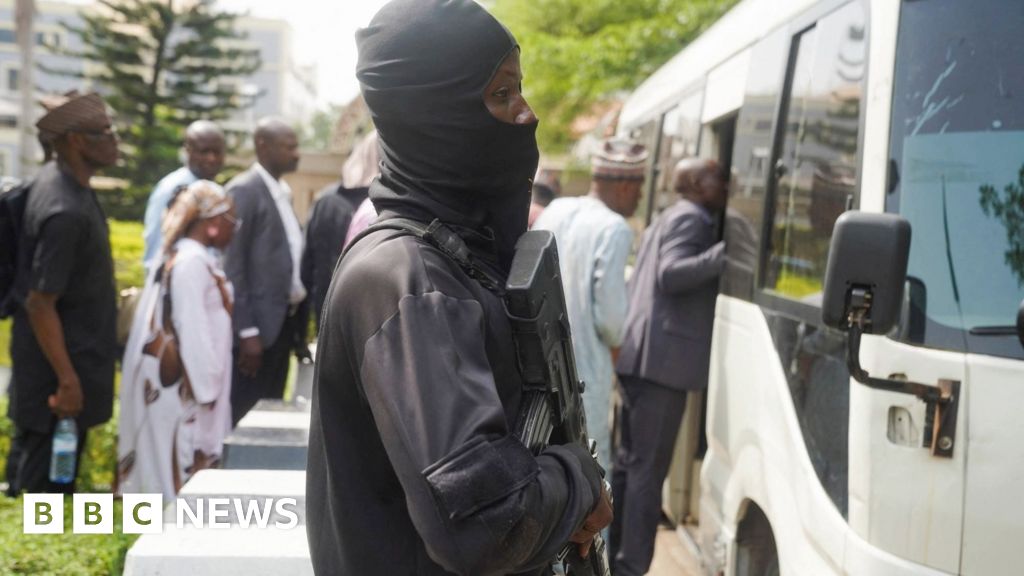
Nigerian Officers Set for Trial Over Alleged Coup Plot Against President Bola Tinubu

Nigeria, Africa’s most populous nation and a key regional power, is once again facing the specter of military discontent. Recent reports confirm that a group of military officers are scheduled to face trial on charges of plotting to overthrow President Bola Tinubu last year. This development underscores the fragile stability that persists within Nigeria’s armed forces, which have historically oscillated between authoritarian rule and fragile civilian governance. Although the Nigerian military initially dismissed rumors of an attempted coup, an internal investigation has revealed enough evidence for some officers to stand before a military judicial panel, signaling a potential shift in the internal dynamics of Nigeria’s security apparatus.

Historically, Nigeria has endured a turbulent political landscape marked by multiple coups spanning from 1966 to 1993, leaving scars on its national psyche and institutional stability. Today, analysts warn that allegations of coup‑plotting are especially sensitive given the country’s history. The military’s official stance emphasizes that such plots are “inconsistent with the ethics, values, and professional standards” expected of its soldiers, but the underlying tensions run deep. As violent insurgencies, political unrest, and economic frustrations continue to simmer, the armed forces find themselves under increasing operational pressure—fighting jihadist groups in the northeast, combating communal violence, and addressing widespread insecurity. These multifaceted challenges threaten to weaken discipline and cohesion within the military ranks, which many experts attribute to the rising possibility of dissident factions seeking to challenge civilian authority.

This internal crisis within Nigeria’s military must be viewed within the broader context of the current regional upheaval in West Africa. Countries such as Mali, Burkina Faso, Niger, and Guinea have experienced recent coups, prompting fears among regional policymakers and international observers. While countries like Mali and Burkina Faso continue to grapple with military takeovers, Guinea has seen a recent return to democratic rule after military-led interventions. These shifts are generating a sense of urgency and vigilance among the Ecowas regional bloc, which has historically positioned itself as a guarantor of stability in West Africa. For Nigeria, a nation often seen as the regional stabilizer, the question arises: how will its internal military unrest impact regional cohesion and security?

International analysts, including those from think tanks and organizations like the UN and Africa Union, warn that the delicate balance of power in West Africa is at risk. With Nigeria’s military asserting its loyalty to civilian rule publicly yet facing credible challenges from within, the possibility of a broader destabilization looms. The ongoing tensions reflect deeper issues—resource constraints, militant insurgencies, and internal factionalism—that threaten to unravel the progress made since Nigeria’s return to civilian rule in 1999. As these developments unfold, the shadow of history’s darker chapters looms large, reminding the world that the struggle for democracy is an ongoing battle fought not only on the streets but within the military’s own ranks.

In the unfolding narrative of Nigeria and West Africa, the current tensions serve as a stark warning—history’s lessons are not easily forgotten. The continuing saga of military influence, regional instability, and the fight to secure democratic institutions may yet rewrite the future of this pivotal region. The world watches with bated breath, understanding that the decisions made now could shape the course of history for generations to come, as the section of history still being written demands resilience and resolve in the face of jeopardy.

BBC reveals Epstein’s UK flights included alleged British abuse victims—justice must be served.

In a development that underscores the persistent shadows cast by Jeffrey Epstein‘s murky international activities, a BBC investigation has revealed over 87 flights linked to the disgraced sex offender arriving in and departing from UK airports spanning nearly three decades. These revelations expose the shocking extent of Epstein’s entanglement with Britain, exposing how a man convicted of soliciting sex from minors was able to traverse borders with apparent impunity—raising serious questions about the integrity of international oversight and the efficacy of UK immigration policies.

Despite Epstein’s death in 2019, the emerging flight logs and documents suggest a disturbing pattern of ongoing activity well after his 2008 conviction. The fact that at least 15 flights occurred after the conviction, when Epstein was registered as a sex offender in the US, signifies glaring lapses in border security and potentially, a network of enablers within Britain. American lawyers representing his victims have criticized UK authorities for failing to launch a comprehensive investigation, emphasizing that the UK was a “centerpiece” of his operations. Analysts warn that this oversight not only hampers justice for victims but also signals a broader failure to recognize the danger posed by international traffickers—an issue the US and Britain must confront collectively, lest similar tragedies occur in the shadows again.

Furthermore, the involvement of British women in Epstein’s flights, including testimonies from survivors like Kate, exposes the depth of complicity that could have been overlooked or deliberately ignored. According to legal experts like Prof Bridgette Carr, trafficking cases often involve complex networks of professionals—from accountants to legal advisors—working in concert to facilitate these heinous crimes. The inability or unwillingness of UK police to pursue further inquiries, despite internal reviews, underscores a critical failure in safeguarding vulnerable populations. As historians and critics argue, these missed opportunities for justice could be remembered as one of Britain’s darker chapters—an era when the machinery of justice failed its victims, allowing predators to operate across borders with little accountability.

The geopolitical impact of Epstein’s UK connections extends beyond crime. It raises profound concerns about how international decisions influence societal fabric. Epstein’s trips to royal residences, and his frequent movements through London’s Heathrow and other airports, reveal the vulnerabilities in border policies—especially when short-term visa rules allowed US citizens with criminal convictions to slip under the radar. The U.S. authorities’ refusal to declassify Epstein-related files, despite the Jeffrey Epstein Transparency Act deadline, fuels suspicion that powerful interests may have concealed—either purposefully or inadvertently—links between Epstein and influential global figures. These revelations threaten to tarnish foreign relations, undermining Britain’s claim to moral authority on human rights and prosecution of sex crimes.

As the international community watches, the questions remain: who else was complicit? How many victims’ voices have been silenced by bureaucratic apathy or international diplomatic complicity? The unfolding story is not just about a single pervert’s depravity but a warning—an ominous reminder that the fabric of justice and sovereignty is fragile, especially when overshadowed by influence peddling and diplomatic interference. The tapestries of history are still being woven, and the next chapter remains unwritten. Will protocol and vigilance finally catch up with the dark corners of prescriptive diplomacy, or will the shadows of Epstein’s empire continue to cast a pall over global society, leaving generations to wonder what might have been saved, had they acted sooner?

IShowSpeed sued for alleged assault on viral humanoid Rizzbot—what’s really going on?

Rizzbot and IShowSpeed’s Viral Encounter Sparks Industry-Wide Shift in AI and Robotics

In a striking display of innovation and disruption within the AI and robotics sector, the recent clash between popular streamer IShowSpeed and the humanoid influencer robot Rizzbot has sent ripples through the tech industry. The incident, livestreamed and now subject to legal proceedings, underscores the volatile intersection of cutting-edge robotics and mainstream digital entertainment, illuminating critical challenges and opportunities for businesses leveraging AI-driven humanoids for social engagement.

This event highlights a broader trend towards disruptive AI-powered personalities that have been reshaping consumer interactions and digital marketing strategies. Rizzbot, developed by Social Robotics, has amassed over a million followers and hundreds of millions of views, symbolizing a new era where humanoid influencers command tremendous social influence with potentially game-changing implications. However, the fallout from this incident—marked by allegations of physical abuse and resulting substantive damage to Rizzbot’s hardware—raises pressing questions about responsibility, ethics, and safety in deploying humanoid AI in live, unscripted environments.

Tech Industry Impact and Business Disruption

The legal proceedings reveal the stark realities of integrating AI and robotics into mainstream content, especially when high-profile personalities like Speed engage with these entities. The lawsuit alleges extensive damage—including broken sensors and compromised functionality—causing significant financial and reputational losses for Rizzbot. This incident accentuates the pressing need for robust AI safety protocols and liability frameworks, especially as AI humanoids are primed to become more commonplace in entertainment, marketing, and even customer service.

  • Disruption of AI-Influencer Market: The incident questions the sustainability of AI humanoids as reliable brand ambassadors.
  • Operational Risks: Physical abuse, hardware damage, and legal liabilities threaten the economic viability of humanoid AI engagement models.
  • Ethical Considerations: The event spotlights concerns over AI ethics and responsible usage, prompting calls for tighter regulation.

Founded on innovations in machine learning, sensors, and real-time interaction, companies like Boston Dynamics and Hanson Robotics are racing to develop robots capable of nuanced social interactions. However, the incident with Rizzbot illustrates that without adequate control mechanisms and safety measures, existing technology remains vulnerable. Industry experts like Gartner analysts warn that, as AI power scales, so does the potential for misuse and high-profile failures that could stall market growth.

Looking Forward: The Urgency of Innovation and Regulation

This disruptive incident marks a pivotal moment in the evolution of AI-driven personas—highlighting both the explosive potential of humanoid robots and the urgency for regulatory frameworks. As Elon Musk and Peter Thiel have repeatedly emphasized, accelerating innovation must go hand in hand with ethical safeguards and safety protocols. The next frontier involves integrating AI safety measures, liability standards, and advanced sensors to prevent damaging incidents that could curtail industry momentum.

With major events like the upcoming TechCrunch Summit in San Francisco (October 13-15, 2026), the industry stands at a crossroads—either driving forward with rugged innovation or facing the adverse effects of lax oversight. The future of humanoid AI hinges on decisive action now, as the global race for technological dominance accelerates. The potential for disruption in social media, entertainment, and beyond will only expand, demanding that developers, investors, and regulators collaborate to shape a responsible AI-empowered future.

Israel receives alleged coffin claimed to hold Gaza hostage's body—Hamas stirs tensions
Israel receives alleged coffin claimed to hold Gaza hostage’s body—Hamas stirs tensions

The ongoing crisis in Gaza has once again underscored the complex and deeply entwined web of geopolitical conflicts shaping the modern Middle East. Recent developments reveal a fragile détente coupled with profound human tragedy. Israel has indeed received a coffin via the Red Cross containing the remains of one of the last two Israeli hostages held in Gaza, as confirmed by the Israeli prime minister’s office. This exchange demonstrates both the humanitarian toll and the diplomatic jostling that define this latest chapter of the longstanding conflict. Notably, alongside the reported body, the Israeli authorities will transfer the remains to their National Institute of Forensic Medicine in Tel Aviv for identifications, an essential step in the ongoing negotiations and for future accountability.

Meanwhile, the Palestinian Islamic Jihad (PIJ) announced the discovery of a hostage’s body in northern Gaza hours prior to the handover, further complicating perceptions of progress and cooperation. The situation remains tense, with Israel accusing Hamas of intentionally delaying the return of the remaining bodies, while the latter claims the bodies are simply buried under rubble—highlighting the logistical and strategic struggles on both sides. The two identified victims—Ran Gvili, a 24-year-old Israeli police officer, and Suthisak Rintalak, a 43-year-old Thai agricultural worker—were killed during the attack on southern Israel on 7 October 2023, and their bodies were taken into Gaza’s chaos. This painful exchange exemplifies the wider human cost of the escalation, which has spurred international demand for a resolution that seems increasingly distant amid ongoing hostilities.

The broader US-brokered ceasefire initiated on 10 October aimed to secure the return of all hostage remains and those still held in Gaza, but progress has been slow. The initial agreement called for the release of 20 living Israeli hostages and the repatriation of 28 deceased Israeli and foreign nationals—a promise that, while partially fulfilled, has been overshadowed by delays and accusations. So far, 23 bodies of Israeli victims and three foreign hostages—Thai, Nepalese, and Tanzanian—have been recovered, but many remain unaccounted for. The exchange of bodies for Palestinian remains is a stark reminder of how fragile hope is in a conflict that has claimed over 70,100 lives, as reported by Hamas’s health ministry. Israel maintains that Hamas’s reluctance has bolstered accusations of deliberate obstruction, a claim that fuels the international community’s concerns and complicates efforts to advance President Donald Trump’s second phase Gaza peace plan, which includes governance reforms, troop withdrawals, and disarmament initiatives.

As the conflict inexorably shapes the geopolitical landscape, global powers and analysts are left to interpret the likely repercussions. The failures and delays in repatriations serve as a de facto reflection of the larger political deadlock—an impasse that threatens to ignite further instability in a region already marked by profound divisions. The ongoing tensions are not merely about the immediate humanitarian suffering but also about strategic influence, military power, and the ideological clash between forces vying for dominance in a crucial geopolitical corridor. This unresolved crisis continues to write itself into history, leaving a path of unresolved grievances and unhealed wounds for future generations. It is a poignant reminder that, amid the chaos and bloodshed, the weight of history remains heavy, its next chapters still unwritten but undeniably influenced by every decision made today.

Social Media Auto Publish Powered By : XYZScripts.com