Matox News

Truth Over Trends, always!

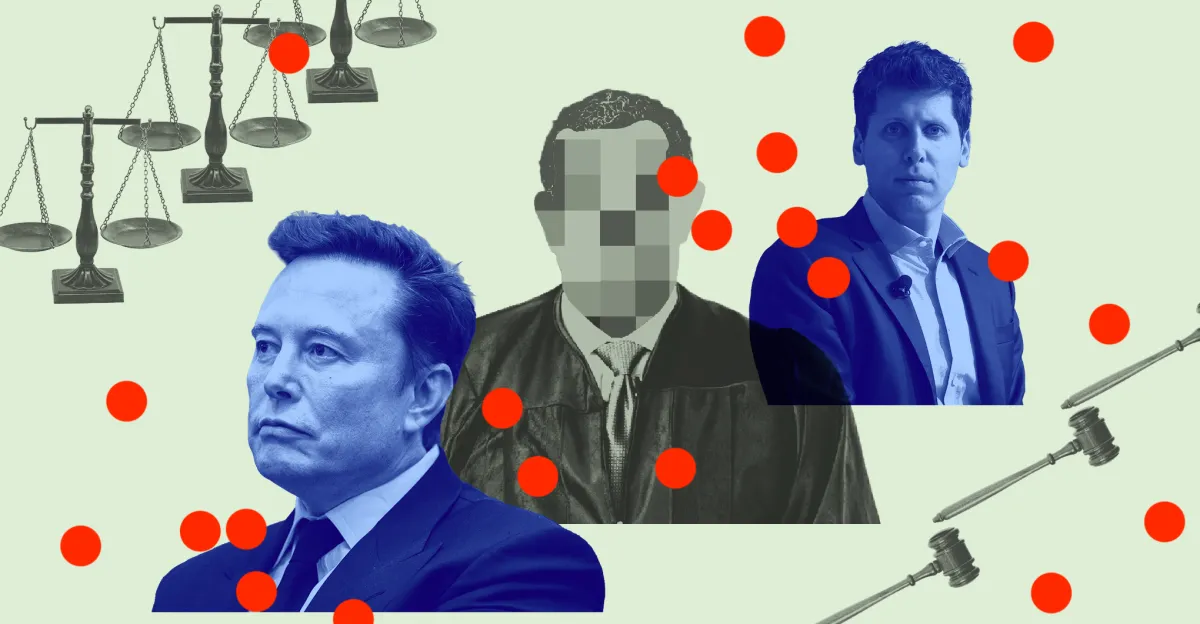
Shocking twist in Musk vs. Altman unfolds behind closed doors—just when everyone thought the duel was on hold

Emerging Market Shifts Signal Disruption in AI and Tech Sectors

The recent revelations from a high-profile legal investigation into OpenAI and Elon Musk have cast light on the intense, behind-the-scenes battles shaping the future of artificial intelligence. In a court transcript that has garnered significant attention, key figures involved in the bid to acquire OpenAI’s non-profit assets indicated that Sam Altman was not just a figurehead but was actively involved on both sides of a controversial transaction that could redefine industry boundaries. This clandestine maneuver illustrates the rapidly evolving landscape of AI asset valuation, investor influence, and corporate restructuring—factors that will invariably impact the realm of disruptive intelligence and innovation.

According to testimony from Birchall, Musk-led consortium, engaged in a bid valued at approximately $97.4 billion in early 2025, questioned the undervaluation of OpenAI’s non-profit foundation during its transition to a for-profit structure slated for public offering. The bid, driven by legal advice and strategic market considerations, hints at a broader pattern: disruption in traditional valuation methods and the emergence of market-shaping tactics that could accelerate or destabilize current AI development trajectories. Experts from Gartner and MIT warn that such maneuvers could create a new paradigm—where corporate influence, legal ambiguity, and strategic acquisitions become the new battlegrounds for innovation dominance.

From a business perspective, this tribunal-induced disclosure signals an industry-wide pivot where controlling assets, intellectual property, and investor alliances are becoming increasingly intertwined in complex, potentially hostile negotiations. The bid itself, underpinned by an aggressive valuation and insider negotiations, illustrates how disruption at the corporate governance level can rapidly influence market trust, investor confidence, and technological leadership. Elon Musk’s ongoing push toward xAI, aimed at pioneering next-generation AI systems, exemplifies this new wave of disruptive streaks energized by unseen negotiations and strategic bid manipulations. As Peter Thiel and other tech futurists have emphasized, the race for AI supremacy is as much about market control as it is about technological innovation.

Looking ahead, the unfolding saga underscores a pressing need for industry leaders, policymakers, and investors to remain vigilant. The confluence of legal gambits, massive valuations, and secret negotiations points to an urgent paradigm shift—one where the future of AI might be determined not solely by R&D breakthroughs but also by strategic market moves and legal insinuations. As the industry braces for this upheaval, the power dynamics are poised to favor those with the agility to disrupt traditional institutions and embrace the evolving landscape of digital dominance. The race is on, and innovators who understand these disruptive currents will be the ones shaping the tech frontier for decades to come—time is of the essence.
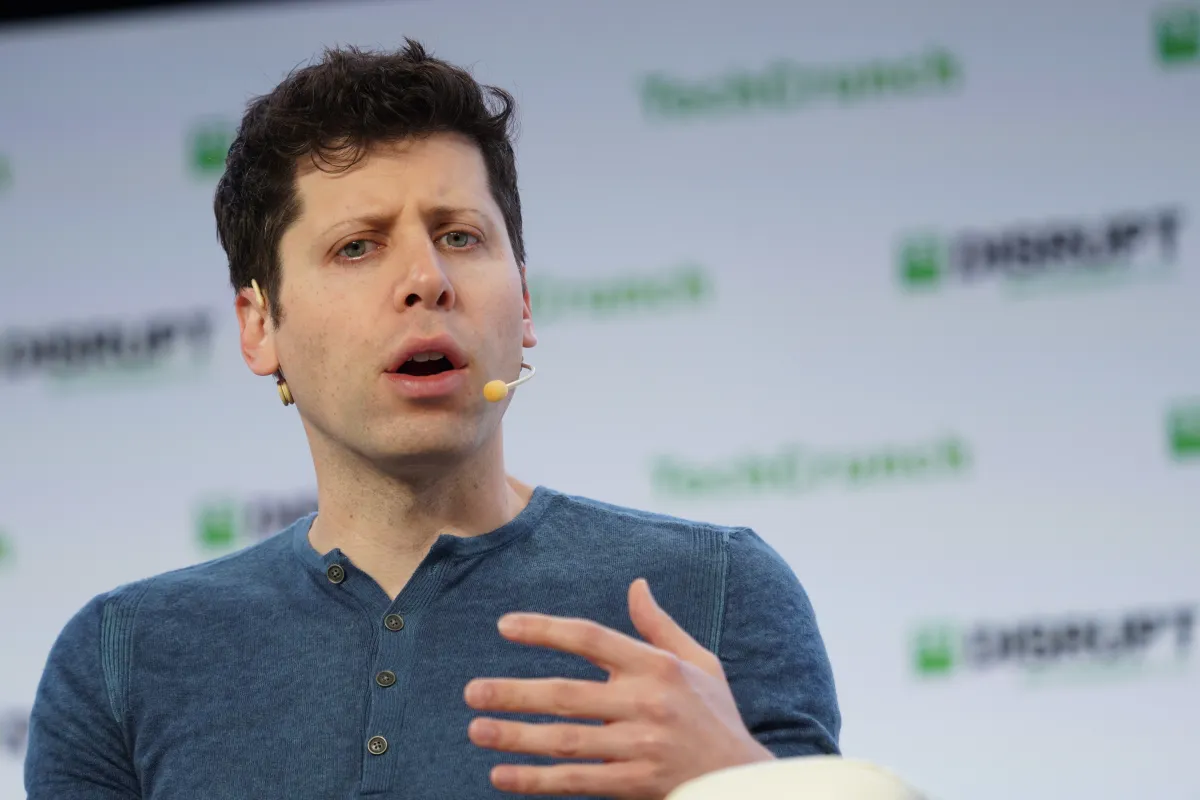

Sam Altman Bristles Over Claude’s Super Bowl Ads—Tech War Heats Up

AI Industry Shakeup: Anthropic’s Bold Moves and the Future of Disruption

The AI landscape is swiftly evolving, driven by fierce competition and relentless innovation. Anthropic, a rising star founded by former OpenAI experts dedicated to “responsible AI,” has made headlines with a provocative Super Bowl commercial that takes direct aim at OpenAI’s ChatGPT. This campaign underscores a shifting industry dynamic—the emergence of disruptive advertising strategies that highlight not just technological prowess but also evolving market narratives and competitive positioning. By boldly mocking targeted ads within AI chatbots, Anthropic is signaling its intent to redefine expectations for transparency, user trust, and responsible innovation amidst heated rivalry.

The commercials themselves are an innovative form of tech marketing, leveraging humor and cultural commentary to resonate with a younger, tech-savvy audience. One ad depicts a man seeking relationship advice from a chatbot, which then abruptly interjects with an outlandish ad for a fictitious dating site, Golder Encounters. Another features a young man receiving a height-increasing insole ad after asking for fitness tips. These narratives cleverly highlight concerns over advertising saturation in AI, a topic that has sparked significant debate since OpenAI announced plans to integrate targeted ads into ChatGPT. Analysts from Gartner warn that such moves could either enhance user engagement or erode trust if not executed transparently, making the strategic stakes higher than ever.

Business Implications and Industry Disruption

The disruption caused by Anthropic’s campaign extends beyond marketing tactics—raising pertinent questions about industry standards and the future of AI monetization models. While OpenAI maintains that its planned ads will be clearly labeled and non-intrusive, critics argue that the mere testing of conversation-specific ads could blur lines of user trust and lead to **”surveillance capitalism”** in AI interactions. “The core concern lies in how these ads could influence or manipulate conversations,” warns Dr. Lisa Smith, AI policy expert at MIT. The industry faces a fork in the road: pursue monetization aggressively or prioritize ethical considerations, a debate that will define the next decade.

  • Anthropic’s ads exemplify a shift toward limited yet impactful marketing—mocking the very strategies of its competitors to carve out market identity.
  • OpenAI’s commitment to ‘separate and labeled’ ads reflects a cautious approach that aims to balance revenue generation with user trust.
  • The rising importance of AI-driven advertising signals a potential industry-wide change—one where monetization becomes embedded within conversational AI’s very fabric.

Looking Ahead: The Need for Strategic Vigilance

The rapid growth of AI tools has attracted investment from industry giants like Elon Musk and Peter Thiel, emphasizing the massive business potential replacing traditional tech sectors. Yet, with this opportunity comes a critical responsibility: to innovate ethically and maintain user trust, even amid cutthroat competition. As AI firms scramble to out-innovate each other, the industry must navigate the fine line between disruption and regulatory oversight. The next chapters in this story will test whether companies like Anthropic can lead with responsible innovation or capitulate to the allure of quick profits at the expense of integrity.

The future of AI is unmistakably **fast approaching**, where technological disruption is intertwined with profound societal implications. Business leaders, policymakers, and technologists must act decisively—embracing innovation without compromising fundamental principles. The trajectories set today will determine whether AI remains a tool for progress or devolves into a new frontier of manipulation and control. For the ambitious, poised and strategic action in this space is no longer optional but essential—because the clock is ticking, and the future waits for no one.

Altman unveils OpenAI’s new AI gadget—more chill and peaceful than the iPhone.

OpenAI & Jony Ive Set to Redefine Consumer Tech with Revolutionary AI Hardware

The tech industry is witnessing an unprecedented infusion of innovation as OpenAI announces a groundbreaking partnership with renowned designer Jony Ive on a new AI hardware device set to redefine how individuals interact with technology. Although details remain under wraps, early reports suggest the device will be pocket-sized and potentially screenless, signaling a paradigm shift in personal AI interfaces. The collaboration integrates OpenAI’s cutting-edge AI algorithms with Ive’s mastery of minimalist design, promising an experience that emphasizes simplicity, usability, and contextual awareness.

This development carries profound business implications, especially as it positions OpenAI at the forefront of the next wave of disruption in consumer technology. Since acquiring Ive’s design startup, Io, earlier this year for $6.5 billion, OpenAI has clearly aimed to democratize AI accessibility beyond the realm of savvy developers and enterprise users. By leveraging Ive’s signature approach—where solutions are both elegant and intuitive—the company intends to craft an interface that seamlessly integrates into daily life, echoing the revolutionary impact of the iPhone. As Altman reflected, the iPhone remains the “crowning achievement” of consumer products, and this new device aspires to surpass even that milestone in relevance and utility.

Industry analysts from Gartner and MIT’s Media Lab emphasize that this venture exemplifies the shift towards personalized, contextually aware AI tools. The device aims to filter distractions, prioritize meaningful interactions, and adapt intelligently to users’ routines. Notably, Altman envisions a product capable of building a trust-based relationship over time, where the AI gains a holistic understanding of users’ lifestyles. Such capabilities could streamline digital interactions and reduce information overload—a persistent concern in today’s hyper-connected environment.

  • Enhanced filtration of notifications and alerts
  • Context-sensitive cues that anticipate user needs
  • Long-term AI-user relationship building

Consequently, this innovation could set new standards for privacy and user control, shifting the industry focus from mere functionality to meaningful, trust-based engagement.

The timeline for commercialization appears promising, with Ive confirming the device’s availability within less than two years. As the industry anticipates this launch, the broader market faces unprecedented disruption, risking the obsolescence of existing (often distractive) gadgets and interfaces. The implications extend further—if successful, this innovation could catalyze a new breed of ultra-portable, AI-driven personal assistants, disrupting not only consumer electronics but also sectors like healthcare, education, and enterprise productivity.

In a landscape already transformed by Elon Musk’s Neuralink and Peter Thiel’s investments in AI-driven startups, this new venture underscores the urgent need for companies and investors to stay ahead of the curve. The convergence of innovation, disruptive design, and strategic partnerships signals that the next frontier of technology will prioritize meaningful human-AI relationships. As industry leaders and startups race to develop smarter, more intuitive devices, the outcome of this bold collaboration will shape the future of personal tech for years to come. For those who wish to lead rather than follow, now is the time to recognize that the era of simplistic yet profound AI interfaces is just around the corner—change is inevitable, and the clock is ticking.

Social Media Auto Publish Powered By : XYZScripts.com



