Matox News

Truth Over Trends, always!

Unsealed Records Expose Amazon’s Price-Fixing Schemes, California AG Alleges

Amazon, the global tech behemoth that has surpassed Walmart as the world’s largest retailer, now faces serious allegations that threaten to shake the foundation of free-market principles. Internal documents recently unsealed as part of a civil lawsuit filed by the California Department of Justice expose a disturbing pattern of anti-competitive practices. These revelations highlight how Amazon allegedly manipulated its platform to suppress vendors selling below its prices, effectively stifling competition and consolidating its dominant position in e-commerce. This not only raises questions about the integrity of online retail but also about the potential consequences for global markets and consumer choice.

Legal experts and independent analysts warn that such practices, if proven true, could set a dangerous precedent worldwide. The documents include emails, depositions, and confidential presentations that reveal how Amazon’s internal tools and algorithms were used to influence pricing and suppress competing vendors. Rob Bonta, California’s Attorney General, expressed concern that these tactics “unlawfully punish sellers” and are especially harmful during a time when many consumers face an affordability crisis. The case, scheduled to reach court in January 2027, promises to be a pivotal moment in the ongoing debate over market monopolization and corporate accountability. Historically, such revelations serve as harsh warnings that the unchecked power of monopolies like Amazon could erode international competition, threaten small businesses, and distort the natural flow of supply and demand.

From the perspective of international relations, this case underscores a broader issue: the erosion of free-market competition in favor of corporate dominance, which could influence policy decisions across nations. The leaked internal emails mention tactics aimed at “shadow blocking” competitors such as Wayfair and Temu, obstructing their sales channels by manipulating the Buy Box—a critical feature that determines which seller’s offer is prominently displayed. This revelation signals a shift where corporate giants are increasingly acting as gatekeepers rather than enablers of consumer choice, potentially leading to global regulatory crackdowns and international efforts to curb monopolistic behaviors. According to economic historians and global institutions, the consequences of such unchecked power could include higher prices for consumers, reduced innovation, and the marginalization of smaller players unable to counteract the raw force of these corporate strategies.

As the world watches, the unfolding story of Amazon’s alleged anti-competitive practices will be remembered as a significant chapter in the ongoing narrative of free enterprise versus corporate overreach. The outcome of this legal battle will echo beyond California’s borders, influencing how societies view corporate accountability and the balance of power in digital markets. With the world poised at a defining moment in economic history, one cannot help but wonder: are we witnessing the dawn of a new era where the **monopoly** reigns supreme, or will resilient voices — from governments, civil society, and global institutions — rise to challenge the dominance of these corporate giants? Only time will tell, but the pages of history are now being written in real time — a story of rivalry, regulation, and the enduring fight for fairness in the marketplace.

Score Big: Apple’s Top Gear Gets Cheaper During Amazon’s Spring Sale!

Apple Sets New Benchmark with the Launch of the 11-inch iPad Air Powered by M4 Chip

In a significant stride toward innovation and disruption in the mobile computing sector, Apple has announced its latest release: the 11-inch iPad Air equipped with the revolutionary M4 chip. Building on its legacy of blending power with portability, Apple aims to redefine user expectations and industry standards. The new device isn’t just an incremental update; it signals a strategic pivot towards integrating the most advanced hardware with ultra-fast wireless connectivity, positioning Apple at the forefront of the tablet market amidst fierce competition from firms like Samsung and Huawei.

At the heart of this release is the M4 chip, which marks a substantial leap in processing power and efficiency, particularly appealing to power users, creatives, and enterprise customers. The upgrade from 8GB to 12GB of RAM underscores Apple’s intent to push the envelope in multitasking and high-performance applications. Complementing this, the inclusion of Apple’s new N1 wireless chip introduces support for Bluetooth 6, Wi-Fi 7, and Thread, enabling faster, more reliable connections with wireless accessories and the burgeoning universe of smart home devices. This convergence of hardware innovation and connectivity capabilities hints at a broader trend: the seamless integration of devices into the smart ecosystem that is increasingly shaping the future of digital living.

Industry analysts, including firms like Gartner and MIT’s Media Lab, recognize this release as a pivotal moment that exemplifies disruption in mobile computing. The enhancements are poised to challenge legacy paradigms, where the focus was primarily on raw processing power, shifting instead toward wireless interoperability and AI-optimized performance. The move toward supporting Wi-Fi 7 and Bluetooth 6 particularly signifies Apple’s acknowledgment of a rapidly evolving wireless landscape, and its commitment to maintaining dominance by offering users an ecosystem that’s faster, more responsive, and more connected than ever before. For the broader market, this signals a strategic emphasis on disrupting traditional hardware cycles, and pressing the boundaries of what a portable device can achieve.

From a business implications perspective, Apple’s latest innovation underscores the escalating arms race among global tech giants to integrate hardware mastery with cutting-edge connectivity. As Elon Musk and Peter Thiel have often highlighted, technology’s true power lies in network effects, and Apple’s ecosystem-centric approach—through devices like the iPad Air—aims to dominate this space. The advancements not only bolster Apple’s competitive edge but also create new opportunities for app developers, enterprise solutions, and smart device manufacturers to leverage this robust platform. Furthermore, the launch accelerates industry-wide movement towards more intelligent, interconnected devices, transforming traditional workflows and consumer behaviors.

Looking ahead, this release invites industry watchers to consider the implications of such technological convergence. As the capabilities of consumer devices rapidly escalate, the demand for innovative ecosystems, secure wireless protocols, and AI-driven experiences will intensify. Companies that fail to adapt risk obsolescence, while those who harness these breakthroughs—like Apple—are poised to shape the digital future. The evolution of the iPad Air with M4 and Wi-Fi 7 heralds an era where the boundary between computing and connectivity dissolves, creating a landscape that promises smarter, faster, and more integrated technology solutions. In this climate of relentless innovation, the race for dominance is more urgent than ever, with tomorrow’s breakthroughs already on the horizon.

Amazon’s sleek new Kindle Scribe hits shelves December 10th—ditch the old, embrace the future.

Amazon Sets New Standard in Digital Notebooks with Innovative Kindle Scribe Update

In a bold move that underscores its commitment to disrupting the evolving landscape of digital note-taking and e-ink devices, Amazon has announced the upcoming release of its highly anticipated Kindle Scribe updates, scheduled for December 10th. This product refresh signifies a strategic pivot from traditional e-readers toward sophisticated, versatile digital notepads that could reshape how millions of consumers engage with content, creativity, and productivity. Priced at $629.99 for the new Colorsoft model and $499.99 for the standard Scribe, these devices aim to challenge entrenched players like Apple and Microsoft, leveraging Amazon’s unparalleled logistics and ecosystem integration.

The new Kindle Scribe models feature impressive technological innovations that highlight Amazon’s dedication to delivering a seamless, intuitive user experience. With larger 11-inch screens and a profile that stuns at just 5.4mm thick—thinner than many smartphones—the updates redefine portability and usability. The screens utilize texture-molded glass to enhance the friction when writing, mimicking the natural feel of paper and elevating the digital note-taking paradigm. Moreover, the devices integrate a novel LED lighting system, employing miniaturized LEDs that promise enhanced brightness and uniformity—crucial features for maximizing usability across various lighting conditions. Pairing this technological rigor with a new magnetized pen allows users to snap the stylus securely, reflecting Amazon’s focus on the business implications of integrated hardware design and user loyalty.

This launch underscores Amazon’s aggressive strategy to disrupt traditional digital publishing and note-taking sectors. By combining hardware innovation with its vast cloud infrastructure, Amazon positions the Kindle Scribe as more than just an e-ink device—it’s a tool for digital transformation in education, business, and creative industries. The appearance of the Colorsoft variant with a full-color display demonstrates Amazon’s ambition to challenge the significance of existing e-ink tablets, which have historically been constrained by monochrome screens. Analysts from Gartner suggest that Amazon’s investments into these advanced features could accelerate the wider adoption of digital notebooks, pushing competitors to innovate or concede market share.

However, the company’s strategy reveals a calculated approach to phased market entry. The $429.99 Scribe model without frontlighting is still expected in 2026, allowing Amazon to refine its technology and pricing power over time. Industry experts, including MIT researchers, warn that this incremental rollout could set a new industry standard, compelling competitors to elevate their R&D investments dramatically. Notably, leading tech thinkers like Elon Musk have emphasized the importance of disruption through innovation, which Amazon is actively pursuing. As Amazon consolidates its position, the interplay of hardware design, user experience, and ecosystem integration will determine who leads the next wave of digital content disruption.

Looking ahead, this move signals a new chapter in the digital revolution—where the convergence of advanced display technology, AI, and seamless hardware-software integration could redefine productivity, creativity, and how knowledge is consumed globally. For stakeholders across the tech landscape, there is a palpable sense of urgency: to innovate, disrupt, and dominate in a market where the winners will shape not just their industries but the future of digital interaction itself. As the December launch approaches, industry watchers will be scrutinizing Amazon’s ability to turn this strategic gamble into a lasting legacy of technological leadership and market disruption.

Score Big: 55 Top Deals Ahead of Amazon’s Fall Prime Day—Don’t Miss Out!

Tech Industry Shifts Accelerate as Consumer Electronics Deals Signal Disruption and Innovation Opportunities

The recent surge in consumer electronics discounts during Amazon’s Prime Big Deal Days underscores a transformative phase within the technology sector, driven by rapid innovation and evolving market dynamics. As brands like Apple and Amazon slash prices on flagship products such as the latest iPad Mini, industry analysts anticipate that these aggressive promotional strategies will reshape competitive landscapes. Such discounts not only bolster consumer enthusiasm but also reflect underlying shifts in supply chain efficiencies, chip manufacturing, and retail strategies—paving the way for new business paradigms to emerge.

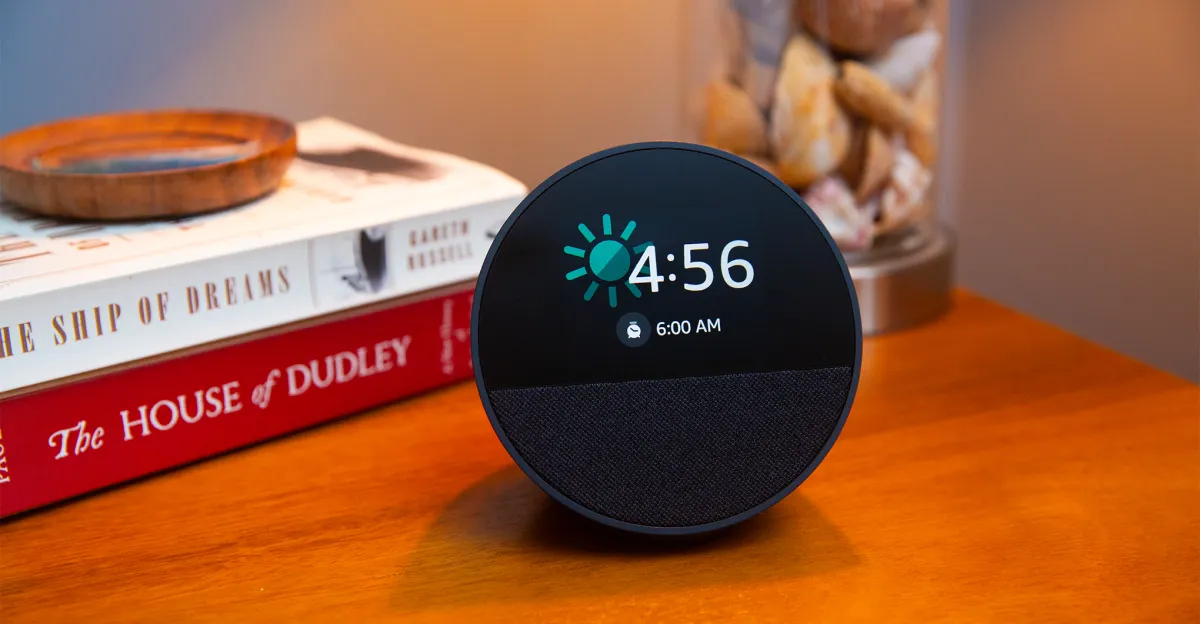
Emerging technologies like wireless earbuds, smart speakers, e-readers, and home automation devices are gaining momentum, with record-breaking deals highlighting their increasing accessibility and integration into daily life. Evident from the promotional campaigns, these gadgets are rapidly evolving through disruption-driven innovation, pushing major players to reimagine their offerings for younger, tech-savvy demographics. For example, the latest Echo devices and Kindle Scribe feature advancements in voice recognition, AI-driven personalization, and seamless ecosystem integration—factors that Gartner and forward-looking investors see as critical for capturing future market share.

The Impacts of Innovation on Business Strategy and Market Dynamics

Industry insiders like Elon Musk and Peter Thiel recognize that disruption in consumer electronics often signals broader shifts within the ecosystem of AI, IoT, and smart infrastructure. The current promotional landscape acts as a market testing ground for these innovations, where bold pricing strategies are employed to accelerate adoption. Companies leveraging machine learning and edge computing are gaining competitive advantages; for instance, smart home products that anticipate user needs and adapt accordingly could redefine residential automation within the next decade.

  • Features: Enhanced connectivity, AI-driven personalization, integrated ecosystems
  • Pros: Increased adoption, accelerated innovation cycles, expanded user engagement
  • Cons: Market saturation risks, supply chain fragility, rapid obsolescence concerns

These developments suggest an industry in flux, with market shifts under way that could advantage innovative startups and established giants willing to adapt quickly. As traditional companies face mounting pressure to innovate or risk obsolescence, the landscape is set for a new wave of disruptive entrants—especially those harnessing AI, 5G, and quantum computing—who will capitalize on this momentum to redefine consumer expectations and industry standards.

Looking Ahead: The Drive Toward a Tech-Driven Future

The rapid pace of technological innovation, combined with strategic promotional campaigns, heralds a future where disruption is the norm rather than the exception. Industry leaders, investors, and policymakers must stay alert to these shifts, recognizing that today’s consumer deals are microcosms of larger strategic pivots. The advent of more affordable, feature-rich devices signals that the next era of technological dominance will be characterized by hyper-innovation, market fragmentation, and new business models rooted in AI, connectivity, and user-centric ecosystems.

As the industry gears up for transformative change, stakeholders must prioritize adaptable, forward-thinking strategies—lest they fall behind. The countdown to a digitally integrated, AI-powered realm is accelerating, and those who act swiftly will shape the trajectory of technological progress in the coming decade.

Social Media Auto Publish Powered By : XYZScripts.com