Matox News

Truth Over Trends, always!

US seizes Venezuelan oil tanker, Trump calls it a win for America

US Seizes Venezuelan Oil Tanker in Bold Show of Force

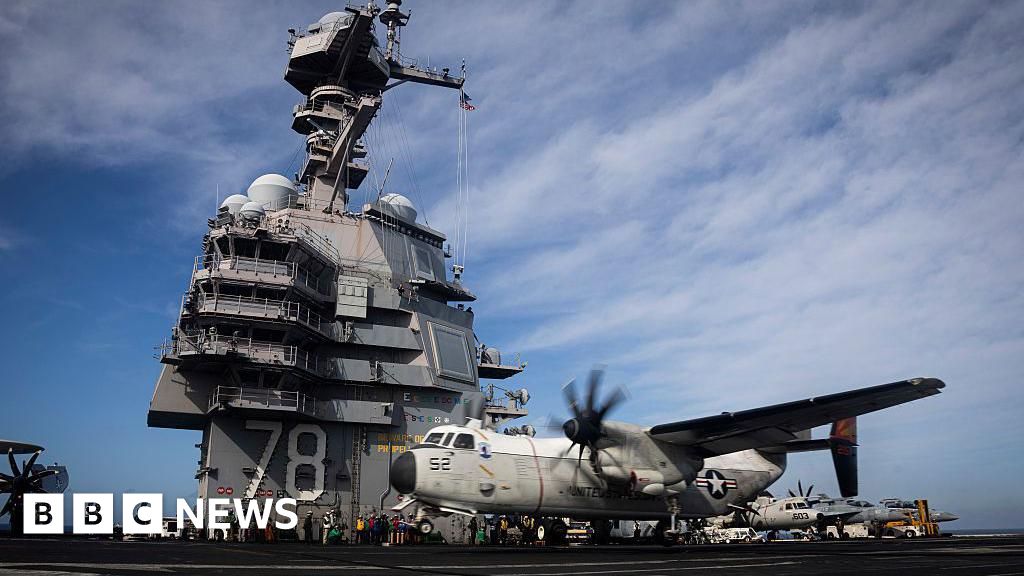
The recent interception of a Venezuelan oil tanker by U.S. forces off the coast of Venezuela signals a significant escalation in the ongoing confrontation between Washington and Caracas. President Donald Trump announced the operation, claiming the vessel was the largest ever seized and was involved in transporting sanctioned oil linked to Iran. This move, under the pretext of cracking down on illegal oil smuggling supporting foreign terrorist organizations, underscores the U.S. administration’s relentless attempt to exert economic and military pressure on the Maduro government. The seizure was a coordinated effort involving multiple agencies, including the FBI, Coast Guard, Department of Defense, and Homeland Security, utilizing assets like the USS Gerald Ford, the world’s largest aircraft carrier, deployed to the Caribbean last month.

Venezuela swiftly condemned the seizure as an act of international piracy, with President Nicolás Maduro asserting that his nation would never accept becoming an “oil colony.” These exchanges are but the latest chapters in a broader geopolitical chess game where Venezuela’s vast oil reserves make it a crucial resource prize for global powers. Historically, analysts warn that such aggressive maneuvers threaten to destabilize regional security and fuel further conflicts, especially as oil prices respond to fears of supply disruptions. The seizure has already impacted global markets, pushing Brent crude prices higher amidst speculation of increased volume restrictions and risks for maritime shippers in the region.

From Sanctions to Seizures: U.S. Strategy and Global Repercussions

The Trump administration’s rejection of Maduro’s government has taken a decidedly aggressive tone, rooted in accusations that Caracas traffics narcotics into the United States. These claims bolster Washington’s narrative of a corrupt regime hell-bent on undermining regional stability. Meanwhile, Venezuela charges that the United States is seeking to loot their resource wealth. Such accusations reflect a broader struggle over resource control, with international organizations warning of the dangerous precedence set by unilateral military actions in sovereign waters. Historians like William Blackstone have long argued that the extension of maritime force outside traditional frameworks risks igniting larger conflicts, a warning that now resonates as the world watches a new proxy battleground unfold in the Caribbean.

  • The seizure involved a vessel named Skipper, reportedly flagged under Guyana but accused of falsifying its registry, raising questions about transparency and legality.
  • Diplomatic protests erupted from Venezuela, condemning the operation as a breach of sovereignty, with Interior Minister Diosdado Cabello branding the U.S. as “pirates”.
  • U.S. officials claim that the operation was aimed at disrupting illicit networks supporting hostile regimes and terrorist groups like Hezbollah and the Quds Force.

Amidst these tensions, President Maduro’s wry response at a rally—singing “Don’t worry, be happy”—underscored the fraught state of U.S.-Venezuela relations. His statement further highlights how diplomacy has become a battlefield of rhetoric, with Caracas viewing American military mobilizations as an infringement on its sovereignty. As the Caribbean becomes a chessboard for geopolitical influence, military buildups and covert operations threaten to ignite a broader regional conflict, with unpredictable global consequences. The world is now witnessing a pivotal moment: a clash over resources, sovereignty, and ideology, where history is not merely being written but forcibly reshaped in real time, leaving nations to grapple with the fallout of decisions that could echo for generations to come.

Trump Cheers Greene’s Resignation: A Win for America | Republicans

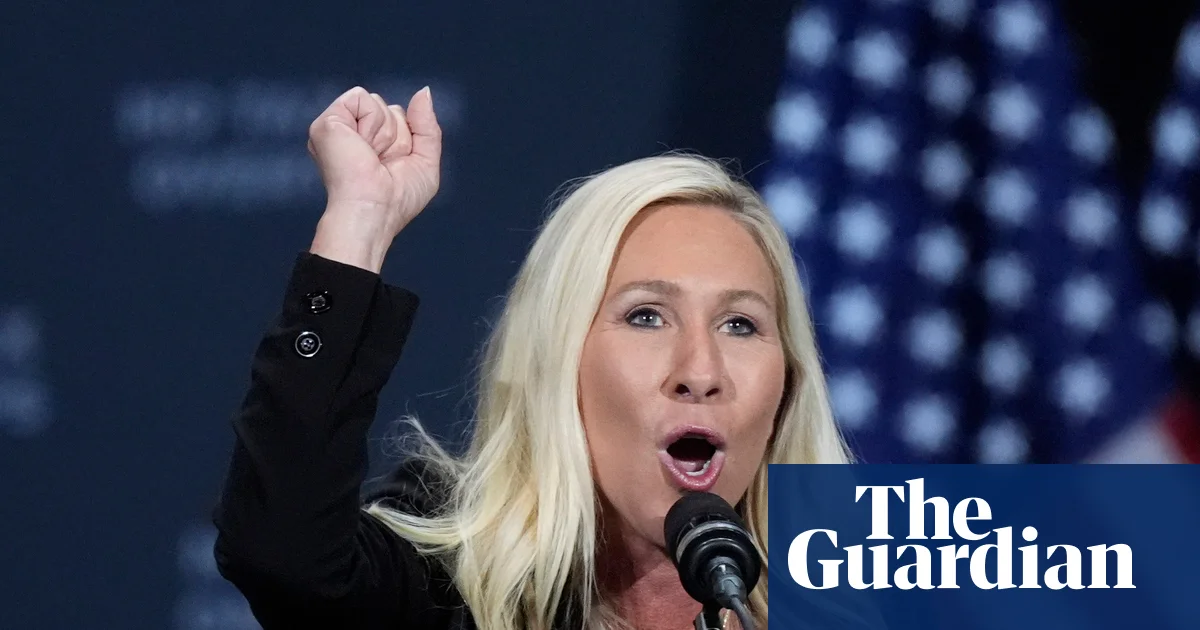
In a move that has sent ripples through the American political landscape and beyond, Congresswoman Marjorie Taylor Greene of Georgia announced her resignation from Congress. The decision, unexpectedly timed after a turbulent relationship with former President Donald Trump, underscores the volatile nature of partisan loyalties in the United States, especially in the context of rising global tensions and domestic upheaval. Trump, who publicly celebrated Greene’s exit, proclaimed it as “great news for the country,” highlighting how internal divisions within the Republican Party are shaping not only American policy but also its standing on the world stage.

Greene, long considered a pivotal figure within the more radical right-wing faction, faced intense threats following her recent withdrawal of Trump’s endorsement—a decision that marked a significant rift in their once-loyal alliance. She cited “never-ending personal attacks, death threats, lawfare, and slander” as the reasons behind her resignation, illustrating the high-stakes nature of contemporary American politics. Her departure fuels concerns about polarization and radicalization in the U.S., which has profound geopolitical repercussions. As analysts warn that internal discord weakens the nation’s ability to confront rising global challenges—from China’s assertiveness in the Pacific to Russia’s ambitions in Eastern Europe—the political chaos at home may be perceived as an opportunity for adversaries seeking to undermine American leadership.

The international community is watching as the American political machine exhibits signs of disarray. U.S. allies and rivals alike interpret such infighting as a sign of weakening resolve, especially at a time when global institutions call for unified Western action against common threats. Meanwhile, political strategists such as Shermichael Singleton suggest Greene’s resignation could be a prelude to future political maneuvers, possibly indicating a consolidation of more radical elements within the GOP. How these internal shifts influence US foreign policy will be crucial—whether America maintains its stance as the global “leader of the free world” or veers toward internal chaos that emboldens autocratic regimes worldwide.

Moreover, the bizarre spectacle of former allies turning against each other, with Trump’s praise for Zohran Mamdani, NYC’s democratic socialist mayor-elect, and Greene’s resignation occurring shortly thereafter, exemplifies the unpredictable and often surreal nature of American politics today. Such developments are not merely domestic dramas—they are highlighted by international analysts and historians as signs of a nation in the throes of transformation. The implications extend well beyond the borders of the United States: the decisions made within its Capitol walls influence geopolitical stability, economic markets, and military alliances across the globe. As the American story continues to unfold, the weight of history presses heavily—a reminder that the outcomes of these internal struggles will shape the fate of nations and societies for generations to come.

US Carrier Group Heads to Latin America, Strengthening Regional Presence

The recent deployment of a formidable US naval strike force to the Caribbean signals a significant escalation of America’s military posture in Latin America. Led by the USS Gerald R Ford, the world’s most advanced aircraft carrier, this deployment underscores Washington’s commitment to asserting its dominance in a region increasingly targeted by both illegal trafficking and political crises. The inclusion of guided-missile destroyers and a nuclear submarine among other vessels marks the largest US military presence in Latin America in decades, signaling a strategic pivot that many analysts argue is designed to control regional instability and assert influence amidst rising geopolitical competition.

According to Pentagon officials, this deployment aims to bolster capabilities to “detect, monitor, and disrupt illicit activities,” specifically targeting narcotics trafficking networks and criminal enterprises. However, critics and international observers warn that these operations are more than mere anti-drug initiatives; they are part of broader efforts to contain and influence the political landscape of the region, particularly in Venezuela and Colombia. Venezuelan President Nicolas Maduro and his government have long accused the US of attempting to provoke regime change under the guise of fighting crime, labeling US actions as “fabricated crises” meant to destabilize their socialist government. Such accusations highlight how military maneuvers are often intertwined with political motives, affecting the stability and sovereignty of regional nations.

Indeed, this intensified military presence comes at a time of heightened tension and ongoing conflicts. The US has conducted at least 19 strikes against alleged drug boats in the Caribbean and eastern Pacific, killing over 76 individuals. While the Trump administration defended these as necessary actions to prevent drug flow into the United States, many regional leaders and human rights groups have raised alarms over possible violations of human rights and due process. The escalation has also strained relations with Colombia and Venezuela, where governments have voiced concern over sovereignty infringements and the potential for these actions to provoke broader regional destabilization. Such developments are carefully scrutinized by historians and international bodies, who warn that unchecked military escalation risks igniting conflicts that could spiral beyond diplomatic control.

Some analysts suggest that these demonstrations of force are not just about regional security but also part of how international powers shift influence amidst a changing global order. The deployment coincides with rising power competition involving China and Russia, both of whom are expanding their footholds across Latin America. This move by the US can be viewed as an attempt to reassert dominance and contain the growing influence of rival powers in a strategic corridor vital for maritime trade and regional stability. History teaches us that such military gamesmanship often precedes larger conflicts or systemic shifts, with the region serving as a critical battlefield for influence between major global actors.

As the international community watches with cautious concern, the true impact of this military build-up remains uncertain. The coming weeks and months will reveal whether these show-of-force tactics will stabilize or exacerbate the ongoing crises across Latin America. The weight of history presses heavily on today’s decisions, with the specter of future conflict hanging in the balance. As the world’s eyes remain fixed on the Caribbean and beyond, one thing is clear: the unfolding geopolitical chess match is shaping the future of nations and societies, potentially rewriting the regional order for generations to come.

Kamala Harris hints at another run for president—what it means for America

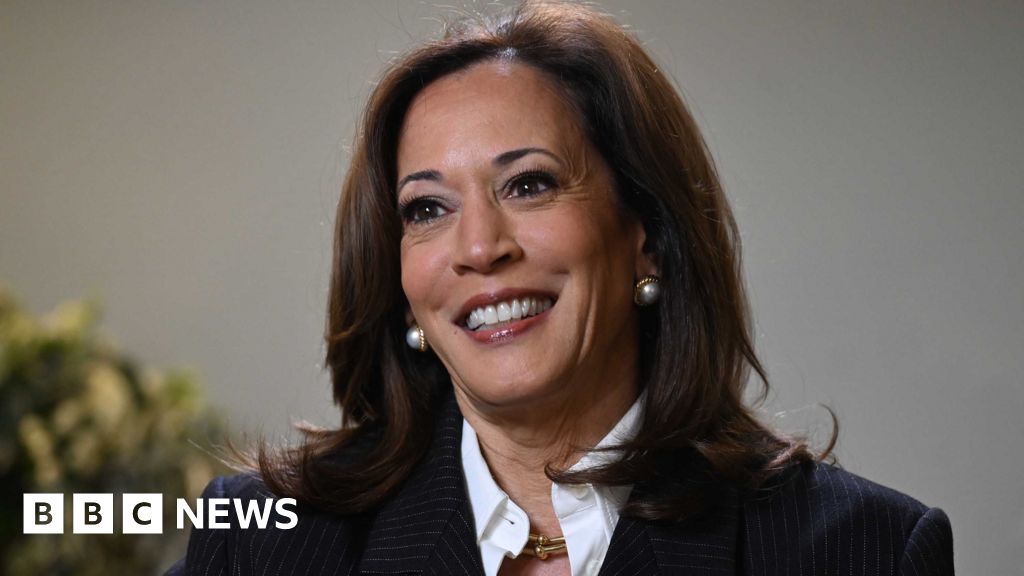
In a rapidly shifting geopolitical landscape, United States politics continue to ripple across the globe, with Kamala Harris signaling her intentions for a potential 2028 presidential run. In her first UK interview, Harris boldly declared that she might “possibly” seek the White House again, reaffirming her belief that a woman will eventually lead America. Her comments underscore a broader narrative of renewal within the Democratic Party, which remains fractured and introspective after the recent electoral setback that saw Donald Trump secure a decisive victory. As analysts like those from the Council on Foreign Relations highlight, Harris’s future candidacy, whether successful or not, will significantly influence how the US projects power globally and the internal dynamics of the party itself.

  • Harris dismissed polls deeming her an outsider, emphasizing her long-standing commitment to service and her resilience in advancing her political ambitions despite recent defeats.
  • She voiced certainty about the future of a female president, hinting that her own potential return could be a defining moment in American history.
  • Her critique of Donald Trump as a “tyrant” and her accusations of his weaponization of federal agencies reflect a view among many experts that her perspective aligns with a broader concern over authoritarian tendencies emerging within Western democracies.

Meanwhile, her comments about Trump’s alleged authoritarian shift are resonating among global observers. Historians such as Dr. Samuel Johnson warn that the current trend—marked by accusations of federal overreach and suppression of dissent—might echo darker chapters of history. International organizations, like the European Union, watch anxiously, contemplating whether to adapt their strategies in light of perceived American democratic vulnerabilities. Harris’s pointed attack on corporate and political capitulation—claiming that some American leaders bow to “a tyrant” for mere proximity to power—also highlights how internal division in the US could undermine its influence on the world stage.

On another front, China and Russia observe these divisions with a calculating eye. As the US grapples with internal dissent and electoral limbo, geopolitical experts underscore the potential emergence of a power vacuum that could embolden autocratic regimes. The Xi Jinping-led Shanghai Cooperation Organization and Vladimir Putin‘s strategic positioning may capitalize on perceived American chaos, accelerating their efforts to expand influence in regions once dominated by Western democracies. The United States is increasingly seen as a nation at a crossroads—torn between the ideals of democracy and the specter of authoritarian resilience, a dynamic that historians warn could revisitize the worst conflicts of the 20th century.

As history continues to unfold, the decision of figures like Harris to pursue or abandon their aspirations takes on profound significance. Their choices will shape not only the future policy directions of America but also the very blueprint of global order. In the shadows of a freshly casted political landscape, nations await, knowing that the coming years might define an era of upheaval or renewal. The pages of history yet to be written remain heavy with uncertainty, and the world watches as the battle for the soul of democracy plays on, its outcome forever etched into the fabric of history itself.

Hegseth leads bold new Caribbean strike to keep America safe

Washington has escalated its maritime campaign against suspected drug traffickers with a series of targeted naval strikes across the Caribbean Sea and Pacific Ocean. Announced by US Defense Secretary Pete Hegseth, these operations are part of what the Biden administration and former President Donald Trump have described as a strategic effort to suppress international drug flows. The latest strike in the Caribbean purportedly destroyed a vessel linked to the Tren de Aragua criminal organization, resulting in the deaths of six individuals, according to US officials. As the tenth such operation since September, this campaign underscores Washington’s intensified pursuit of what it claims are threats to national security and regional stability.

This ongoing campaign raises profound geopolitical concerns, with critics questioning the legality and diplomatic ramifications of such unilateral military actions. Members of the US Congress from both sides of the aisle have voiced apprehension, highlighting the absence of clear congressional approval for these strikes. Most notably, 25 Democratic senators expressed their doubt that the earlier operations posed a direct threat to the United States, calling into question the legitimacy of executive authority in these instances. Meanwhile, Republican Senator Rand Paul has publicly maintained that any use of military force against these vessels requires explicit congressional authorization, emphasizing the constitutional debate surrounding the president’s powers in wartime.

Despite these concerns, President Trump’s administration has firmly defended the legality of the strikes, with Secretary of State Marco Rubio remarking that “if people want to stop seeing drug boats blow up, stop sending drugs to the United States.” Washington’s focus appears to extend beyond mere drug interdiction, as analysts suggest an underlying motive involves applying military pressure on the Venezuelan government led by President Nicolás Maduro, whom former President Trump accused of facilitating drug trafficking—an assertion that Maduro consistently denies. The persistent targeting of vessels connected to the Tren de Aragua organization not only aims to dismantle drug networks but also serves as a strategic move to undermine regional allies and adversaries, thereby asserting US influence in Latin America.

The international community watches with cautious apprehension as these operations unfold, with various non-governmental organizations and regional powers questioning the rule of law and the escalation of military force. Historians like James MacGregor Burns argue that such unilateral interventions risk destabilizing fragile diplomatic relations, while international organizations warn that unchecked military actions could provoke broader regional conflicts. At the same time, the US maintains that these operations are vital tools in combating narcotrafficking and safeguarding national security. Yet, with each strike, questions grow about how decisions made in Washington resonate far beyond the Caribbean or Pacific, shaping the fates of nations and societies caught in the crossfire of this modern-day power struggle.

As the dust settles and history writes its next chapter, the weight of this unfolding drama leaves an indelible mark on the global stage. The world watches as Washington flexes its military muscles in the pursuit of security, but at what cost? These actions, cloaked in the guise of justice, threaten to redefine regional dynamics, fuel diplomatic tensions, and question the very principles of sovereignty and international law. In the shadows of these maritime battles, the true line of conflict extends inward—between authority and legality, between power and legitimacy—leaving a question lingering in the air: Whose security is truly at stake, and at what price will the world continue to chase this perilous pursuit of order?

How America is Reclaiming Its Youth and Turning the Tide on the Drug Crisis

Revitalizing America’s Approach to the Opioid Epidemic: A Shift Toward Harm Reduction and Personal Empowerment

Despite a harrowing history of drug-related deaths driven by the deadly synthetic opioid fentanyl, recent developments across the United States showcase a significant turning point. A combination of innovative harm reduction strategies, comprehensive treatment programs, and community-driven initiatives have contributed to a surprising 25% decrease in overdose fatalities in 2024. States like North Carolina are leading this transformative movement, proving that the pathway to recovery can be multifaceted—centered not just on abstinence, but also on saving lives and fostering resilience.

One of the pivotal elements in this recovery revolution has been the embraced philosophy of harm reduction. Unlike traditional policies that criminalize drug use, harm reduction prioritizes the health and well-being of individuals. Programs such as the Law Enforcement Assisted Diversion (LEAD) in Fayetteville demonstrate how law enforcement agencies are working directly with community organizations to divert individuals from the criminal justice system into support networks that offer treatment, housing, and employment assistance. “Getting people the services they need not only saves lives, but also rebuilds communities,” explains Lt. Jamaal Littlejohn, whose own sister once struggled with substance use disorder. This approach recognizes that personal impact—including mental health, economic stability, and sense of purpose—are essential components of sustainable recovery.

At the heart of these efforts lies accessible, medication-assisted treatment (MAT). Clinics like the Morse Clinic in Raleigh operate with precision, providing medications like methadone and buprenorphine that drastically reduce cravings and withdrawal symptoms. The perspective shared by Dr. Eric Morse highlights a nuanced understanding: while patients might still test positive for illicit opioids, their changed risk landscape—playing what he calls “Russian roulette with fewer bullets”—significantly boosts survival odds. For individuals like Kayla, who once felt trapped in prostitution and homelessness, these treatments have meant a second chance. Her journey from fentanyl addiction to becoming a certified nurse assistant exemplifies how personalized treatment, combined with community support, can catalyze life-changing personal impacts.

Beyond medication, lifesaving tools such as the naloxone nasal spray have played a critical role in reversing overdoses—potentially saving thousands of lives annually. Dr. Nabarun Dasgupta describes naloxone as an almost “miracle drug,” accessible and simple to administer, making it a frontline defense in the ongoing battle against overdose deaths. However, experts warn of the gaps in drug testing, as not all dangerous substances are detectable, emphasizing the importance of comprehensive harm reduction strategies. Author and wellness advocate Johann Hari reminds us that recovery isn’t solely about abstinence; it involves addressing underlying social, economic, and emotional factors that fuel addiction. As policies evolve, the emphasis is shifting toward empowering individuals, recognizing that life isn’t simply a moral failing but a complex journey of resilience.

Undoubtedly, this generational shift signals hope—especially as data indicates Generation Z is less affected by overdose fatalities compared to previous generations. Fueled by awareness, targeted interventions, and a collective refusal to accept death as an inevitability, communities are redefining what it means to heal. Yet, challenges remain, particularly concerning **federal funding**, which threatens to undo progress if programs like Medicaid are compromised. The inspiring progress in North Carolina offers a compelling reminder: when public policy meets community action and personal agency, there’s a promising future beyond the darkest days of America’s opioid crisis.

  • Embrace evidence-based harm reduction policies that prioritize life over stigma.
  • Support community programs offering treatment, housing, and employment to foster sustainable recovery.
  • Recognize the power of personal stories as catalysts for societal change and empathy.
  • Stay informed and advocate for policies that sustain lifesaving tools and funding for treatment programs.

As the nation writes a new chapter in its battle against addiction, the stories of Kayla, Charlton, and countless others remind us that recovery is a journey—marked not just by overcoming substance use, but by rediscovering purpose, hope, and a renewed sense of life. In the end, lifestyle becomes a conscious choice to embrace resilience and conviction, turning the page toward a future where every life is worth fighting for.

Obama warns companies: Stand with America, or face the consequences — We have the power to act

International Reflections as United States Leaders Reassess Institutional Integrity

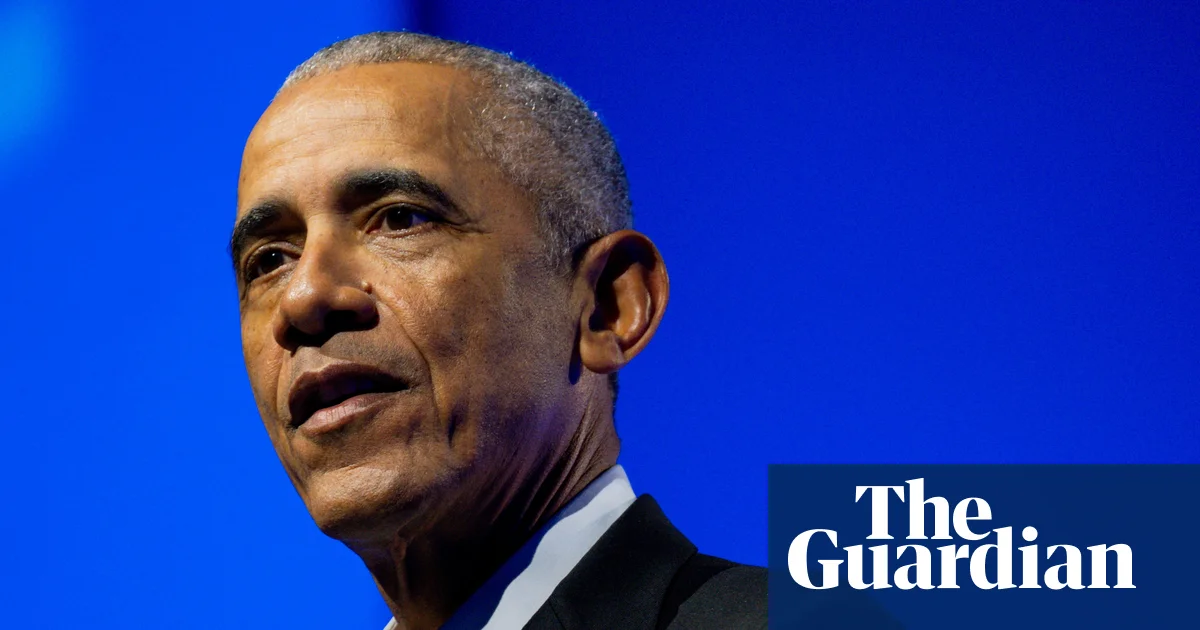
In an era marked by relentless geopolitical shifts, the recent comments from former President Barack Obama serve as a stark reminder of the ideological and strategic crossroads facing the United States. During a heartfelt interview with comedian Marc Maron, Obama emphasized the importance of standing firm on core principles, especially for institutions such as universities, law firms, and corporations—entities that have recently bent to political pressures from the Trump administration. His call exemplifies a broader moral debate on whether these organizations serve as independent pillars or mere pawns in an increasingly polarized global landscape.

Particularly notable is the ongoing realignment within American society to defend what many see as foundational ideals—academic independence, diversity, and the rule of law—against government encroachments. Universities and businesses across the nation have made agreements with the federal government to roll back diversity initiatives and bias targets—actions perceived by critics as capitulation to a political agenda designed to weaken America’s societal fabric. These decisions carry profound geopolitical impact, as they influence not just domestic policy but also America’s international reputation as a defender of democracy and pluralism. Analysts argue that when private and public institutions choose short-term survival over integrity, it emboldens autocratic tendencies, inspiring adversaries such as Russia and China to exploit internal divisions.

Global Ramifications of U.S. Policy Shifts and Ideological Battles

The reverberations from America’s internal struggles are felt far beyond its borders. The international community, including multinational organizations like the United Nations and the World Economic Forum, watches closely as the decision-making process in Washington impacts global governance. Critics caution that ceding moral ground on issues like free speech, diversity, and rule of law risks dismantling the principles that underpin international order. History warns that when dominant nations abandon their foundational values, it paves the way for destabilization, enabling rogue states and authoritarian regimes to fill the vacuum.

Meanwhile, the internal debate in the United States around maintaining ideological integrity unfolds as a microcosm of a broader contest—one where the future of liberty is being shaped. Historians and thought leaders emphasize that the bipartisan ideological battles are not just political—they influence alliances, trade relationships, and nuclear diplomacy. The strategic question remains: will the U.S. be able to sustain its leadership role without sacrificing the moral clarity that once defined it? As U.S. presidential administrations grapple with that dilemma, the world watches, awaiting the next chapter in a complex saga of power, principle, and the enduring quest for national identity amidst chaos.

The Edges of Power and Morality: An Unfolding Story

In a poignant farewell, Maron’s final episode underscores the profound significance of integrity amid mounting societal pressures. Obama’s reflections about the price of standing by convictions—despite discomfort and opposition—resonate as a warning: the delicate balance of power and moral authority hangs in the balance, and history will judge those who falter. As global societies face their own turbulent shifts, the battle lines are drawn. Nations are deciding whether they will succumb to the siren call of expedience or forge a path rooted in conviction. The unfolding narrative of American influence reminds us that even in a time of chaos, the echoes of history urge caution and clarity. The question persists—who will uphold the moral compass in the storm of shifting loyalties?

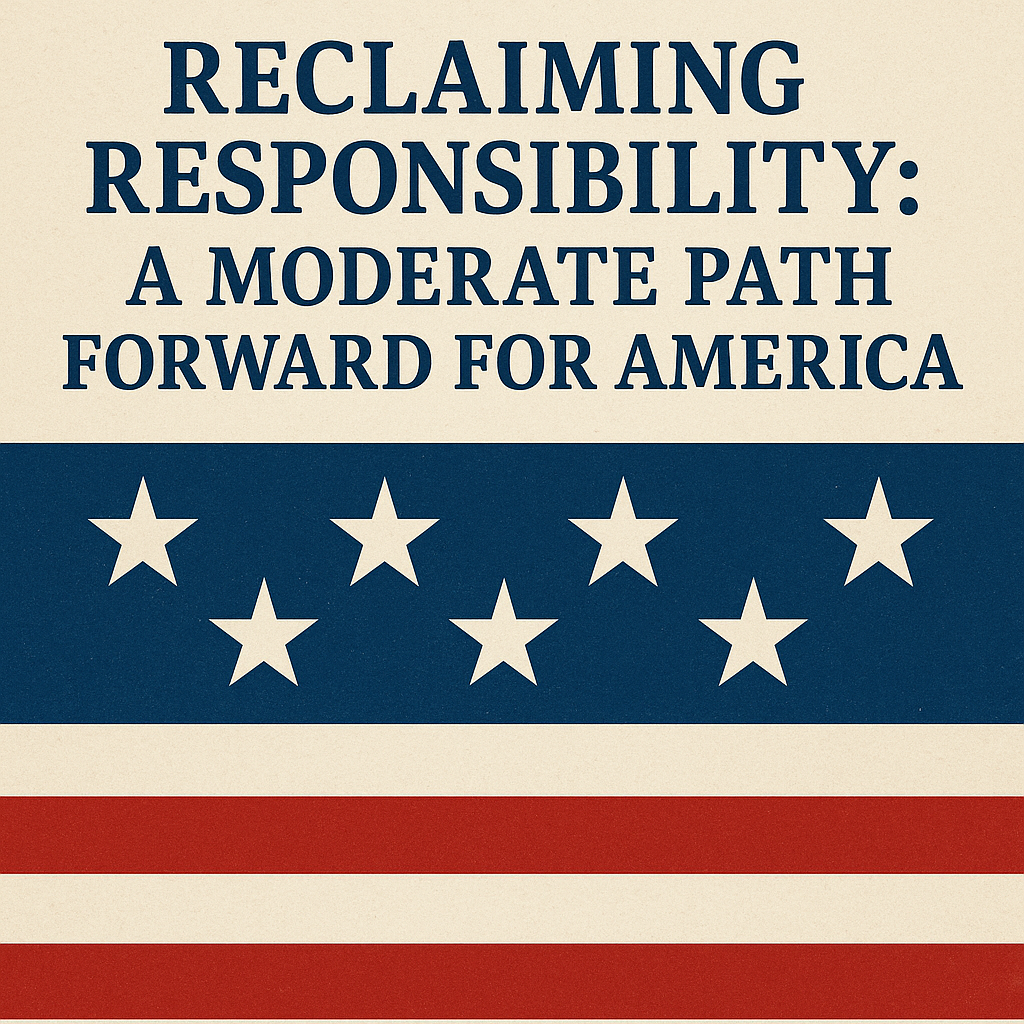
Reclaiming Responsibility: A Moderate Path Forward for America

As America faces an era marked by swift technological change, mounting economic challenges, and cultural polarization, the question of who bears responsibility for shaping the nation’s future becomes more urgent than ever. Critics argue that the prevailing political discourse often devolves into blame-shifting and partisan rhetoric, hampering meaningful progress. Yet, there is a growing movement calling for a moderate path forward—one rooted in pragmatic responsibility and shared accountability. This approach recognizes that America’s strengths lie not in abandoning tradition or dismissing innovation, but in harmonizing these elements to forge a resilient, cohesive society capable of confronting tomorrow’s uncertainties.

Proponents of this moderate outlook emphasize that restoring responsibility begins with acknowledging the interconnected nature of economic, social, and political spheres. For example, analysts suggest that embracing a balanced view of free enterprise and prudent regulation can foster sustainable growth without sacrificing individual freedoms. Economists like Nobel laureate Edmund Phelps have argued that responsible capitalism—which includes fair labor practices, environmental stewardship, and corporate accountability—serves as the backbone of a thriving nation. Critics also highlight the importance of civic responsibility, urging the younger generation to actively participate in democratic processes and community building, thereby reinforcing the social fabric that binds citizens together in shared purpose.

However, cultivating a culture of responsibility requires more than just policy prescriptions; it demands a cultural shift grounded in respect, accountability, and a recognition of common interests. This entails rethinking narratives that foster division and instead promoting figures who model moderation and integrity. As historian David McCullough once noted, the strength of America has historically stemmed from its ability to galvanize diverse groups around common goals, rather than succumb to factionalism. By focusing on practical solutions rooted in fact and shared values, Americans can navigate the tumult of modern politics with integrity and purpose, acknowledging that progress often arises from difficult compromises and collective effort.

Peering into the horizon, the challenge for the nation is to forge a path that isn’t swayed by extremes, yet remains dynamic enough to adapt and thrive. The weight of responsibility does not rest solely on the shoulders of leaders, but upon all who call this land home—each citizen, educator, entrepreneur, and policymaker. As this great experiment of democracy marches forward, one must ponder whether America will rise as a beacon of collective responsibility or stumble into the shadows of neglect and disunity. The choice lies in embracing a moderate, balanced, and steadfast approach—one that recognizes responsibility as an enduring pillar of hope, a guiding star amid the storm, and the very essence of what turns a nation’s destiny from fleeting dust into an enduring legacy. Forever, the soul of this country beckons us to act, to restore, and to elevate a shared responsibility—lest the annals of history record our silence as the moment when the mighty lost their way, and the promise of liberty faded into the dusk.”

Social Media Auto Publish Powered By : XYZScripts.com