Matox News

Truth Over Trends, always!

US pressures Latin America to sever ties with Cuba’s doctor program—Youth voice grows stronger against interference

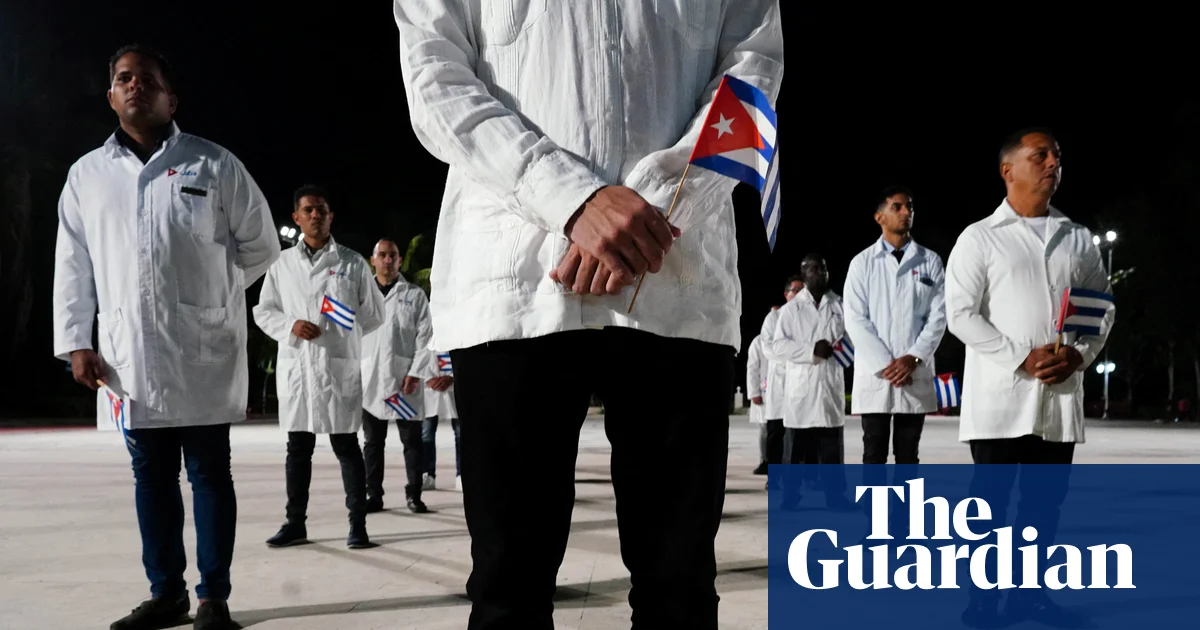
In a world where societal strains are often cast in the context of economic austerity and political power plays, the case of Cuba’s medical diplomacy presents a compelling reflection of how global conflicts extend beyond borders into the very fabric of families and local communities. The Cuban government’s foreign medical missions, a cornerstone of its soft power strategy since the 1960s, have become emblematic of a society balancing *solidarity* with economic necessity. These missions, deploying approximately 24,000 healthcare professionals across 56 countries—including remote and underserved regions—represent a complex interplay between altruism, income generation, and national sovereignty. Yet, recent developments reveal that *social and moral concerns persist beneath the surface, especially as the practice of sending doctors abroad is increasingly scrutinized within the broader context of US foreign policy.*

  • Guatemalan, Honduran, Jamaican, and Guyanese governments have terminated their agreements with Cuba, citing pressures from the United States to sever ties.
  • The US government claims that Cuba’s medical program constitutes forced labor, invoking human rights violations as part of a broader campaign of “maximum pressure.”
  • In 2025, Cuba earned an estimated $7 billion from its medical missions—an essential infusion for a fragile economy strained by a US energy blockade that has deepened social tensions and economic hardship.

The *social consequences* ripple outward, affecting families and communities both within Cuba and in the regions where doctors serve. Many of these regions depend heavily on the presence of Cuban healthcare professionals, especially in isolated villages where access to medical care is a matter of human dignity. The withdrawal of these professionals threatens to exacerbate existing health disparities, creating a new wave of social tension fueled by economic sanctions and diplomatic tools. Social commentators and sociologists like Dr. Anne-Marie Taylor have warned that these actions threaten to undermine community cohesion and social stability, especially in areas where healthcare workers often serve as vital links between government policy and everyday life. Such dynamics cast long shadows over where society’s moral compass should lie—whether in maintaining national sovereignty or prioritizing human needs for accessible health services.

The moral debate intensifies with the allegations of forced labor and human trafficking, as detailed in recent reports by the Inter-American Commission on Human Rights. Cubans deployed abroad often endure restrictions such as passport confiscation and wage withholding, which some experts classify as violations of fundamental human rights. These practices have elicited condemnations from social ethicists, raising questions about the ethical integrity of Cuba’s solidarity initiatives when individual freedom is compromised. As the debate heats up, it becomes clear that these geopolitical struggles are intertwined with the social fabric of families—where fathers, mothers, and children face uncertainty and upheaval. Without secure livelihoods and fair treatment, community bonds are tested, particularly in countries where residents rely heavily on the presence of Cuban doctors for essential health services.

Looking ahead, this scenario underscores the importance of balancing national sovereignty with human rights, as well as the need for societal introspection about the true nature of solidarity. Historians like Howard Zinn have long emphasized that social progress often involves confronting uncomfortable truths about power and exploitation. For Cuban families and the global communities touched by these policies, the challenge remains: fostering a social environment rooted in justice and mutual respect, even when external pressures threaten to fracture societal cohesion. As society navigates these turbulent waters, there remains—beyond the political discourse—an enduring hope that through dialogue, transparency, and moral resolve, communities can emerge stronger and more united in their shared humanity. In such reflection lies the possibility of transformation—of society healing its social fractures and restoring the dignity that all families deserve.

Senate boosts Homeland Security funding to keep America safe

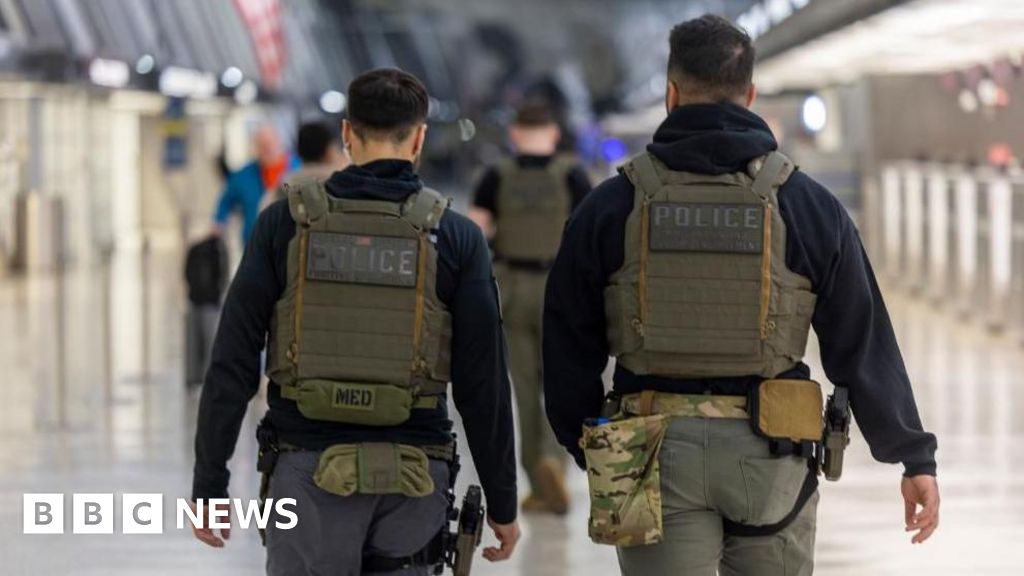
The current political landscape in the United States has taken a decisive turn, highlighting the deep fissures within its governing institutions. As partisan conflicts escalate over fiscal responsibilities, officials reveal that the failure to pass a comprehensive Homeland Security funding bill is rooted in ongoing disagreements between Democrats and Republicans. This unresolved deadlock has significant geopolitical implications, especially as the department tasked with national security faces chronic underfunding and operational uncertainty.

According to recent statements, the Democrats’ steadfast refusal to accept a bipartisan agreement has directly led to the absence of a unified funding package for the Department of Homeland Security (DHS). Instead, Republicans have attempted to circumvent the stalemate by allocating funds in piecemeal fashion, a strategy criticized for lacking coherence and strategic foresight. This approach, experts argue, undermines the department’s ability to effectively address emerging threats, from cyberattacks to domestic terrorism. As the global community watches, the United States’ internal struggles cast a shadow over its credibility and capacity to project stability on the world stage.

Many analysts and international think tanks warn that such internal disarray echoes a broader trend: the erosion of trust in traditional governance structures amid political polarization. The global geopolitical impact is palpable, raising concerns among allies and opponents alike. Historically, American stability has served as a bulwark for international order, but if domestic divisions hinder essential functions like homeland security, the ripple effects could destabilize regional security architectures. Organizations such as the United Nations and NATO have voiced cautious concern, emphasizing the importance of unity and resilient institutions in safeguarding global stability.

Civil society and national security experts emphasize that this crisis underscores a fundamental turning point in American governance. How the political elite navigates this impasse will determine not only the fate of the DHS but also the broader trajectory of U.S. influence worldwide. If the stalemate persists, it risks emboldening adversaries and complicating diplomatic negotiations. Furthermore, historians like Gordon S. Wood warn that prolonged internal divisions threaten to undermine the very fabric of American democratic resilience. As the nation teeters on the edge of institutional oscillation, the weight of history presses heavily upon its shoulders, reminding the world that the future of freedom and security is as fragile as the unity that sustains it.

In this moment of crisis, the global community must observe with cautious vigilance. The question remains whether the United States, a nation built on resilience and innovation, can overcome its internal conflicts and reaffirm its role as a custodian of stability. Or will these partisan struggles become the defining weakness that historical narratives will later mourn? The answer lies ahead, as events unfold with a gravity that leaves none unaffected—investors, allies, and opponents alike watch, knowing that history is unfolding in real time, with every decision shaping the landscape of the 21st century.

US Judge Forces Trump to Restart Voice of America Broadcasts

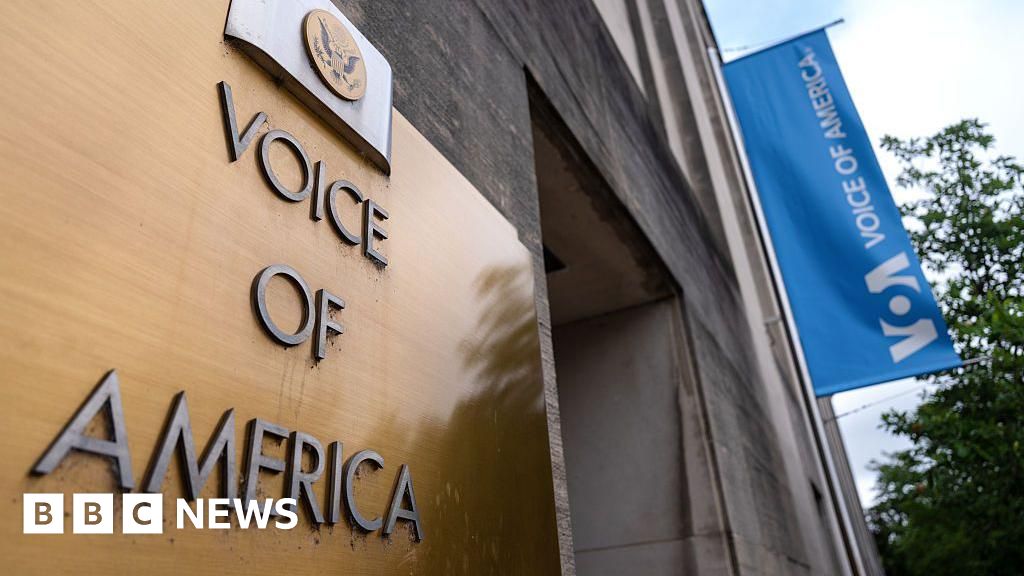
The recent move by President Donald Trump to systematically dismantle major international broadcasters marks a significant shift in the United States’ approach to global information dissemination. Just weeks after reclaiming office, Trump issued an executive order targeting outlets accused of harboring left-wing bias. Among these are prominent entities such as Radio Free Europe and Radio Free Asia, both of which have historically played critical roles in fostering communication and cultural exchange across contested regions. The executive order calls for their “elimination to the maximum extent consistent with applicable law,” a decision that underscores the administration’s broader strategy to reshape the narrative landscape and possibly challenge the international influence of American-led media organizations.

This move has ignited intense debate among analysts and international organizations. Critics argue that such actions threaten the fundamental principles of free speech and foreign policy openness, asserting that they could serve as a pretext for expanding government control over information both at home and abroad. The United Nations and various watchdog groups have voiced concern that these measures may erode the long-standing tradition of America as a beacon of free press, especially in countries where media freedom is already precarious. Meanwhile, historians warn that this shift signals a retreat from the U.S.’s role as a global defender of free expression, potentially emboldening authoritarian regimes seeking to limit independent journalism within their borders.

The geopolitical impact of this decision cannot be overstated. As the U.S. reassesses its international information strategy, regional powers such as Russia and China are likely to interpret these actions as a justification for tightening their own media controls. This could further polarize the global information sphere and deepen divisions among nations with diverging visions of governance and free speech. Such measures may also affect international collaborations, including intelligence-sharing and diplomatic outreach, as trust in American media and voice influence wanes. The move exemplifies how domestic policies—particularly those affecting information sovereignty—are increasingly intertwined with the geopolitical contest over global narratives and influence.

As history watches these unfolding events, the true implications remain fractured and uncertain. The decision to decimate these outlets, reminiscent of Cold War era information battles, risks not only alienating allies but also igniting new conflicts rooted in the control of international discourse. The world stands at a crossroads, where the decisions of America and its leaders will shape the limits of free communication and influence the delicate balance of power for generations to come. In this relentless tug-of-war, the weight of history is heavy—pointing toward an uncertain future where information may become less free, and the echoes of these choices will resonate long after today’s headlines fade into the shadows of the past.

Blood Moon Eclipse Sets the Stage for a Spectacle Over North America, Australia, and New Zealand

On Tuesday night, a rare celestial spectacle known as a “blood moon” will be visible across North America, Australia, and New Zealand. This total lunar eclipse, where the Earth’s shadow turns the full moon into a deep, coppery red, is not just a marvel of nature but also a reminder of the interconnectedness of our world. Astrophysicists highlight the significance of such phenomena in inspiring curiosity and unity among populations. Yet, beneath the cosmic fireworks lies a profound symbol of shifting geopolitical tides and societal transformations. As the moon quietly traverses Earth’s shadow, nations are caught in the flux of global change—whether through diplomacy, economic upheaval, or collective consciousness.

Impact Beyond the Night Sky

Historically, celestial events like the “blood moon” carried ominous portents, fueling superstitions and shaping belief systems. However, today’s interpretation is more scientific, emphasizing our planet’s dynamic nature. According to analysts like Dr. Rebecca Allen and Dr. Brad Tucker, the event signifies not only a spectacular show but also a reflection of our planet’s delicate balance. “Just as a sunset’s hue is fleeting, so too are the moments when humanity must look up and recognize our place within the cosmos,” asserts Dr. Allen. International organizations, such as NASA, utilize these phenomena as a platform to foster global awareness, yet the real impact lies in how nations perceive their roles amid ongoing crises.

Deciphering the Celestial Message in the Geopolitical Realm

The timing of the eclipse coincides with a pivotal period for countries involved in ongoing conflicts and diplomatic shifts. For example, China and Russia continue to challenge Western influence, their actions often viewed through the lens of strategic positioning affected by external pressures. Meanwhile, the U.S. administration faces internal debates over foreign policy priorities, with some analysts warning of a potential return to Cold War-era rivalries. The celestial event serves as a symbolic backdrop for these power struggles, illustrating how human history, like the cosmos, is governed by cycles of darkness and illumination. Historians caution that neglecting to interpret these societal eclipses risks repeating patterns of complacency and conflict, especially as economic stability diminishes in tandem with political tensions.

Looking Ahead: The Next Phase of Global Realignment

The upcoming total lunar eclipse is a transient spectacle, yet it heralds a long-term warning of what may come. The next similar event is projected for 2028, with a partial eclipse occurring in 2026, offering a window for nations to reassess their trajectories. The international community must recognize that the choices made today—be it in climate policy, technological competition, or peace negotiations—are the true eclipses shaping tomorrow’s history. As Dr. Brown noted, ancient empires saw blood moons as omens; today, they serve as warnings. Humanity stands at a crossroads, where celestial signs prompt us to reflect on whether we will emerge from darkness into a new era of cooperation or spiral further into chaos, the echo of history yet unresolved. In this cosmic drama, the universe continues to watch silently, the weight of our destiny undetermined but undeniably vital, as the night sky bears witness to the ongoing narrative of human civilization.

El Paso No-Fly Fail Sparks Broader Drone Security Crisis for America

Broader Implications of Recent U.S. Anti-Drone Innovations Highlighted by El Paso Airspace Incident

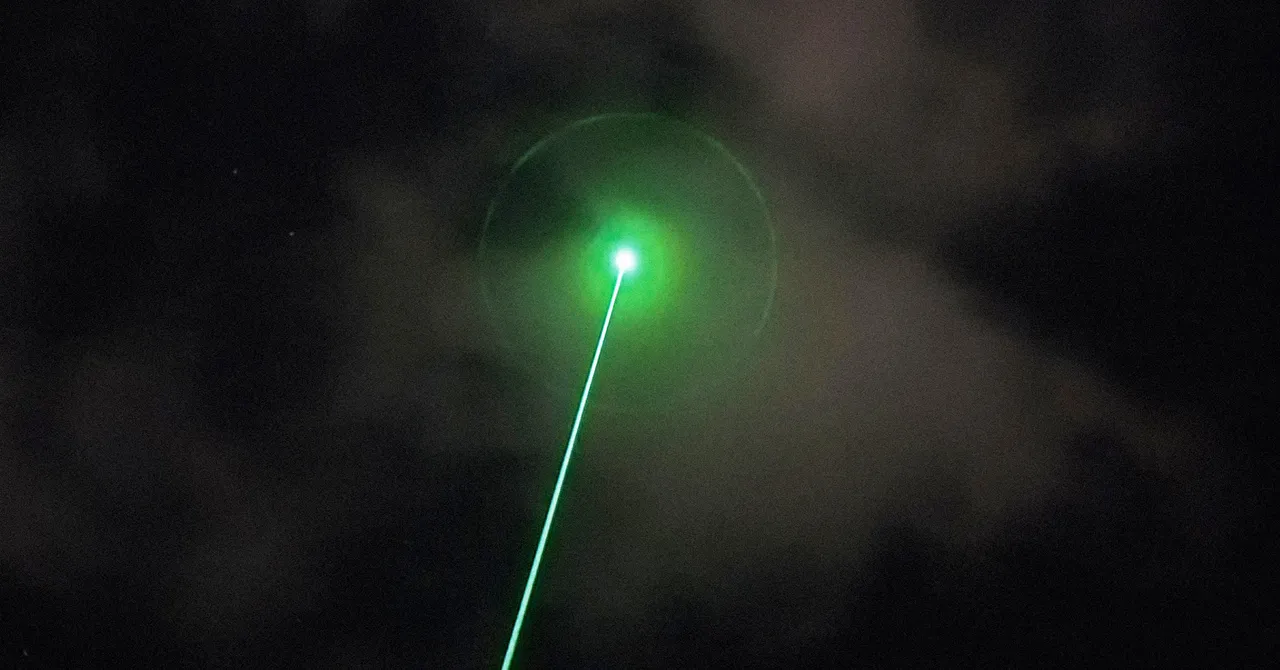
The recent airspace closure over El Paso, Texas, has raised significant questions about the trajectory of U.S. nationally critical drone defense technologies. Although the closure lasted only eight hours, the incident underscores a pivotal shift toward energy-based weaponry as the future of short-range air defense systems. The event, initially attributed to potential incursion by Mexican cartel drones, appears now to involve the deployment of laser counter-drone systems supplied by AeroVironment—a company at the forefront of energy weapon innovations.

According to public reports, the defense system used was the LOCUST anti-drone laser, a 20-kilowatt directed energy weapon designed specifically for small drone neutralization. This marks a significant step in disrupting traditional air defense paradigms—moving away from bulky, costly interceptors toward lightweight, energy-efficient lasers. Industry analysts note that these systems have become particularly relevant given the proliferation of inexpensive and accessible drones. As high-powered microwave and laser defenses ramp up, a new era of energy-based warfare is emerging, potentially reshaping how national security responds to non-traditional aerial threats.

Innovation in Anti-Drone Technologies and Industry Disruption

The deployment of the LOCUST system, along with its subsequent acquisition by BlueHalo (a subsidiary of AV Inc.), signals a broader disruptive wave in defense innovation. The shift toward directed-energy weapons aligns with the U.S. Army’s ongoing experiments, such as the recent energy weapon tests aimed at establishing energy-based multi-mission defense capabilities. Such systems promise higher operational readiness, reduced logistics burdens, and faster response times compared to traditional missile-based systems.

  • Key features include portability, reduced cost per shot, and rapid engagement.
  • Recent developments have seen the delivery of multiple LOCUST units to the U.S. Army as part of the AMP-HEL program.
  • Industry leaders emphasize that energy weapons could soon become integral components of integrated air defense architectures.

Experts like Peter Thiel and institutions such as MIT predict that disruption driven by directed-energy systems will redefine battlefield paradigms, placing energy weapons as the preferred method of drone suppression. This technological leap favors agile, scalable defense solutions that could soon render legacy countermeasures obsolete, fundamentally shifting the market landscape and geopolitical dynamics.

The Future: A Race Toward Dominance in Energy-Driven Defense

What makes this shift urgent is the accelerating proliferation of low-cost drones, which can be deployed swiftly and in large numbers. The increasing affordability and accessibility of such hardware threaten to undermine established airspace security protocols, compelling both government and private sectors to prioritize energy-based defense innovations. As defense giants and emerging startups race to develop more sophisticated laser and microwave systems, the geopolitical stakes are higher than ever.

In this context, innovation and disruption are not merely buzzwords—they are the blueprint for national security and economic strength in the 21st century. The El Paso incident highlights that energy weapons, once relegated to science fiction, are now being operationalized at a rapid pace. The question for industry leaders and policymakers is clear: Who will lead this new arms race, and how will global power balances shift in the face of technological superiority? The future belongs to those who recognize that energy-based defense systems are not just an evolution—they are a revolution, demanding swift strategic adaptation to stay ahead of emerging threats.

Challenge Your Understanding of the Pioneers and Moments That Built America

In the heart of every civilization, culture emerges as both memory and prophecy—an ongoing dialogue between the past and the future. As we observe the American Revolution, a pivotal moment in history, we recognize that its significance extends far beyond mere political upheaval. It embodies a foundational myth, a cultural template that continues to shape identity, tradition, and societal values. The commemoration of figures like George Washington not only honors a historical figure but also affirms a collective sense of purpose rooted in the ideals of liberty, sovereignty, and moral clarity. These ideals, so central to the American experience, serve as a testament to the human yearning for order amid chaos, echoing the philosophical assertions of thinkers like T.S. Eliot, who suggested that history, much like poetry, is a narrative of continuous renewal intertwined with tradition.

Historical parallels remind us that moments of upheaval—whether the American Revolution or the upheavals of the 20th century—are often rooted in a collective desire to forge a new cultural identity. As Alexis de Tocqueville observed, American society demonstrates a unique capacity to balance individualism with a shared civic purpose. This intentional cultivation of a national character—through education, literature, and cultural remembrance—is what sustains societal cohesion. The celebration of revolutionary ideals, expressed through art and historiography, underscores the importance of heritage as both a shield and a compass. It is through these cultural artifacts that a society not only preserves its memory but also envisions its future, ensuring that the spirit of freedom and independence remains a living truth.

In this way, culture becomes a sacred space where tradition and modernity meet. The enduring relevance of works that commemorate the American Revolution—be it biographies of George Washington or presidential monuments—serves as a reminder that values are not static but dynamic forces. They guide societies through tumult, echoing the insights of G.K. Chesterton, who championed the idea that “tradition means giving votes to the past” in shaping moral and social stability. As youth today navigate a shifting cultural landscape, understanding history through the lens of profound narrative helps anchor them in a heritage that is both inherited and continually reborn. Here, the past whispers into the future, urging us to preserve the fruits of our ancestors’ sacrifices while daring to dream of new horizons.

Ultimately, culture is the poetic fabric woven from memory and prophecy—an undying testament to humanity’s quest for meaning. Like Ortega y Gasset envisioned, it embodies the human condition: a persistent struggle to craft purpose out of chaos. As we contemplate the story of the American Revolution, let us remember that it is not merely a chapter in history but a living mural, poised upon the horizon, forever beckoning us to write the next verse. In the symphony of human society, culture remains both our memory—a sacred relic—and our prophecy—the bright promise of what we are yet to become. It is this rhythm, this eternal dance, that keeps the spirit of a nation alive, vibrant, and truly free.

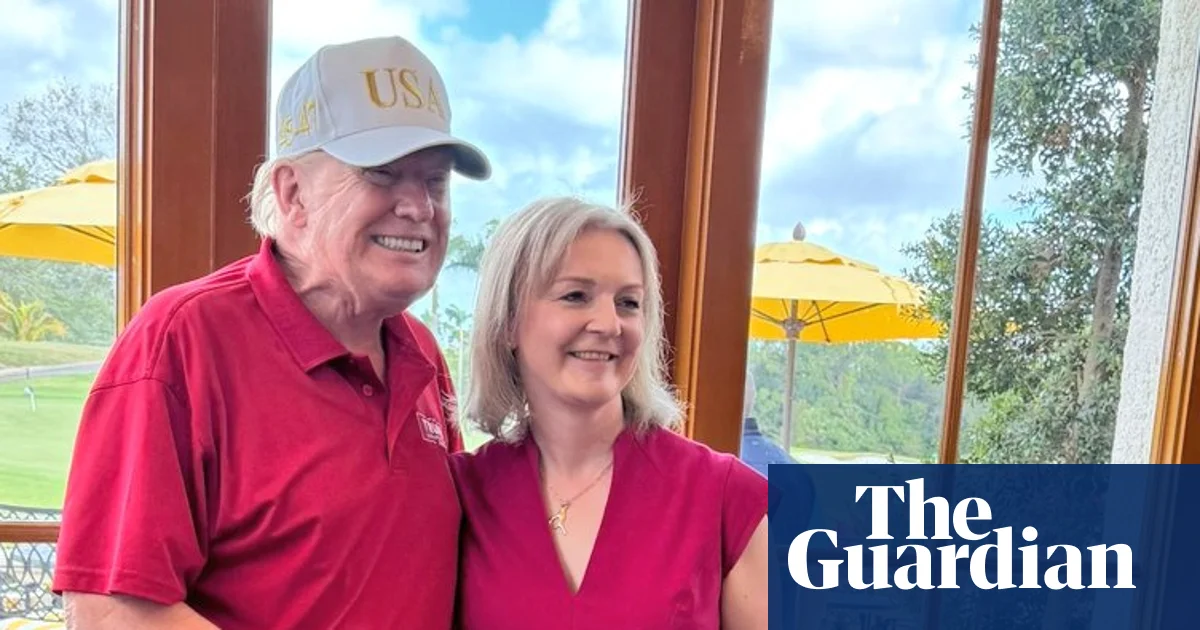
Truss and Trump rally together: Standing strong for Britain and America

In a clear demonstration of shifting geopolitical alliances and the resurgence of populist sentiment, Liz Truss, the brief and embattled former Prime Minister of the United Kingdom, has reemerged onto the global stage not through policy or leadership, but through symbolic gestures that signal her alignment with American right-wing populism. Her recent encounter with Donald Trump at his Mar-a-Lago estate underscores the increasingly blurred lines between domestic political figures and transatlantic ideological blocs. Truss’s decision to publicly pose with Trump, and her accompanying boast about being “Right about everything,” suggest a calculated move to position herself within the ranks of the America-first movement—a clear sign that her ambitions, however marginal in British politics, are now more firmly rooted in transatlantic alliances.

Her presence at the Conservative Political Action Conference (CPAC) in Maryland last year, where she delivered incendiary speeches criticizing Britain as “failing” and praised the burgeoning ties between right-wing populists worldwide, illustrates how the global landscape is increasingly polarized. Analysts such as Dr. Rebecca Sanderson of the International Institute of Politics emphasize that figures like Truss capitalizing on this mood reflect a broader geopolitical shift, where the traditional power dynamics of Western democracies are mediated through populist rhetoric and anti-establishment sentiments. The rise of such figures signals a fundamental redefinition of ideological borders, with countries like the UK and the US acting as symbols of resistance against what many see as the decline of liberal consensus.

Meanwhile, within the UK, Truss’s attempts to re-establish her influence extend beyond politics into entrepreneurship, with her efforts to launch her own club—The Leconfield—underscoring her desire to cultivate new power bases outside formal government structures. Her association with the property tycoon Robert Tchenguiz and her solicitation of founding members for half a million pounds reflect a speculative pursuit of influence, one that many see as emblematic of a broader crisis of legitimacy in contemporary British politics. Her short-lived tenure as Prime Minister, lasting only 49 days, and her subsequent electoral defeat, mark her as a figure on the fringes of mainstream politics, yet her international positioning indicates her desire to stay relevant on a global scale.

The geopolitical impact of these developments cannot be overstated. As Western democracies grapple with internal divisions and a fragile post-pandemic recovery, the influence of populist actors like Truss and Trump accelerates the disintegration of traditional alliances and norms. International organizations such as the European Union and the United Nations observe these shifts warily, recognizing their potential to redraw power structures and foster instability. History warns us that the rise of such populists often coincides with heightened global tensions and the erosion of diplomatic consensus. As the pages of history continue to turn, the world waits to see whether the current alignment of figures like Truss and Trump will forge a new ideological axis—or push the world toward a precipice from which current global order may never return. In this unfolding story, the delicate balance of peace and chaos remains on a knife’s edge, scripted by the audacious ambitions of those who believe they are rewriting the rules of the game.

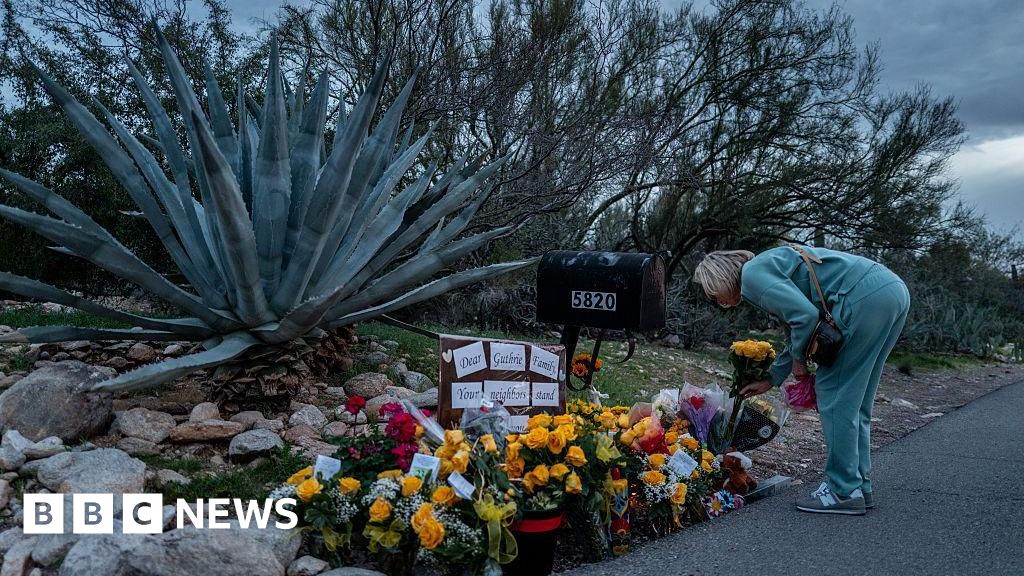
Abduction, Bitcoin Demand, TV Legend: Why Nancy Guthrie’s Case Rocks America

Global Attention Turns to Alleged Abduction as Savannah Guthrie’s Fame Sparks International Concern

In recent days, the world has been captivated not only by entertainment news but by a deeply troubling incident involving the mother of NBC’s prominent journalist, Savannah Guthrie. Her mother’s reported abduction has ignited a wave of international concern, exposing vulnerabilities within global security frameworks and raising alarm about the safety of families connected to influential figures. This event, amplified by Guthrie’s fame, has unexpectedly thrust an isolated criminal act into the spotlight with profound geopolitical ramifications, revealing how personal tragedies can echo far beyond national borders.

The case has become a subject of frantic coverage across international media outlets, with some analysts describing it as “a stark reminder of the vulnerabilities faced by public figures and their families”. While initial reports remain sketchy, sources suggest that the abduction could be linked to escalating geopolitical tensions, with some experts noting that such incidents often serve as tools for intimidation or political messaging. International law enforcement agencies, including INTERPOL, have issued alerts, emphasizing the importance of cross-border cooperation. The incident, seemingly personal, thus takes on a broader geopolitical significance—highlighting the fragile nexus between private security and national stability.

Scholars and analysts tracking the unfolding situation point to the underlying influence of international tensions and the growing use of covert operations by various state and non-state actors. According to a report by the International Crisis Group, such events can often be manipulated for strategic leverage, aiming to unsettle political climates or distract from broader issues like economic instability or military conflicts. The U.S. State Department and other regional security institutions are reportedly engaged behind the scenes, assessing whether this incident is an isolated crime or part of a larger pattern of targeted intimidation aimed at affecting the morale of influential personalities.

Historically, incidents involving prominent families connected to media and political spheres are not unprecedented. Some experts, including noted historian Dr. Elizabeth Hartwell, draw parallels with Cold War-era espionage, where personal vulnerabilities were exploited as means of psychological warfare. Guthrie’s prominence ensures that her family’s plight garners widespread attention, which could serve as a cautionary tale underscoring the importance of international cooperation and stronger security measures. Failure to address these vulnerabilities risks emboldening those who threaten societal stability, illustrating how individual cases can precipitate wider geopolitical shifts and societal upheavals.

As the world watches, the decision-makers face a critical moment. The ability of international institutions to respond effectively, while safeguarding the rights and safety of all citizens, underpins the current crisis’s gravity. The unfolding narrative underscores that, amidst this chaos, we are witnessing a pivotal chapter in the ongoing struggle to preserve national sovereignty and societal resilience. As Savannah Guthrie and her family navigate this harrowing chapter, history looms—a relentless reminder that, in a world increasingly interconnected, the line between personal tragedy and geopolitical turmoil is often disturbingly thin. The future remains uncertain, but the echoes of this event will surely resonate through the corridors of power, shaping policy and security paradigms for years to come.

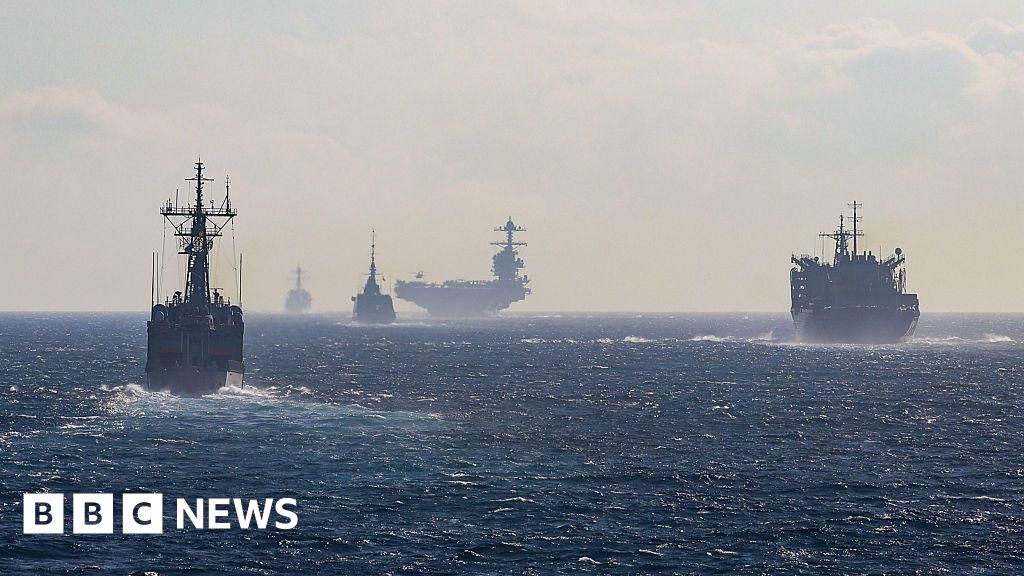
US Navy ships collide off South America — a wake-up call for maritime safety

The unfolding narrative of recent military activity underscores an ongoing shift in international power dynamics, highlighting how U.S. military operations continue to influence regional stability. According to official reports, two individuals involved in the operation sustained minor injuries and remain in stable condition, a detail that underscores the relatively controlled nature of the incident. While the injuries are minor, the implications of this event reverberate far beyond the immediate vicinity, touching upon broader strategic concerns and diplomatic repercussions in an increasingly complex geopolitical arena.

Experts and analysts from various international institutions are closely monitoring how such incidents fit into the larger tapestry of posturing and power projection by global superpowers. Historians like Dr. Julia Schneider, renowned for her work on military conflicts, warn that even seemingly minor engagements can serve as barometers for escalating tensions. The U.S. military has repeatedly emphasized its commitment to operational safety and stability, yet critics contend that such actions risk unintended escalation, especially in volatile regions where alliances are fragile and rivalries are intensifying. Although the injuries were minor, the incident raises questions about the precision and prudence of military interventions in sensitive zones.

The geopolitical impact of this event resonates across nations harboring stakes in regional security. The recently heightened tension underscores the importance of diplomatic channels and multilateral agreements, such as the fragile ceasefire agreements and international treaties designed to prevent open conflict. As international organizations like the United Nations seek to mediate, many analysts suggest that such incidents threaten to undo years of diplomatic progress, exacerbating fears of a broader regional escalation. Historically, similar events have often served as turning points, leading to wider conflicts or renewed arms races, as witnessed during the Cold War era. The delicate balance of power hangs in the balance, with each side reassessing its position and strategy in real time.

Looking ahead, the ramifications of this incident extend into societal contexts, as populations on all sides grapple with the realities of ongoing conflict and military intervention. Governments are under increasing pressure to justify their actions to domestic audiences, framing these operations as necessary for security and national interest. Meanwhile, international observers warn that decisions made today could incite hardened attitudes and escalate military confrontations. This moment in history remains a pivotal point where diplomacy, military prudence, and national interests intersect, shaping the course of the 21st century. As history’s pen continues to write, the weight of unresolved conflicts and potential confrontations looms large on the horizon—reminding us that every small incident carries the seed of a future determined by today’s choices.

Winter storm hits America: millions left in the cold amid outages and chaos

In recent days, The United States has experienced an unprecedented winter storm, characterized by severe snowfalls and dangerously low temperatures that have crippled large swaths of the country. The National Weather Service issued urgent warnings about wind chills plunging below -20°C in numerous urban centers, turning once bustling metropolises into frosty battlegrounds of survival. President Donald Trump responded decisively by declaring a series of federal emergency disaster declarations spanning nearly a dozen states, including South Carolina, Virginia, and Kentucky.

This meteorological crisis is notable not just for its immediate humanitarian toll but also for its broader geopolitical ramifications. As extreme weather events like this winter storm become increasingly frequent and severe, they underscore the pressing need for nations to re-evaluate their preparedness and resilience strategies. Major international organizations, such as the World Meteorological Organization, have repeatedly warned that climate variability poses a formidable threat to security, economies, and societal stability worldwide. While the U.S. swiftly mobilizes internal resources, the incident exemplifies a reality where climate change acts as a force multiplier for geopolitical instability, influencing diplomacy and international relations.

Furthermore, the decision by U.S. authorities to declare emergencies in multiple states highlights a broader pattern of how nations respond to internal crises with implications that extend beyond borders. These measures serve as a reminder for allies and adversaries alike of the importance of resilience in the face of natural disasters—yet they also raise questions about the long-term impact of environmental disruptions. Historically, analysts have pointed out that countries unable to adapt swiftly to climate-induced catastrophes risk becoming more vulnerable to geopolitical shocks. In a world where chaos often begets opportunism, the challenge remains: how do nations secure their sovereignty amid a rapidly changing climate?

The international community, including major powers and emerging nations, is watching with keen interest as the United States navigates this crisis. While the immediate concern lies in rescuing stranded communities and restoring basic services, the larger geopolitical dialogue shifts towards resilience—a debate that intertwines environmental policy, economic stability, and national security. Historical analysts warn that failure to address these environmental threats could result in a new chapter of instability—one where climate change acts as a catalyst for conflict, displacement, and resource wars. As the cold grips the nation, the world must reflect on the lessons etched into the icy face of adversity: the decisions made today set the stage for the future balance of power.

As history watches silently from the pages yet to be written, the cold truth remains: in an era of unpredictable and escalating natural disasters, the line between environmental catastrophe and geopolitical crisis has grown dangerously thin. The icy winds sweeping across the United States serve as a stark reminder—nature’s fury respects no borders, and the decisions taken in one nation ripple across the fabric of international stability. The question remains—not if, but when—and how, will the world unite to confront the unyielding forces of change that threaten to reshape the geopolitical landscape forever.

Social Media Auto Publish Powered By : XYZScripts.com