Matox News

Truth Over Trends, always!

Three Americans killed by ISIS gunman in Syria, U.S. military reports

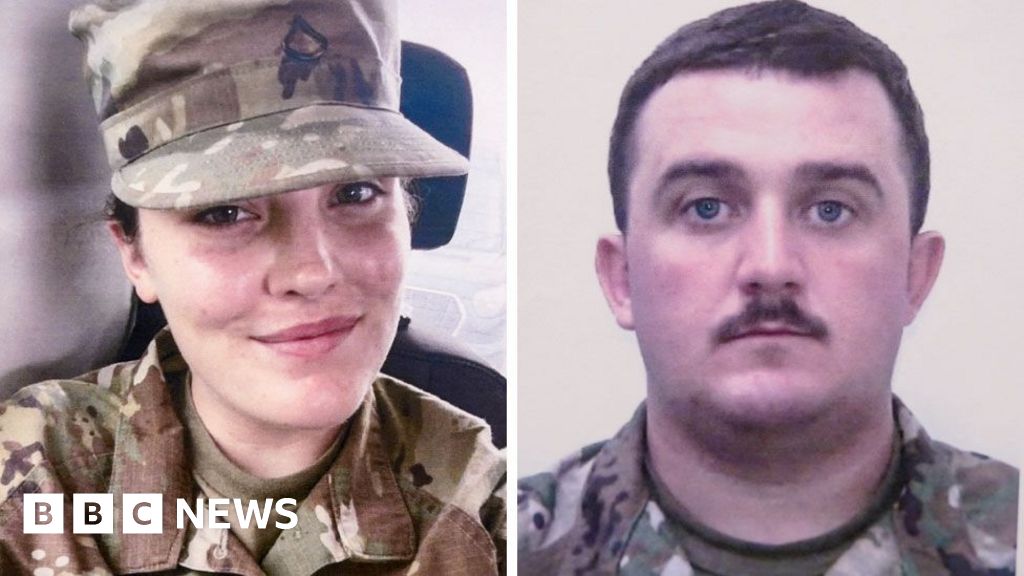
The recent ambush in Palmyra, Syria, resulting in the death of two US soldiers and a civilian interpreter, marks a stark reminder that the geopolitical landscape in the Middle East remains perilous and volatile. According to the US Central Command, the attack was carried out by a gunman allegedly affiliated with Syrian security forces, with some reports indicating the involvement of elements hostile to both the Syrian government and Western interests. The unclaimed responsibility by any militant group, combined with the Syrian Observatory for Human Rights suggesting the attacker may have been part of the Syrian security apparatus, underscores the complex web of alliances and betrayals woven into the region’s ongoing chaos.

This incident comes amid renewed tensions regarding the U.S. military presence in Syria—a contentious issue that continues to shape international perceptions and impact regional stability. An area where the Syrian government admits to having little control, Palmyra has long been a strategic and symbolic frontline. The attack’s timing, during a joint US–Syrian security operation, highlights the fragile peace and the persistent threat posed by remnants of the Islamic State (IS), which, despite losing territorial control in 2019, still manages to carry out insurgent attacks. The ongoing battle against IS is not just about retaking territory; it’s a broader fight for influence, sovereignty, and regional dominance by global and local powers alike.

International reactions emphasize hardline resolve. US Defense Secretary Pete Hegseth issued a warning that echoes through the corridors of power: “if you target Americans—anywhere in the world—you will spend your brief, anxious life knowing the United States will hunt you, find you, and ruthlessly kill you.” This rhetoric signals an escalation in US military posture and commitment to counter-terrorism operations, despite the risk to diplomatic relations. Meanwhile, Syria’s Foreign Minister Asaad al-Shaibani condemned the attack, extending condolences to the victims’ families, as the Assad regime seeks to project stability amidst chaos. The incident risks igniting further clashes in a landscape where alliances are shifting, and the lines between friend and foe blur.

Historically, analysts and international organizations have warned of the consequences of prolonged foreign military intervention. Global institutions like the United Nations estimate that between 5,000 and 7,000 fighters remain active for IS across Syria and Iraq. Despite recent victories, the jihadist threat persists, facilitated by fractured governance and regional rivalries. The recent rapprochement between Syria and the international coalition combating IS, which includes the US, signifies a precarious hope for stability—yet it also necessitates vigilant watchfulness. As the US continues its military presence, seemingly committed to a undefined mission in Syria, the risk remains that innocents, soldiers, and local populations will continue to pay the price of geopolitical chess games that no longer resemble clean victories.

As history unfolds amid the dust and ruins of Palmyra, the global stage stands at a crossroads. The narratives of American strength, Syrian sovereignty, and the fight against extremism intersect in a tragic tableau—one where decisions made today will echo for generations. With each loss, each attack, the world’s balance teeters anew. The question remains: how much longer can this fragile mosaic withstand the relentless tides of conflict, or are we simply witnessing the beginning of an even darker chapter in Middle Eastern history?

Top 12 Must-Have Gifts for Minimalist Americans Who Value Style and Substance | Life & Style

In today’s fast-paced, clutter-conscious society, the search for meaningful and functional gifts that reflect a refined sense of style and practicality has become increasingly prominent. No longer is it enough to give gifts that merely exist as superfluous trinkets. Instead, the focus shifts toward items that elevate everyday life, merging utility with aesthetic appeal—an ethos strongly embraced by minimalist and design-conscious consumers. These are the elevated essentials that speak to a new lifestyle, one where simplicity does not mean sacrifice but instead balanced sophistication. From the sleek craftsmanship of Italian leather catchalls to thoughtfully designed kitchen tools, the curated gift list champions beauty in function and highlights what influences personal well-being in a world chasing intentional living.

Among the rising cultural shifts—embodying the tenets of wellness, mindfulness, and purpose-driven consumption—is the idea that our possessions should enhance our health and leisure without adding chaos. The modern consumer, inspired by experts like Marie Kondo and wellness luminaries like Dave Asprey, seeks items that offer practical benefits while doubling as mood-boosting decor or tools for self-care. For instance, a steel pill case with a magnetic closure, engraved with personalized initials, pairs function with a sense of style—its appeal extends beyond the mere storage of medication, becoming a daily ritual that fosters mind-body harmony. This reflects a broader cultural trend: transforming mundane routines into moments of intentional self-care, fostering a wellness aesthetic that emphasizes quality over quantity, inspiring individuals to embrace a lifestyle centered on health, mindfulness, and design.

Curated Gifts for the Discerning Minimalist

Discovering the perfect gift involves understanding not just the recipient’s taste, but also how that gift can impact personal wellness. The Clare V. large catchall, a luxurious Italian leather piece with snap-button corners, exemplifies this harmony by offering a *sophisticated solution* for everyday clutter—keys, jewelry, receipts—all with a touch of elegance. Another standout is the Counterpart retractable USB-C charger, ingeniously designed to reduce cable clutter while ensuring energy efficiency—a seamless blend of form and function that speaks to modern technological needs. These items exemplify a lifestyle shift: emphasizing quality, craftsmanship, and versatility, encouraging a mindset that values less but better. This movement, championed by authors such as Joshua Becker, underscores that in minimalism, life is enriched through thoughtful curation and elevated essentials, fostering a sense of calm, clarity, and inspiration.

  • Prioritize gifts that serve dual purposes—beauty and utility—such as the sleek weekly pill case, which transforms a health routine into an expression of personal style.
  • Select items with sustainability in mind—durable, high-quality, designed to last—reflecting the shift toward conscious consumption.
  • Consider the aesthetic impact—items like the stack containers or the monthly calendar—which serve as tactile reminders to organize life with purpose and simplicity.

From durable kitchenware like the Finex cast-iron skillet to the resilient Gustbuster umbrella—crafted to withstand Portland’s notorious rain—these gifts transcend mere utility. They embody the contemporary ethos: a lifestyle of resilience, beauty, and personal impact. Selecting such items not only reflects a commitment to quality but also fosters an environment where personal well-being and aesthetic (‘beauty in everyday life‘) align seamlessly, inspiring a renewed appreciation for conscious living.

In the end, the art of meaningful gifting mirrors the broader journey of life itself—an embrace of simplicity without sacrificing style, a recognition that the pursuit of wellness starts with the small, intentional choices we make each day. A gift, thoughtfully chosen, becomes an emblem of that voyage: a reminder to cherish the essentials that shape our personal stories, fueling the spirit of embracing life’s beauty in every ordinary moment. As we curate these elevating touches, we are not merely giving objects but inspiring a lifestyle rooted in purpose, aesthetics, and wellness—a quiet revolution in how we define and embrace our best selves.

Over 600,000 Americans Still in the Dark After Russian Attacks

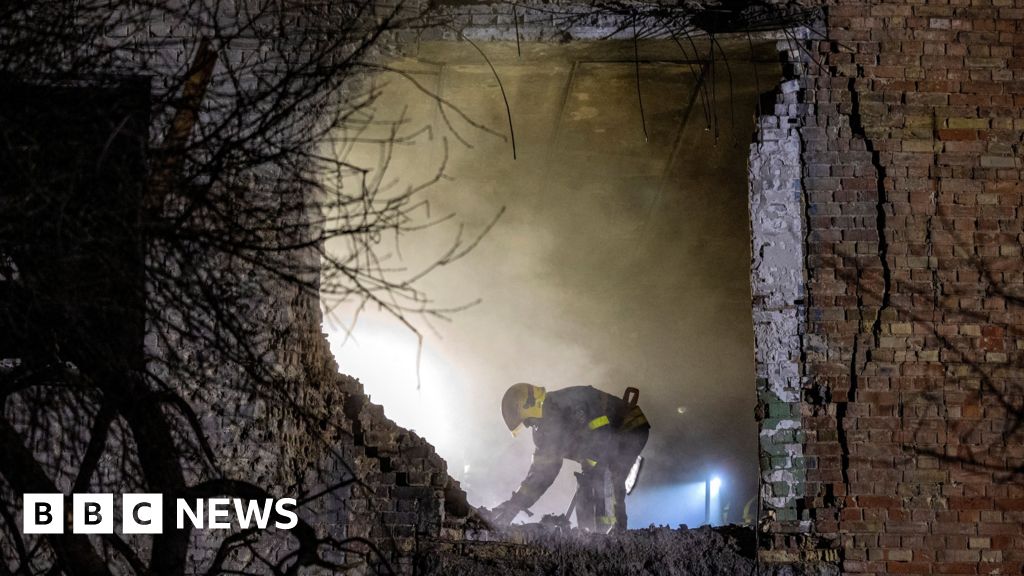
In a stark reminder of the ongoing geopolitical conflict, Ukraine faces darkness and despair following a relentless attack that has left over 600,000 residents in the Kyiv region without power. According to Ukraine’s energy ministry, over 500,000 individuals in the capital are grappling with the loss of electricity in the wake of Russian missile and drone strikes targeting critical energy infrastructure. The strikes, which involved approximately 36 missiles and nearly 600 drones, are part of a broader escalation by Russia aimed at crippling Ukrainian resilience—especially as winter’s cold begins to set in. The outbreak of violence underscores a brutal strategy: weaken Ukraine’s ability to sustain itself, and thus, bend it to Moscow’s geopolitical will.

For Russia, these attacks are presented as a “massive strike” against Ukraine’s military-industrial complex and energy supplies, as per the Russian defense ministry. However, these targeted strikes extend beyond military objectives, hitting residential buildings and causing civilian casualties, including a 13-year-old injured during the latest assault. Ukrainian authorities report 29 injuries in Kyiv alone, with emergency services battling to contain the chaos. Despite Kyiv’s assertion that their air defenses shot down 558 drones and 19 missiles, the scale of destruction vividly illustrates Moscow’s refusal to cease its campaign of terror. The targeting of civilian infrastructure not only devastates communities but also seeks to undermine morale, especially with the harsh winter forecast that will see Kyiv temperatures plummet below freezing, putting vulnerable populations at further risk.

This latest escalation arrives amid clandestine diplomatic talks, with Ukrainian negotiators preparing to meet with U.S. officials this weekend. International diplomatic efforts, including a proposed draft peace plan spearheaded by President Donald Trump, aim to find a resolution—though both sides remain entrenched in their respective war aims. While Kyiv stresses the importance of safeguarding sovereignty and defending its territory, Vladimir Putin has reiterated a hardline stance: Russia will only cease operations if Ukrainian forces withdraw from territories Moscow claims as its own. This rigid stance, combined with Moscow’s control of most of the Donbas, and parts of Zaporizhzhia and Kherson, underscores a dangerous deadlock that risks prolonged suffering.

Many analysts warn that these armed confrontations serve as a microcosm of a larger global contest for influence. Historians suggest that this conflict is not merely a regional dispute but a pivotal moment shaping international norms and power structures. The European Union and the United States have called for a frozen front along existing lines, but with Moscow’s recent escalation, such an outcome seems increasingly elusive. As the world watches, the weight of history presses heavily on the shoulders of leaders, whose decisions could either usher in a fragile peace or deepen the chaos—leading towards a future written by war, resilience, and unresolved tensions that threaten to redefine international order itself.

In the shadow of winter’s bleakness, the true cost of these decisions remains unseen by many but felt profoundly by those suffering in Ukraine. As history’s pages turn, the question remains: will diplomacy prevail, or will the relentless tide of conflict forge an unyielding new chapter in a world teetering on the edge of chaos? The weight of this moment is a stark warning—what is decided today will echo through generations to come, shaping the destiny of nations and societies alike.

What’s Known About the DC National Guard Shooting: The Facts for Young Americans

In a harrowing incident that underscores the ongoing vulnerabilities within U.S. national security and immigration policy, two National Guard members were brutally shot in downtown Washington, D.C. just blocks from the White House. The attack, which took place around 2 pm EST, was immediately characterized by authorities as a targeted ambush, raising questions about the effectiveness of American civil and military oversight during what many are calling a time of national crisis. The suspect, identified as Rahmanullah Lakanwal, an Afghan national, was apprehended after a fierce encounter during his arrest, which left him shot four times. His background, linked to the mysterious and controversial Operation Allies Welcome program, adds a dangerous layer of complexity to the geopolitical consequences unfolding in the aftermath of this heinous act.

Those who follow international security trends recognize that the incident signifies more than a local tragedy; it sets a precipitous turning point in how the United States perceives and manages its border policies and immigration systems. Lakanwal, who arrived in the U.S. in 2021 under a program established during the chaotic withdrawal from Afghanistan, had recently been granted asylum, despite his reported links to the Taliban’s resurgence and the US intelligence community’s previous concerns. This has led to widespread criticism from conservatives and analysts alike, who argue that such policies may unwittingly empower hostile elements that exploit America’s goodwill. Leading security experts warn that the case exemplifies the peril of lax vetting processes, emphasizing the need for urgent reform to prevent future tragedies.

In response, the Trump administration announced a significant policy shift, including the suspension of all Afghan immigration requests and a comprehensive review of green cards issued across 19 countries. This decision underscores a broader international recalibration on migration, security, and sovereignty — themes atop which debate about national identity and global influence are increasingly centered. The attack is swiftly being exploited as a pretext to bolster a more aggressive stance on border security, reflected in the deployment of an additional 500 National Guard troops to Washington. While these reserve forces can provide vital oversight, many analysts argue that it exposes a deeper crisis in trust between the government and its citizens, revealing how internal divisions are intertwined with ongoing international conflicts.

Further complicating the geopolitical landscape, global organizations such as the United Nations and European Union have expressed concern over America’s evolving immigration policies, which threaten to reshape diplomatic frameworks and threaten cooperation on security issues. Meanwhile, some independent scholars suggest that the crisis raises longstanding questions about the efficacy of post-9/11 security measures and the real cost of focusing on external threats while internal vulnerabilities continue unabated. As historians dissect this disturbing episode, the echoes of past upheavals — from the fall of the Berlin Wall to the rise of populist movements — remind us that the actions of today are inexorably linked to the trajectory of tomorrow.

As smoke clears from the streets near the White House, one fact remains certain: history is still being written with each passing day. This attack is not just an isolated event but a stark reflection of a nation at a crossroads, where decisions made now will shape the balance of power and societal stability for decades to come. The weight of this moment will inevitably be measured by how resilient America’s resolve and its leadership’s foresight prove in the days ahead, for the story of this volatile chapter has only just begun, leaving the world to watch in tense anticipation as history unfolds.

Americans endure shutdowns — brace for the next round

Implications of the US Government Shutdown: A Reflection of Political Instability and Its Global Repercussions

In recent weeks, the United States has faced its longest government shutdown in history, a stark reminder of the deep divide within its political landscape. The 43-day closure, which resulted in over 1.4 million federal employees, including military personnel and essential service workers, going without pay, underscores a broader crisis that transcends domestic policy. As families like Beth Johnson’s—an American military spouse—live through extended uncertainty, analysts argue that this ongoing dysfunction highlights a fragile political system increasingly unable to meet its constitutional responsibilities. Historians underscore that such fiscal impasses threaten to erode the very fabric of America’s governance, potentially undermining public trust and social cohesion.

This latest shutdown was driven by fierce partisan battles over budget allocations and social subsidy programs. Particularly contentious was the debate over health-insurance subsidies, which Democrats insisted must be maintained—a key point that contributed to the deadlock. When eight Democrats sided with Republicans to pass a temporary spending plan, it became clear that even within the U.S. political establishment, consensus is slipping away. For the everyday American, especially those who depend on programs like Supplemental Nutrition Assistance Program (SNAP), the stakes are painfully real. The World Bank and the International Monetary Fund (IMF) have warned that such internal tumult diminishes the U.S.’s credibility as an economic leader, larger than merely fiscal turmoil—it’s a signal of weakening resolve in the face of mounting domestic challenges.

Global observers are paying close attention to how these internal crises influence America’s foreign geopolitical standing. During these shutdowns, military and diplomatic operations have faced disruptions, raising concerns about national security and America’s commitment to international alliances. The impact extends beyond borders; allies and adversaries alike watch the U.S. internal chaos, interpreting it as a sign of political fragility that could embolden rivals such as China and Russia. According to strategic analysts, the recurrent internal crises are playing right into the hands of competing powers that are eager to test American resolve—undermining its capacity to lead in critical multilateral fora regarding security, trade, and climate change. This erosion of stability not only hampers U.S. influence but also destabilizes global markets already rattled by mounting geopolitical tensions.

As history unfolds, the shadow of uncertainty looms large over the American republic, serving as a stark reminder that internal discord is a catalytic force shaping the international order. While the recent bipartisan agreement offers a temporary reprieve, the underlying fissures remain—and the looming prospect of yet another shutdown threatens to accelerate societal divisions. With analysts warning that this cycle of fiscal brinkmanship might be a symptom of deeper systemic failure, the world watches intently. The coming weeks will reveal whether the legacy of this political turmoil will be one of resilience or further unraveling, as the pages of history turn and the global stage remains watchful for signs of American weakness.

Four Challenges on the Horizon as House Moves to End the Shutdown — What Young Americans Need to Know

Amidst the chaos of ongoing political tug-of-wars in Washington, the nation’s focus turns to the impending budget battle in the House of Representatives. As the longest government shutdown in U.S. history threads into the past, the current financial debate centers on an issue that touches everyone—healthcare affordability. The primary obstacle remains whether House Republicans will support the renewal of tax credits that help 24 million Americans maintain accessible insurance. While the Senate, under the influence of conservative voices, has taken tentative steps toward extending subsidies, the House leadership, spearheaded by Speaker Mike Johnson, remains cautious, likely hesitant to commit to votes that could risk political fallout. With the clock ticking, all eyes are on whether these vital safety nets will survive the partisan crossfire, or if the US will face another surge in healthcare costs.

This contentious debate about healthcare subsidies exemplifies a broader ideological divide—one between those prioritizing fiscal responsibility and those fighting for social safety. Conservative voices, such as Marjorie Taylor Greene, warn against any move that could cause premiums to skyrocket, emphasizing that healthy, affordable insurance is a cornerstone of American vitality. Meanwhile, Democrats, energized from recent election wins, argue that cutting these tax credits would be a setback for everyday Americans who rely on affordable coverage to stay healthy, especially amid rising healthcare costs. The political stakes are high, as a failure to extend these credits risks not just financial hardship for millions but also tarnishes the credibility of a government purported to serve its citizens’ interests. Citizens are watching, their health directly linked to national political will and leadership.

Beyond healthcare, the debate highlights a deeper cultural shift centered on personal responsibility and self-reliance. As fiscal hawks push for tighter spending controls, including income caps and direct aid to individuals, renaissance thinkers like Jordan Peterson and Ben Shapiro encourage a return to the values of individual empowerment. The narrative is shifting away from dependence on government assistance and toward embracing a lifestyle rooted in personal impact. For the youth, especially, this signifies an awakening—an opportunity to forge a path where wellness hinges on personal choices, resilience, and a pragmatic outlook on government’s role. For many, this isn’t just about fiscal policy; it’s about reclaiming agency and shaping a life where freedom fuels wellbeing and independence.

  • Stay informed about potential travel delays—they’re inevitable as staffing for air traffic controllers faces constraints.
  • Focus on self-care and wellness routines that enhance resilience during uncertain times.
  • Engage with trusted voices advocating personal responsibility and prudent fiscal policy to understand the larger picture.

As political debates continue to unfold, it’s important to remember that life is a journey, where every decision—from voting to personal health choices—shapes our collective future. In a world where government and individual responsibility are intertwined, finding balance is the key. The current moment in American politics underscores a crucial lesson: true wellbeing isn’t solely dependent on policy, but on how each of us chooses to navigate the complexities of modern life with integrity, hope, and purpose. In this moment of flux, perhaps the greatest power lies in our ability to adapt, stay grounded, and embrace the timeless values that foster a resilient and prosperous society.”

Gene Editing Sparks New Cholesterol Breakthrough for Young Americans

Revolutionizing Heart Disease Treatment: CRISPR Breakthrough Paves the Way for Disruptive Gene Editing

In an era marked by relentless technological innovation, a groundbreaking development in gene editing technology is signaling a potential paradigm shift in healthcare. Swiss biotech firm Crispr Therapeutics has showcased promising initial results from a clinical trial utilizing CRISPR-based gene editing to lower high cholesterol levels—an international milestone in the fight against cardiovascular disease. This advancement not only underscores the disruptive potential of CRISPR technology but also highlights its capacity to revolutionize treating common, chronic conditions beyond rare genetic diseases. The results, presented at the American Heart Association’s annual meeting, have ignited a wave of anticipation about the future trajectory of biotech innovation that could redefine preventative medicine.

The trial involved a select group of 15 middle-aged participants with uncontrolled LDL cholesterol and triglyceride levels—key contributors to atherosclerosis and heart attack risk. Using a tailored infusion designed to deactivate the ANGPTL3 gene in the liver—a gene naturally mutated in some individuals to confer heart-protective effects—researchers observed an average 50 percent reduction in damaging blood fats within just two weeks. Significantly, these effects persisted for at least 60 days, indicating a durable therapeutic impact. Such potent results, achieved through a single infusion, exemplify how disruption of traditional treatment models could herald a new era of gene-based interventions that are more effective, less invasive, and potentially curative.

As noted by Samarth Kulkarni, CEO of Crispr Therapeutics, this trial underscores a pivotal turning point in CRISPR’s clinical viability, expanding its scope from rare diseases—such as sickle cell anemia, treated by the firm’s approved drug Casgevy—to widespread, common illnesses. The implications are profound for the biotech industry, which is now witnessing the pioneering of precision medicine approaches capable of tackling the very root causes of disease at a genetic level. This disruptive shift beckons a future where traditional pharmaceuticals give way to customizable, targeted gene therapies, challenging established players and attracting intensified investment from tech giants and biotech innovators eager to stake their claim in this high-stakes domain.

Critics and industry experts recognize, however, that this breakthrough arrives amid a context of cautious optimism. While the initial results display remarkable efficacy, questions remain regarding long-term safety, ethical implications, and regulatory pathways necessary to mainstream CRISPR-based treatments. Nonetheless, leading analysts from Gartner and MIT suggest that the acceleration of gene editing technology could reshape healthcare economics and patient outcomes in the next decade. The potential to diminish cardiovascular disease—arguably the most significant killer globally—could lead to dramatic reductions in healthcare costs and improve productivity by preventing debilitating events like heart attacks and strokes. Yet, this disruptive innovation also demands a vigilant approach to ensure ethical standards and equitable access, considerations that could influence the trajectory of biotech regulation in the coming years.

Looking ahead, industry leaders and investors alike are keenly aware that these initial findings could signal the dawn of a biotech revolution. As fatally high cholesterol persists as a pervasive health threat—estimated to affect about a quarter of Americans—timely and effective gene editing therapies could become the linchpin of preventive medicine. The rapid progress in CRISPR technology, backed by institutional research and high-profile figures like Elon Musk and Peter Thiel, underscores the urgency of staying ahead in this competitive race. With innovation advancing at an unprecedented pace, the coming decade promises a future where gene editing could turn the tide against one of humanity’s deadliest diseases, heralding a new age of health and economic resilience driven by disruptive biotech breakthroughs.

US Elections 2025 Kickoff: Youth Vote at the Forefront as Americans Head to the Polls in Key States

International Eyes on United States as Crucial Elections Reshape Global Power Dynamics

Across the world, political analysts and international observers are keenly tracking the U.S. elections taking place on November 4, 2025. These elections are more than national affairs; they are a testament to the internal strife and shifting allegiances within America, a country whose decisions reverberate through every continent. Close attention is paid to how the results could influence geopolitical stability, alliances, and global economic trends. Leading voices in international diplomacy warn that the outcome may redefine America’s role on the world stage, especially amid mounting tensions with rival superpowers and fragile regional hotspots.

Renowned historians and policy analysts, such as Dr. Amanda Liu of the International Security Council, emphasize that this election could mark a decisive turn toward either renewed American interventionism or a retreat into isolationism—choices that will inevitably shape international relations. As the U.S. grapples with high-stakes local elections in New York City, New Jersey, Virginia, and California, the implications extend far beyond domestic borders. Reports suggest that global powers are already calibrating their diplomatic strategies based on potential shifts in American foreign policy, particularly when it comes to trade, military commitments, and climate change agreements.

  • In California, voters could reshuffle congressional maps, effectively tilting the balance of power, to counteract gerrymandered districts that favor Republicans.
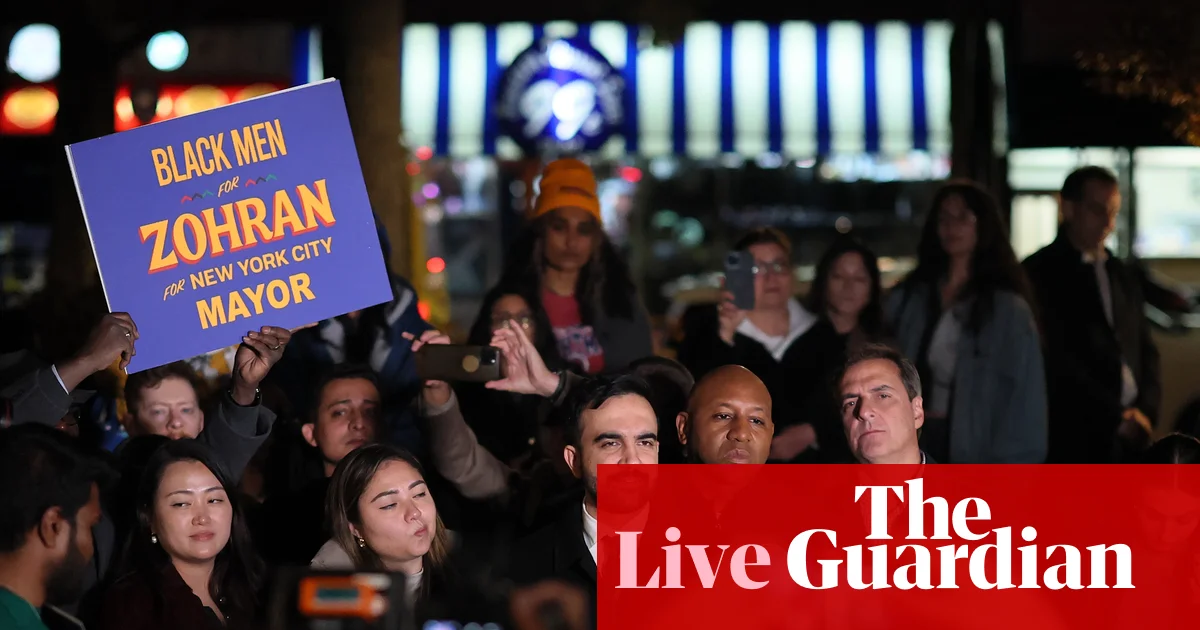
  • The volcanic political contest in New York City sees a democratic socialist, Zohran Mamdani, poised for victory over the ex-governor Andrew Cuomo, a development that could propel left-wing policies onto a broad urban platform with repercussions for national policy debates.
  • High-stakes gubernatorial elections in Virginia and New Jersey are perceived as a barometer for voters’ confidence in President Biden, potentially influencing the trajectory of the current administration’s foreign initiatives.

International organizations, including the United Nations, have issued cautious statements, urging the U.S. to uphold democratic norms regardless of the outcome. Yet, many seasoned analysts warn that the political instability and increased polarization threaten the very fabric of American diplomacy. The geopolitical landscape could face turbulence, especially if the electoral results catalyze an era of heightened partisan contention—an example, critics argue, of how internal divisions undermine America’s credibility and strategic partnerships worldwide.

This unfolding chapter is not lost on Russia, China, and other global rivals who tirelessly monitor American politics for signs of weakness or resurgence. Their diplomats and intelligence agencies interpret every vote as a potential shift in the balance of global power, preparing for recalibrations of their own foreign policies in anticipation of the coming administration. As Russian foreign policy analysts note, “The stability of the U.S. political system remains a cornerstone of world order; any cracks could be exploited by adversaries.”

As history continues to unfold, the outcome of these elections may set in motion a cascade of events—some predictable, others unforeseen. While the world watches with bated breath, the very fabric of global diplomacy awaits a new chapter—where decision-makers in capitals from Brussels to Beijing grapple with the echoes of a nation at a crossroads. Will the tide turn toward renewed American assertiveness or a cautious withdrawal? Only time will tell, but the burden of history presses ever heavier with each ballot cast in the shadow of the future of world order.

Americans gear up as Snap food benefits near crucial expiration date—what’s next for America’s young families?

Food Insecurity: The Unseen Toll of Political Deadlock

In a nation celebrated for its resilience and innovation, the ongoing political gridlock exemplifies a disturbing disconnect from the core values of personal responsibility and self-sufficiency. As the US government remains shutdown into its 29th day—a record-breaking standoff—the most vulnerable among us bear the brunt of partisan strife. Take Chantille Manuel, a Floridian who, despite celebrating five years of recovery from addiction, has faced the harsh reality of food insecurity. Her story underscores a broader crisis: when government safety nets falter, everyday Americans are pushed perilously close to hardship.

Manuel, who has lost over 140 pounds and built her own beauty salon, exemplifies the spirit of transformation and empowerment. Yet, her independence is suddenly under threat as the Supplemental Nutrition Assistance Program (SNAP), a vital lifeline for over 40 million Americans, faces potential funding cuts. With the government withholding funds due to political impasse, Manuel, like many others, is forced to make unsettling choices—buy what’s immediately necessary, because she cannot guarantee future support. Her story echoes the sentiments of wellness experts like Dr. Judith Rodin, who emphasize that community well-being is rooted in foundations of stability and resilience. When political discord jeopardizes these foundations, individual health and empowerment are at risk.

The Broader Impact: Hunger as a Political Weapon

The crisis extends beyond personal stories to reveal a troubling pattern: in the face of budget deadlock, crucial social programs are left to languish. Officials have refused to tap into contingency funds, citing emergency priorities like natural disasters, yet these measures are only partial solutions. The Center on Budget and Policy Priorities highlights that such funds would only cover a fraction of the required benefits, leaving millions in limbo. Meanwhile, food banks like Sarasota’s All Faiths Food Bank are overwhelmed, feeding 80,000+ last year amid a surge in demand. Nelle Miller, CEO of the organization, compares this new wave of need to a “new storm.” Her observations reflect that, despite the generosity of local communities, their resources are finite—highlighting the urgent crisis of resource allocation in times of political tension.

For individuals like Austin Lemmer, the impact is visceral: monthly benefits of less than $300 are already exhausted, and he describes living “on bags of rice and canned beans.” Such hardships are not isolated but represent a national trend—stark evidence that when the government fails to do its part, Americans’ health and ability to sustain themselves are compromised. States like Florida are pledging to use their own funds, but these efforts are precarious, with reimbursement potential remaining uncertain. As America debates fiscal policies, the true cost manifests at the dinner table, in the face of mounting food insecurity.

Choosing Self-Reliance in Challenging Times

Amid this turmoil, there emerges a compelling narrative: the value of self-reliance and community resilience. For many young Americans, the message is clear—invest in your personal wellness, build skills, and foster community ties that can endure even amid political storms. Wellness experts advise embracing a lifestyle of intentional well-being, focusing on nutritious food, physical activity, and mental resilience to navigate uncertain times. The stories of those like Ms. Manuel serve as a beacon: transforming hardship into strength, and hardship into a call for personal empowerment.

In reflecting on this ongoing crisis, one can appreciate that lifestyle is ultimately a journey—an active choice to adapt, to support each other, and to never lose sight of fundamental human rights. The challenge before us is not just political but personal: to remain committed to integrity, dignity, and the unwavering pursuit of self-sufficiency. Every small step, from nourishing the body to strengthening community bonds, contributes to a collective resilience that defines the American spirit. Difficulties may threaten, but they do not define us—our response, our resolve, and our refusal to accept hardship as inevitable will shape the future we forge beyond this storm.

Shutdown halts U.S. citizenship ceremonies, impacting new Americans

In what can only be described as a stark illustration of political paralysis impacting the lives of millions, a recent government shutdown in the United States has temporarily halted vital immigration services, leaving aspiring citizens in limbo. Amidst ongoing internal political deadlock in Washington, over 700,000 federal workers are now on unpaid leave, and the shutdown’s ripple effects threaten to undermine the integrity of America’s immigration system. This scenario underscores the profound geopolitical impact of internal divisions in one of the world’s leading powers, demonstrating how internal policy fractures have tangible consequences on individuals’ destinies and national reputation.

With the deadline for government funding having expired on October 1, lawmakers have been deadlocked in an increasingly bitter confrontation that exposes deep partisan fissures. The inability to reach a consensus has led to the shutdown, affecting core government functions. Notably, the U.S. Citizenship and Immigration Services (USCIS), although typically resilient due to funding through application fees, faced disruptions in services that are critical to those seeking U.S. citizenship and new opportunities on American soil. This disruption manifests not only as inconvenience but as a major setback for countless hopeful immigrants, many of whom have invested years, even decades, of effort in pursuit of the American dream. The shutdown accentuates a broader narrative of Washington’s failing governance, where ideological disputes threaten the fabric of social mobility and national integration.

Internationally, analysts and historians have pointed to this shutdown as a symptom of a shifting global order—one where internal discord in superpowers like the U.S. might dampen their ability to lead on the world stage. Countries in Asia, Europe, and elsewhere watch nervously as recent US policies reveal a nation grappling with its internal divisions. As political scientists warn, such internal crises could weaken U.S. soft power, embolden rivals, and fuel regional instability. Moreover, the decision to delay or cancel naturalization ceremonies—though seemingly administrative—carries symbolic weight, signaling to both allies and adversaries that America’s own governance is under strain. In a world of rising powers, where China and Russia challenge the rules of the international order, the internal disarray within the U.S. diminishes its moral authority and strategic influence.

Despite promises from officials that services will resume once a budget agreement is reached, the uncertainty continues. As the ongoing stalemate prolongs, critics argue that this exposes a fragile democracy in distress, where partisan conflicts threaten to erode institutional trust and undermine societal stability. Many experts, including prominent historians and policy analysts, warn that such internal discord could have long-lasting effects—shaping the future narrative of a nation still struggling to reconcile its ideals with political realities. Meanwhile, those caught in the crossfire remain anxious, faced with an uncertain horizon where their hopes for a new life hinge on the fragile pause of a government unable to function.

As the world watches, a profound question lingers: will this internal crisis serve as a turning point—a moment of reckoning for a nation that once projected strength and resolve—or will it mark the beginning of a period of enduring decline? History continues to unfold in the shadows of political impasse, echoing with the weight of American promises and the promise of global futures yet to be written.

Social Media Auto Publish Powered By : XYZScripts.com