Matox News

Truth Over Trends, always!

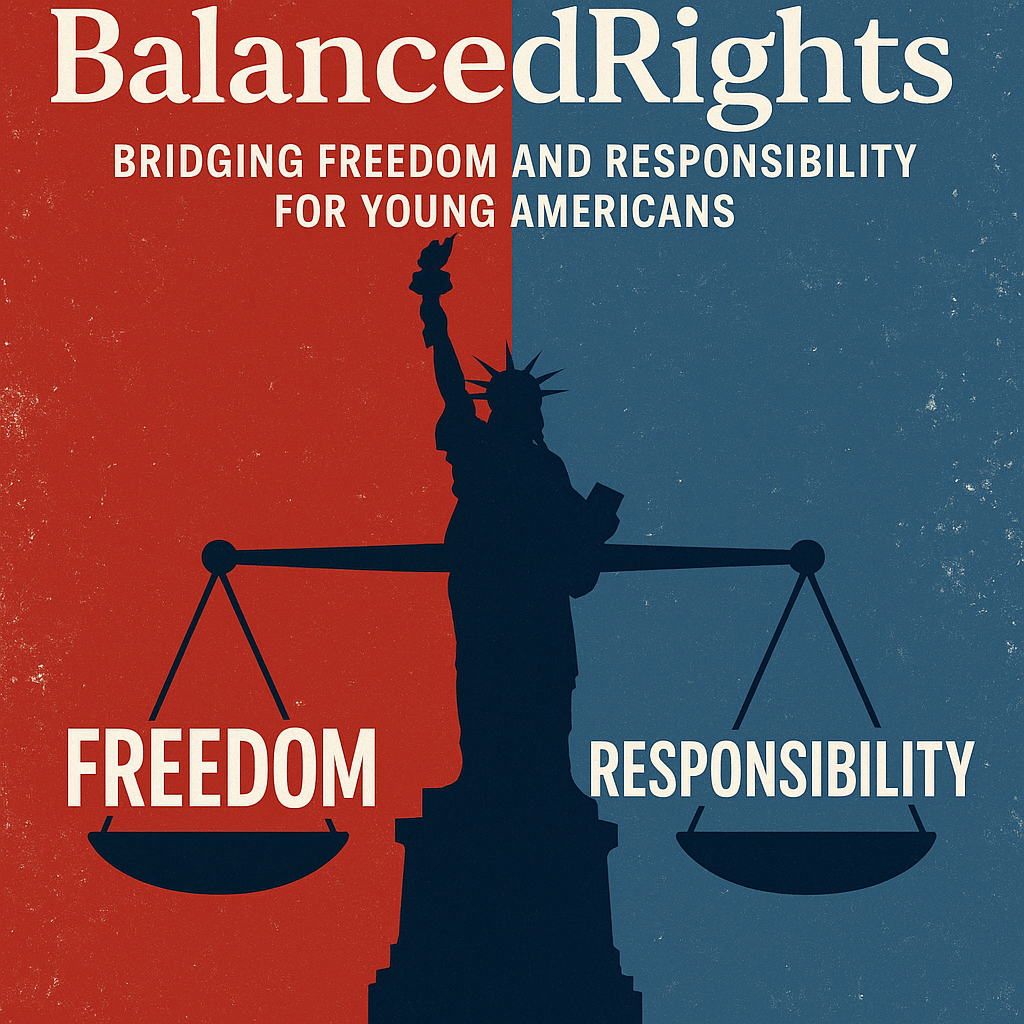
BalancedRights: Bridging Freedom and Responsibility for Young Americans

In an era marked by rapid social change and an unprecedented influx of information, the concept of balanced rights emerges as a vital framework for guiding young Americans toward responsible participation in a free society. The delicate dance between freedom and responsibility is not a new debate, but its significance is magnified today as digital media accelerates the reach and impact of individual actions. The foundational idea is simple: rights should empower, but not encroach upon the rights of others. As American thinker James Madison once emphasized, the preservation of liberty requires the vigilant restraint and self-discipline of those who wield power—academic, social, or political.

Promoting balanced rights among youth entails fostering a culture where personal freedoms are accompanied by civic duty and ethical conduct. Critics argue that unchecked expression, especially online, can lead to harmful polarization and misinformation—issues that undermine the social fabric. As analyst Niall Ferguson suggests, “The social contract in modern democracies demands not just the right to speak, but also the responsibility to listen and engage constructively.” Such a perspective underscores the importance of cultivating empathy and critical thinking skills in young Americans, who are often the most vulnerable to misinformation and echo chambers. Educational initiatives emphasizing media literacy and civic education can serve as pillars in this effort, empowering students to exercise their rights thoughtfully.

Yet, balancing rights and responsibilities also involves understanding the economic and cultural contexts that shape American youth. Economists like Thomas Sowell point out that economic opportunities and personal responsibility are two sides of the same coin—without a sense of agency and accountability, rights become hollow. Society must provide pathways for young people to realize their potential while holding them accountable for their actions. This includes sensible policies on free speech, digital responsibility, and community engagement, which help nurture a generation that values both individual liberty and societal cohesion. In doing so, we lay a foundation for a resilient democracy that values mature discourse over transient outrage.

As society advances into an uncertain future, the challenge remains—how do we craft a narrative that respects the primacy of individual rights without compromising the moral fabric of responsibility? The answer may lie in instilling a shared sense of purpose—a collective recognition that freedom is an active steward, not a passive right. The young Americans of today stand at a crossroads; their choices will echo through the corridors of history, shaping a nation where balanced rights serve as the bridge between liberty’s promise and responsibility’s duty. As the sun sets beyond the horizon, casting long shadows over the uncertain path ahead, it is the weight of this balance—neither too heavy nor too light—that will determine whether the torch of freedom is passed on with wisdom, or extinguished by neglect. For in the end, the future belongs not just to those who claim rights, but to those who carry the burden of responsibility with unwavering resolve, carving a legacy of resilience and virtue amid an ever-shifting world.

Multiple shootings target Mormon church in Michigan and bar in North Carolina — rising crime concerns alarm Americans

In a weekend marked by violence from the United States, a renewed focus has been cast upon the nation’s internal stability and the far-reaching geopolitical implications of its ongoing crisis of law and order. Multiple incidents, spanning from a heinous shooting at a Mormon church in Michigan to a series of gun-related tragedies across states, have resulted in widespread fatalities and injuries. The crisis of violence exemplifies the deep-rooted societal challenges that threaten to undermine America’s global standing, especially as the nation grapples with internal discord and calls for reform.

Among the most harrowing events was the targeted attack during a waterfront gathering in North Carolina, where a suspect piloted a boat to attack civilians with premeditation. Authorities identified Nigel Edge, of nearby Oak Island, as the perpetrator, who now faces a cascade of charges including multiple murders and attempted murders. The incident, described by police as “highly premeditated,” underscores a disturbing trend of organized violence that erodes public trust. Such acts of terror are increasingly viewed both as symptomatic of domestic instability and as potential catalysts for international concern, prompting analysis from security experts and international agencies.

Meanwhile, in Texas, a separate shooting at the Kickapoo Lucky Eagle casino resulted in the deaths of two individuals and injuries to several others. Law enforcement has yet to determine a motive, leaving the nation’s porous gun laws and escalating violence under scrutiny. The complications are compounded by ongoing debates in Congress where political deadlock hampers substantive reforms. Many international bodies, including the United Nations, have issued warnings that continued internal unrest could embolden adversaries and weaken America’s diplomatic clout. These events serve as a stark reminder of how internal weaknesses ripple outward, presenting vulnerabilities that rival states might exploit in pursuit of strategic gains.

The global community watches closely as the United States confronts its internal crisis—an example of how fragile stability can be in an era of widespread societal division. Critics point to the failure of legislative bodies to implement meaningful gun control, arguing that this not only compromises domestic safety but also tarnishes America’s image as a beacon of liberty and rule of law. As historian Dr. Patricia Mullen notes, “The inability of Congress to address structural issues reflects a broader decline in political cohesion, with consequences extending well beyond its borders.” The United States’ internal discord now threatens to reshape international alliances and influence global markets, especially as nations seek to position themselves around the emerging vulnerabilities of their superpower neighbor.

The unfolding of this violence-ridden weekend hints at a future where internal instability could serve as a turning point in global geopolitics, demanding vigilance and decisive action from leaders worldwide. The question remains: how much longer can a nation of such profound internal fractures project strength abroad before history’s weight finally compromises its global influence?

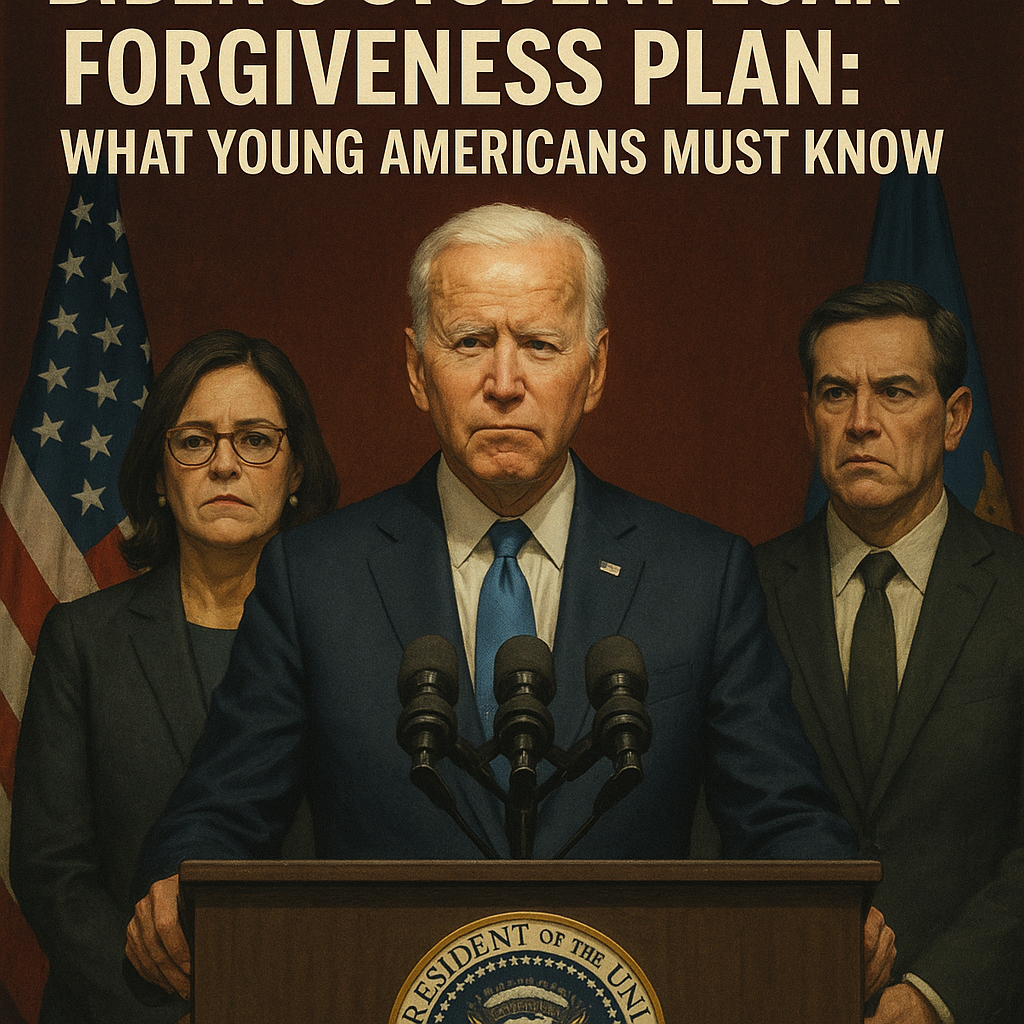
Biden’s Student Loan Forgiveness Plan: What Young Americans Must Know

The recent suspension of President Joe Biden’s ambitious federal student loan forgiveness program underscores a pivotal moment in the ongoing power struggles within American politics. Announced as a bold move to provide up to $20,000 of debt relief for millions, this policy was intended to serve as a cornerstone of Biden’s broader economic and social agenda. Yet, its current indefinite hold, amidst mounting legal challenges, reveals how deeply entrenched conflicts over authority and visions for national policy continue to shape the lives of ordinary Americans. With progressive allies championing debt relief as a matter of fairness, conservative opponents see it as an overreach of executive power—highlighting the fundamental clash of constitutional interpretations.

The legal roadblock emerges from a broader power struggle between the executive branch and the judiciary. While the Biden administration asserts that the federal government has the authority to modify student debt policies under existing statutes, opponents argue that this action exceeds the constitutional limits of executive power, demanding congressional approval instead. This dynamic recalls historical moments where executive orders or policies have become lightning rods for constitutional debates. Legal experts and constitutional scholars point to the importance of checks and balances—with some arguing that the courts are asserting their role as guardians against potential overreach by the administration. Conversely, supporters interpret the move as an essential step toward addressing economic inequality, emphasizing that the executive branch must sometimes act decisively amidst legislative gridlock.

The impact of this debate extends beyond legal circles, as it directly influences the political landscape and the fabric of American society. For proponents, the forgiveness program symbolizes ashift in government responsibility—one where the state is seen as a remedy for economic hardship, fostering a new social contract. For detractors, it signals a disruption of fiscal discipline and fairness, claiming that such policies unfairly favor certain demographics and threaten long-term economic stability. This controversy highlights a crucial question: who truly holds the power to redefine the social contract in an age of mounting debt? As the courts deliberate, the decision will inevitably underscore which branch has the authority to decide the fate of millions struggling under the weight of student loans—an emblematic struggle for the soul of American governance.

In this high-stakes theatre, political actors are engaging in a battle for influence—a contest that will determine the contours of policy, the limits of executive agency, and the future of economic justice. Just as historical figures like Alexander Hamilton argued for a strong federal government, and Thomas Jefferson emphasized states’ rights, the current debate echoes the foundational questions of American democracy: whose interests does government serve, and who ultimately wields sovereign authority? As each side stakes its claim, citizens are left to ponder whether political power is truly a force for reform or merely a stage for conflict—a battle where the outcome writes the next chapter of American destiny. The conclusion of this constitutional clash may well determine whether the nation advances towards a future of shared prosperity or slides further into disillusionment and division.

Social Media Auto Publish Powered By : XYZScripts.com