Matox News

Truth Over Trends, always!

Lenovo’s Bold New Gear: Laptop with Built-In Portable Screen Sparks Buzz Among Young Tech Fans

Lenovo Unveils Innovative Yoga Book Pro 3D Concept: A Game-Changer in Creative Technology

In a bold move that exemplifies the ongoing drive toward immersive and tactile digital experiences, Lenovo has introduced the Yoga Book Pro 3D Concept—a revolutionary device aimed squarely at creative professionals and developers. Powered by the formidable Intel Core Ultra 7 processor and equipped with Nvidia’s GeForce RTX 5070, this concept reimagines the boundaries between digital and physical, blending cutting-edge hardware with innovative software to facilitate a new era of 3D asset creation. While still in the prototype stage, its disruptive potential signals a significant pivot in the industry, especially as it aims to serve creators rather than traditional gamers or consumers.

Disruptive Hardware and User Interface Innovations

The Yoga Book Pro 3D departs sharply from conventional portable devices. It features dual 16-inch OLED displays called Lenovo PureSight Pro Tandem, which connect to form a seamless, flexible workspace—effectively replacing the traditional keyboard with a touch-enabled, customizable surface. This approach not only enhances workspace ergonomics but also pushes forward the concept of a truly mobile creative workstation. The device employs Lenovo’s proprietary AI software to support 2D to 3D conversion on demand, allowing users to manipulate digital assets effortlessly. The integration of a built-in RGB camera enables gesture-based control, allowing users to interact with 3D objects through natural hand movements, eliminating the need for a mouse or stylus—an innovation that could redefine creative workflows.

Perhaps the most groundbreaking feature is the set of magnetic snap-on pads that users can attach to the lower touchscreen. These physical accessories serve as tangible triggers for digital shortcuts, such as opening a color palette or adjusting lighting in real-time, providing a hybrid tactile-digital interface. This fusion of physical and digital interfaces aligns with the evolving expectations of a new wave of digital creators seeking immersive, intuitive tools. By bringing tactile feedback into the fold, Lenovo’s design hints at a future where user interfaces become more responsive and naturally integrated into creative processes.

Business Implications and Industry Disruption

This conceptual device signals a potential industry shift—particularly in how creative tools are designed and commercialized. If Lenovo moves beyond concept into mass production, it will introduce a fresh competitive dynamic within tech giants such as Apple, Microsoft, and Samsung, who have pursued similar 3D and AR/VR innovations. The integration of high-performance hardware with novel form factors can disrupt established workflows and challenge traditional notions of portability and interface design.

  • Market potential: A niche yet expanding segment of digital artists, designers, and AR/VR developers eager for more tactile, portable solutions.
  • Innovation driver: Accelerating the adoption of hybrid hardware/software interfaces to make 3D content creation more intuitive.
  • Industry impact: Potentially catalyzing new hardware ecosystems centered around physical-digital interaction modes—setting a standard for next-gen professional devices.

As Elon Musk and Peter Thiel have warned about the importance of disruption and technological frontier-pushing, Lenovo’s Yoga Book Pro 3D serves as a compelling glimpse into the future of tech. If this device or its derivatives become widely available, it could accelerate the shift toward more immersive, user-centered design paradigms—a transformation that promises to reshape not only creative industries but the broader landscape of human-computer interaction. For forward-looking investors, developers, and innovators, understanding and engaging with these breakthroughs now will be crucial to maintaining a competitive edge in the rapidly evolving tech frontier.
AI videos amplify Russia’s online disinformation efforts among youth

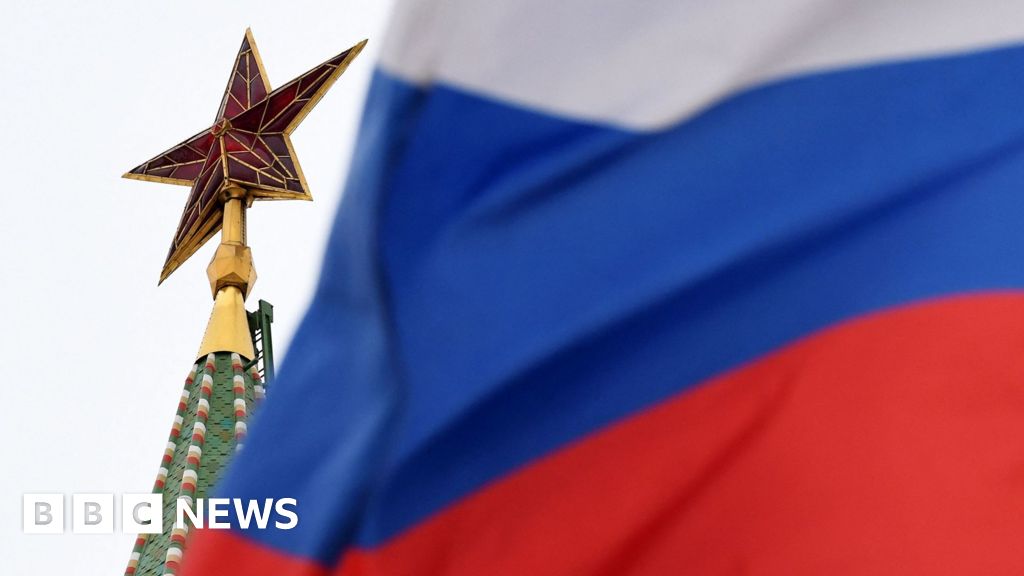
In an era marked by rapid technological advancements, security experts are sounding the alarm on a significant vulnerability: Western governments are increasingly ill-prepared to confront the expanding battlefield of online disinformation. As the digital realm becomes more integral to societal cohesion and political stability, this inability to effectively counter malicious information campaigns represents a foundational threat to democracy and national security. Critics point out that while adversaries leverage sophisticated tools to manipulate public opinion, Western institutions lack the coordinated strategies necessary to safeguard democratic processes and social harmony.

Leading international organizations and cybersecurity analysts emphasize that disinformation is no longer merely a tool for misinformation but a weaponized frontier advancing covert geopolitical agendas. Countries like Russia and China have long exploited social media platforms to influence elections, sway public perceptions, and destabilize governments abroad. Recently, these tactics have been amplified by emerging non-state actors, hybrid warfare operations, and sophisticated algorithms designed to amplify divisive content. Historians like Dr. Emily Taylor of the London School of Economics warn that this modern battleground blurs the lines between information warfare and traditional conflict, posing a daunting challenge for policymakers.

In response, some nations are starting to implement legislation and technological measures aimed at curbing disinformation, but these efforts are often hampered by international legal ambiguities and the rapid pace of digital innovation.

  • Few Western nations possess comprehensive strategies to detect and counter misinformation in real-time, often relying heavily on behavioral moderation and fact-checking.
  • Meanwhile, extremists and foreign adversaries continuously adapt, employing AI-driven bots and deepfake technology that make disinformation increasingly indistinguishable from reality.
  • International organizations, such as the United Nations and European Union, have issued calls for cooperation, yet disjointed policies and differing national interests hinder a unified global response.

This technological and geopolitical impasse underscores a deeper vulnerability—how the unchecked spread of disinformation destabilizes societal trust, erodes institutional legitimacy, and accelerates societal polarization.

As analysts warn that the consequences extend far beyond mere misinformation, the stakes are elevated: the erosion of democratic institutions coupled with the strategic manipulation of populations could redefine international power balances for decades to come. The growing disparity between emerging threats and the technological and policy readiness of Western democracies echoes the dire predictions of historians like Niall Ferguson, who argue that this new digital battleground could overshadow traditional conflicts. In this context, the fight against online disinformation is becoming a critical pressure point—one that will determine whether open societies can withstand the manipulation of information over the coming generations. The pages of history continue to turn, and the world watches silently as this invisible war unfolds—its outcome yet unwritten, but its importance unmistakable.

U.S. Citizen Among Victims in Cuba Boat Shooting, Officials Confirm

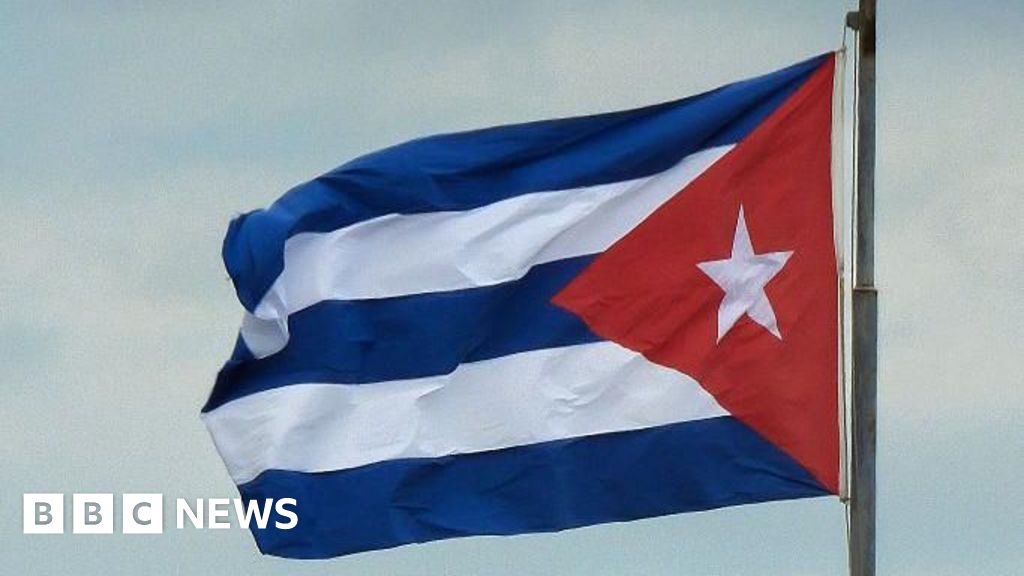
In a development that threatens to further destabilize the Caribbean region, Cuba has formally accused unidentified individuals onboard a vessel of initiating an infiltration with terrorist aims and firing first during a recent confrontation. The incident, which has quickly drawn international attention, underscores the fragile security landscape in the Gulf of Mexico and the Caribbean, where geopolitical tensions remain notably high.

While details remain contested and investigations are ongoing, the Cuban government’s statements point to a deliberate attempt to justify its response and to frame the event as a threat to national sovereignty. According to official sources, the involved vessel was suspected of engaging in illegal activities aimed at destabilizing the country. The claim that the ship “fired first” attempts to shift the narrative toward a defensive posture, but critics argue that the incident signals a broader pattern of covert meddling in the region by external actors seeking influence and disruption. Historian Dr. Maria Lopez, specializing in Latin American security issues, notes that such incidents often serve as flashpoints that escalate regional tensions and complicate diplomatic relations.

This confrontation arrives amid escalating concerns over the shift in regional influence spheres. The United States, which has historically maintained considerable military and diplomatic presence in the Caribbean, remains cautious about any signs of increased external interference, especially from rival powers like Russia and China. International organizations such as the United Nations have urged restraint, calling for transparent investigations and adherence to international law. Analysts warn that the incident, if unresolved, might trigger a dangerous cycle of escalation, potentially pushing the region closer to open conflict. The Strategic Studies Institute warns that uncontrolled confrontations in such geopolitically sensitive zones could threaten the stability of both regional and global security architectures.

Locally, the implications are profound; Cuba’s government asserts that such provocations could threaten its sovereignty and stability, while opponents accuse the regime of overreacting and using the incident to consolidate power domestically. As the international community watches closely, the unfolding events underscore the delicate balance of power in the Caribbean, an area marred by historical struggles, economic challenges, and Cold War legacies. Considered a pivotal point, many analysts view the incident as a potential catalyst—possibly turning the tide of regional alliances and intensifying existing rivalries. How the involved nations respond in the coming days may determine whether this incident remains an isolated flare or ignites a broader conflict that reshapes the geopolitical map.

As history continues to write itself, the weight of this moment is undeniable. In the shadow of modern Cold War animosities and regional struggles for influence, the Caribbean stands once again at a crossroads—where every decision may lead toward lasting peace or irreversible conflict. The pages of tomorrow’s history books are being written now, with the echoes of gunfire and diplomacy shaping the future of nations and peoples alike.

Brit teen among 19 dead in Nepal bus tragedy

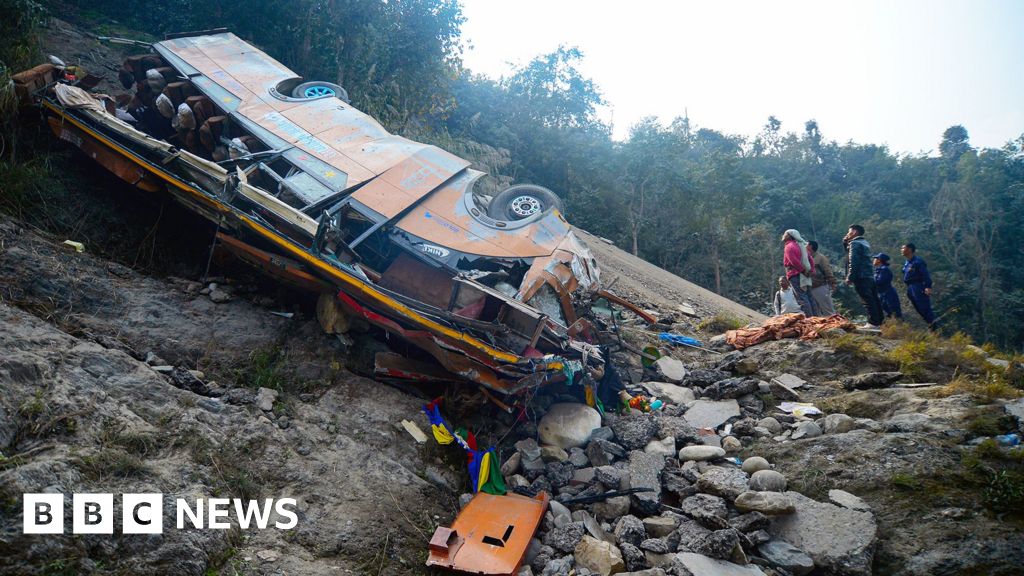
In what is emerging as a significant incident within the Himalayan nation of Nepal, authorities have disclosed that a British national was involved in recent unrest, identified as a 24-year-old man. While details remain under investigation, this development underscores the growing complexities of international involvement in Nepal’s fragile security landscape, as well as broader geopolitical sensitivities in South Asia. As Nepal navigates its path amid regional tensions and internal challenges, the presence of foreign nationals caught in such incidents raises questions about foreign influence and security protocols in this strategically crucial country.

The incident comes at a time when Nepal is closely scrutinized by major international players, especially in the context of its relationships with neighboring India and China. Analysts point to Nepal’s dual pursuit of balanced diplomacy in a region marked by strategic rivalry, with international organizations like the United Nations urging caution and stability. The involvement of a foreign citizen has sparked concerns about potential foreign interference, especially given the country’s geopolitical importance as a buffer state between two rising superpowers. The Nepalese government’s response will be pivotal in maintaining national sovereignty while managing external pressures that threaten to destabilize a nation still recovering from decades of internal political upheaval.

International political analysts emphasize the symbolic weight of such incidents in shifting perceptions about Nepal’s security environment. According to seasoned scholars, this particular event highlights how foreign nationals can inadvertently become pawns or catalysts in larger geopolitical chess games. Furthermore, reports from leading agencies suggest that incidents involving foreign citizens often serve as flashpoints for diplomatic standoffs or policy recalibrations, with repercussions felt across diplomatic corridors in Kathmandu and beyond. The United Kingdom, in particular, has expressed concern over the safety and treatment of its nationals, urging Nepal authorities to conduct thorough investigations while reaffirming their commitment to international cooperation.

  • The Nepalese police have released limited information, confirming that the individual was a 24-year-old British citizen, whose motives and background are under review.
  • Diplomatic channels are activated, with the British embassy monitoring the situation and engaging with local authorities.
  • International observers underscore the importance of transparent investigations to prevent escalation or the misconception of hostile intent.
  • Experts warn that unresolved incidents like these could undermine Nepal’s fragile political consensus and regional stability.

As Nepal stands at this critical juncture, history reminds us of the profound weight such seemingly isolated events can carry. The decision of how to handle this incident—whether through diplomatic finesse, robust security measures, or international cooperation—will resonate far beyond its borders, influencing regional alliances, foreign policy, and domestic stability. The stakes are high, and the trajectory of Nepal’s future remains woven into the larger narrative of geopolitical competition and security. This unfolding chapter leaves the world to watch nervously, as the delicate fabric of Himalayan peace is tested once again, revealing that in the theater of international relations, today’s incident could very well be tomorrow’s defining moment.”

Trump teases limited military strike on Iran, fueling tensions among youth conservatives

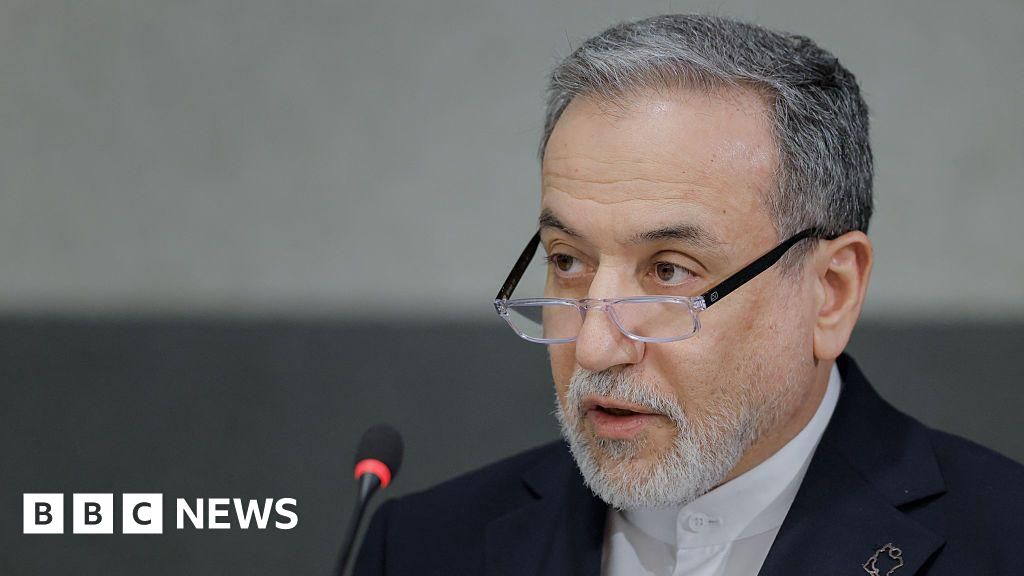
In a rapidly evolving geopolitical landscape, President Donald Trump issued a stark new threat against Iran just days after he suggested the Middle Eastern nation had approximately ten days to accept a comprehensive deal aimed at restricting its nuclear ambitions. This provocative stance underscores a broader shift in U.S. foreign policy, emphasizing maximized pressure and increased brinkmanship. The timing and rhetoric raise fresh concerns over the potential unraveling of diplomatic efforts that have sought to stabilize the region and prevent the proliferation of nuclear weapons.

The immediate aftermath of Trump’s announcement has already reverberated across global capitals and international institutions. Major powers such as Russia and China, along with European allies, have expressed alarm over what many interpret as a return to a confrontational posture that risks plunging the region into renewed instability. The United Nations Security Council and other multilateral platforms are closely monitoring developments, with some analysts warning that miscalculations or accidental escalations could ignite regional war or diminish fragile diplomatic gains made over recent years. These fears are compounded by recent historical patterns where diplomatic deadlines have often precipitated crises, energizing hawks who favor an uncompromising approach towards Iran’s nuclear program.

Generally perceived as a critical juncture in ongoing negotiations, the situation has sparked commentary from historians and security experts warning against the dangers of rigid ultimatums. Notably, international organizations like the International Atomic Energy Agency (IAEA) stress the importance of sustained diplomacy. “Decisive actions that ignore the complex web of regional and global interests risk undermining decades of diplomatic progress,” said Dr. Laura Matthews, a renowned geopolitical analyst. Her words echo concerns among many in the international community who view Iran’s nuclear pursuits less as an immediate threat and more as a complex negotiation with significant long-term implications for global security and regional stability.

  • The recent escalation underscores the fragile balance of power in the Middle East, where alliances are shifting and mistrust runs deep.
  • U.S. allies in Europe and the Gulf Cooperative Council have issued mixed responses, with some urging restraint and others expressing support for a firm stance.
  • Diplomatic efforts, including recent talks in Vienna and Geneva, aim to revitalize the 2015 Joint Comprehensive Plan of Action (JCPOA), yet these negotiations now face unprecedented hurdles.

As the world watches with bated breath, the unfolding drama risks settling into a decisive moment that could determine the future of global peace and security. The complex interplay of national interests, ideological divides, and historical grievances suggests that this is more than a simple matter of diplomacy—it is a test of the international community’s collective will. The decisions made in this critical window could either usher in a new era of cooperation or plunge entire regions into chaos. The weight of history presses heavily on the shoulders of current leaders, and once the course is set, the ripple effects will resound for generations to come, transforming the geopolitical landscape in ways yet unforeseen. Here, at this precipice, the world stands on the edge of a new chapter—one that will be written by those who dare to shape the future amidst the shadows of past conflicts.

Six Friends Among Avalanche Victims in California—A Tragedy for Our Community

The recent tragedy in California’s Sierra Nevada region has sent shockwaves through the international community, highlighting both the risks of extreme outdoor pursuits and the unpredictable power of nature. An avalanche in the Castle Peak area claimed the lives of eight individuals, with six survivors and one person still missing. The victims, including a nurse, a technology consultant, and community volunteers, belonged to a close-knit group of experienced backcountry skiers, underscoring how even the most prepared can fall prey to nature’s unforgiving forces. This incident, the deadliest in the region’s recent history, raises urgent questions about climate-driven changes that intensify avalanche risks, especially in a time of widespread environmental uncertainty.

Analysts and international organizations are closely watching the escalating dangers posed by snow droughts and unseasonal weather patterns. The avalanche’s occurrence amid California’s ongoing snow drought, exacerbated by climate change, demonstrates a critical, turning point in environmental stability. Climate scientists warn that such phenomena undermine traditional winter ecosystems and threaten outdoor recreation and local economies reliant on tourism and winter sports. Sovereign nations along mountain ranges—from Switzerland to Japan—are re-evaluating their avalanche safety protocols, with some calling for stricter safety measures and environmental policies. As noted by international environmental analysts, the increasingly erratic weather underscores the dangerous, uncertain future of alpine environments—a threat not only to thrill-seekers but to entire communities intertwined with mountain life.

Meanwhile, the United States is facing internal questions about the adequacy of safety measures in the face of rising natural disasters. State officials and local authorities are reviewing protocols for avalanche warnings and backcountry travel, especially after incidents like this highlight a deepened vulnerability. Critics argue that insufficient investment in safety infrastructure, combined with climate-induced instability, has left many mountain regions exposed. The tragedy has also sparked a broader debate on how international yet localized decisions—such as environmental policies and emergency preparedness—shape the resilience of societies in the face of natural disasters.

Historically, **mountain communities** have been at the mercy of forces beyond their control, but recent patterns suggest that human decisions—especially regarding climate policies—have a compounded impact. Scientists warn that if global cooperation fails to address environmental degradation, the frequency and severity of such tragedies could multiply. The United Nations and other leading entities remain divided on urgent climate action, with some nations resisting aggressive measures that threaten short-term economic interests. As the world watches this unfolding story, history reminds us that the choices made today will resonate across future generations, carving the trajectory of civilization amidst a rapidly changing planet. The weight of this tragedy is not only felt in California but echoes a global warning—a testament to the fragile boundary between human ambition and natural chaos, a line that is increasingly blurred as time progresses.

Canada Shooting: 10 Confirmed Dead in Tumbler Ridge School Attack—Suspect Among Victims

The tragic events in Canada this week have sent shockwaves across the nation, with reports confirming that ten individuals, including the gunman, lost their lives in a deadly mass shooting at Tumbler Ridge secondary school in northern British Columbia. This incident, which unfolded within a rural, close-knit community of less than 2,500 residents, underscores a disturbing trend that has begun to challenge the perceived safety and stability of even the most tranquil parts of a country often viewed as welcoming and progressive. More than two dozen victims were hospitalized, some airlifted from the scene, as survivors and families grapple with unimaginable grief. This tragedy highlights the stark reality of firearm violence—a phenomenon that, while often associated with other nations, is increasingly a concern within Canada’s social fabric.

Canadian authorities, alongside provincial officials like nina Krieger, the public safety minister, have described the incident as an “unimaginable tragedy” with implications that extend well beyond this isolated event. The police have identified the suspect but have offered limited details, focusing instead on the immediate aftermath—evacuating students, providing emergency medical support, and calming a traumatized community. They have also emphasized the difficulty in pinpointing a motive, stating, “we’re following all leads,” and remaining cautious to avoid prematurely speculating. The authorities’ response demonstrates a significant mobilization of Canada’s emergency services, which, in turn, highlights broader issues of public safety policy and gun control debates that still dominate the country’s political discourse.

This incident has mixed implications for Canada’s international standing, especially as global institutions and allies observe the nation’s internal struggles with violence. Analysts note that Canada’s reputation as a stable, secure democracy is being tested, as each such event prompts renewed calls for policy reform and questions about societal vulnerabilities. The event does not only threaten domestic harmony; it also touches on broader geopolitical ramifications—where internal instability can sometimes serve as a weak link in national diplomacy. Countries like the United States and the United Kingdom, which grapple similarly with firearm-related violence, watch these developments closely, aware that internal crises can influence international perceptions and alliances. Historically, experts argue, these moments of national trauma have often served as catalysts for intensified security measures, or, conversely, for societal debates that challenge core values and traditional freedoms.

In the long term, Canada’s response to this crisis may influence its position within international community efforts on public safety and human rights, especially when considering the role of international organizations like the United Nations in advocating for firearm regulation. As the country mourns and seeks stability, the unfolding investigation will likely have repercussions on domestic policies and regional alliances. It remains to be seen whether the country will deepen its security infrastructure or succumb to the political pressures to ease firearm restrictions—a debate that resonates across the Western world. In the hallowed halls of history, this moment might be remembered as a turning point where national trauma forced a global conversation on safety, liberty, and the societal fabric that binds us all. The story in Tumbler Ridge, humble yet profound, signifies that in an interconnected world, the choices made in small communities echo far beyond local borders, shaping the very nature of international stability and security.

Social media giants face lawsuits over mental health harm—are their platforms driving addiction among today’s youth?

Global Impact of the Social Media Addiction Trials and Their Geopolitical Significance

In what many analysts describe as a pivotal moment in the ongoing battle over the influence of tech giants on society, legal proceedings against Meta, YouTube, Snap Inc, and TikTok are taking center stage. Dubbed the “social media addiction trials”, these lawsuits are rooted in allegations that these platforms have caused significant harm to minors’ mental health, including depression, eating disorders, and catastrophic cases of self-harm and suicide. While the scientific community remains divided on whether social media can truly be classified as “addictive,” the legal actions highlight a broader concern: how these platforms leverage neurobiological techniques akin to those used by gambling and tobacco industries to captivate vulnerable users.

This legal confrontation extends beyond individual cases, touching on deep issues of international influence and corporate responsibility. The plaintiffs argue that these platforms borrow heavily from the behavioral techniques exploited by slot machines and cigarettes to extend engagement—techniques that manipulation experts warn could be steering billions into digital dependency. Major global institutions and watchdogs, such as the World Health Organization and American Psychological Association, are scrutinizing the role social media plays in the emerging youth mental health crisis. The lawsuits, therefore, serve as a flashpoint revealing how social media giants might be undermining societal health for profit, drawing parallels with past industry influences that shaped public health policy.

Economic and Geopolitical Ramifications of Platform Regulations

The firms have forcefully rejected the allegations, defending their role in providing “safer, healthier experiences” for young users, but the controversy cuts deeper than corporate PR. The European Commission’s recent move to examine TikTok’s “addictive design” reflects a continent-wide shift toward regulating digital platforms under the premise of protecting societal well-being. This European stance bears not just moral weight, but significant geopolitical implications: as the European Union begins to regulate and potentially restrict certain features, the fight over digital sovereignty heats up, with Western and Eastern blocs vying for control over the future digital landscape.

Historically, major international institutions have shown a tendency to regulate industries once the harmful impacts become undeniable—initially facing resistance from corporate interests eager to preserve profits. Similar patterns emerged during the tobacco wars and the regulation of chemical substances, with industry-funded studies attempting to obscure health risks. Today, the tech giants’ vehement denials echo those historical tactics, as they aim to sideline regulations while continuing to defend their vast markets and influence over youth populations across the globe. This contest over mental health, digital control, and cultural influence signifies a shift with profound geopolitical resonance: amid rising tensions between Western democratic values and authoritarian state models, who controls the digital space becomes a strategic battleground.

Shaping Societies: The Future of Technology, Responsibility, and Liberty

As the debate intensifies among scientists and policymakers, the broader question remains: how will nations respond to the challenge of regulating social media without infringing on individual liberties?

Many experts warn that unchecked corporate influence can lead to societal fragility, especially among the youth, whose brains are still in formative stages. The revelations about platforms’ neurobiological techniques and the potential for dependency draw stark parallels to previous industries that prioritized profits over public health. Turel, a neuroscientist, compares social media’s addictive features to the “intermittent reinforcement” mechanisms exploited in gambling, emphasizing the need to understand addiction as a multifaceted issue that influences both reward systems and self-control in the brain. The stakes now extend beyond health— the battle for digital sovereignty and cultural integrity is intertwined with questions of national security.

In the unfolding narrative of this new digital age, history may yet record these legal battles as the moment when society drew the line against corporate manipulation—on the brink of a new era of accountability or unrestrained tech dominance. The choices made today, regarding regulation and societal resilience, will either safeguard future generations or consign them to a landscape where addiction, misinformation, and social fragmentation define the human condition. As history watches silently, the story of digital society is still being written, its ending yet unwritten but inevitably decisive in shaping the course of human civilization.

US Congress Cuts $125M Funding to Replace Lead Pipes, Spark Outrage Among Youth

US Congress’ Funding Cuts Reflect Broader Political and Geopolitical Shifts

The recent decision by the US Congress to cut $125 million from the funding designated for replacing toxic lead drinking water pipes underscores a significant shift in domestic priorities amidst escalating international tensions. This cut, part of the broader government funding legislation, targets states like Michigan, Illinois, Texas, and New York, regions grappling with hazardous lead contamination—an issue that has direct ramifications on public health and social stability. Despite bipartisan support in 2021 for the removal of lead pipes, Republican leadership on key committees redirected these resources toward wildfire prevention, a move criticized by Democrats and health advocates alike. Such political maneuvering reflects not only the internal polarization within the United States but also demonstrates how American policy is increasingly driven by short-term political gains at the expense of foundational public health concerns.

Implications for Global and Domestic Geopolitics

Analysts emphasize that decision-making at the US federal level has repercussions beyond its borders. The suspension or reduction of funding for infrastructure projects like lead pipe replacement weakens America’s credibility on the global stage, especially as it champions itself as a leader in promoting sustainable and health-oriented development. As international organizations such as the World Health Organization warn about the deadly effects of lead exposure—citing evidence that it lowers IQ, stunts development, and increases cardiovascular risks—the US government’s reluctance to prioritize such issues invites criticism from allies and adversaries alike. This domestic shuffle in policy emphasizes a broader geopolitical narrative—one where the US is seen as retreating from its moral commitments to public health and infrastructure that underpin national stability.

Impact on Societies and the Global Balance

  • The decrease in funding threatens to stall efforts to replace an estimated nine million lead service lines, risking long-term health crises in vulnerable communities. Children in cities like Chicago suffer disproportionate exposure, with less than 4% of their lead pipes replaced despite the staggering need for over $3 billion in investments.
  • This underfunding not only endangers individual lives but also signals a troubling shift in priorities—one that could undermine the social fabric of American society, especially among marginalized populations.
  • Internationally, the US’s diminished commitment to public health initiatives could influence other nations’ approaches to infrastructure and environmental protection, potentially emboldening authoritarian regimes that deprioritize such issues in favor of consolidating power or military expansion.

Throughout the years, historians and global analysts have warned that neglecting investments in basic infrastructure—like clean water—can lead to sociodemographic destabilization, fueling unrest and eroding the moral authority of nations claiming leadership. The EPA has estimated that failing to replace lead lines results in hundreds of premature deaths annually and countless cases of developmental harm to children, a toll that resonates beyond America’s borders as a cautionary tale. This culture of neglect, justified by short-sighted fiscal calculations, risks erasing decades of progress and leaves future generations to grapple with its fallout.

As the world watches, the US faces a pivotal moment—its decisions on domestic policy echo loudly in the corridors of international power. With history’s pen poised over this unfolding chapter, the question remains: will leadership choose to forge a resilient future or succumb to the temptations of political expediency? The weight of history is heavy, and the headlines yet to be written hold the destiny of millions—and the geopolitical landscape they inhabit—within their grasp.

Nintendo’s Switch Smashes Records as Highest-Selling Console Ever Among Young Gamers

The Nintendo Switch Sets New Milestones: A Cultural Game-Changer

In the ever-evolving landscape of gaming, Nintendo continues to demonstrate why it remains a cultural powerhouse among youth. The company recently announced that their beloved Nintendo Switch has surpassed 155 million units sold, making it the highest-selling hardware in Nintendo’s storied history. This milestone isn’t just a testament to technological innovation—it’s a reflection of a societal shift in how the younger generation engages with entertainment. Unlike traditional gaming consoles, the Switch’s hybrid design—combining portability with home console capabilities—has resonated deeply with today’s dynamic and on-the-go lifestyle, redefining what a gaming device can be.

What makes this success even more compelling is how it exemplifies a shift in social behavior and cultural relevance. The Nintendo Switch has become more than just a gaming platform; it’s a social hub for youth, a portal to shared experiences and online communities. With top influencers, TikTok challenges, and vibrant fan discussions, the console has embedded itself in the fabric of youth culture. According to gaming sociologists, this trend reflects a broader desire among young people for flexible, social, and accessible entertainment that fits into their fast-paced lives. It’s not just about gaming anymore—it’s about creating shared digital identities and cultural moments, a phenomenon that can shape social dynamics for years to come.

Besides its cultural impact, Nintendo’s innovation is also capturing market dynamics with surprising speed. Despite not holding the record for the overall best-selling gaming hardware (that’s the legendary PlayStation 2 at approximately 160 million units), the Switch’s current trajectory suggests it could eventually surpass that milestone, especially with the release of the highly anticipated Switch 2. In less than a year since its debut, the Switch 2 has already sold an impressive 17 million units, outstripping sales figures of past consoles like the Wii U, which struggled with market acceptance. This highlights a generation-driven demand for gaming that prioritizes versatility and innovation—factors that Nintendo has prioritized with aesthetic appeal and engaging gameplay experiences.

  • Top gaming influencers like Pokémon TikTok stars, and streamers on Twitch, have propelled the Switch to viral heights, making it a must-have for youth seeking social connectivity through gaming.
  • Multiple lifestyle brands are now leveraging Nintendo’s success, incorporating gaming aesthetics into fashion and tech accessories, further embedding the console into youth culture.
  • Sociological insights from analysts have noted that the Switch’s success underscores a societal shift: young consumers increasingly favor personalized, portable tech that enhances social bonding and community building.

As Nintendo’s movement demonstrates, this gaming evolution raises an intriguing question: in a hyper-connected, tech-driven society, will the next iteration of gaming hardware shift further into an even more social, lifestyle-integrated space? Could future consoles become less about hardware specs and more about connecting people through immersive experiences? Nintendo’s triumph with the Switch suggests that the hottest trend may not just be in processing power or graphics, but in fostering social engagement and cultural identity—especially among youth. As we look ahead, one thing is clear: the next big question isn’t just what gaming hardware will do next, but how it will shape the social fabric of the digital generation to come.

Social Media Auto Publish Powered By : XYZScripts.com