Matox News

Truth Over Trends, always!

Social media giants face lawsuits over mental health harm—are their platforms driving addiction among today’s youth?

Global Impact of the Social Media Addiction Trials and Their Geopolitical Significance

In what many analysts describe as a pivotal moment in the ongoing battle over the influence of tech giants on society, legal proceedings against Meta, YouTube, Snap Inc, and TikTok are taking center stage. Dubbed the “social media addiction trials”, these lawsuits are rooted in allegations that these platforms have caused significant harm to minors’ mental health, including depression, eating disorders, and catastrophic cases of self-harm and suicide. While the scientific community remains divided on whether social media can truly be classified as “addictive,” the legal actions highlight a broader concern: how these platforms leverage neurobiological techniques akin to those used by gambling and tobacco industries to captivate vulnerable users.

This legal confrontation extends beyond individual cases, touching on deep issues of international influence and corporate responsibility. The plaintiffs argue that these platforms borrow heavily from the behavioral techniques exploited by slot machines and cigarettes to extend engagement—techniques that manipulation experts warn could be steering billions into digital dependency. Major global institutions and watchdogs, such as the World Health Organization and American Psychological Association, are scrutinizing the role social media plays in the emerging youth mental health crisis. The lawsuits, therefore, serve as a flashpoint revealing how social media giants might be undermining societal health for profit, drawing parallels with past industry influences that shaped public health policy.

Economic and Geopolitical Ramifications of Platform Regulations

The firms have forcefully rejected the allegations, defending their role in providing “safer, healthier experiences” for young users, but the controversy cuts deeper than corporate PR. The European Commission’s recent move to examine TikTok’s “addictive design” reflects a continent-wide shift toward regulating digital platforms under the premise of protecting societal well-being. This European stance bears not just moral weight, but significant geopolitical implications: as the European Union begins to regulate and potentially restrict certain features, the fight over digital sovereignty heats up, with Western and Eastern blocs vying for control over the future digital landscape.

Historically, major international institutions have shown a tendency to regulate industries once the harmful impacts become undeniable—initially facing resistance from corporate interests eager to preserve profits. Similar patterns emerged during the tobacco wars and the regulation of chemical substances, with industry-funded studies attempting to obscure health risks. Today, the tech giants’ vehement denials echo those historical tactics, as they aim to sideline regulations while continuing to defend their vast markets and influence over youth populations across the globe. This contest over mental health, digital control, and cultural influence signifies a shift with profound geopolitical resonance: amid rising tensions between Western democratic values and authoritarian state models, who controls the digital space becomes a strategic battleground.

Shaping Societies: The Future of Technology, Responsibility, and Liberty

As the debate intensifies among scientists and policymakers, the broader question remains: how will nations respond to the challenge of regulating social media without infringing on individual liberties?

Many experts warn that unchecked corporate influence can lead to societal fragility, especially among the youth, whose brains are still in formative stages. The revelations about platforms’ neurobiological techniques and the potential for dependency draw stark parallels to previous industries that prioritized profits over public health. Turel, a neuroscientist, compares social media’s addictive features to the “intermittent reinforcement” mechanisms exploited in gambling, emphasizing the need to understand addiction as a multifaceted issue that influences both reward systems and self-control in the brain. The stakes now extend beyond health— the battle for digital sovereignty and cultural integrity is intertwined with questions of national security.

In the unfolding narrative of this new digital age, history may yet record these legal battles as the moment when society drew the line against corporate manipulation—on the brink of a new era of accountability or unrestrained tech dominance. The choices made today, regarding regulation and societal resilience, will either safeguard future generations or consign them to a landscape where addiction, misinformation, and social fragmentation define the human condition. As history watches silently, the story of digital society is still being written, its ending yet unwritten but inevitably decisive in shaping the course of human civilization.


US Congress Cuts $125M Funding to Replace Lead Pipes, Spark Outrage Among Youth

US Congress’ Funding Cuts Reflect Broader Political and Geopolitical Shifts

The recent decision by the US Congress to cut $125 million from the funding designated for replacing toxic lead drinking water pipes underscores a significant shift in domestic priorities amidst escalating international tensions. This cut, part of the broader government funding legislation, targets states like Michigan, Illinois, Texas, and New York, regions grappling with hazardous lead contamination—an issue that has direct ramifications on public health and social stability. Despite bipartisan support in 2021 for the removal of lead pipes, Republican leadership on key committees redirected these resources toward wildfire prevention, a move criticized by Democrats and health advocates alike. Such political maneuvering reflects not only the internal polarization within the United States but also demonstrates how American policy is increasingly driven by short-term political gains at the expense of foundational public health concerns.

Implications for Global and Domestic Geopolitics

Analysts emphasize that decision-making at the US federal level has repercussions beyond its borders. The suspension or reduction of funding for infrastructure projects like lead pipe replacement weakens America’s credibility on the global stage, especially as it champions itself as a leader in promoting sustainable and health-oriented development. As international organizations such as the World Health Organization warn about the deadly effects of lead exposure—citing evidence that it lowers IQ, stunts development, and increases cardiovascular risks—the US government’s reluctance to prioritize such issues invites criticism from allies and adversaries alike. This domestic shuffle in policy emphasizes a broader geopolitical narrative—one where the US is seen as retreating from its moral commitments to public health and infrastructure that underpin national stability.

Impact on Societies and the Global Balance

  • The decrease in funding threatens to stall efforts to replace an estimated nine million lead service lines, risking long-term health crises in vulnerable communities. Children in cities like Chicago suffer disproportionate exposure, with less than 4% of their lead pipes replaced despite the staggering need for over $3 billion in investments.
  • This underfunding not only endangers individual lives but also signals a troubling shift in priorities—one that could undermine the social fabric of American society, especially among marginalized populations.
  • Internationally, the US’s diminished commitment to public health initiatives could influence other nations’ approaches to infrastructure and environmental protection, potentially emboldening authoritarian regimes that deprioritize such issues in favor of consolidating power or military expansion.

Throughout the years, historians and global analysts have warned that neglecting investments in basic infrastructure—like clean water—can lead to sociodemographic destabilization, fueling unrest and eroding the moral authority of nations claiming leadership. The EPA has estimated that failing to replace lead lines results in hundreds of premature deaths annually and countless cases of developmental harm to children, a toll that resonates beyond America’s borders as a cautionary tale. This culture of neglect, justified by short-sighted fiscal calculations, risks erasing decades of progress and leaves future generations to grapple with its fallout.

As the world watches, the US faces a pivotal moment—its decisions on domestic policy echo loudly in the corridors of international power. With history’s pen poised over this unfolding chapter, the question remains: will leadership choose to forge a resilient future or succumb to the temptations of political expediency? The weight of history is heavy, and the headlines yet to be written hold the destiny of millions—and the geopolitical landscape they inhabit—within their grasp.

Nintendo’s Switch Smashes Records as Highest-Selling Console Ever Among Young Gamers

The Nintendo Switch Sets New Milestones: A Cultural Game-Changer

In the ever-evolving landscape of gaming, Nintendo continues to demonstrate why it remains a cultural powerhouse among youth. The company recently announced that their beloved Nintendo Switch has surpassed 155 million units sold, making it the highest-selling hardware in Nintendo’s storied history. This milestone isn’t just a testament to technological innovation—it’s a reflection of a societal shift in how the younger generation engages with entertainment. Unlike traditional gaming consoles, the Switch’s hybrid design—combining portability with home console capabilities—has resonated deeply with today’s dynamic and on-the-go lifestyle, redefining what a gaming device can be.

What makes this success even more compelling is how it exemplifies a shift in social behavior and cultural relevance. The Nintendo Switch has become more than just a gaming platform; it’s a social hub for youth, a portal to shared experiences and online communities. With top influencers, TikTok challenges, and vibrant fan discussions, the console has embedded itself in the fabric of youth culture. According to gaming sociologists, this trend reflects a broader desire among young people for flexible, social, and accessible entertainment that fits into their fast-paced lives. It’s not just about gaming anymore—it’s about creating shared digital identities and cultural moments, a phenomenon that can shape social dynamics for years to come.

Besides its cultural impact, Nintendo’s innovation is also capturing market dynamics with surprising speed. Despite not holding the record for the overall best-selling gaming hardware (that’s the legendary PlayStation 2 at approximately 160 million units), the Switch’s current trajectory suggests it could eventually surpass that milestone, especially with the release of the highly anticipated Switch 2. In less than a year since its debut, the Switch 2 has already sold an impressive 17 million units, outstripping sales figures of past consoles like the Wii U, which struggled with market acceptance. This highlights a generation-driven demand for gaming that prioritizes versatility and innovation—factors that Nintendo has prioritized with aesthetic appeal and engaging gameplay experiences.

  • Top gaming influencers like Pokémon TikTok stars, and streamers on Twitch, have propelled the Switch to viral heights, making it a must-have for youth seeking social connectivity through gaming.
  • Multiple lifestyle brands are now leveraging Nintendo’s success, incorporating gaming aesthetics into fashion and tech accessories, further embedding the console into youth culture.
  • Sociological insights from analysts have noted that the Switch’s success underscores a societal shift: young consumers increasingly favor personalized, portable tech that enhances social bonding and community building.

As Nintendo’s movement demonstrates, this gaming evolution raises an intriguing question: in a hyper-connected, tech-driven society, will the next iteration of gaming hardware shift further into an even more social, lifestyle-integrated space? Could future consoles become less about hardware specs and more about connecting people through immersive experiences? Nintendo’s triumph with the Switch suggests that the hottest trend may not just be in processing power or graphics, but in fostering social engagement and cultural identity—especially among youth. As we look ahead, one thing is clear: the next big question isn’t just what gaming hardware will do next, but how it will shape the social fabric of the digital generation to come.

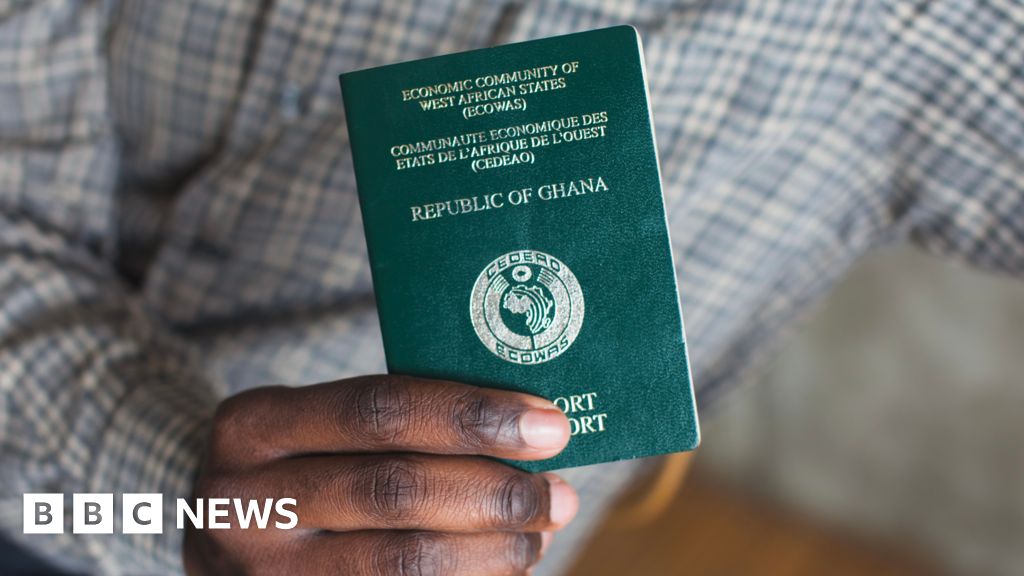
Ghana pauses citizenship process for Africans, raising concerns among youth activists

The recent difficulties faced by prospective migrants seeking to relocate to Ghana, as highlighted by Dr. Erieka Bennet, ambassador for the Diaspora African Forum, underscore a broader challenge at the intersection of migration, sovereignty, and international governance. The Forum’s role in facilitating the return of the African diaspora has been celebrated as a pivotal step towards fostering continental unity and economic revival. However, the bureaucratic hurdles—particularly the rigid DNA verification process—have cast a shadow over Ghana’s ambitious vision for a united African identity. Many applicants have expressed concerns that the deadline imposed within just a week is virtually impossible, stirring debates not only about logistical feasibility but also about the reliability and ethical considerations surrounding DNA testing in a geopolitical context.

Ghana’s recent policies are a reflection of a larger geopolitical shift, driven by the government’s desire to verify claims of descent and prevent fraudulent claims that could hamper resource allocation and investment initiatives. International analysts note that this move coincides with Ghana’s efforts to assert greater sovereignty amidst a transformative period marked by economic rebuilding and regional diplomacy. Yet, critics—including human rights advocates and diaspora community leaders—warn that such policies might exacerbate digital divides and social inequalities. The reliability of DNA testing, often contested, raises questions about the how international institutions and health authorities collaborate on standardizing such sensitive procedures. The debate echoes back to controversies seen in other migration initiatives, where race, ethnicity, and genetic data intersect with political ambitions.

The geopolitical impact of these policies extends beyond mere bureaucracy. As international organizations like the United Nations and regional African blocs observe Ghana’s approach, they grapple with defining the balance between national sovereignty and international oversight. Prominent analysts warn that mishandling this delicate balance could undermine regional stability and sow distrust among African nations striving for economic integration and collaborative development. Historically, migration has been both a catalyst of growth and conflict; thus, the manner in which Ghana implements these directives will serve as a test case for other nations contemplating similar measures. The risk lies in fostering exclusion or misjudging the social fabric, potentially fueling grievances that threaten regional cohesion.

As history continues to unfold, the question lingers: will Ghana’s effort to solidify its national identity and manage diaspora contributions bolster regional unity, or will it ignite divisions rooted in mistrust and incompatible policies? The decisions made today carry the weight of history, as they shape not only the fate of individual migrants but also the geopolitical landscape of Africa. With international stakeholders watching closely, the outcome of Ghana’s reform efforts may well serve as a blueprint—either a blueprint for sovereign assertion or a cautionary tale of bureaucratic overreach—etched into the chronicles of a continent riding the delicate edge of change. The future remains uncertain, its course written by choices made in the corridors of power amid the loud echoes of history’s relentless march.

Why are so many Turkish women losing their lives? A troubling trend among our daughters.

In the heart of Türkiye, a nation steeped in cultural tradition and rapid modern change, a distressing pattern has taken hold—one that deeply affects families, communities, and the fabric of society itself. Official statistics reveal that every year, more than 250 women die by “falling from high places,” a euphemism increasingly associated with femicide and suspicious deaths. Sociologists and social commentators argue that these figures obscure a harsh reality: many of these women did not jump but were pushed, victims of a broader societal failure to address gender-based violence and systemic indifference. Behind the cold numbers lie devastating human stories that unsettle the nation’s conscience, calling for urgent reflection and reform.

The case of Şebnem Köker exemplifies how social issues—ranging from domestic abuse, gender discrimination, to institutional neglect—intertwine to devastate lives. The police initial investigation, which dismissed her death as a suicide, concealed critical evidence: Şebnem was not alone the night she died, yet authorities failed to thoroughly examine her environment or the people present. Her last known interactions—bordering on clandestine—reveal a young woman caught in a web of complex relationships and societal pressures. Despite her family’s protests, police guided the narrative towards suicide, ignoring forensic evidence and eyewitness accounts suggesting foul play. Such systemic oversight highlights how the societal association of women’s independence with vulnerability, amplified by institutional missteps, perpetuates a cycle of injustice that harms families and erodes trust in the justice system.

The persistent undercounting of femicide in Turkey, according to campaigners like Kav of We Will Stop Femicide, results not just from official apathy but from a systematic failure to properly investigate and prosecute these crimes. Forensic experts internationally have developed methods to determine whether a death was a fall or a push, yet in Turkey, such techniques remain underutilized or ignored. Despite landmark cases—like the conviction of Çağatay Aksu for pushing Shiule Çet off a high-rise—many perpetrations remain uninvestigated, and justice remains elusive. Families, often shattered emotionally and financially, grapple with the pain of lost loved ones, uncertain whether societal neglect or deliberate concealment bears greater responsibility for the silence that envelops these tragedies. Their stories underscore that the social fabric is frayed when gendered violence goes unpunished, leaving families and communities to mourn in the shadows of systemic indifference.

Amid this backdrop, social reformers and legal advocates call for a paradigm shift, emphasizing that justice is a societal responsibility, not merely a bureaucratic process. They argue that the state’s failure to investigate thoroughly, combined with cultural stigmas surrounding women’s agency and mental health, fosters an environment where perpetrators are shielded, and victims’ families are left to seek truth alone. Campaigns promoting forensic advancements and judicial transparency have seen limited success, with advocates like Süren fighting lengthy legal battles to have cases reopened or re-examined. Their persistence offers a flicker of hope—an acknowledgment that change begins with societal acknowledgment of these injustices, bridging the gap between systemic failure and compassionate action. Society finds itself at a crossroads: to confront its failures, reckon with cultural shifts that tolerate violence, and foster community resilience rooted in respect and equality. If society aspires to be more than just a mosaic of broken stories and distant statistics, then it must embrace the moral imperative to protect its most vulnerable, ensuring that the lives lost are not but whispers on the wind but catalysts for transformative justice.

Tragedy in Perth: Two Kids Among Four Dead in Suspected Murder-Suicide

Recent reports from Australia have cast a stark spotlight on a devastating family tragedy in the affluent suburb of Mosman Park, Perth. The suspected murder-suicide that claimed four lives, including two children with significant health challenges, has sent shockwaves through the local community and sparked important conversations about mental health, societal support systems, and the psychological toll of modern life. This heartbreaking event, while localized in scope, reverberates beyond Australia’s borders, symbolizing the quiet crises that often go unnoticed within the fabric of developed nations.

However, the significance of such tragedies extends far beyond individual families. As global analysts like Samuel Huntington and institutions such as the United Nations observe, societal disintegration is increasingly linked to mental health neglect, economic disparity, and the erosion of traditional family structures — issues exacerbated by the rapid pace of globalization. The Australian case underscores how even in the most affluent communities, vulnerable populations—especially children—are not immune to psychological distress. These social fissures pose a dire challenge to the stability of nations as they grapple with a surge in mental health crises, which can sometimes culminate in violence or self-destructive acts.

On the broader international stage, powerful nations weigh their responses to evolving circumstances that threaten their societal cohesion. The shift in global geopolitics—whether it’s the ongoing U.S.-China rivalry, the destabilization in Eastern Europe, or the new economic alliances in Asia-Pacific—is increasingly influenced by their internal social resilience. Decisions taken in response to domestic crises, including mental health policies and social safety nets, directly impact a nation’s capacity to project power and stability. As recognized by think tanks and international organizations, the strength of a nation’s social fabric often determines its geopolitical influence. The mere fact that in Australia a single tragic event can draw national headlines emphasizes how internal vulnerabilities ripple outward, affecting the country’s diplomatic posture and global standing.

This tragic episode also underscores a critical turning point: how nations must prioritize mental health and societal support as integral components of national security. As the World Health Organization warns, neglecting these issues can lead to long-term societal destabilization, which in turn fuels regional unrest and international instability. Historians like Niall Ferguson argue that the future of global sovereignty hinges not solely on military strength or economic prowess, but on the resilience of societal bonds. Just as Western nations grapple with internal divisions, their ability to maintain influence on the world stage hinges on how they address these internal crises.

In a world where history continuously unfolds, the personal tragedy at Mosman Park serves as a stark symbol of broader fragilities. It is a reminder that beneath the veneer of prosperity lies a fragile veneer vulnerable to fracture—where societal supports can break, and chaos can emerge. As leaders and citizens alike contemplate the lessons embedded in this tragic event, they are faced with an urgent question: will they recognize the vital need to reinforce their social foundations before history’s next upheaval? The weight of the future hangs heavy, and the pages of history remain blank, awaiting the choices that will determine the fate of nations and societies for generations to come.

Oracle shares drop as earnings raise AI bubble doubts among young investors

Oracle’s Earnings and the Shifting Dynamics of Global Tech Power

In the wake of recent disappointing quarterly figures, Oracle, a titan in the cloud computing industry, saw its shares plummet over 10% in after-hours trading. The company’s revenue for the quarter ended in November stood at $16.1 billion, edging just below analyst expectations of $16.2 billion. Despite this marginal shortfall, Oracle’s overall revenue growth of 14%—bolstered by a 68% spike in its AI division—underscores the relentless expansion and strategic pivoting of America’s tech giants amid a tumultuous market.

What elevates Oracle’s recent developments from mere financial metrics is its strategic alliance with OpenAI, the outfit behind ChatGPT. In September, Oracle inked a deal to furnish $300 billion in computing power over five years, positioning itself as a crucial infrastructure provider in the AI race. This move has catapulted Larry Ellison into the spotlight, briefly making him the world’s richest man. International analysts have lauded this partnership as a major step in the global AI race, signaling America’s intent to maintain supremacy in this critical technological frontier. However, Ellison’s call for “chip neutrality”—buying AI chips from any manufacturer—has raised eyebrows regarding the underlying sector competition, especially with dominant players like Nvidia.

Risks, Rewards, and the Geopolitical Chessboard

Behind the veneer of growth lies a complex web of financial strategies and geostrategic maneuvers. Critics on Wall Street warn that Oracle’s substantial debt from bond sales—an unprecedented $18 billion—raises concerns over sustainability and overexposure to a volatile AI sector. As international organizations and analysts like Jacob Bourne voice caution, some experts see this as a reflection of the broader American tech sector’s pursuit of dominance at all costs. The narrative echoes tensions in U.S.-China relations, where global AI and tech leadership now serve as proxies for geopolitical influence, echoing classic competition over technological superpower status. Inner circles in Washington, as well as international think tanks, increasingly perceive these tech battlegrounds as pivotal to future global power alignments.

Meanwhile, Oracle’s political and economic initiatives include notable investments by the Ellison family, outspoken supporters of Donald Trump. Their acquisitions of Hollywood assets like Paramount and active bids for Warner Brothers Discovery reflect an intertwining of technological, financial, and geopolitical interests that stretch far beyond the data centers themselves. As historian and geopolitical analyst John Mearsheimer warns, such concentrated financial power and strategic investments bolster legacy industries while challenging the global cultural order, especially in an era where information warfare and media influence have become critical weapons of statecraft.

Implications for the Future and a Wary World

The unfolding chapters of Oracle’s ambitions and the broader AI arms race are a stark reminder that technology is now intrinsically linked to geopolitical stability or chaos. The decisions made today—whether purchasing chips from Nvidia or distributing AI infrastructure—are shaping the contours of future conflicts and alliances. International observers, from the United Nations to regional economies in Europe and Asia, watch with bated breath as these titanic shifts ripple through the fabric of global society. What remains uncertain is whether these technological pursuits will serve the cause of human progress or become catalysts for a new era of unchecked dominance and confrontation.

As history continues to unfold in this epoch of rapid innovation and rising strategic tensions, the world stands on the brink of a new chapter. The intricate dance of corporate power, political influence, and technological innovation holds the potential to forge a new global order—and just as easily, to unravel the fragile fabric of peace. In these moments, the destiny of nations is written not just in the boardrooms or server farms but in the choices of leaders who shape the future—an era where every decision echoes across decades, leaving a legacy that future generations will scrutinize and debate. The unease lingers: what new wars of influence, technological or otherwise, are already quietly taking shape in the shadows of this digital revolution?

Tourists Among 23 Killed in Goa Nightclub Fire—A Tragic Blow to Our Tourism Sector

In recent years, the alarming frequency of destructive fires across India has become a stark reminder of the profound risks inherent in rapid urbanization and insufficient safety regulation. The tragic loss of at least 23 lives in a nightclub fire in Goa, a renowned tourist haven, underscores a troubling pattern with direct repercussions for national stability and international perception. While the immediate focus centers on the victims and emergency response, the broader geopolitical impact cannot be ignored, as such incidents reflect poorly on India’s ability to ensure the safety of its citizens and visitors, impacting foreign tourism and international confidence.

Historically, India has grappled with the challenge of enforcing rigorous building safety standards amidst a booming economy that often prioritizes quick development over quality control. Recent events, including a fire in Hyderabad resulting in 17 deaths, and a deadly blaze in Kolkata that claimed 15 lives, reveal systemic failures that span across urban planning and regulation enforcement. Prominent international organizations, such as the United Nations, warn that neglecting safety standards exacerbates vulnerability during emergencies, leading to increased fatalities and societal destabilization. Experts like Dr. Arun Malhotra, a prominent urban safety analyst, argue that these tragedies are largely preventable, given proper adherence to safety protocols. Yet, the persistent recurrence of such incidents underscores a deeper problem: the inability of local authorities to uphold or enforce effective fire safety laws, which in turn erodes public trust in governance.

Moreover, these recurring tragedies serve as a geopolitical reflection of India’s complex internal challenges. As the world’s largest democracy, India seeks to project strength and stability on the international stage, but these failures threaten to undermine that image. The late 2020s have seen heightened scrutiny from foreign investors and tourists, concerned about security and infrastructure conditions. The recent proposed safety audits by local officials, spurred by these fires, highlight efforts to address this concern. Yet, critics remain skeptical, warning that without systemic reforms, such incidents could metastasize into crises that diminish India’s soft power and economic prospects. In particular, Goa’s status as a world-famous tourist destination puts immense pressure on local and national authorities to balance growth with safety. International observers and foreign governments are watching closely, as the potential for a large-scale tragedy could have ripple effects, unsettling regional stability and strategic alliances.

On a broader canvas, these fire incidents are emblematic of an urgent need for comprehensive reform, not only within India but as a warning to global partnerships. The collapse of safety standards in some of India’s busiest shared spaces stands as a cautionary tale against complacency amid rapid development. As China, Pakistan, and other regional powers navigate their own internal crises, the international community must recognize that the stability of each nation impacts collective security. The unfolding chapter of India’s safety crises serves as a stark narrative in the geopolitical saga—a reminder that progress is meaningless if measured in economic terms alone, without safeguarding human lives and social order. History’s relentless march dictates that the true measure of a nation’s strength lies in its ability to protect its citizens, yet, tragically, India’s recent history reveals a dangerous gap between aspiration and reality—a gap that may yet widen if urgent reforms are not enacted to prevent the next catastrophe from writing its chapter in the annals of history.

South African DJ among five busted in Russia recruitment scheme

In a noteworthy development that underscores the complexities of international diplomacy, South Africa finds itself at the center of a burgeoning controversy involving illegal recruitment of its citizens by foreign military forces. Recently, a prominent radio presenter, Nonkululeko Patricia Mantula, appeared in court facing charges linked to the alleged facilitation of the recruitment and travel of South Africans to join Russian military forces. This arrest marks a critical point in a series of escalating efforts by South African authorities to clamp down on citizens being lured into foreign conflicts—particularly amid Russia’s ongoing confrontation with Ukraine.

  • In November, the government disclosed that 17 South Africans had been “seemingly” enticed to join mercenary units fighting for Russia, with some reportedly trapped in the Ukraine conflict zone.
  • Police intercepted five individuals—including Mantula—at Johannesburg’s main airport, as they attempted to travel to Russia via the United Arab Emirates.
  • These arrests followed a broader investigation into alleged recruitment networks that exploit South Africa’s high unemployment rates, especially among youth, to lure vulnerable young men with promises of lucrative contracts.

The geopolitical impact of these developments extends beyond South African borders. Analysts emphasize that the recruitment of foreign fighters by Russia complicates the broader geopolitics of the Ukraine conflict, with Russia seeking to bolster its forces through an international pool of mercenaries. At the same time, Western nations and Ukrainian authorities have expressed concern over the influx of foreign nationals being used as pawns in a proxy war. These efforts appear to be part of a larger strategic move by Russia to undermine Western influence and extend its military reach with the help of destabilized and economically vulnerable societies like South Africa.

Many national and international voices, including well-respected security analysts and international organizations, warn of the long-term consequences of foreign engagement in conflicts like Ukraine. Especially in a country like South Africa, where social issues such as unemployment are pervasive, the lure of high-paying military contracts often obscures the deadly realities. The case of Mantula and others involved finally puts into focus the dangerous movie of foreign interference and recruitment drives, which threaten the stability and sovereignty of nations. History has shown that allowing foreign mercenaries to operate within national borders often leads to long-term destabilization, undermining local governance and social cohesion.

Ultimately, this unfolding drama leaves an indelible mark on the record of modern history—a stark reminder of how individual choices, driven by poverty and manipulated by global powers, can influence the balance of international sovereignty and security. As South African authorities continue their investigations and diplomatic efforts, the world watches, mindful that the outcome will not merely define the fates of a handful of citizens but will also chart the course of global conflict, sovereignty, and the limits of national authority. The weight of history remains heavy on this fragile point where personal and national destinies intersect in the shadow of a widening geopolitical struggle—an ongoing saga that may yet redefine the contours of future conflict.

The Wiggles respond to controversy over appearance in Ecstasy music video, sparking debate among youth and cultural commentators

The Cultural Significance of Moral Boundaries in a Fragmented Society

In an era where mass media and social platforms serve as both mirrors and magnifiers of society’s moral compass, the recent controversy involving the Australian children’s music group The Wiggles underscores a profound cultural truth: the importance of defending the innocence of tradition against disruptive influences. When two of its members appeared inadvertently in a music video seemingly endorsing drug use, the incident illuminated the fragile boundaries that separate the cherished innocence of childhood from the encroachments of modern entertainment’s moral ambiguity. As a group created in 1991, originally as a university project, The Wiggles represent a cultural institution—an icon of generational identity, rooted in simplicity, community, and unyielding values. Their swift disavowal reflects that fundamental understanding: that culture acts as society’s moral scaffolding.

What we see here is not merely a flurry of headlines but a reflection of a much deeper cultural battle—a conflict between the preservation of societal traditionalism and the relentless drift of the moral zeitgeist. Philosopher G.K. Chesterton observed that “the true critic is not a man who walks around with a notebook,” but one who understands that the power of culture lies in its capacity to transmit a society’s organic values from one generation to the next. The deletion of the TikTok video and the standard official repudiation by The Wiggles confirm, in a modern context, that the guardianship of childhood innocence remains a cultural imperative. In an age when pop culture often blurs moral lines, the response of the group underscores the timeless truth: that our cultural institutions exist to anchor us to shared values, even amid chaos.

  • Tradition as a foundation of societal cohesion
  • Innocence as a societal value worth defending
  • Media literacy in recognizing and resisting destructive influences

Such incidents also evoke echoes of historical parallels—where societal upheavals have been catalyzed or exacerbated by cultural shifts that threaten moral order. Like Tocqueville’s warnings about democracy’s potential to erode civility, today’s digital landscape can destabilize the moral bedrock that sustains community bonds. It is crucial to realize, as Ortega y Gasset reminds us, that cultural continuity is fundamental to the individual’s sense of identity and purpose. When a society’s shared symbols and narratives are compromised, the collective self-shrinks, leaving individuals adrift in a sea of relativism.

Amidst this cultural turbulence, the role of the youth becomes particularly significant. They stand at the crossroads of tradition and transformation, tasked with the vital duty to discern what cultural elements are worth holding onto. As C.S. Lewis and others have pointed out, it is in the cultural memory—the stories, myths, and moral codes passed down—that we find our refuge and our prophecy. When the guardians of tradition act decisively, they reaffirm that culture is both memory—an inheritance—and prophecy—a vision of what humanity can become if it remains rooted in its moral compass.

The Enduring Power of Culture as Humanity’s Moral North

In a world increasingly dictated by transient fashion and fleeting popular trends, the unassailable core of culture persists as both an act of remembrance and a call to the future. The incident with The Wiggles and the associated controversy may seem minor on the surface, but it encapsulates a vital truth: that society’s strength depends on its ability to uphold its foundational values. As T.S. Eliot famously lauded, true culture is the union of the sensuous and the moral—an unceasing effort to create a sacred space for the human spirit.

Thus, in these delicate moments of cultural defense, we are reminded that the collective memory of a society forms a living bridge to the future. The heritage of morality and tradition is not merely a static repository, but an active force propelling humanity toward a horizon where virtue and memory entwine. As we stand amid the ruins of moral chaos, the echo of our cultural past whispers hope; a silent prophecy imprinted in every shared story, every preserved value—a testament that, ultimately, culture is both the memory and the torch of humanity’s enduring quest for meaning and virtue.

Social Media Auto Publish Powered By : XYZScripts.com