Matox News

Truth Over Trends, always!

Is the Costume Institute Tough Enough to Thrive Beyond the Met Gala?

Redefining Luxury: The Met Gala’s Shift Toward Sustainability and Stability

The Metropolitan Museum of Art’s annual spectacle, the Gala that benefits the Costume Institute, has long been synonymous with opulence, celebrity, and high fashion. Yet behind its shimmering facade lies a strategic shift, driven by a desire for financial stability and ethical responsibility amid societal debates about wealth disparity. As most of the country faces economic uncertainty, the institution is quietly charting a new course—one that emphasizes long-term sustainability over the fleeting glamour of the red carpet.

According to Andrew Bolton, the curator in charge of the Costume Institute, the department has been diligently setting aside a portion of the gala’s proceeds into a quasi-endowment since 2016. This strategic move aims to create a financial buffer capable of supporting the Institute’s basic operations as early as 2028 or 2030, thereby reducing its past overreliance on the extravaganza. This transformation signals a broader recognition: although the Gala has played a pivotal role in funding the Institute’s blockbuster exhibitions, the mounting expenses and ethical questions surrounding the event necessitate a more resilient financial model.

From Glitz to Grounded Reality

While the Gala remains a marquee event—raising millions and fueling cultural conversations—it’s increasingly met with scrutiny. Critics point to the disparity between the luxury industry’s slower growth and the extravagance of the event—celebrity flights, designer gowns, and luxury sponsors. Many brands and attendees privately express concern about the costs involved, which include not only tickets but also the expense of hosting celebrities, securing accommodations, and participating in a spectacle that can overshadow the Institute’s core mission. The rising political and social activism around issues like police brutality, climate change, and worker rights has only amplified calls for the event’s reconsideration, or even its downsizing.

Despite these challenges, the spirit of the event endures. As fashion critic Vanessa Friedman observes, the allure of the celebrity spectacle persists because it fulfills a basic human need for recognition and inspiration. Yet, the shift toward sustainable support reflects an understanding that true legacy is built on stability. With the establishment of a dedicated endowment fund and ongoing fiscal discipline, the Costume Institute aims to secure its future without depending solely on a single, high-profile event.

Beyond the Glitter: Embracing the New Normal

The Met’s renewed focus on financial *self-sufficiency* is more than mere budgeting; it’s a reflection of larger cultural currents. As highlighted by Darren Walker of the Metropolitan Museum, few major museums operate on an unlimited influx of funds, and necessity breeds innovation. The new Condé Nast Galleries, inaugurated in the Great Hall, symbolize this shift—combining prestige with prudence—and stand as a testament to the institution’s adaptability.

  • Travel tip: Seek out local and emerging cultural institutions that prioritize sustainability and community support.
  • Lifestyle hack: Incorporate artful spending—investing in quality experiences and supporting responsible fashion and design brands.
  • Main takeaway: Embrace the principle that long-term stability often trumps short-term spectacle.

Ultimately, the story of the Met Gala is becoming one of thoughtful evolution—one that balances glamour with purpose. As the Costume Institute prepares for a future where its foundation is made more resilient, it invites all of us to view this cultural bridge as an allegory for modern life: a journey not just of style and spectacle, but of embracing sustainable aspirations. In this new era, the true elegance lies in cultivating a legacy of integrity—a lesson for all who seek to leave a meaningful mark upon the world.
Australia under threat: Andrew Hastie warns US alliance’s decline, Sri Lankan hackers target Aussie funds

Geopolitical Shifts in Australia and Sri Lanka: The Rising Tide of Sovereignty and Security

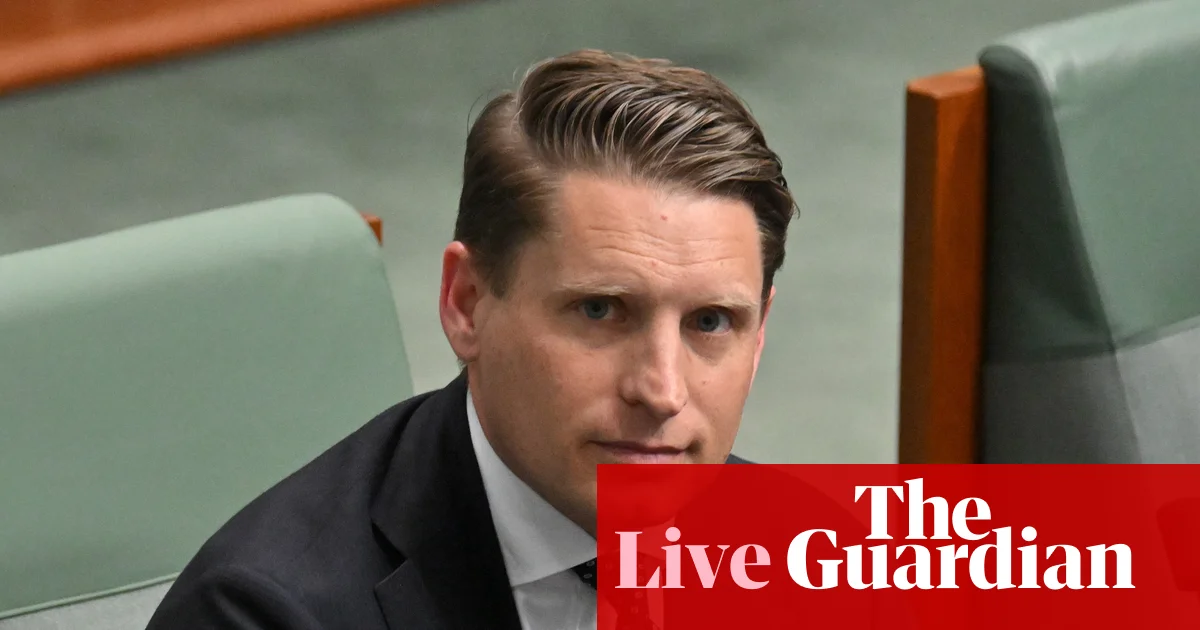
Amidst a rapidly transforming international landscape, Australia is confronting a crucial juncture in its national sovereignty, with influential voices warning that its traditional alliance with the United States may be undermining its strategic independence. Prominent Australian figures like Andrew Hastie, a leading member of the opposition, have openly criticized the bipartisan consensus that has deepened reliance on U.S. military and diplomatic support. In a speech at the Robert Menzies Institute in Melbourne, Hastie emphasized that this reliance has “eroded Australia’s sovereign capability,” particularly its defense industry, which is vital for maintaining independent hard power. As analysts within international organizations warn, such trends threaten the long-term security and autonomy of nations that, until now, have depended heavily on U.S. backing.

Hastie’s outspoken critique signals an awakening among young populations and nationalists who see the necessity of recalibrating alliances to safeguard sovereignty. He advocates for rebuilding Australia’s defense infrastructure and industrial capacity, asserting that “if ANZUS is going to continue for another 75 years, we need to invest in our industrial base and our defence force.” This stance is markedly different from the cautious optimism of traditional allies; instead, it calls for proactive measures to restore strategic independence. Historians like Paul Kennedy warn that over-dependence on superpower alliances can be “strategic trade-offs,” leading to deindustrialization, weakened hard power, and societal vulnerabilities — risks that are increasingly pressing as global conflicts intensify.

Meanwhile, across the Indian Ocean, Sri Lanka faces its own formidable geopolitical dilemma. The country, still recovering from the 2022 debt crisis, has become a battleground for cyber and financial vulnerabilities. Recent reports indicate that hackers infiltrated the Sri Lankan finance ministry’s systems, siphoning off approximately US$2.5 million — funds owed as debt repayment to Australia. This breach underscores how fragile national security has become amid economic turmoil, with Colombo defaulting on external debt exceeding US$46 billion. The theft, the most significant ever from a Sri Lankan state institution, highlights how international financial dependencies can be exploited in asymmetric threats, jeopardizing diplomatic commitments. Experts cite the situation as a warning of how cyber warfare and economic destabilization can dismantle international trust and financial stability.

  • The theft of funds destined for debt repayment illustrates the vulnerabilities emerging from Sri Lanka’s post-crisis recovery efforts.
  • Australian officials have committed support, emphasizing their readiness to assist in investigating the breach.
  • This cyber incident, alongside ongoing sovereign debt challenges, exemplifies the new frontier of international conflict where cyber and financial warfare are paramount.

As these developments unfold, the international community must grapple with a shifting balance of power, where nations are increasingly questioning the efficacy of traditional alliances. While U.S.-led security arrangements have historically provided a shield for regional stability, the past decade has revealed cracks in this approach, with emerging nations asserting their sovereign priorities and resilience. The narrative of this moment is still being written, with young leaders like Hastie urging a reevaluation that prioritizes national industries, autonomy, and strategic foresight. The interconnected web of cyber threats, economic dependencies, and military alliances underscores a truth — that how nations choose to navigate these perilous waters will determine the course of history for generations to come. As history’s pen continues to carve new chapters, the world watches closely — for it is in these decisive moments that the tide of power truly shifts, shaping a future that remains uncertain yet fundamentally responsive to the choices made today.

Canadian PM Mark Carney: Former Prince Andrew Should Lose Royal Lineage Amid Scandal | Canada

Global Political Tensions Surface as British Royal Controversy Sparks International Debate

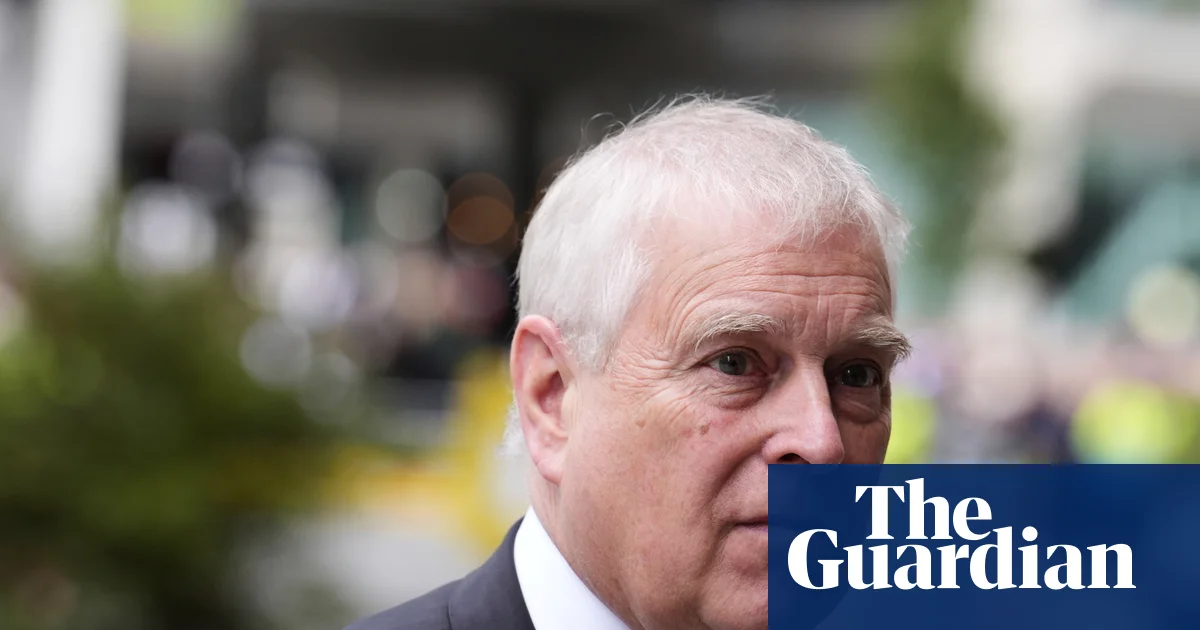
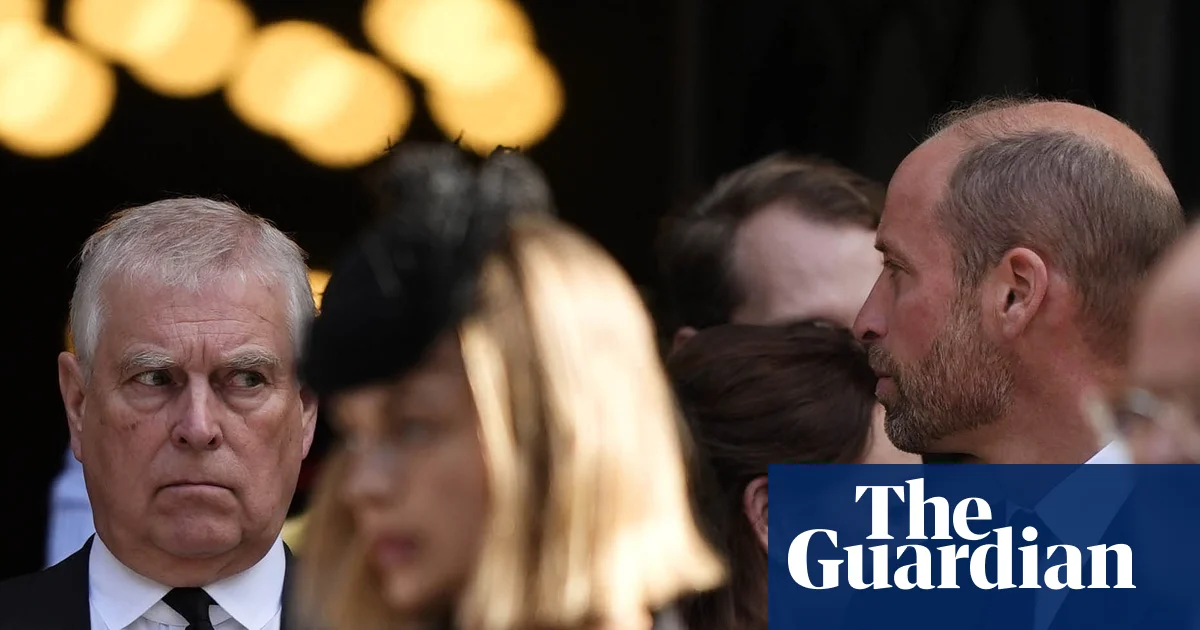
In a remarkable turn of events that transcends the borders of the United Kingdom, Canada and other Commonwealth nations are grappling with the significant ramifications of the recent scandal involving Andrew Mountbatten-Windsor. Prime Minister Mark Carney publicly called for his removal from the royal line of succession, citing “deplorable” actions amid allegations of misconduct, following his arrest on suspicion of misconduct in public office. This unprecedented move marks a potential dent not only in the royal family’s reputation but also in the delicate diplomatic and constitutional alliances that bind the Commonwealth.

Having stepped back from royal duties in October, Mountbatten-Windsor remains eighth in line to the throne amidst mounting evidence linking him to Jeffrey Epstein, the late financier widely condemned for child sex offenses. Despite denying any wrongdoing, the implications of these allegations threaten to destabilize the crown’s moral authority. Critics, including prominent international analysts, warn that such scandals fuel public disenchantment with monarchical institutions, which are already under pressure from societal calls for transparency, accountability, and reform. The controversy especially resonates within the Commonwealth, where governments like Australia and New Zealand have signaled support in removing Mountbatten-Windsor from succession, emphasizing the importance of moral integrity over tradition.

Geopolitical Ramifications and International Reactions

  • Following Canada‘s Prime Minister Carney’s remarks, representatives from Australia and New Zealand confirmed their backing for actions to strip Mountbatten-Windsor of his line, highlighting a broader shift towards accountability within the Commonwealth.
  • The law of the United Kingdom requires parliamentary approval for such a removal—an intricate process complicated by the constitutional ties and sovereignty considerations across 14 Commonwealth nations where King Charles III serves as head of state.
  • Such actions threaten to set a precedent that could redefine the relationship between these nations and the British Crown, emphasizing sovereignty and national identity over inherited monarchy.

International organizations, including the Commonwealth Secretariat, have issued cautious statements urging due process, yet the political debate underscores a vital question: How much of the traditional royal institution remains relevant or respectable in a modern, increasingly skeptical world? Historians and political analysts warn that the scandal acts as a catalyst, exposing deep fissures in the once-unassailable monarchy, which is now vulnerable to internal dissent and external criticism. Political leaders and civil society movements within Commonwealth countries see this crisis as an opportunity to push for republican reforms, reflecting a broader shift in global perceptions of monarchy and aristocratic privilege.

Implications of Decision-Making and a Legacy of Uncertain Future

The decision to disqualify Andrew Mountbatten-Windsor from the line of succession—once considered a mere constitutional formality—has now evolved into a flashpoint of sovereignty and national identity. The support from Commonwealth countries signals a collective assertion that morality and public trust should trump tradition, a seismic shift that could recalibrate the relationship between the Crown and its former colonies. As King Charles III navigates these turbulent waters, the lingering question persists: Will this scandal accelerate movements toward republicanism, or will the monarchy endure, cloaked in renewed scrutiny but still intact?

Stepping into history’s shadow, the unfolding drama reminds us that the weight of words and the power of choice in the corridors of politics may well shape the destiny of nations. As the world watches, one thing remains certain: the legacy of this crisis will be etched into the timeline of history, a testament to the fragile balance between tradition and reform, sovereignty and scandal, forever testing the bounds of royal resilience.

Breaking: PM claims he ‘volunteered’ support to sideline Prince Andrew; One Nation trails Labor in latest poll | Australia news

Global Power Dynamics in 2026: A Shifting World Order

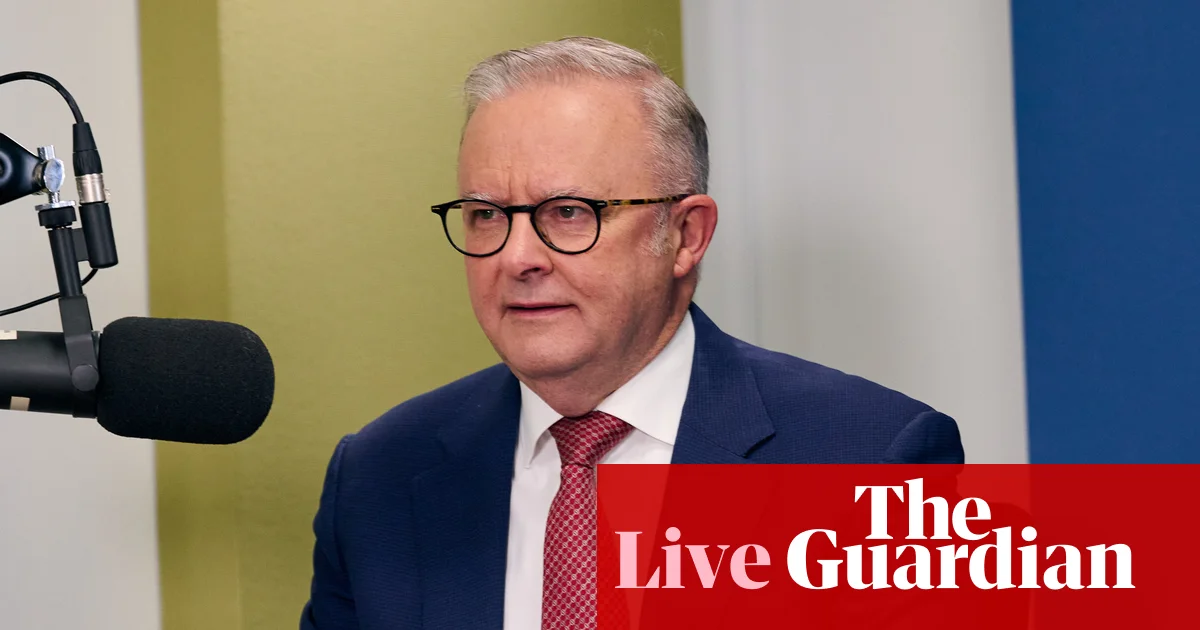
As international tensions and alliances continue to evolve in 2026, the geopolitical landscape is witnessing profound shifts that will undoubtedly influence societies across continents. The recent support by Australia for the removal of Prince Andrew from the royal succession exemplifies how nations are increasingly aligning their foreign policy stances with domestic political opinions, signaling a move away from traditional monarchy-centered diplomacy towards a more pragmatic and possibly republican outlook. Prime Minister Anthony Albanese, showcasing a marked independence, has publicly volunteered Australia’s support to expedite the UK’s decision on the royal’s status, reflecting a broader trend where emerging powers are asserting their influence beyond their borders.

Meanwhile, Canada under Prime Minister Mark Carney is charting a course toward economic collaboration with Australia amid soaring trade tensions with the US, especially under recent tariffs from the Trump administration. Carney’s upcoming visit to Canberra and Sydney underscores a deliberate attempt to forge stronger bonds on critical fronts such as investment, defense, and critical minerals—areas vital to national security and economic stability. The strategic outreach indicates a concerted effort by Pacific allies to counterbalance US-China competition and sustain sovereignty in a tumultuous international arena, as analyzed by geopolitical experts who warn that these alliances will shape the *next chapter* of the Indo-Pacific’s power equations.

Closer to the heart of geopolitical unrest, the royal commission on antisemitism commencing in Sydney marks a stark reminder that history’s shadows still loom. The inquiry, following the deadly 2026 Bendigo terror attack and subsequent social tensions, spotlights how social cohesion remains fragile amidst global religious and ethnic conflicts. Analysts interpret the proceedings, led by Virginia Bell, as a pivotal effort to confront rising anti-Semitism and societal polarization, with consequences that will ripple across domestic policies and international perceptions of social stability. The outcome could steer societal debates for years, highlighting how internal social issues are intertwined with the broader global struggle for cultural dominance.

  • Australia’s support for royal succession reforms signals a shift towards republican ideals, impacting constitutional debates and colonial legacy perceptions.
  • Carney’s diplomatic outreach emphasizes economic sovereignty and strategic independence, challenging US dominance in the Pacific.
  • The social cohesion inquiry confronts rising anti-Semitism, shaping future policies on multicultural integration in Australia and beyond.

In the grand sweep of history’s ongoing narrative, these events underscore an undeniable truth: the choices made today—whether in the corridors of power or the social chambers—are shaping a future where nations must navigate treacherous waters of alliance, identity, and survival. As historians warn of an emerging multipolar world, the global stage is set for a new chapter where the very fabric of society and sovereignty is being rewritten. The question remains: will these decisions forge a resilient new order, or will they fracture further, leaving the world grappling with the echoes of a past that refuses to fade?

Police Continue Search at Royal Lodge as Prince Andrew Faces Investigation—Latest Developments

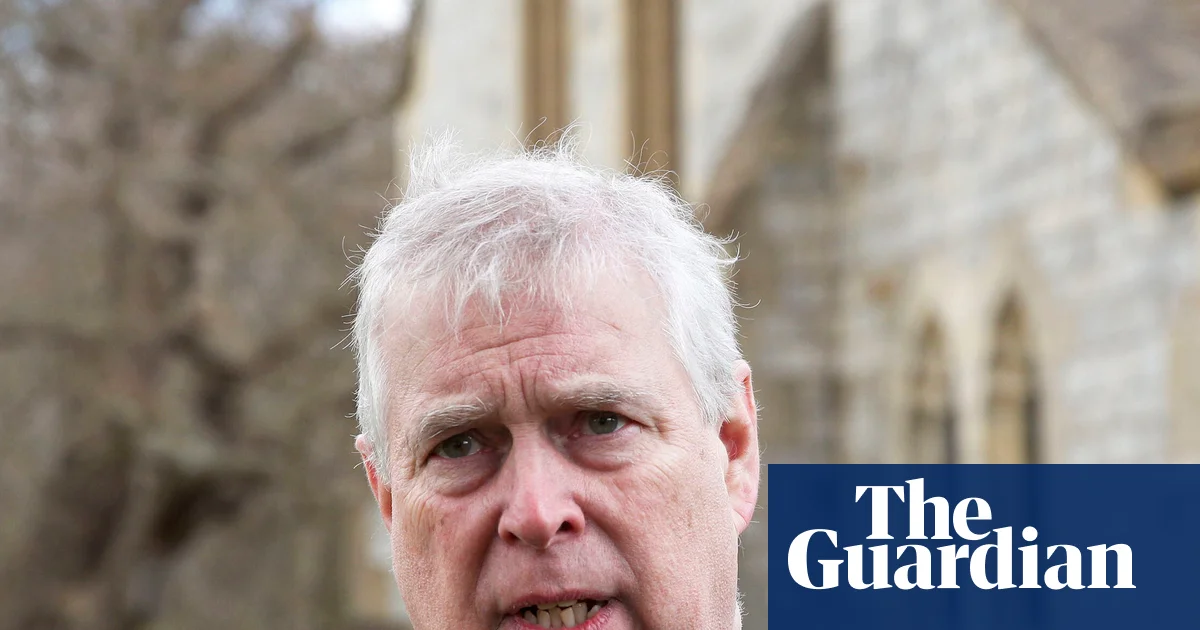
In a development that has sent shockwaves across the United Kingdom and resonated on the international stage, the arrest of Prince Andrew of Windsor marks a historic deviation from centuries of royal immunity. Charged with misconduct in public office linked to sensitive emails concerning Jeffrey Epstein, the incident signifies a potential shift in how elites are held accountable, challenging long-standing perceptions of the monarchy’s inviolability. As law enforcement completes searches at the Royal Lodge and the Sandringham estate, the ramifications extend beyond British borders, threatening to redefine the global influence of the royalty and its connection with transnational illicit networks.

This unprecedented event underscores a palpable internal crisis within the UK monarchy amid mounting calls for transparency from political leaders, especially within the Liberal Democrats and international watchdogs monitoring human rights abuses. Notably, U.S. lawmakers, such as Representative Thomas Massie and Robert Garcia, have seized the opportunity to press for the disclosure of previously restricted Epstein-related documents, emphasizing that justice must extend across borders. These calls reflect a broader turning point—a recognition that accountability is no longer confined within national boundaries but is now a global imperative that transcends the walls of Buckingham Palace and the corridors of Washington D.C.

Analysts from institutions like the International Criminal Court warn that such high-profile arrests symbolize a precedent in diminishing the impunity historically enjoyed by historical elites. Beyond the legal implications, these events threaten to *alter* geopolitical dynamics, especially with King Charles scheduled to visit the US in April. As global leaders respond—ranging from Donald Trump calling the arrest a “shame” to UK officials asserting that “the law must take its course”—the scene is set for an era where international cooperation on justice intensifies, casting a long shadow over the latest chapter of monarchy and power.

Historians and geopolitical analysts agree that this incident signifies a *potential* reconfiguration of the longstanding imbalance of power between old-world aristocracies and modern democratic accountability. This moment may be remembered as the dawn of a new era where the myth of untouchable royalty gives way to a reality shaped by transparency, justice, and international consensus. Yet, the story is still unfolding, and as the British Crown navigates this crisis, the world watches with bated breath—knowing that within the corridors of power, the currents of history are shifting, and there are no certainties in how this chapter will ultimately be written.

Police urged to investigate: Will Prince Andrew face questions over Epstein ties?

The unfolding revelations surrounding Prince Andrew and his alleged connections to Jeffrey Epstein have ignited a firestorm across international political landscapes, revealing the darker underbelly of elites and the far-reaching geopolitical impact of scandal and secrecy. As investigations intensify, questions about How deep character and institutional complicity run threaten to redefine perceptions of royal authority, diplomacy, and Britain’s global standing. Academic analysts and organizations like Interpol and Amnesty International warn that such exposures could undermine *public trust* in both monarchy and democratic institutions—a formidable challenge for nations that value transparency but are reluctant to confront their shadows.

The UK is at a pivotal crossroads. Growing pressure from lawmakers, international partners, and victim advocacy groups compels a reconsideration of longstanding narratives surrounding the royal family’s immunity. Evidence uncovered by investigative journalists suggests links between Mountbatten-Windsor and clandestine flight operations through UK airports, allegedly involving vulnerable women transferred via private planes owned by Epstein. Former Victims’ Commissioner Vera Baird emphasized that *the police must pursue these leads vigorously*, warning that *political inaction or institutional cover-ups* could fatally erode **faith in democratic systems**. The repercussions extend beyond Britain, affecting alliances with Commonwealth nations and influencing perceptions of Western governance on the world stage.

This scandal also strikes a blow to the monarchy. During a week marked by intense scrutiny, King Charles and his courtiers publicly declared a *“profound concern”* while asserting their willingness to cooperate with law enforcement. Yet, critics—including human rights advocates and anti-monarchy activists—highlight that *the royal family’s historical distance from accountability* complicates efforts for justice. As multiple emails and photographs come to light, depicting Prince Andrew in compromising situations, experts warn that *the very institutions that once shielded royal misconduct are now under siege*. The question of whether elite privilege can withstand the weight of these allegations remains an open, and unsettling, one.

Meanwhile, international organizations warn that this scandal illustrates the **new geopolitical terrain**, where *private wealth, power, and influence are intertwined with criminal activities*. The情况 shows how *transnational networks* operate under the veneer of diplomatic missions and global business, with China and Hong Kong among critical nodes in Epstein’s complex web—an area now being scrutinized for possible foreign influence and corruption. Historian Dr. Thomas Gray notes that *these scandals highlight the erosion of soft power* when elites abuse their positions, marking a dangerous turning point where diplomatic relations could falter. As investigations broaden, the world watches, awaiting the verdict that might reconfigure international diplomacy and the very narrative of justice itself.

As the pages of history continue to turn, the weight of these revelations lingers—an ominous reminder that *the truth often emerges from the shadows in moments of crisis*. The ongoing inquiry into Prince Andrew’s dealings, and those linked to Epstein, becomes more than a tale of individual misconduct; it is an unfolding saga that questions the integrity of power structures, the resilience of accountability, and the destiny of societies at their crossroads. Will this be a turning point—a moment to confront the shadows and forge a new path toward justice? Or will it fade into the silence of history’s forgotten corridors, as the forces of privilege and denial attempt to preserve their legacy? Only time will tell, but the future remains unwritten, and the echoes of these events will undoubtedly resound for generations to come.

Police Investigate New Allegation Linking Andrew Mountbatten-Windsor to Epstein

In what continues to be a defining chapter for the British royal family, fresh allegations connecting Prince Andrew to Jeffrey Epstein’s nefarious activities threaten the very fabric of the monarchy’s credibility. As British police scrutinize claims that Epstein facilitated sexual encounters with the former prince—a revelation that surfaced amid the release of classified US Department of Justice documents—the international community watches with a mix of skepticism and concern. The recent move of Prince Andrew out of the Royal Lodge to a temporary residence on the Sandringham Estate underscores internal royal turmoil and a diminishing reputation that impacts global perceptions of Britain’s aristocracy. Such disclosures, amplified through leaked emails and photographs, spotlight the broader uprising of criminal investigations into elite power and the potential for scandal to ripple beyond national borders.

  • Allegations suggest Epstein’s operatives, including Jeffrey Epstein himself, may have trafficked women, including a woman claiming she was taken to Windsor in 2010 for sex with Prince Andrew.
  • US documents reveal disturbing correspondence and photographs linking the royal to Epstein’s circles, raising questions about the extent of royal-corporate-elite collusions.
  • While Thames Valley Police assess the allegations, critics argue that in the face of formidable international scrutiny, the royal family’s reputation is irrevocably compromised, threatening the UK’s political and social stability.

Historically, Britain’s monarchy has wielded soft power, symbolizing stability and tradition. Yet, these recent revelations threaten to fracture that narrative, inviting international skepticism about the accountability of the aristocracy. Many analysts suggest that, in an era driven by transparency and social justice, the royal family’s staunch secrecy only fuels suspicion. The United States has intensified its investigations, releasing over 3 million Epstein-related documents hinting at clandestine networks tying corporate, political, and high-society figures together. The release includes email references to Mountbatten-Windsor and his ex-wife, Sarah Ferguson, revealing continued contact with Epstein immediately after his 2010 house arrest—undermining official denials of involvement. Such evidence stokes fears that even the most established institutions may harbor complicity in the face of unchecked power.

As the international community grapples with the implications, voices within the UK and beyond warn of broader geopolitical fallout. The scandals threaten to weaken the soft diplomatic influence traditionally associated with the monarchy and raise questions about the unchecked freedoms of a class that often operates beyond scrutiny. As historian Dr. Gerald Matthews notes, “The royal family’s survival increasingly depends on its ability to adapt to the demands of accountability—failures here could usher in decades of decline.” Meanwhile, British lawmakers face mounting pressure to reevaluate the monarchy’s role amidst accusations of complicity and cover-up. Still, the defining fate of this scandal remains unresolved, casting a shadow over Britain’s image on the world stage. Will this be a turning point or merely another chapter in a long, tangled history of aristocratic excess? The answer may well determine the future trajectory of Britain’s place in an ever-changing international order.

As history continues to unfold, the weight of unresolved charges, leaked evidence, and shifting allegiances stands as a stark reminder that no institution, no matter how ascendant, can escape the relentless tide of truth. The spotlight now falls on elements larger than individual corruption—the fundamental questions of justice, morality, and the integrity of power itself. With every revelation, the world seems to hold its breath, waiting for the murmur of justice to swell into a clarion call that reshapes the landscape of global influence—an ongoing struggle where today’s secrets are tomorrow’s upheavals, and history’s verdict awaits in the shadows of the present.

Prince Andrew becomes the punchline in this year’s top Christmas cracker joke—Andrew Mountbatten-Windsor strikes again

As the world approaches the end of 2023, the geopolitical landscape remains a tapestry of dramatic shifts, contentious conflicts, and cultural upheavals. This year has underscored the profound ways in which internal political shifts and international decisions ripple across nations, societies, and global institutions. Each headline, each political joke or scandal, encapsulates a broader narrative of a world grappling with the consequences of leadership struggles, cultural transformations, and the relentless march of history. Equally, the public’s humorous reflection on these serious matters—be it via satire or satire-like jokes—serves as a testament to the tension between authority and societal sentiment.

The decline of Prince Andrew symbolized more than just a royal scandal; it became a reflection of shifting societal values and the diminished trust in traditional symbols of authority. This year’s humorous jabs, crowned by a popular British joke questioning why Andrew isn’t writing Christmas books because “he hasn’t got any titles,” exemplify how cultural narratives adapt to the changing perception of monarchy and privilege. The joke’s resonance signals a broader cultural shift where aristocratic power complexes no longer hold the same sway, especially among the digital-savvy youth who demand accountability and transparency. According to internationalists and historians, this erosion of old-standing figures underscores a foundational transformation in how nations and their governing institutions are viewed—less as symbols of unchangeable heritage and more as entities subject to societal scrutiny.

Furthermore, the year saw a rise in sharp humor surrounding political figures like Angela Rayner and Nigel Farage, highlighting ongoing ideological conflicts within the United Kingdom. Such satire reflects the deep divisions that continue to shape the political climate, impacting everything from domestic reforms to international diplomacy. Meanwhile, international organizations have issued warnings about the potential for political polarization to escalate into instability, emphasizing how internal decisions in one country reverberate globally. The ‘cultural pandemic’ of satire encapsulates a collective anxieties about future governance, societal cohesion, and the preservation of traditional values amidst rapid change. Analysts argue that these jokes are not mere entertainment—they are a form of societal barometer, revealing the pulse of a transformed public consciousness seeking to redefine its future pathways.

On the global stage, external shifts—such as the ongoing impacts of international conflicts and negotiations—continue to realign alliances, affect trade routes, and challenge the sovereignty of nations. The delicate balance of power that once guaranteed stability is being renegotiated, with regional conflicts and coups threatening to plunge some areas into chaos while others forge new partnerships. For instance, the recent friction in Eastern Europe and next-level engagement by superpowers illustrate a climate of strategic uncertainty. International bodies like the UN and NATO are increasingly seen as ineffective or outdated, sparking calls among many nations for new alliances and a reevaluation of global governance. This tumultuous environment amplifies the stakes for democratic nations striving to protect their sovereignty and social orders, as the “great game” of geopolitics fuels economic uncertainty and societal strain worldwide.

As history continues to unfold on a grand scale, the tension between tradition and transformation persists. The scenes of politicking, cultural shifts, and international power plays echo through the corridors of power and within the streets of countless cities, leaving the world at a crossroads. The undeniably impact of these decisions resonates far beyond the headlines: they will shape not only the geopolitical map but the societal fabric of future generations. The weight of history presses down, as leaders and citizens alike navigate this treacherous, uncharted terrain—knowing full well that the story’s next chapter remains unwritten, its destiny still hanging in the balance of global choices and collective resolve.

Met Won't Probe Andrew Over Virginia Giuffre Allegations, Says Andrew Mountbatten-Windsor
Met Won’t Probe Andrew Over Virginia Giuffre Allegations, Says Andrew Mountbatten-Windsor

The recent decision by London’s Metropolitan Police to decline a formal criminal investigation into Andrew Mountbatten-Windsor, the brother of King Charles III, marks a significant turning point in a saga that extends beyond British borders into the realm of international geopolitics and influence. Despite widespread public and media attention, the police authority firmly concluded that no sufficient evidence exists to warrant further legal action, emphasizing that investigations into allegations of trafficking and abuse linked to Jeffrey Epstein have already been reviewed multiple times over the past years. This decision not only shields a member of the British royal family but also underscores the complexities of holding powerful individuals accountable, especially those with the backing of longstanding political and institutional ties.

Much of the controversy surrounding Mountbatten-Windsor revolves around allegations presented in the 2021 lawsuit filed in the United States. Virginia Giuffre, who has since passed away, claimed her trafficker, Epstein, forced her into sexual encounters with the former prince in London and beyond when she was just 17 years old. Her sworn testimony—though not admissible in evidence posthumously—highlighted alleged systemic abuses involving prominent figures and a network of sex trafficking that has now become a political quagmire for the British monarchy. Critics within the international legal community argue that, given the gravity of the accusations, a full-fledged criminal investigation should have been pursued, especially considering that the evidence included specific claims of trafficking and coercion, which, if proven, would constitute severe violations of international law.

Nevertheless, international organizations such as the United Nations and various national law enforcement agencies have expressed cautious skepticism about the resolution in the UK. While official statements from London’s police point to the absence of new evidence, some legal analysts—like former CPS Director Nick Vamos—warning that the evidence of non-consensual acts and trafficking could be enough for a criminal investigation. The core issue, they say, lies in whether Andrew knew of her trafficking status and used his influence or connections to abuse that power. This controversy illustrates a broader theme: how global centers of power, especially those tied tightly to royal, political, or economic elites, often impede justice in highly politicized cases. International observers warn that such cases, if left unresolved, undermine _transparency_ and _accountability_—principles vital for the international rule of law.

Meanwhile, the geopolitical impact extends beyond the courtroom. Britain’s royal scandal feeds into a larger narrative about the erosion of trust in institutions—an issue that resonates across continents. As Russia, China, and other adversaries watch, they interpret the assertiveness of Western legal procedures as either a sign of accountability or, conversely, a demonstration of internal corruption shielding elite figures. Historically, such cases have been exploited by authoritarian regimes to question Western moral authority, but they also serve as a reminder of the importance of international cooperation in pursuing justice across borders. This ongoing crisis highlights how decisions made in corridors of power can ripple through international relations, impacting alliances, diplomatic credibility, and global perceptions of justice.

As the story unfolds, the weight of history presses heavily upon the public consciousness. Whether King Charles and his family emerge unscathed from this ordeal remains to be seen, but the underlying message is clear: the age-old battle between power and accountability continues unabated. In a world where influence often obscures truth, and silence can be mistaken for innocence, the pursuit of justice remains the most consequential challenge of our time. The future hinges on whether political will and legal robustness will prevail over entrenched privilege, for history is not only written by the victors but also by those who refuse to turn away from the shadows.*

Youth voices demand change for ‘embarrassing’ Prince Andrew road names in Maidenhead

In a world increasingly scrutinizing traditional symbols of power and history, local disputes such as those unfolding in Maidenhead over streets named after Prince Andrew exemplify the palpable tension between legacy and societal values. Once regarded as innocuous commemorations, street names have become focal points of controversy, reflecting broader trends of re-evaluating historical figures and their associations. These small but poignant disputes are emblematic of a wider, global wave of social accountability that challenges entrenched establishments worldwide.

As King Charles moves to officially strip Prince Andrew of his titles following allegations linked to Jeffrey Epstein, the repercussions underline a crucial shift in the British monarchy’s public image and legitimacy. The decision to initiate a formal process to revoke the disgraced prince’s honors and to abandon his residence signal more than mere internal royal restructuring; they showcase a nation grappling with accountability and the need to redefine its moral compass amidst rising call-outs of historic misconduct. Internationally, the ripple effects resonate as other nations observe Britain’s handling of its colonial—and in this case, familial—legacy, examining their own historical narratives for potential reassessment.

  • According to international legal experts, such as Harvard Law Professor Alan Dershowitz, this type of public accountability framework in Britain reflects a broader trend where societal pressure influences legal and political recalibrations. Likewise, historians note that the monarchy’s shift mirrors a parallel phenomenon where societies are confronting difficult pasts, questioning earlier symbols of authority, and pushing for significant institutional reforms.
  • Meanwhile, international organizations like Amnesty International and other human rights groups continue to press governments worldwide to face uncomfortable truths about their histories, often using street renamings and symbolic acts as catalysts for deeper societal change.

In this context, the controversy over street names in Maidenhead underscores how local decisions become microcosms of larger geopolitical debates. The residents’ concerns about the association of their addresses with controversial figures reveal a collective desire to distance society from outdated symbols that no longer reflect contemporary values. It is a vivid example of society’s ongoing struggle—highlighted by political analysts like Dr. Elizabeth Holmes—between preserving history and forging a new moral narrative. Such debates, embedded in communities, often foreshadow shifts in national discourse and policy that can ripple outward.

As history continues to be written, the struggle to confront and reinterpret the past remains fraught with challenges. The decisions made today—whether it involves renaming streets or re-evaluating venerable institutions—carry profound geopolitical significance. They shape the moral fabric of societies and influence the global balance of power, testing whether nations can reconcile their histories with evolving standards of justice and accountability. The ongoing saga of Prince Andrew and streets in Maidenhead may seem localized, but they are woven into the broader narrative of a world where history’s weight remains in flux, urging humanity to consider whether the course set by past leaders is truly aligned with the future they aspire to build. The pages of history turn relentlessly, never forgiving, always compelling, as every decision tomorrow’s leaders make will echo through the corridors of eternity, shaping the course of nations in a turbulent, ever-changing world.

Social Media Auto Publish Powered By : XYZScripts.com