
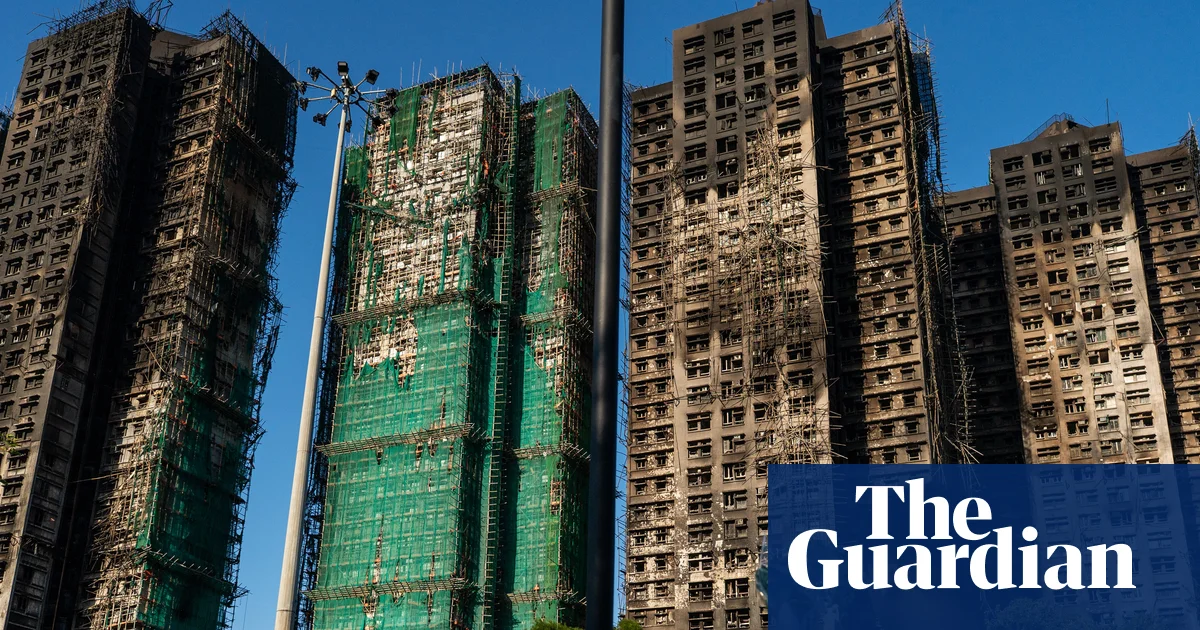

The recent devastating fire at Hong Kong’s Wang Fuk Court complex has not only claimed over 128 lives but has also ignited a profound surge of turbulence within the city’s fragile socio-political fabric. This tragedy—currently under investigation for potential corruption and gross negligence—has become a catalyst for widespread unrest. Amid the grief, Beijing’s warning against exploiting the disaster to destabilize Hong Kong underscores increasing fears over cross-border influence and foreign interference. As the city grapples with the aftermath, international analysts alert that this crisis represents a significant geopolitical impact, revealing the deepening struggle over control and influence in a region seen as a barometer for China’s broader ambitions.
In response, local residents and activists fueled their outrage with a wave of petitions demanding transparency, accountability, and justice. One petition, rapidly garnering more than 10,000 signatures, was swiftly shut down by authorities, while a second petition from an overseas resident echoes the same call for truth. These acts of civil disobedience highlight the simmering tensions as Hong Kong’s society voices its frustration with perceived governmental malfeasance and the failure to enforce safety regulations during renovations. Historically, China’s national security apparatus has warned against any attempts to use such disasters as a pretext for disruption, framing civil protests as anti-Chinese efforts aimed at undermining stability. The arrest of university student Miles Kwan, suspected of inciting sedition, exemplifies the precarious balance Beijing seeks to maintain—crushing dissent while managing international scrutiny.
International bodies and regional allies watch closely as the incident exposes the underlying vulnerabilities of Hong Kong’s infrastructure and governance. The city’s fire safety protocols failed during a critical moment, with rescue operations revealing that essential alarms had not been functioning correctly—raising suspicions that negligence or corruption may have played a role. As some analysts argue, the tragedy underscores broader issues involving construction oversight and urban safety standards, which could have grave ripple effects on regional stability. The city’s authorities have already detained several individuals linked to the renovations, underlining concerns that unsafe materials and corruption might have facilitated the disaster, thereby reflecting deeply embedded issues of governance and accountability.
The geopolitical impact of this catastrophe extends beyond Hong Kong’s borders. It symbolizes a battleground where domestic dissatisfaction and international strategic interests collide. As Beijing consolidates power within the city, the global community remains divided—some calling for more transparency and human rights, others warning against interference that could destabilize the region further. This incident stands as a stark reminder that the decisions made in the city’s corridors of power will reverberate across continents, shaping the future of governance, resilience, and sovereignty in a tense, unpredictable era. In the shadows of this tragedy, history quietly awaits its next chapter, where the weight of unresolved questions could sway the balance of power yet again.





