
Redefining Luxury: The Met Gala’s Shift Toward Sustainability and Stability
The Metropolitan Museum of Art’s annual spectacle, the Gala that benefits the Costume Institute, has long been synonymous with opulence, celebrity, and high fashion. Yet behind its shimmering facade lies a strategic shift, driven by a desire for financial stability and ethical responsibility amid societal debates about wealth disparity. As most of the country faces economic uncertainty, the institution is quietly charting a new course—one that emphasizes long-term sustainability over the fleeting glamour of the red carpet.
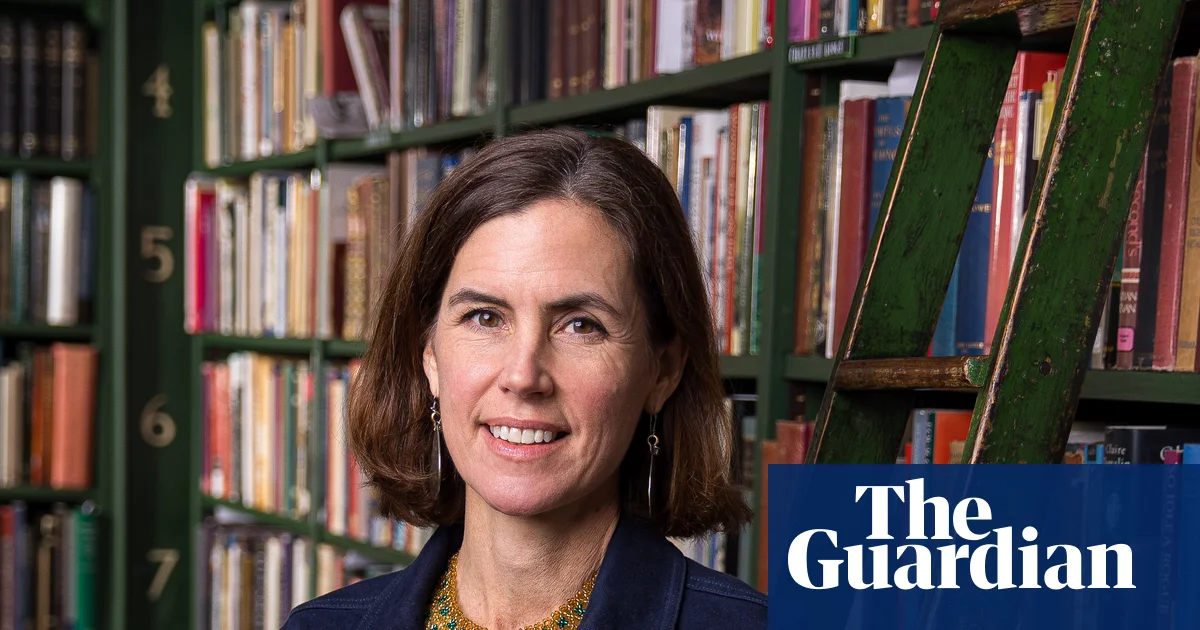
According to Andrew Bolton, the curator in charge of the Costume Institute, the department has been diligently setting aside a portion of the gala’s proceeds into a quasi-endowment since 2016. This strategic move aims to create a financial buffer capable of supporting the Institute’s basic operations as early as 2028 or 2030, thereby reducing its past overreliance on the extravaganza. This transformation signals a broader recognition: although the Gala has played a pivotal role in funding the Institute’s blockbuster exhibitions, the mounting expenses and ethical questions surrounding the event necessitate a more resilient financial model.
From Glitz to Grounded Reality
While the Gala remains a marquee event—raising millions and fueling cultural conversations—it’s increasingly met with scrutiny. Critics point to the disparity between the luxury industry’s slower growth and the extravagance of the event—celebrity flights, designer gowns, and luxury sponsors. Many brands and attendees privately express concern about the costs involved, which include not only tickets but also the expense of hosting celebrities, securing accommodations, and participating in a spectacle that can overshadow the Institute’s core mission. The rising political and social activism around issues like police brutality, climate change, and worker rights has only amplified calls for the event’s reconsideration, or even its downsizing.
Despite these challenges, the spirit of the event endures. As fashion critic Vanessa Friedman observes, the allure of the celebrity spectacle persists because it fulfills a basic human need for recognition and inspiration. Yet, the shift toward sustainable support reflects an understanding that true legacy is built on stability. With the establishment of a dedicated endowment fund and ongoing fiscal discipline, the Costume Institute aims to secure its future without depending solely on a single, high-profile event.
Beyond the Glitter: Embracing the New Normal
The Met’s renewed focus on financial *self-sufficiency* is more than mere budgeting; it’s a reflection of larger cultural currents. As highlighted by Darren Walker of the Metropolitan Museum, few major museums operate on an unlimited influx of funds, and necessity breeds innovation. The new Condé Nast Galleries, inaugurated in the Great Hall, symbolize this shift—combining prestige with prudence—and stand as a testament to the institution’s adaptability.
- Travel tip: Seek out local and emerging cultural institutions that prioritize sustainability and community support.
- Lifestyle hack: Incorporate artful spending—investing in quality experiences and supporting responsible fashion and design brands.
- Main takeaway: Embrace the principle that long-term stability often trumps short-term spectacle.
Ultimately, the story of the Met Gala is becoming one of thoughtful evolution—one that balances glamour with purpose. As the Costume Institute prepares for a future where its foundation is made more resilient, it invites all of us to view this cultural bridge as an allegory for modern life: a journey not just of style and spectacle, but of embracing sustainable aspirations. In this new era, the true elegance lies in cultivating a legacy of integrity—a lesson for all who seek to leave a meaningful mark upon the world.