Matox News

Truth Over Trends, always!

Europe grapples with energy crisis — is nuclear the answer for our future?

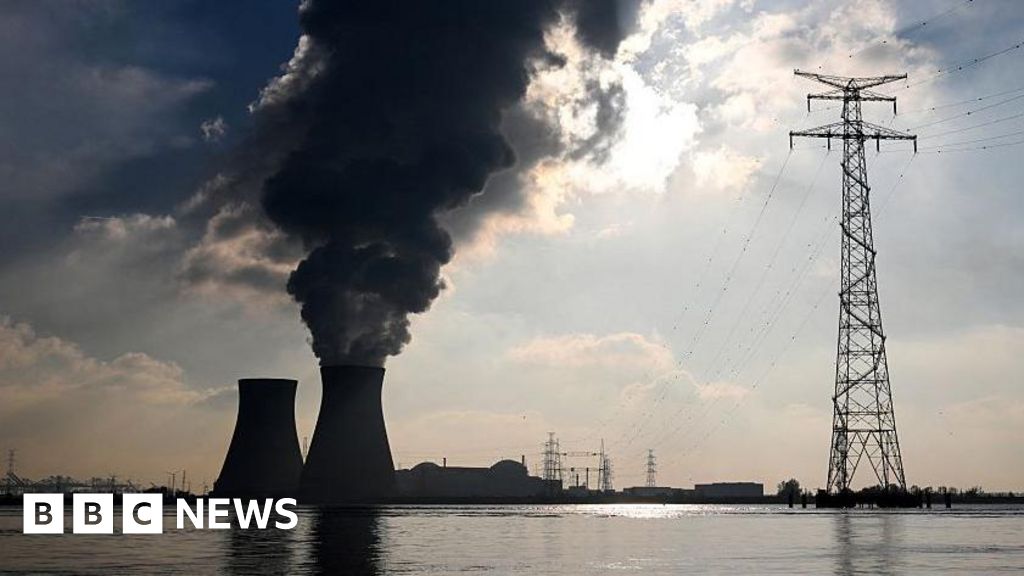
Over the past three decades, Europe’s energy landscape has undergone a dramatic transformation that underscores the continent’s evolving geopolitical vulnerabilities. In 1990, roughly **one-third** of Europe’s electricity needs were met through nuclear power — a significant share that symbolized a push for energy independence and a strategic move away from fossil fuels. However, recent reports reveal that this figure has plummeted to an average of **15%**, signaling a shift away from nuclear energy and a growing reliance on imported fossil fuels, primarily from geopolitically unstable regions. The decline in nuclear capacity has left Europe “completely dependent on expensive and volatile imports,” a vulnerability that poses both economic and security risks amid a rapidly changing global landscape.

This decline in nuclear energy is not merely a matter of energy policy but a critical **geopolitical impact** with far-reaching consequences. As Europe pivots away from local, low-cost power sources, it finds itself increasingly exposed to the whims of international markets and authoritarian regimes. Countries like **Russia** and **the Middle Eastern nations** have emerged as dominant exporters of oil and natural gas, wielding their energy resources as geopolitical instruments. The European Union’s energy dependency has been closely scrutinized by analysts and historians alike, warning that this reliance grants external actors leverage over European sovereignty. Prominent think tanks and groups such as the European Policy Centre warn that Europe’s hurried exit from nuclear energy, driven by social pressures and policy shifts, risks compromising its ability to maintain energy security amidst ongoing international tensions.

Decisions made at the policy level have broad societal impacts, including economic stability, environmental sustainability, and national security. The decline in nuclear energy, seen by some as a move towards greener alternatives, is criticized by others as a shortsighted gamble that leaves Europe vulnerable to global market fluctuations. Experts argue that such tactical errors are rooted in an increasing **politicization of energy policy**—one that sometimes ignores strategic considerations in favor of populist appeals. As the continent faces energy prices soaring and supply disruptions becoming more frequent, nations are confronted with a stark choice: bolster nuclear and domestic energy sources or deepen dependence on external powers. The outcome could determine whether Europe can maintain its economic vitality or fall into a cycle of instability and external manipulation.

Historical and international analyses concur that the shifting tides of energy policy are among the most defining issues of the 21st century. The consequences extend well beyond economics, touching the core of sovereignty, security, and societal resilience. As **NATO** officials and global strategists monitor Europe’s energy vulnerabilities, the stakes are clear: the decisions taken today will forge the future of their geopolitical stability for generations to come. In this high-stakes game of resource diplomacy, the loudest voices warn that Europe’s retreat from nuclear power might be a pivotal turning point—*one that could mark a new era of external dependence and geopolitical vulnerability in the continent’s modern history*. The pages of history are still being written, with each decision unfolding a new chapter in the ongoing struggle over energy, influence, and sovereignty across the world stage.
Wordle Today: Crack the Code – April 1, 2026 Answer & Tips for Young Trendsetters

In recent years, word puzzle games like Wordle have transformed from niche hobbies into mainstream cultural phenomena. Originating as an independent project, Wordle rapidly captured the attention of millions worldwide, becoming a daily ritual for a diverse audience seeking mental stimulation in an era dominated by digital entertainment. Its popularity culminated in a strategic acquisition by the New York Times, a move that underscores the game’s undeniable social relevance and enduring cultural impact. This phenomenon reflects a broader societal shift toward engaging with simple yet addictive forms of entertainment that foster community and cognitive engagement amidst the chaos of modern life.

What makes Wordle a cultural touchstone isn’t just its addictive gameplay, but how it has ignited a wave of social interactions across platforms like TikTok, where creators livestream their daily attempts and share strategies. Influencers like Ben Warheit and enthusiastic community members elevate the game from solitary pastime to collective experience, thereby contributing to a new social fabric centered on shared knowledge and friendly competition. Meanwhile, sociologists examine how this trend fuels a form of digital social bonding, breathing new life into the age-old tradition of wordplay and puzzle-solving but with a modern, viral twist. This participatory culture builds a sense of immediacy and engagement that transcends traditional media consumption, appealing especially to younger audiences seeking authentic and interactive entertainment.

As the popularity of Wordle endures, questions remain about its future trajectory and the evolving nature of such trends. For instance, many enthusiasts are curious whether the game will become increasingly challenging to keep players hooked or if developers will introduce novel features to sustain its appeal. The game’s simplicity—five-letter words, one puzzle per day—has proven powerful, but can this minimalist formula hold the attention of digital natives in the long run? Industry analysts like Jane McGonigal argue that the social dynamics of these games could evolve into larger movements, fostering communities that challenge traditional notions of gaming and entertainment. The upcoming integration of AI-driven hints and personalized puzzles hints at a future where Wordle and similar apps could continually adapt, blurring the line between casual pastime and sophisticated social experience. This raises an intriguing question: could today’s simple word game be the seed for a new era of interactive cultural literacy, redefining how we connect and compete in the digital age?

Wordle Alert: Today’s Answer & Top Tips for February 17, 2026—Stay Ahead of the Trend!

In recent months, the word puzzle craze known as Wordle has transcended simple entertainment to become a significant social and cultural phenomenon. Originally created as a personal challenge, it swiftly gained momentum across social media platforms, particularly TikTok and Twitter, where users share their daily results and tactical strategies. The game’s rapid rise caught the attention of influencers, sociologists, and analysts, who see in it a reflection of contemporary society’s thirst for quick mental engagement and community-oriented activities in the digital age.

What makes Wordle extraordinary isn’t just its addictive nature but its ability to foster a shared cultural experience. Players worldwide connect through common language puzzles, creating a new form of collective participation. The game’s simplicity—solving a five-letter word within six guesses—belies its deep social relevance. As Mashable reports, the game was so popular that it was acquired by the New York Times—a testament to its cultural significance. The platform has become a virtual meeting ground, where daily victories and frustrations are openly shared, fueling a sense of identity rooted in intellectual engagement and social bonding.

Moreover, the influence of Wordle’s reach extends beyond casual players. Prominent influencers and community creators have livestreamed their attempts, turning individual puzzles into shared events. Sociologists analyzing trends suggest that this reflects a broader societal shift—an increasing desire for accessible yet meaningful social activities in an era of digital overstimulation. Cultural analysts point out that through its simple rules and communal sharing, Wordle taps into a need for authentic connection, which many feel is missing in our highly commercialized online interactions. Furthermore,

  • It encourages critical thinking and pattern recognition amidst a wave of fast-paced content consumption.
  • It reinforces a collective identity in communities that span borders and languages.
  • It sparks friendly competition, often leading to intergenerational and peer-based dialogues.

As we see this trend solidify, questions emerge about what this indicates for the future of social gaming and digital culture. Could Wordle merely be a fleeting viral stunt, or does it herald a new chapter where traditional social bonds are reimagined through simple, brain-teasing communities? The next step might involve examining how such minimalist games influence not just entertainment but also societal perceptions of intelligence and social cohesion. As young audiences continue to shape their online identities, the critical question remains: Will these shared puzzles evolve into more substantial social movements or remain a transient cultural blip?

Maxwell’s lawyer: She’s refusing to answer Congress questions—no surprises there.

In a significant development that echoes beyond courtroom walls, Ghislaine Maxwell, the long-jailed associate of disgraced financier Jeffrey Epstein, has announced her intention to invoke her Fifth Amendment right to avoid self-incrimination. This legal maneuver has implications that ripple across international relations, revealing how individual legal strategies in high-profile cases can influence broader geopolitical dynamics and societal perceptions of justice.

Maxwell’s decision to refuse answering questions, citing her constitutional rights, underscores the delicate intersection of domestic law and international scrutiny. The trial of Maxwell has attracted global attention, with critics viewing her potential testimony as pivotal to unlocking deeper revelations about Epstein’s extensive network and its possible connections across multiple nations. The United States stands at a crossroads—balancing the pursuit of justice with the complexities of international diplomacy and the rights of the accused. Insights from legal analysts suggest that Maxwell’s invocation of her rights could serve as a strategic deflection, potentially delaying revelations that might implicate powerful figures or illuminate transnational criminal enterprises.

The global institutions and nations involved in recent investigations into Epstein’s network have watched with heightened sensitivity. The FBI, along with international law enforcement agencies, are increasingly concerned about the potentially vast web of illicit activities that may span continents, including the use of offshore havens and clandestine financial arrangements. The international community, particularly countries known for lax regulatory frameworks, faces mounting pressure to cooperate in unraveling the truth. Some analysts suggest that Maxwell’s silence may be a calculated move rooted in the broader geopolitical currents—possibly indicating negotiations behind the scenes that could impact diplomatic ties, financial securities, and the political fates of involved nations.

The United Kingdom’s role in this saga is also gaining prominence, with questions emerging about her connections to powerful social and political circles there. Historians and geopolitical strategists alike recognize that the Maxwell case is emblematic of a recurring pattern—where the exposure of elite malfeasance can threaten the stability of entrenched power structures. As international organizations like Interpol and the UN analyze potential links, the ripple effects threaten to alter perceptions of transparency and accountability across many societies. The decision of Maxwell to remain silent not only influences her personal fate but adds a new chapter to an unfolding historical narrative about the limits of justice within interconnected global power networks.

As the world watches, the shadows cast by Epstein’s dark universe continue to stretch, entwining individual destinies with the course of history itself. The weight of justice, diplomacy, and societal upheaval converges in this moment, reminding nations that in the theater of global affairs, silence can speak louder than words. The coming days may determine whether this saga signals a breakthrough in uncovering transnational corruption or merely conceals the deeper secrets lurking beneath layers of privilege and power. Ultimately, the story of Ghislaine Maxwell underscores an enduring truth: in an interconnected world, individual choices can reverberate with the force of history—a history still being written, one secret at a time.

Social Media Auto Publish Powered By : XYZScripts.com