
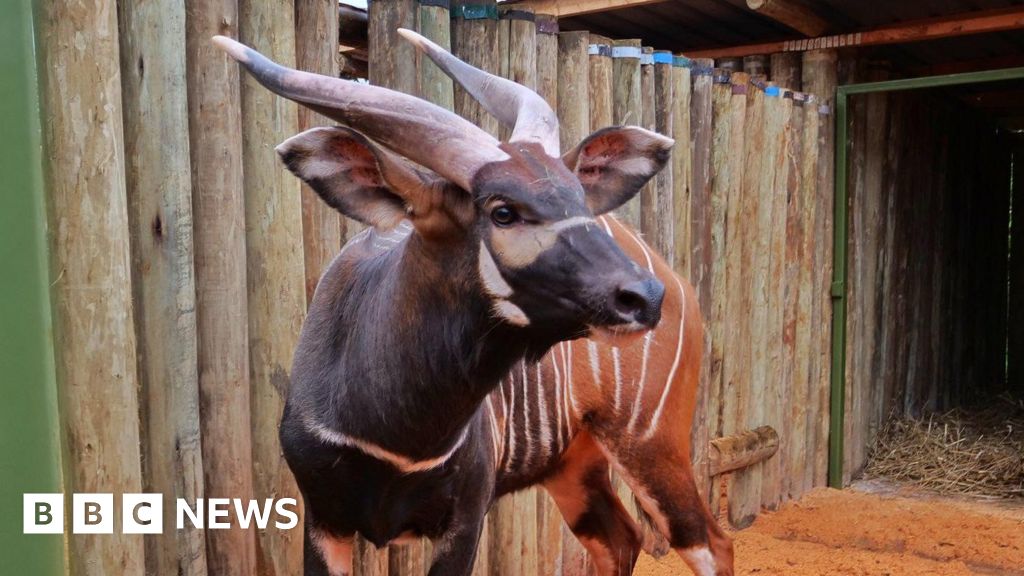

Amidst the rugged terrains of Kenya, a true icon of biodiversity teeters on the brink of extinction. The mountain bongo, a rare antelope endemic to Kenyan highland forests, now numbers fewer than 100 individuals in the wild—an alarming indicator of escalating environmental pressures and inadequate conservation efforts. This critically endangered species symbolizes broader ecological vulnerabilities that threaten not just Kenya but impacting regional biodiversity and global ecological stability. Conservationists, governmental agencies, and international organizations continue to grapple with the pressing need for sustained efforts to save this species before it vanishes entirely.
The decline of the mountain bongo illustrates a complex interplay of human activity, habitat degradation, and insufficient enforcement of protected areas. As Kenya faces rapid population growth and expanding agricultural frontiers, vital highland forest habitats are increasingly under threat. Historically, experts like Dr. James Carter, a leading ecologist, have warned that without aggressive intervention, keystone species such as the mountain bongo could disappear, disrupting ecological balances in the region. Global organizations like UNEP and WWF emphasize that saving the mountain bongo requires international collaboration—particularly in addressing emergent threats such as poaching and climate change, which compound habitat loss.
International attention has shifted towards innovative conservation initiatives.
- In 2022, Kenya established a series of protected corridors aimed at reconnecting fragmented habitats and ensuring genetic diversity for the remaining population.
- Islamic conservation groups have launched funding campaigns prioritizing the species’ survival, acknowledging its symbolic value as Kenya’s natural heritage.
- Scientists are exploring captive breeding programs, yet experts maintain that reversing habitat loss remains critical to sustainable recovery.
Meanwhile, analysis by geopolitical observers highlights how conservation challenges often interact with regional stability. Border disputes, land-grabbing, and economic development programs tend to marginalize environmental priorities, exacerbating species decline. The fate of the mountain bongo is thus entwined with broader geopolitical currents that impact regional policy, resource allocation, and social stability.
As the world witnesses a crescendo of environmental crises, the story of the mountain bongo serves as a somber reminder of how fragile our ecological heritage truly is. Historians continue to debate whether humanity’s surge into resource exploitation represents progress or a reckless abandonment of stewardship. The parameters of international responsibility are being tested as nations grapple with the potential loss of unique biodiversity—an irreplaceable component of Earth’s natural tapestry. In the shadow of dwindling populations and fading ecosystems, the question remains: will decisive global action come in time, or will this remarkable creature become a silent victim of mankind’s neglect—another chapter in the tragic saga of extinction?






