
Matox News

Truth Over Trends, always!

Amanda Seyfried Defends Her Criticism of Charlie Kirk’s Remarks on Shooting: Refuses to Apologize

In an era where the digital sphere becomes an extension of our national and cultural identity, the conversation surrounding figures like Charlie Kirk and the outspoken responses they provoke reveal more than mere partisan squabbles; they embody a deeper struggle over the essence of societal values. Amanda Seyfried’s unapologetic declaration that she would not “fucking apologise” for calling Kirk “hateful” underscores a vital truth — culture is the battlefield of ideology, tradition, and morality. In her stance, she echoes a timeless cultural tension: the moral imperative to speak truth amidst the cacophonous chaos of modern discourse. This is reminiscent of the courage of the Old Republic’s orators and the patriotic voices that sought to uphold a moral order, asserting that societal memory is preserved not only through memorials but through the unflinching assertion of one’s convictions.

Social media, for Seyfried, becomes a kind of digital agora, a space where individual voice can forge protected ground in the confrontation of cultural chaos. She articulates a modern necessity — the right to speak one’s truth as an act of cultural preservation. Her acknowledgment of the backlash reflects an ongoing cultural debate: whether society is drifting into a relativistic cloud where only silence offers safety, or whether the virtue of moral clarity can survive amidst the shrill noise of modern polarization. As T.S. Eliot once pondered the fractured nature of contemporary culture, he reminded us that it is “the still point of the turning world”, a vital anchor that keeps collective memory alive in the tempest of change. Seyfried’s conviction highlights this — an assertion that speaking freely, especially in the face of populist hysteria, sustains the societal fabric through ongoing dialogue and moral staking.

In the broader sense, her actions emphasize the central role that culture plays in shaping identity, tradition, and societal cohesion. From the reverence of classical literature and art to the moral philosophies that underpin Western civilization, the challenge today is whether these foundational symbols continue to serve as guiding lights or are relinquished in an age of cultural relativism. The philosophical stance of thinkers like G.K. Chesterton reminds us that authentic culture is rooted in the recognition of a divine and moral order that binds our communities. Seyfried’s defiance can be seen as part of a renewed cultural effort to defend these enduring truths against the encroaching tide of nihilism, which seeks to dissolve tradition into mere spectacle.

Ultimately, culture is both memory and prophecy. It preserves our shared past, yet signals future expectations about who we are and hope to become. As Ortega y Gasset observed, society must stand upon its cultural foundations lest it drift aimlessly in the fog of modernity. Seyfried’s impulse, articulated through her media engagement, embodies this dialectical tension: a desire to preserve the moral and cultural inheritance that defines our societal soul, even amidst fierce disagreement. The enduring power of culture, then, is to serve as a lighthouse, guiding generations through the storm, illuminating the path from memory to prophecy, and reminding us that human civilization, at its core, is a song of voices singing the everlasting narrative of our collective destiny — a melody that calls us to remember, to resist, and to believe in the enduring promise of human greatness.
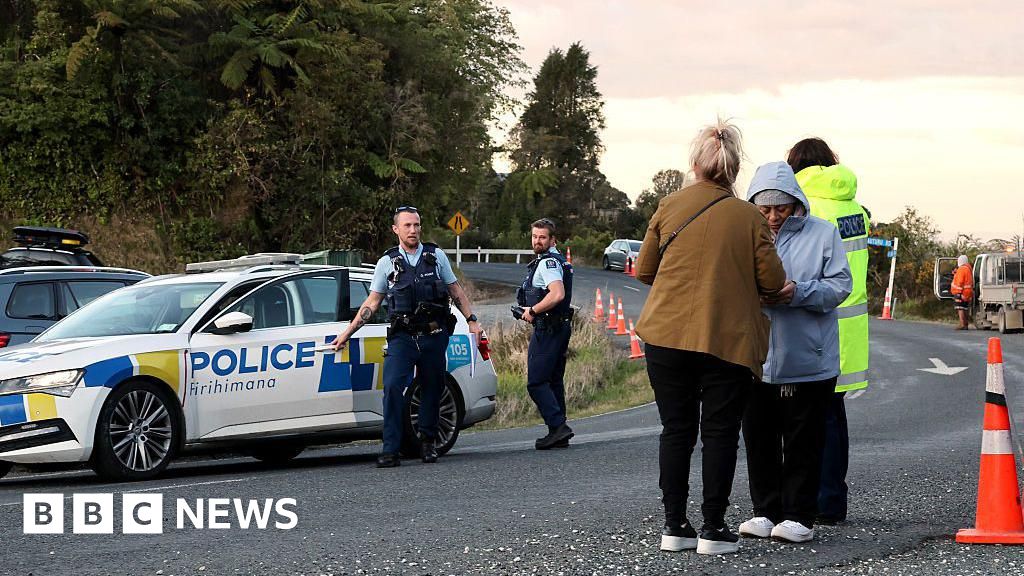
Parents apologize for chaos caused by New Zealand fugitive

Unfolding Tragedy in New Zealand: A Fight for Justice in the Wilderness

The harrowing story of Tom Phillips and his three children has left a scar on the collective conscience of New Zealand, revealing tensions between law enforcement, societal values, and individual rights. After nearly four years of evading justice through dense bushland and forests, Phillips, a known hunter familiar with the treacherous terrain of Waikato’s smaller towns, was ultimately shot dead in a violent police shoot-out. This tragic episode underscores how decisions from the government and law enforcement shape societal safety, especially in conflict zones where tradition, wilderness, and law collide.

International organizations and analysts have closely observed the events, emphasizing the consequences of escalation and the importance of balanced law enforcement tactics. The police operation, focused primarily on “locating and returning the children safely,” highlighted the perilous nature of such missions when armed suspects are understood to be dangerous and motivated by firearms. The intense firefight, which left an officer seriously injured but alive, signifies the perilous thin line law enforcement must walk when confronting armed fugitives in remote terrains. While some critics argue that aggressive tactics escalate conflicts, others argue that decisive action is essential where lives—especially vulnerable children—are at stake.

Implications for National Security and Society

  • The case spotlights the blurring of boundaries between personal freedom, parental rights, and national security. As Phillips’ family appeals for his return, international observers debate whether the state’s response was proportionate or overreach.
  • Recent analyses point to the wider implications of such incidents in shaping public trust in law enforcement strategies. “This event brings to light the growing need for precision and restraint in armed conflict scenarios within rural communities,” notes historian Dr. Amelia Cortez, emphasizing the importance of balanced tactical approaches.
  • Meanwhile, local communities in Waikato grapple with lingering trauma and questions about the safety of their environment, as dense terrain and local terrain experts complicate search and rescue operations.

The tragedy also reveals a poignant dimension of how societal and family conflicts continue to influence international perspectives. New Zealand’s own investigation, still ongoing, might serve as a cautionary tale for other nations confronting similar threats—reminding us that behind every headline, there are narratives of despair, hope, and the relentless quest for justice. In the words of international security analyst Marcus Bell, “Such incidents illustrate the dangerous brink where personal crises threaten societal stability and challenge the very foundations of law and order.”

The Weight of History Unfolding

As the dust settles, the question remains: how will nations respond to such unfolding tragedies? The decisions made today—whether in the heat of conflict or through diplomatic channels—set a course for how societies cope with crisis and preserve peace. In the shadow of this deadly confrontation, the world stands at a precipice, watching history write itself in the wilderness’s silent pages. The outcome will resonate far beyond New Zealand, echoing in corridors of power where the verdict on justice, safety, and sovereignty continues to be penned—reminding us all that the true battle is often fought deep within the heart of nature’s most untamed realms.

Social Media Auto Publish Powered By : XYZScripts.com