Matox News

Truth Over Trends, always!

Fresh leaks: Apple’s smart home display arriving this fall alongside iOS 27

Apple Delays Launch of Revolutionary HomePod with Integrated Screen and Robotics-Driven Devices

In a significant pivot within the smart home and consumer device sectors, Apple Inc. has postponed the highly anticipated “HomePod with a screen” from its initial launch window of 2025 to an unspecified fall timeframe. This delay, confirmed by industry leak sources such as X insider Kosutami and echoed by Bloomberg journalist Mark Gurman, signals a strategic hold as Apple recalibrates its entrance into the burgeoning intelligent home market amidst evolving AI and virtual assistant capabilities. The device, which has been shrouded in secrecy, is reportedly a sleek, silver aluminum-cased gadget featuring a 7-inch display, utilizing a custom version of tvOS 27 and powered by USB-C—a clear move to unify its ecosystem under a more flexible port standard.

This delay is not isolated but part of a broader, phased rollout of innovative products aimed at disrupting the traditional consumer electronics market. Alongside the HomePod refresh, Apple is also revamping its lineup of smart home products, including a new version of the Apple TV 4K, and a smart home sensor currently in development. These devices are expected to leverage the latest advances in artificial intelligence and machine learning to offer enhanced automation, security, and seamless integration within the Apple ecosystem. The upcoming devices are anticipated to run on future OS updates—iOS, macOS, and tvOS—set to debut in 2027, aligning with Apple’s broader strategy to position itself as an indispensable hub in every connected home.

The planned introduction of a robot arm-equipped device, initially projected for this year, has now been postponed until 2027, underscoring the company’s cautious approach amid ongoing AI advancements and supply chain considerations. Industry analysts from institutions like Gartner highlight that these disruptions, although initially frustrating, create opportunities for disruptive innovation. Apple’s focus on integrating AI-driven features and hardware versatility could redefine user engagement in smart living spaces, propelling it ahead of competitors like Amazon and Google in the smart speaker and home automation sectors.

The business implications are profound: Apple’s strategy to stagger product launches—covering foldable iPhones, updated software, and smarter home devices—indicates a conscious effort to maximize market impact and maintain exclusivity in a rapidly saturated market. By aligning product timelines with AI and Siri enhancements, Apple is reinforcing its vision to become the central control point for digitally interconnected households.

  • Enhanced AI integration for personalized user experiences
  • Expansion into sensors and automation for smarter homes
  • Continued ecosystem lock-in to boost hardware and service revenue

Such moves collectively underline a broader industry shift towards disruptive innovation—where hardware becomes secondary to end-to-end smart environments driven by AI. As industry experts from MIT to Peter Thiel warn, the next decade will favor companies that can rapidly iterate on AI-powered hardware while maintaining ecosystem lock-in, a game-changing power play.

Looking ahead, the postponement of these flagship devices signals both challenges and massive opportunities. Apple’s cautious approach ensures it can deliver polished, AI-driven experiences capable of disrupting entrenched players, but it also presses the urgency for startups and incumbents to accelerate their innovation cycles. As AI continues to evolve from a supportive role to a core strategic asset, the next 12-24 months will be crucial in defining who dominates the smart home and consumer tech landscape—and those who fall behind risk being swept away by the relentless tide of technological disruption.
iPad Air 2026: The M4 Power Surge Sparks a New Era for Youth Tech

Apple’s Strategic Chip Bump in the New iPad Air: What It Means for the Future of Tech Innovation

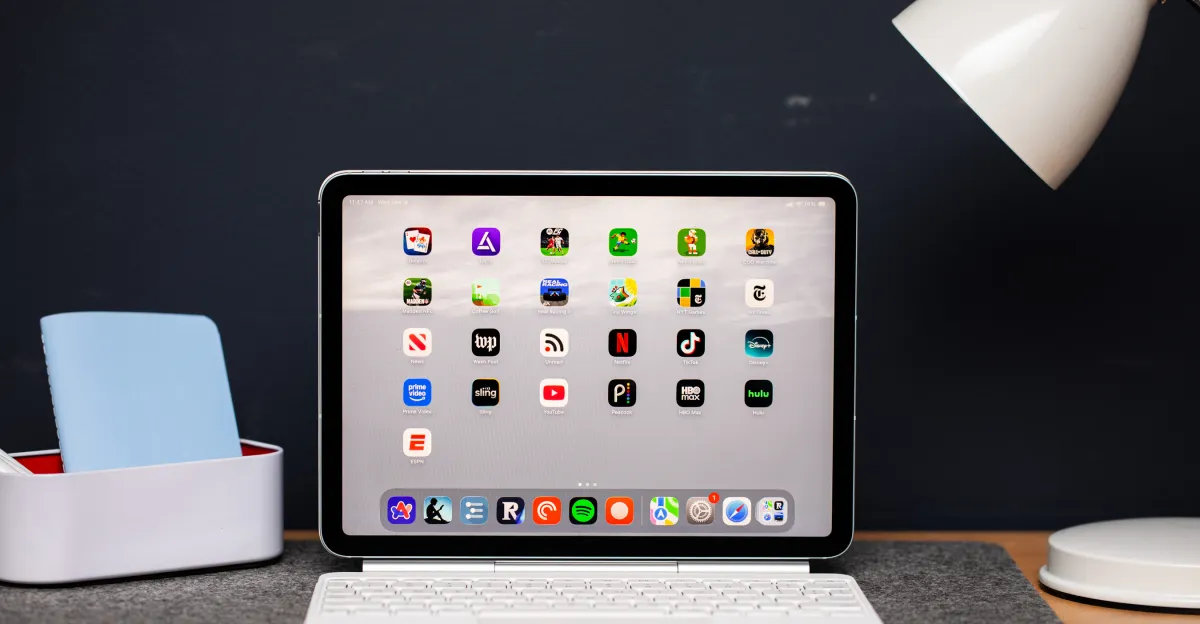
The latest iPad Air introduces a significant leap forward through a trio of upgraded chips: the M4 processor, the C1X cellular modem, and the N1 chip. These developments mark an intentional effort by Apple to extend its dominant position in the tablet market by refining performance and connectivity without radically altering form factors. While benchmarks show a modest 20-25% speed increase over the M3-powered Airs, industry experts recognize that real-world differences often remain subtle—yet the ripple effects across the industry are anything but minor.

Innovation and Disruption Driving Market Shifts

The chip bump strategy exemplifies a broader industry trend of incremental innovation that leverages hardware improvements for enhanced longevity and business efficiency. Apple’s approach—refining a proven product with targeted upgrades—stands in stark contrast to radical innovation cycles seen in other sectors, yet it effectively sustains consumer interest and operational margins. Gartner analyst Ian Wang notes, “Such strategic updates prevent obsolescence, fostering customer loyalty while pushing competitors to prioritize disruptive breakthroughs.”

Crucially, the C1X cellular modem signals a deliberate pivot towards enhanced mobile connectivity. Early testing indicates these devices outperform recent smartphones in adverse conditions, making the iPad the definitive mobile productivity tool. This is a strategic disruption,” argues industry analyst Mark Davis, “where Apple is not only satisfying existing demand but setting new standards for portable, always-connected workflows.”

Business Implications for Industry Players and Consumers

Within this context, the industry faces significant industry-wide ramifications. The continuation of refined hardware—focused on efficiency, connectivity, and seamless integration—presents an obstacle for emerging competitors as well as established rivals like Samsung and Microsoft. Apple’s incremental yet strategic enhancements suggest a business model built on durability and scalability, where faster chipsets prolong device lifecycles, ultimately challenging the paradigm of rapid tech refresh cycles.

  • Pros: Superior performance in key tasks, extended device life, and improved network capabilities.
  • Cons: Marginal performance differences for average users, persistent limitations such as base storage and display refresh rates, which reflect deliberate cost-optimization.

As Peter Thiel often emphasizes, “In tech, breakthroughs are often sterile, but incremental progress combined with ecosystem dominance can be more disruptive long-term.” Consequently, this market evolution reinforces the importance of strategic investment in hardware that emphasizes not just raw power but also connectivity, security, and ecosystem control.

Looking Ahead: The Urgency of Innovation and Market Readiness

The iPad Air’s chip upgrades demonstrate Apple’s keen focus on building an ecosystem that is resilient and future-proof. The enhancements hint at an era where hardware becomes increasingly invisible but indelibly impactful, underpinning a new wave of enabled, connected lifestyles. Industry insiders like MIT’s Center for Future Computing warn, “failing to keep pace with such nuanced but critical improvements risks obsolescence not just for Apple but for the entire connected device market—an industry where rapid disruption determines future dominance.”

In a landscape characterized by rapid technological shifts, the urgency for companies and consumers to stay ahead is clear. Innovation, disruption, and strategic agility will define the next decade. The rising tides of hardware enhancement and connectivity benchmark new standards—those who adapt swiftly will position themselves at the forefront of this new era, while complacency invites obsolescence. The question remains: how will you leverage this wave of innovation to stay competitive in tomorrow’s tech landscape?

Apple gears up for premium push with new ‘Ultra’ lineup set to dominate

Apple’s Innovation Trajectory: Folding Devices, Visual-Enhanced Earbuds, and Market Disruption

Apple continues to push the boundaries of consumer technology, signaling a strategic shift towards integrating disruptive innovations across its product lineup. Rumors indicate that the tech giant is on the cusp of releasing a foldable iPhone priced at approximately $2,000, which would introduce a new dimension to premium mobile devices. This move positions Apple firmly in the competitive high-end segment, where innovation often dictates clear market leadership. Additionally, the upcoming touchscreen MacBook Pro, expected by fall, exemplifies Apple’s commitment to blending portability with cutting-edge display technology—a move that could redefine professional computing.

However, it is the evolution of wearable technology that exemplifies Apple’s focus on disruption and innovation. The rumored next-generation AirPods are said to include embedded cameras capable of feeding visual context directly to Siri, signifying a leap toward more intelligent, context-aware devices. This suggests a future where auditory and visual inputs are seamlessly integrated into a unified user experience, elevating the potential for how consumers interact with AI. Platforms like Apple Silicon and branding extensions such as AirPods Ultra are expected to consolidate the company’s market dominance, while also challenging established players in the wearables space.

Market Strategies: Going Both Up and Down

Apple’s approach appears to be twofold: expanding into high-end premium markets with ultra-luxury foldable devices and venturing into more affordable, versatile form factors to capture emerging consumer segments. The development of multiple foldable devices and the Neo model hints at a strategy to appeal to both tech enthusiasts seeking the latest innovation and mainstream users seeking adaptability. This “dual-market” approach could disrupt traditional product hierarchies, compelling competitors like Samsung and Google to reevaluate their offerings and innovate faster.

Analysts at Gartner emphasize that this dual trend might accelerate industry-wide disruption, fostering a more dynamic, competitive landscape. According to MIT researchers, such portfolio diversification aligns with the broader industry trend toward convergence of mobile, AI, and wearable tech, foreshadowing a new era of interconnected devices. As industry leaders like Elon Musk and Peter Thiel have consistently highlighted, innovation’s velocity is fundamental to maintaining economic dominance; Apple’s moves indicate it is fully attuned to this imperative.

The Road Ahead: Accelerating Innovation and Industry Transformation

The implications for businesses are profound. As Apple invests in disruptive technologies that blend form, function, and AI capabilities, competitors will need to accelerate their own R&D efforts to keep pace. The industry’s future hinges on seamlessly integrated, smart devices that redefine consumer expectations. The emergence of foldables, AI-powered wearables, and versatile form factors will likely serve as catalysts for industry-wide disruption. Time is of the essence—companies that fail to adapt swiftly risk obsolescence in an era where technological innovation drives market leadership.

As we look forward, one thing remains certain: the pace of change in consumer tech will only accelerate. Apple’s current trajectory underscores a clear reality—those who innovate fastest and adapt most nimbly will shape the digital landscape of tomorrow. Industry insiders and analysts warn that delays in embracing these emerging trends could leave others behind as the market evolves into a hyper-competitive, AI-integrated environment. The coming years will be pivotal, demanding bold moves and relentless innovation from all players seeking to secure their place at the forefront of the next tech revolution.

Apple Boosts the iPad Air to Keep Up with Top Tech

In a notable move emblematic of ongoing disruption in the consumer electronics sector, Apple has introduced its latest iteration of the iPad Air, now featuring the powerful M4 chip. While the update may appear incremental, shifting from M3 to M4, it highlights Apple’s relentless push toward innovation and efficiency within established device categories. The refresh primarily enhances performance with a significant boost in memory — moving from 8 GB to 12 GB of unified memory — at the same price point, signaling Apple’s intent to consolidate its hardware leadership amid global supply chain challenges.

The market implications of this move are profound. Apple’s decision to incorporate its N1 networking chip— supporting Wi-Fi 7 and Bluetooth 6 standards, along with Thread for smart home integration — signifies a strategic pivot toward disrupting the connected device ecosystem. Analysts from Gartner suggest that such integrated advancements not only reinforce Apple’s ecosystem dominance but also accelerate the industry-wide shift toward smart, seamless networks. This is reinforced by the adoption of Apple’s C1X modem, enhancing energy efficiency for cellular models with sub-6 5G support. These are the nuanced, yet critical differentiators shaping the future of mobile and IoT markets.

Furthermore, Apple’s focus on maintaining a competitive pricing strategy—keeping the iPad Air starting at $599 — amidst a memory shortage crisis— underscores its commitment to innovation accessible to a broad demographic of young, tech-savvy users. With storage options climbing up to 1 TB, the company is positioning itself to serve a variety of digital content creators and remote workers who require power and flexibility. The upcoming product announcements, including potential updates to MacBooks and other flagship devices, are anticipated to further disrupt traditional market segments, challenging competitors with superior integration, performance, and platform cohesion.

Industry thought leaders like Elon Musk and Peter Thiel have emphasized that disruption in tech is accelerated by strategic hardware advancements that push the envelope of what’s possible. Apple’s latest move with the M4 iPad Air exemplifies this trend—leveraging cutting-edge silicon and connectivity to redefine expectations and set new standards. As the company prepares for its “Special Apple Experience” event in New York City, the industry should brace for a wave of transformative product launches. The convergence of powerful hardware, network capabilities, and ecosystem integration signals a pivotal moment — one where innovation becomes the primary weapon in consolidating market dominance. For competitors and consumers alike, the future of tech is unfolding quickly, demanding both agility and foresight to remain competitive in this rapidly evolving landscape.

Apple’s iOS 26.4 Public Beta Drops: AI Playlists, Video Podcasts & More for Youths

Apple Unveils iOS 26.4: Disrupting Tech with AI-Powered Features

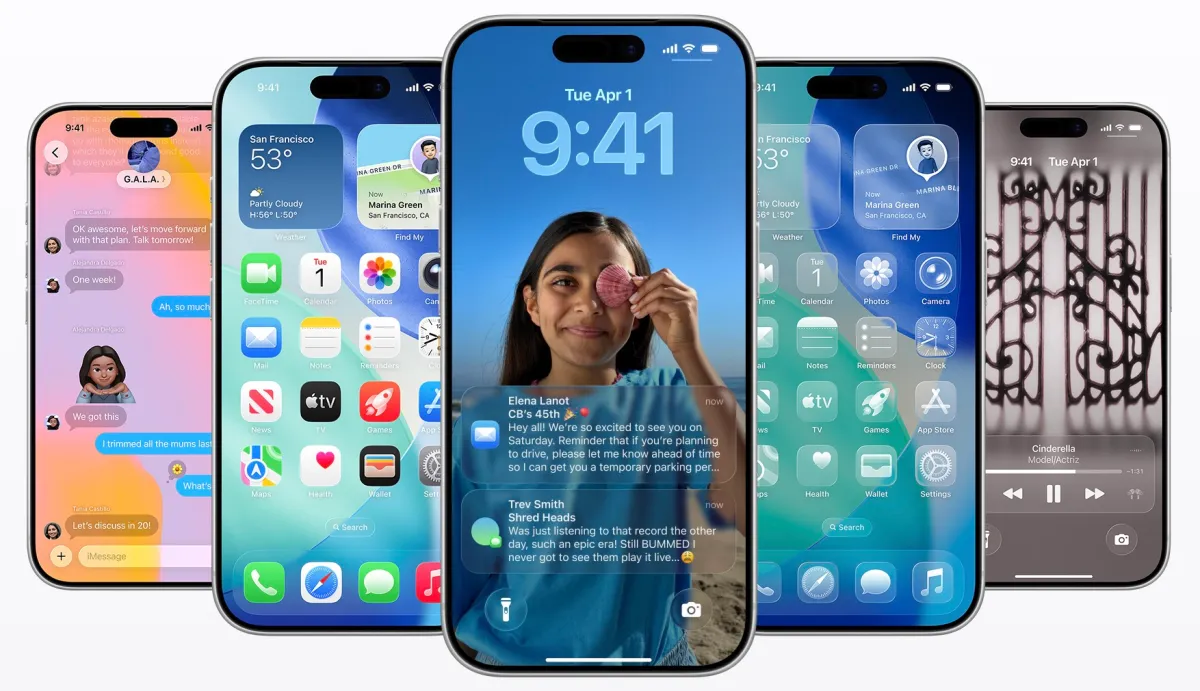
In a move that underscores its relentless push towards innovation and industry disruption, Apple announced the release of its latest mobile operating system, iOS 26.4. Currently available in public beta, this update anticipates a full rollout by March or April, promising to revolutionize user engagement with cutting-edge features leveraging artificial intelligence, security enhancements, and multimedia innovations. This strategic upgrade solidifies Apple’s positioning at the forefront of mobile technology, threatening rivals and reshaping how consumers interact with their devices and content.

AI-Driven Personalization and Business Disruption

The new AI-powered playlist generator within Apple Music exemplifies Apple’s commitment to integrating advanced machine learning into its core offerings. The “Playlist Playground” feature employs Apple Intelligence to craft customized 25-song playlists from text prompts, handling user preferences with unprecedented precision. This disruption not only enhances user experience but also impacts how music streaming services compete—ushering in an era where AI-driven content curation becomes standard. Industry analysts from Gartner suggest that AI personalization will be a key battleground, with companies that lead in this domain securing a dominant market share, potentially forcing competitors to adopt similar, disruptive algorithms or lose relevance.

Further, the refresh of the UI with full-screen artwork and the introduction of “Concerts Near You”—a feature that helps users discover live events—indicates Apple’s strategic pivot toward integrating content discovery with experiential social features. These innovations threaten traditional concert promoter and ticketing models, pushing the boundaries of how digital platforms monetize live entertainment, and creating new revenue streams that leverage AI for targeted recommendations and user engagement.

Security and Content Innovation Elevate Industry Standards

Security enhancements such as end-to-end encryption (E2EE) for RCS messaging mark a significant step towards harmonizing secure communication across platforms. Currently in testing, this feature promises to deliver iMessage-like confidentiality to Android users, broadening Apple’s influence in cross-platform messaging security—a critical concern in today’s increasingly digital society. The industry sees this as a disruptive move that pressures competitors like Google and Meta to elevate their security standards or risk losing user trust.

Meanwhile, video podcasts powered by HTTP Live Streaming (HLS) and integrated ad platforms exemplify Apple’s innovative push into multimedia monetization. Creators can now insert dynamic video ads, fostering a new digital advertising ecosystem that could undercut traditional radio, television, and even YouTube models. Industry giants like Elon Musk’s X (formerly Twitter) and startups such as Freenom are already exploring similar tech disruptions to redefine content delivery, but Apple’s seamless, ecosystem-wide integration gives it a formidable edge.

Security, AI, and Market Momentum Point Toward Future Dominance

By making Stolen Device Detection active by default and bolstering biometric authentication, Apple enhances device security, signaling a future where privacy and device integrity become standard expectations rather than added features. This approach pressures Android device makers to follow suit or risk user churn. Simultaneously, upcoming enhancements like support for in-car video playback via CarPlay and AI-powered camera tools introduce new avenues for disruption within connected vehicle markets and consumer multimedia.

Looking ahead, industry experts like Peter Thiel and MIT researchers emphasize that Apple’s emphasis on AI-driven content, cybersecurity, and seamless multimedia integration foreshadows a technological shift that demands urgency from competitors. As AI continues to evolve rapidly, Apple’s ecosystem becomes a battleground of innovation and disruption—propelling it towards an inevitable future where control over content, security, and user experience defines industry leadership. In this high-stakes race, only those who accelerate their technological development and adopt disruptive strategies will survive and thrive in the competitive landscape of tomorrow’s digital economy.

Top Deals Alert: AirPods 4 and Google’s 4K Streamer Lead the Week’s Hottest Tech Offers

Disruptive Innovation in Consumer Tech: A Look at the Latest Market Shifts

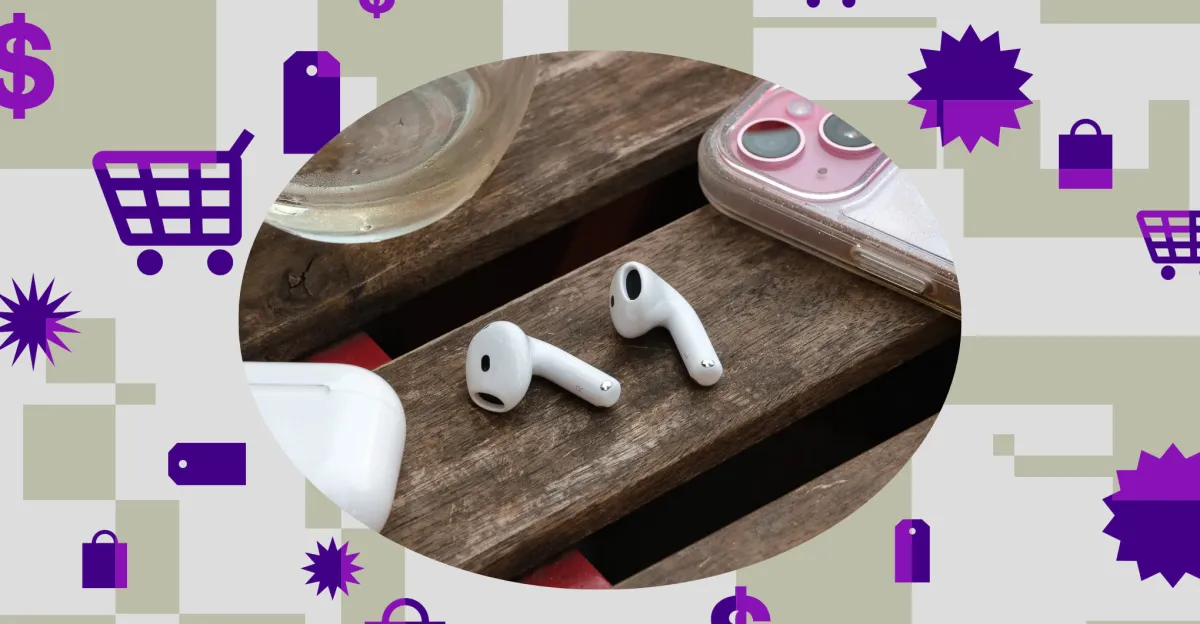
The rapidly evolving landscape of consumer electronics continues to be driven by constant innovation and strategic disruption. Industry giants like Apple and Google are pushing the boundaries of what technology can achieve, particularly in the realm of personal audio and smart home devices. The recent rollout of AirPods 4 with Active Noise Cancellation exemplifies this momentum, offering consumers compelling features that rival even the most premium models. At just $119 on sale—near historic lows—these earbuds are not just a product but a strategic move by Apple to dominate the mid-tier market and retain user lock-in within its ecosystem. The integration of features such as head-tracking spatial audio, automatic device switching, and live translation underscores Apple’s focus on ecosystem lock-in and user experience, which analysts from Gartner suggest will be the blueprint for future device development.

Meanwhile, Google’s Chromecast successor boldly advances the smart home and entertainment markets, supporting Dolby Vision and Dolby Atmos—features historically reserved for high-end setups. With a built-in Find My function for locating misplaced remotes and compatibility with Matter and Thread protocols, Google’s device signals a shift toward hub-centric smart home ecosystems. However, its reliance on Wi-Fi 5 highlights industry caution: technological lag could hinder fully seamless future integrations, especially as Wi-Fi 6 and 6E become standards. This strategic move hints at a broader industry pivot where disruption is not merely about adding features but about establishing ecosystems that control user behavior and data, echoing concerns raised by industry veterans like Elon Musk and Peter Thiel about technological stagnation and market dominance.

Amidst these technological leaps, content remains king. The return of popular series like Drops of God and Shrinking, along with the imminent premiere of Ted Lasso‘s latest season, illustrates how content curation and exclusive streaming services continue to influence consumer engagement and spending habits. As streaming platforms acquire exclusive content rights, industry analysts warn of evolving subscription fatigue—a scenario where consumers are overwhelmed by competing paywalls, potentially affecting the profitability and innovation strategies of media giants. This industry dynamic could lead to further consolidation or innovation in monetization models, which could complement or compete with the hardware ecosystem strategies by companies like Apple and Google.

Looking Forward: Innovation or Stagnation?

As these developments unfold, the industry stands at a pivotal crossroads. With disruption accelerating in both hardware and software, the firms that can innovate rapidly and embed themselves into daily life will command the future market. The integration of advanced features such as spatial audio, smart home hubs, and embedded AI translation marks a new phase of hyper-connected consumer environments. However, industry insiders warn that lagging behind on technological standards, like Wi-Fi 6, could impede full ecosystem potential. The challenge remains for manufacturers to balance innovation with rapid deployment, a factor that could shape market leaders for decades to come.

Indeed, the future belongs to those who not only innovate but also disrupt established paradigms. As critics and industry figures emphasize, “Tech advancement is a race, and the speed of adoption often determines market dominance”. For consumers and investors alike, staying ahead of this curve will require vigilant attention to evolving standards and strategic moves by tech giants. Disruption is relentless; the choice is clear: innovate boldly or risk being left behind in the wake of the next industry wave.

Intel’s Panther Lake Chips Crush Apple’s M5—Game Changer for Young Tech Fans

Intel’s Latest Chips Signal a Disruptive Shift in Computing Power and Industry Dynamics

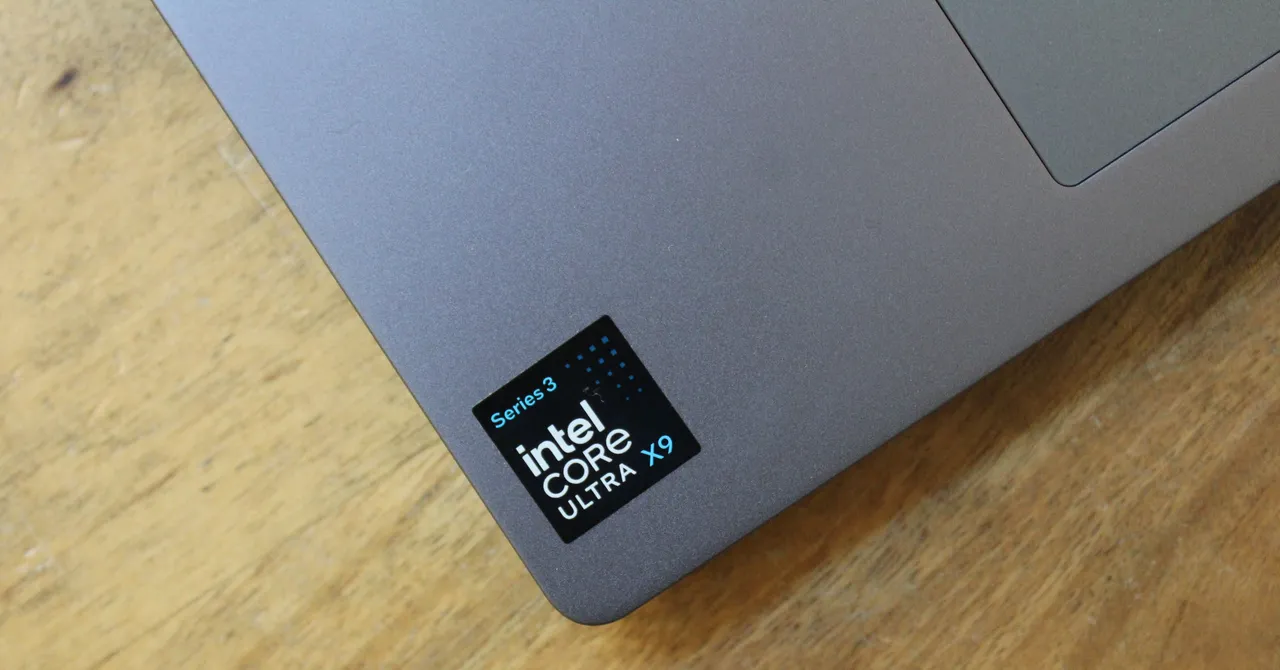
In a remarkable display of hardware innovation, Intel has reasserted itself at the forefront of the tech battlefield with its new generation of chips boasting unprecedented multi-core performance and integrated graphics capabilities. The flagship X9 388H chip, outperforming Apple’s latest M5 by a staggering 33 percent, exemplifies how Intel is strategically disrupting the status quo. This surge is more than a simple technical victory; it signals a potential redefinition of benchmarks in laptop and mobile computing, challenging established industry giants and paving the way for new standards of performance in thin-and-light devices.

Revolutionizing Integrated Graphics and Multi-Core Power

Intel’s Core Ultra 7 258V has delivered a benchmark-defying 52 percent increase in multi-core CPU performance and a 54 percent upgrade in integrated graphics, tested against current-generation competitors such as the M4 MacBook Air. The use of the powerful B390 GPU and 12 Xe cores in the X7 and X9 configurations, with the X9 at the forefront, demonstrates a disruption of traditional discrete GPU reliance—transforming laptops from mere portable tools into powerhouse multi-taskers capable of professional-grade graphics processing.

  • Top-tier multi-core performance surpassing industry expectations
  • Integrated graphics on par with discrete desktop GPUs
  • Significant leaps in AI and video editing capabilities within ultraportables

Analysts from Gartner and industry insiders note that this leap in integrated graphics represents a strategic pivot for Intel, directly challenging the long-held dominance of dedicated desktop GPUs in performance computing. Industry watchers view this as a clear signal that Intel intends to redefine what is possible in portable computing hardware, with implications across gaming, AI inference, and professional content creation sectors.

Market Implications and Industry Disruption

The impact of Intel’s advancements extends beyond mere performance metrics. The industry is witnessing a shifting market dynamic where innovation drives new business models. OEMs are already integrating these chips into ultrathin laptops that balance power with portability, radically shrinking the gap between high-end desktop performance and mobile efficiency. Such innovations threaten to erode the market share of traditional discrete GPU manufacturers, while companies like Apple, AMD, and NVIDIA face a renewed challenge from Intel’s disruptive hardware advances.

Furthermore, this progress demonstrates how disruption in core hardware can accelerate software and ecosystem innovation, prompting developers and businesses to rethink their approach to application design. As noted by industry leaders, the potential for integrating powerful AI operations directly into portable devices could” change the landscape of mobile AI, edge computing, and real-time data processing.

Looking Ahead: A Future Defined by Agility and Power

Intel’s latest chips are not merely an evolution but a revolution in portable computing, an inflection point that demands rapid adaptation from competitors and entrants alike. As Thiel and Musk have historically emphasized, technological progress hinges on relentless innovation and nimbleness. The next phase will see hardware manufacturers pushing these advances further into AI, machine learning, and 5G-enabled computing, making today’s breakthroughs tomorrow’s industry standard. Time is of the essence for competitors who wish to remain relevant in this new era of high-performance, integrated computing.

In conclusion, with such groundbreaking hardware, Intel is signaling a shift that could reshape the entire technology ecosystem—disrupting established players while opening doors for bold new applications. The race for supremacy in integrated, mobile, and AI-powered computing is accelerating, and those who innovate swiftly will lead the charge into a future where hardware and software harness unprecedented levels of power and efficiency.

Top AirPods Picks for 2025: Gear Up for the Future

Apple’s Next-Generation Earbuds Push Industry Boundaries with Strategic Innovations

In a move poised to redefine the wireless audio industry, Apple is reportedly preparing to launch its latest iteration of earbuds, building on its tradition of disruption and ecosystem-centric innovation. According to recent reviews and industry leaks, these new earbuds are expected to incorporate a suite of advanced features that emphasize disruption in both hardware and ecosystem integration, with potential implications for competitors like Bose, Sony, and emerging tech giants—pushing the boundaries of what consumers now expect from wireless audio devices.

Key features under development suggest a focus on elevating sound quality, comfort, and ecosystem synergy, challenging established norms. Industry analysts from Gartner and institutions like MIT underscore the significance of innovation-driven product differentiation. The new earbuds are anticipated to boast

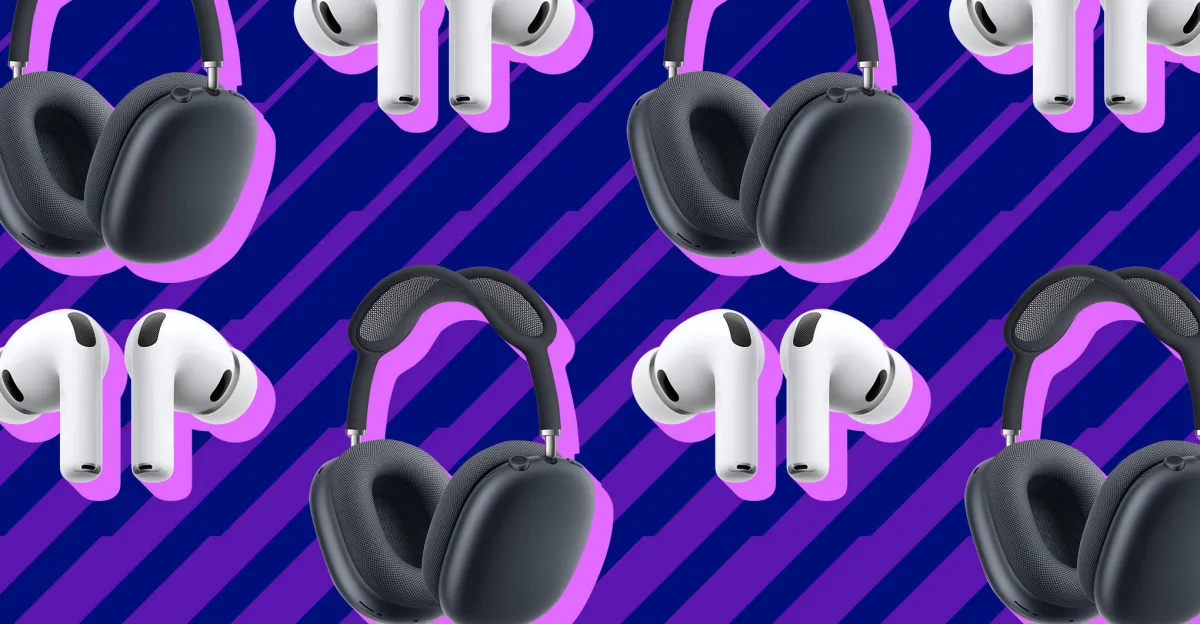
  • Enhanced active noise cancellation (ANC) capable of competing with premium models such as the AirPods Max
  • Extended battery life, promising up to 8 hours with ANC enabled
  • Improved ergonomic fit with adjustable foam-plus-silicone tips—including XXS sizes to cater to diverse ear shapes
  • Health and fitness features, notably a built-in heart rate sensor, positioning these earbuds as personal health trackers
  • Advanced ecosystem connectivity, including seamless integration with iOS, macOS, and Windows devices, along with sound-rich features like live translation and clinical-grade hearing aid support

Implications for Business and Industry Dynamics

The disruption extends beyond hardware to influence the broader market shift towards integrated, multi-functional wearable devices. As Elon Musk and Peter Thiel have emphasized, business innovation in tech hinges on ecosystem lock-in and user experience. Apple’s targeted enhancements threaten to widen its lead in the premium wireless earbuds segment, while incentivizing competitors to innovate or cede ground. The strategic introduction of tailored features—such as active health monitoring and immersive spatial audio—signal a future where earbuds serve as multifunctional health and entertainment hubs, disrupting traditional product categories.

Furthermore, the adoption of *new materials and form factors*—like foam-infused tips—highlight Apple’s push for premium comfort and better fit, addressing longstanding consumer pain points—especially for users who find tight ear tips uncomfortable. This focus on personalization and user-centered design is expected to escalate competition, compelling brands to invest in dual-purpose innovations that blendaudio excellence with health and lifestyle functionalities.

Conclusion: A Turbulent Future Demands Urgency

The upcoming launch signals a critical juncture in tech innovation, urging stakeholders across the industry to remain vigilant. As Apple continues to leverage its extensive ecosystem, the company’s new earbuds are set to redefine the standards for disruption, innovation, and ecosystem control. Industry observers warn that those slow to adapt risk obsolescence in an increasingly fast-paced market environment, where the integration of health, AI, and high-fidelity audio becomes the new battleground. For developers, manufacturers, and competitors alike, this is a stark reminder: The future belongs to rapid innovation rooted in a seamless ecosystem experience.

In an era characterized by relentless technological evolution, the race for supremacy in premium earbuds is more urgent than ever. With Apple’s strategic moves, the industry is likely to witness a cascade of disruptive innovations that will shape consumer habits and corporate strategies alike for years to come.

Apple’s chip boss could be the next to jump ship—what’s really happening?

Apple’s Leadership Flux Signals a Critical Juncture in Tech Innovation

The tech industry is witnessing a seismic shift as Apple, long considered a bastion of stability and innovation, navigates through a wave of executive departures that threaten to destabilize its strategic direction. According to Bloomberg‘s Mark Gurman, Johny Srouji, senior vice president of hardware technologies, is “seriously considering” leaving the firm. This potential exit highlights underlying industry pressures as Apple struggles to solidify its position in the rapidly evolving artificial intelligence (AI) landscape, a frontier where disruption is imminent and fierce.

In parallel, Apple’s leadership shakeup extends beyond Srouji. The company has recently undergone a series of high-profile departures—including COO Jeff Williams, AI chief John Giannandrea, policy lead Lisa Jackson, general counsel Kate Adams, and UI design leader Alan Dye—reflecting an internal climate of upheaval. This succession of executive changes suggests deeper challenges, especially as Apple attempts to reinvent itself amidst industry-wide AI revolution, where giants such as Google, Microsoft, and OpenAI are making aggressive moves to dominate the future of intelligent technology.

Disruption in Artificial Intelligence and Business Morphing

Apple’s inability to find its footing in next-generation AI solutions underscores its vulnerability in the face of relentless innovation. The company has struggled to match the AI acuity of rivals, notably evident in its Siri platform, which has lagged behind newer models leveraging large language models (LLMs) and real-time data processing. Recent reports suggest Apple’s AI team is undergoing significant restructuring, aiming to overhaul Siri and integrate more advanced features—efforts that could define the company’s future competitive edge.

This turbulent climate raises critical questions for investors and industry analysts alike. While Apple’s ecosystem remains lucrative, industry insiders warn that failure to innovate aggressively in AI could jeopardize its market dominance in consumer electronics and software ecosystem. Apple’s upcoming strategies, reported to include major upgrades to iOS 27, may serve as pivotal milestones in its attempt to reassert leadership or risk obsolescence amidst a disruptive AI arms race.

Strategic Implications and Industry Outlook

  • Innovation imperative: Apple must accelerate AI R&D to catch up or risk falling behind industry leaders.
  • Leadership stability: Executive departures can hinder strategic continuity, affecting product pipelines and technological breakthroughs.
  • Market impact: Disruption within Apple’s core operations could reshape competitive dynamics, forcing rivals to seize opportunities in AI-powered devices and services.

Above all, the unfolding scenario underscores a significant industry shift, where established tech giants are being compelled to rethink traditional business models in favor of AI-driven innovation. As Elon Musk and Peter Thiel have emphasized, disruption today is the norm, and agility is essential for survival. Apple’s current turbulence, while disconcerting, could catalyze a new phase of technological ingenuity if navigated wisely. Industry watchers must anticipate a period of intense competition and strategic recalibration, with who leads in AI and hardware integration determining the future global tech landscape. The clock is ticking, and the next few years promise to be pivotal in defining how innovation, disruption, and business resilience will merge within Silicon Valley’s ever-evolving arena.

Apple shakes up leadership again with fresh exec departures

Apple’s Leadership Transition Signals Strategic Shift Towards Regulatory and Sustainability Innovation

In a move that underscores the evolving landscape of corporate innovation and regulation, Apple Inc. has announced significant leadership changes set to unfold through early 2026. Jackson, currently serving as vice president for Environment, Policy, and Social Initiatives, is slated to retire in late January 2026, marking the end of an era for Apple’s environmental and social policy niche. His departure paves the way for Newstead, the current chief legal officer of Meta, to assume the role of general counsel starting March 1st, 2026. This transition highlights Apple’s ongoing focus on aligned, strategic leadership at the intersection of policy, legal compliance, and corporate responsibility.

The organizational reshuffle extends beyond individual appointments, reflecting Apple’s broader strategic emphasis on disrupting traditional corporate governance models—particularly in the realms of government relations and sustainability. As Apple articulates, the Government Affairs organization will transition under the oversight of Adams until her retirement, before shifting to Newstead, whose title will incorporate both general counsel and government affairs responsibilities. Meanwhile, Sabih Khan, acting as COO replacement for Williams, will oversee the environment and social initiatives teams. This consolidation indicates a deliberate move towards integrated governance, ensuring that Apple’s innovation trajectory aligns precisely with regulatory expectations and sustainability commitments.

Looking deeper into the backgrounds of these key figures reveals a strategic intention to bolster Apple’s disposal of innovative tools with formidable policy and legal acumen. Jackson’s experience leading the EPA under President Obama and subsequent role as policy lead at Apple exemplifies the company’s emphasis on environmental leadership, even as regulatory scrutiny on technology giants intensifies globally. His strategic focus on environmental initiatives has been part of a broader trend among tech companies positioning themselves as climate-conscious leaders—a narrative supported by institutions like MIT and Gartner, which emphasize the importance of integrating sustainability into core innovation strategies.

The leadership shift arrives at a time of intensified disruption in the tech landscape, where regulatory landscapes are shifting rapidly, especially on issues like data privacy, environmental impact, and social responsibility. Industry analysts warn that companies ignoring these trends risk being left behind in the wake of rising government intervention and public scrutiny. For instance, the integration of environmental initiatives into corporate governance could be a novel front for Apple to leverage its innovation prowess—a move that might set a standard for other tech giants to follow in a burgeoning era of responsible innovation and disruption.

  • Enhanced regulatory oversight
  • Increased integration of sustainability with business strategy
  • Leadership aligned with emerging societal expectations

These milestones are likely to redefine competitive dynamics, especially as younger consumers and investors prioritize climate-conscious corporate practices.

Looking to the future, Apple’s strategic leadership transition symbolizes more than just internal reshuffling; it embodies a larger industry-wide push toward innovative disruption of traditional corporate paradigms. With the increasing convergence of regulation, social responsibility, and technological innovation, companies must accelerate their efforts or risk obsolescence. As Peter Thiel and other tech visionaries highlight, adaptation to these forces is not optional—it’s essential for future growth and resilience. Tomorrow’s tech giants will be those that harness innovation as a tool to navigate both competitive markets and complex societal expectations. Given the speed at which policy and market shifts are happening, proactive leadership—like Apple’s strategic staffing—will be critical in maintaining technological dominance while advancing sustainable, socially responsible growth. The race for innovation leadership is intensifying, and those who act decisively now will shape the industry of tomorrow.

Social Media Auto Publish Powered By : XYZScripts.com