Matox News

Truth Over Trends, always!

Tim Cook: The Innovator Who Carried Apple Forward, But Not the Jobs Vision

Apple’s Next Act: From Efficiency to Innovation Under New Leadership

Once synonymous with radical innovation, Apple has undergone a significant transformation over the past decade. The legacy of Steve Jobs forged a path characterized by groundbreaking products like the iMac and the iPhone—technologies that redefined entire markets. However, since Tim Cook took the helm in August 2011, the company’s focus shifted towards operational excellence, optimizing supply chains, and scaling existing product lines to maximize revenues. While this strategy fueled unprecedented growth—making Apple’s valuation surpass that of major oil giants—it also has come under increasing scrutiny as critics question whether this shift signals a plateau in true innovation.

Under Cook’s leadership, Apple became a juggernaut of incremental innovation. The introduction of alternative iPhone models, such as the Plus, Mini, and Pro variants, exemplifies diversification within a proven product category rather than radical disruption. Moreover, the ascendance of services—ranging from iCloud to Apple Music and the App Store—has become a formidable revenue driver. Service revenue now ranks second only to iPhone sales, surpassing Macs, iPads, and wearables combined. This aligns with trends identified by industry analysts from organizations like Gartner, who warn that reliance on services and incremental upgrades could eventually hinder Apple’s growth trajectory unless disruptive innovation is reinvigorated.

Recent legal challenges, notably the Epic Games lawsuit over App Store practices, underscore ongoing industry tensions regarding platform control and antitrust concerns. While Cook’s team was instructed to loosen its grip, the company’s response—marked by slow and insufficient reforms—illustrates a strategic tension: the balance between maintaining market dominance and adapting to regulatory pressures. As Apple faces mounting global regulatory scrutiny, the industry is watching eagerly for signs of Apple’s future innovation capabilities beyond supply chain mastery and operational efficiencies. According to MIT scholars and tech policy analysts, this could be a pivotal moment where Apple either breaks the mold or stagnates within its comfort zone of incremental gains.

Looking ahead, the upcoming departure of Cook hints at a potential new chapter for Apple. The newly appointed VP of Hardware Engineering, John Ternus, promises a fresh approach focused on hardware innovation. The first notable product is the MacBook Neo, an affordable yet powerful device leveraging Apple’s proprietary silicon—an emblem of Cook’s legacy of developing a self-sufficient, supply chain resilient hardware architecture. As industry experts from Harel Gadot at Gartner suggest, this particular move could be the harbinger of the next wave of disruptive products from Apple, if combined with a bold vision that embraces risks and leapfrogs traditional market categories. The challenge for the new leadership will be transforming Apple’s reputation from a master optimizer to a pioneer of technological breakthroughs again, a move that could redefine the industry’s future.

In an era marked by rapid technological shifts—from AI to quantum computing—waiting on the sidelines is not an option. Apple’s ability to harness its operational prowess while spearheading disruptive innovation will determine whether it continues to be a transformative leader or settles into the role of a well-oiled machinery. Industry watchers and investors alike will be evaluating whether the new era of leadership can rekindle Apple’s pioneering spirit—ushering in a future where the company not only masters efficiency but also leads technological revolutions that shape the 21st century.

Tim Cook remains Apple’s quiet influencer amid shifting tech tides

Apple’s Leadership Transition Signals Strategic Shifts Amid Global Policy Challenges

In a move that underscores ongoing innovation and disruption in the tech sector, Tim Cook has transitioned from CEO to the role of Apple’s executive chairman, while John Ternus, senior vice president of hardware engineering, takes the helm as CEO. This leadership shakeup arrives at a critical juncture for the industry, as Apple braces for mounting regulatory pressures and geopolitical tensions shaping the tech landscape. With Cook remaining actively involved in high-stakes policy negotiations—particularly with U.S. policymakers—Apple continues to navigate complex global economic dynamics, emphasizing business resilience in an era marked by technological disruption and policy upheaval.

The strategic retention of Cook’s influence highlights the importance of political diplomacy in maintaining Silicon Valley’s competitiveness. Historically, Cook has balanced Apple’s interests across contentious markets, notably China and the U.S., exemplifying how industry leaders must adapt to evolving policy climates. This is especially relevant as worldwide regulators, led by institutions like Gartner and MIT, pursue aggressive measures to regulate emerging AI technologies. These efforts aim to create a safer, more accountable ecosystem—yet pose significant hurdles for companies aiming to innovate without stifling growth.

Meanwhile, the industry faces disruptive shifts in market structures, driven by innovations in AI, 5G, and edge computing. Experts suggest that the next decade could define the battleground between regulatory constraints and technological breakthroughs. Apple’s pivot towards advanced hardware and AI integration exemplifies the company’s strategic focus on disruption. Despite the leadership change, Cook’s ongoing influence on policy and corporate strategy ensures Apple remains agile, capable of tackling complex issues like AI regulation, app store oversight, and international trade tensions.

Looking ahead, the industry’s trajectory hinges on adapting to a rapidly shifting geopolitical landscape and embracing cutting-edge innovation. Companies that effectively leverage disruption while navigating policy constraints will be best positioned for sustained growth. As Elon Musk and other visionaries push the frontiers of electric vehicles, space exploration, and AI, the urgency for young tech leaders to adopt a proactive stance intensifies. The coming years promise a fierce contest at the intersection of tech innovation and regulatory power, underscoring the necessity for strategic foresight in the face of relentless change.

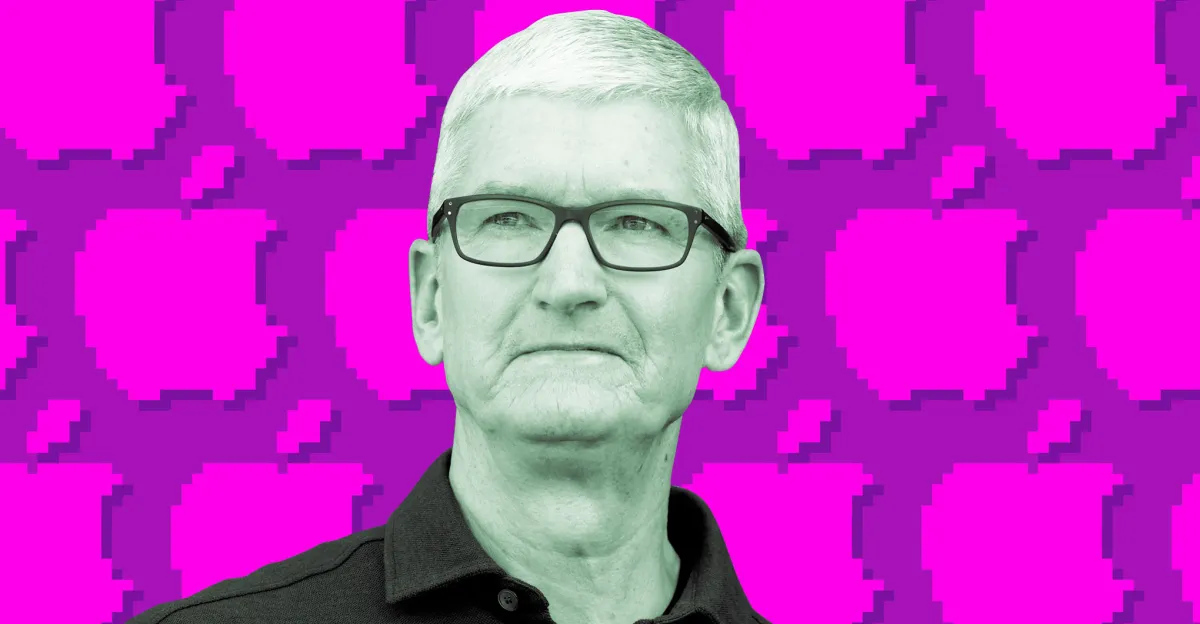
Tim Cook steps down as Apple CEO; John Ternus named his successor

Apple, the multinational technology giant, has announced a significant leadership transition, marking a pivotal moment not only within the realm of consumer electronics but also in the broader geopolitical scene. After nearly 15 years of steering the company through unprecedented expansion, Tim Cook will step down as CEO, handing the reins to John Ternus. This transition coincides with a period of intensifying global competition in artificial intelligence and tech innovation, where corporate decisions resonate with national security interests and economic stability. The move appears poised to influence the company’s strategic direction amid rising scrutiny over its trajectory in AI integration and market positioning.

  • Cook’s leadership saw Apple expand its market dominance, especially with record-breaking iPhone sales in China, signalling entrenched global dependencies.
  • Ternus, known for engineering expertise, promises to uphold the company’s core values while navigating the uncertain landscape of AI development.
  • Growing international and domestic tensions over tech sovereignty and competitive technology race shape the broader context for the announcement.

International organizations and analysts have keenly observed Apple’s shift as a reflection of the larger geopolitical dynamics at play. Some experts argue that the leadership change signals a strategic pivot as the tech sector grapples with AI supremacy and technological independence. In recent years, superpowers like the United States and the People’s Republic of China have been engaged in a high-stakes contest over control of AI and digital infrastructure, with corporations caught in the crossfire. According to technology historian Dr. Lisa Crawford, the new leadership at Apple might signal a cautious step toward more aggressive investment in emerging tech, possibly aligning corporate innovation with national interests. Such moves could reshape global supply chains and influence international cooperation, particularly in the face of mounting sanctions and tech war tensions.

This transition also carries profound implications for society and the global economic landscape. While Apple’s success under Cook bolstered prosperity, it also deepened dependencies in key markets, especially in East Asia. The decision to maintain a measured approach to AI integration—preferring third-party tools over full in-house solutions—may be a strategic response to fears of technological vulnerabilities or geopolitical vulnerabilities in the supply chain. Analysts warn that the next phase of technological rivalry could hasten a divide between Western and Eastern digital ecosystems, with global implications for cybersecurity and technological sovereignty.

As the world watches, the future of Apple seems intertwined with the broader narrative of international power struggles. The United States and other nations will scrutinize John Ternus’s leadership, assessing whether his technical expertise translates into a strategic foresight that can tackle the threats posed by global tech competition. Meanwhile, the real battle unfolds behind closed doors: between nations vying for dominance in the digital age, where the next few years could redefine the balance of power. As history continues to be written in these corridors of influence, one thing remains certain—every executive decision, every innovation, and every shift in leadership at companies like Apple shapes the unfolding fabric of our interconnected world, leaving future generations to grapple with the legacy of today’s choices.

Apple gears up for Supreme Court fight against Epic, once again.

Apple’s Legal Clash with Epic Games Signals Disruption in App Store Economics

In a move that underscores the ongoing upheaval in digital platforms, Apple is preparing to escalate its long-standing legal battle with Epic Games to the Supreme Court. This legal maneuver aims to challenge recent rulings that limit how Apple can charge developers for external payments, a decision that could reshape the fundamental economics of the App Store model. The case, pivotal in defining the future of app distribution and revenue sharing, arrives at a critical juncture where disruption threatens to upend entrenched business practices.

Technology analysts see this as more than a courtroom skirmish; it’s a reflection of broader industry trends emphasizing innovation and market disruption. The court’s decision, which allows developers to funnel users to external payment options, effectively challenges Apple’s 30% cut. Although Apple has reduced its fee to 27%, critics, including Epic, argue that this marginal reduction fails to address core concerns: the lack of transparency and the potential for monopolistic behavior. As the legal proceedings unfold, the implications extend well beyond Apple and Epic, with Google settling similar disputes by dropping its Store commissions to 20%—a clear signal that the traditional app economy is ripe for overhaul.

Industry experts, such as those at Gartner and MIT, highlight that disruption in app store economics will accelerate innovation in digital transactions. The potential for lower fees and more open ecosystems could favor emerging decentralized app marketplaces and AI-powered interfaces that bypass traditional app stores altogether. This evolving landscape demands that companies adapt swiftly; failure to innovate could result in diminishing market share as consumers gravitate toward AI agents capable of seamless transactions without the constraints of legacy platform fees. The court’s upcoming decision could catalyze a seismic shift, effectively encouraging developers to prioritize alternative distribution channels and spurring investment in disruptive payment technologies.

Expert analyses warn that the legal trajectory indicates that the era of unchecked platform control might be near an inflection point. As the case advances, it underscores a broader “tech renaissance” where disruption and innovation are paramount. The decision handed down could serve as a catalyst for a new wave of monetization strategies, prompting tech giants and startups alike to reimagine how digital goods are exchanged. While this legal showdown continues, the industry faces an urgent call to embrace these changes—those who hesitate risk being left behind in a rapidly evolving digital economy that favors agility, transparency, and consumer empowerment.

Apple confirms Lockdown Mode keeps users safe from spyware hacks

Apple’s Lockdown Mode: A New Era in Mobile Security

In a notable development in digital security, Apple has reaffirmed that its innovative Lockdown Mode, introduced nearly four years ago, remains an effective bulwark against mercenary spyware attacks — a significant claim in today’s landscape of sophisticated cyber threats. According to Apple spokesperson Sarah O’Rourke, no verified cases of successful hacking have been reported since the feature’s implementation, underscoring its potential to disrupt traditional attack vectors leveraged by government and private spyware agencies. This strategic shift signals a pivotal move by a tech giant to prioritize user privacy while confronting relentless espionage tactics.

Security experts and industry analysts commend Apple’s aggressive approach to hardening its ecosystem. Patrick Wardle, a renowned cybersecurity specialist, describes Lockdown Mode as “one of the most aggressive consumer-facing hardening features ever shipped,” highlighting its capacity to significantly shrink the attack surface and elevate security margins. By restricting message attachments, WebKit features, and other remotely exploitable vectors, Lockdown Mode complicates zero-click exploit techniques—hacks that can be executed over the internet without user interaction. This strategic move essentially raises the costs and technical barriers for spyware manufacturers, pushing them toward more complex, costly, and potentially less effective methods, in line with William Gibson’s adage that disruption often begins with making attack methods infeasible.

Implications for the Business and Security Landscape

This development has sweeping industry implications, particularly in the escalating arms race between device manufacturers and spyware developers. Apple’s proactive fortification challenges the traditional narrative that government agencies possess an insurmountable advantage in surveillance and remote infiltration. As Donncha Ó Cearbhaill of Amnesty International reports, “We have not seen any evidence of an iPhone being successfully compromised by mercenary spyware where Lockdown Mode was enabled,” reinforcing the feature’s defensive prowess. Such a stance could prompt rivals in the tech space to accelerate their security initiatives, heightening the disruptive potential across the mobile ecosystem.

From a business perspective, Apple’s bold security posture also reinforces its brand appeal among privacy-conscious consumers—particularly youth demographics increasingly skeptical of governmental overreach and invasive data collection. This commitment to end-user security may underpin long-term loyalty and open avenues for monetization through premium security services. As Gartner analysts suggest, embedding advanced security features like Lockdown Mode could become a differentiator, enabling companies to command premium pricing in an increasingly competitive market.

The Future Outlook: Disruption and Innovation Driven by Security

While the effectiveness of Lockdown Mode currently faces no confirmed breaches, industry insiders caution that security is a continuous race against evolving threats. Experts warn that no system is invulnerable, and malicious actors relentlessly develop new tactics to breach even the most hardened defenses. The significance lies in how rapidly disruptive innovation in security can reshape market dynamics, forcing spyware makers to innovate beyond their traditional ranges of attack. Top minds at institutions like MIT and forward-looking entrepreneurs such as Elon Musk recognize that disruptive security features are fundamental to the future of digital trust and market dominance.

As we look ahead, the urgency for industry-wide adoption of such technological barriers escalates. The paradigm shift initiated by Apple’s Lockdown Mode signifies more than a single feature; it heralds a new chapter in the relentless pursuit of privacy, security, and disruption in the tech industry. Companies that fail to innovate risk falling behind in a landscape where the cost of vulnerability is measured not just in data breaches, but in eroded consumer confidence and regulatory backlash. The future belongs to those who anticipate and adapt—transforming security from a marginalized feature into a core business advantage.

Score Big: Apple’s Top Gear Gets Cheaper During Amazon’s Spring Sale!

Apple Sets New Benchmark with the Launch of the 11-inch iPad Air Powered by M4 Chip

In a significant stride toward innovation and disruption in the mobile computing sector, Apple has announced its latest release: the 11-inch iPad Air equipped with the revolutionary M4 chip. Building on its legacy of blending power with portability, Apple aims to redefine user expectations and industry standards. The new device isn’t just an incremental update; it signals a strategic pivot towards integrating the most advanced hardware with ultra-fast wireless connectivity, positioning Apple at the forefront of the tablet market amidst fierce competition from firms like Samsung and Huawei.

At the heart of this release is the M4 chip, which marks a substantial leap in processing power and efficiency, particularly appealing to power users, creatives, and enterprise customers. The upgrade from 8GB to 12GB of RAM underscores Apple’s intent to push the envelope in multitasking and high-performance applications. Complementing this, the inclusion of Apple’s new N1 wireless chip introduces support for Bluetooth 6, Wi-Fi 7, and Thread, enabling faster, more reliable connections with wireless accessories and the burgeoning universe of smart home devices. This convergence of hardware innovation and connectivity capabilities hints at a broader trend: the seamless integration of devices into the smart ecosystem that is increasingly shaping the future of digital living.

Industry analysts, including firms like Gartner and MIT’s Media Lab, recognize this release as a pivotal moment that exemplifies disruption in mobile computing. The enhancements are poised to challenge legacy paradigms, where the focus was primarily on raw processing power, shifting instead toward wireless interoperability and AI-optimized performance. The move toward supporting Wi-Fi 7 and Bluetooth 6 particularly signifies Apple’s acknowledgment of a rapidly evolving wireless landscape, and its commitment to maintaining dominance by offering users an ecosystem that’s faster, more responsive, and more connected than ever before. For the broader market, this signals a strategic emphasis on disrupting traditional hardware cycles, and pressing the boundaries of what a portable device can achieve.

From a business implications perspective, Apple’s latest innovation underscores the escalating arms race among global tech giants to integrate hardware mastery with cutting-edge connectivity. As Elon Musk and Peter Thiel have often highlighted, technology’s true power lies in network effects, and Apple’s ecosystem-centric approach—through devices like the iPad Air—aims to dominate this space. The advancements not only bolster Apple’s competitive edge but also create new opportunities for app developers, enterprise solutions, and smart device manufacturers to leverage this robust platform. Furthermore, the launch accelerates industry-wide movement towards more intelligent, interconnected devices, transforming traditional workflows and consumer behaviors.

Looking ahead, this release invites industry watchers to consider the implications of such technological convergence. As the capabilities of consumer devices rapidly escalate, the demand for innovative ecosystems, secure wireless protocols, and AI-driven experiences will intensify. Companies that fail to adapt risk obsolescence, while those who harness these breakthroughs—like Apple—are poised to shape the digital future. The evolution of the iPad Air with M4 and Wi-Fi 7 heralds an era where the boundary between computing and connectivity dissolves, creating a landscape that promises smarter, faster, and more integrated technology solutions. In this climate of relentless innovation, the race for dominance is more urgent than ever, with tomorrow’s breakthroughs already on the horizon.

Halide co-founder sues Sebastiaan de With over code transfer to Apple

In a significant development within the technology landscape, Apple has once again demonstrated its relentless pursuit of innovation by bolstering its mobile photography capabilities through high-profile talent acquisitions. The recent hiring of Sebastiaan de With, co-founder of Lux Optics, underscores Apple’s strategic focus on elevating iPhone camera technology to meet professional-grade standards. Lux Optics, known for its flagship app Halide, revolutionized mobile photography by offering robust, pro-level controls, which significantly disrupted the traditional camera market.

This move not only highlights Apple’s unwavering commitment to integrating cutting-edge software solutions, but also signals a broader industry trend: the blurring of lines between dedicated hardware and software-driven ecosystems in consumer electronics. Filings reveal that Apple was so captivated by Lux’s technology that it contemplated acquiring the startup altogether—a testament to how much innovation is concentrated around disruptive software capable of redefining user experiences. The hiring of de With, therefore, reflects a strategic intent to shift industry standards and further entrench Apple’s dominance in the photography app niche, while maintaining technological leadership.

However, recent allegations related to de With’s departure cast a shadow over these strategic ambitions. A lawsuit filed by Lux co-founder Ben Sandofsky in California claims that de With was dismissed due to financial misconduct, specifically regarding the unauthorized use of over $150,000 for personal expenses and the alleged theft of Lux source code. Such claims reveal the zero-sum nature of innovation and talent acquisition in Silicon Valley, where internal conflicts can have ripple effects on broader industry disruption. Nevertheless, Apple’s defense dismisses these allegations as mere attempts to leverage the situation, emphasizing the importance of focus on technological advancement rather than internal disputes.

From a business perspective, this episode exemplifies the high stakes involved in talent acquisition and intellectual property management amid fierce industry rivalry. The disruption initiated by innovations like Lux’s camera technology, now under Apple’s wing, exemplifies what Gartner and MIT have highlighted: the convergence of AI, software, and hardware is reshaping consumer electronics at an unprecedented pace. Companies that successfully harness this synergy will not only redefine user experiences but also solidify market leadership, disrupting entrenched players who resist digital transformation. As industry observers watch these developments unfold, one thing remains clear: the future of mobile technology hinges on innovation that blurs traditional boundaries, and those who fail to adapt risk obsolescence.

In light of this, industry analysts warn that the race to dominate AI-driven camera software is intensifying. The fusion of proprietary algorithms, hardware enhancements, and intuitive interface design will determine who leads the next wave of mobile disruption. As Elon Musk and Peter Thiel have emphasized, pioneering ventures in AI and software integration will be central to future technological supremacy. Future implications point towards a landscape where ‘pro-consumer’ tools become more sophisticated, and companies must accelerate their innovation cycles to stay ahead. Time is of the essence: those who ignore the fast-evolving dynamics risk falling behind in the race to redefine what is possible in digital imaging and mobile tech itself.

Top Bluetooth Trackers for Your Apple and Android Devices

Revolutionizing Personal Asset Management: The Future of Bluetooth Trackers

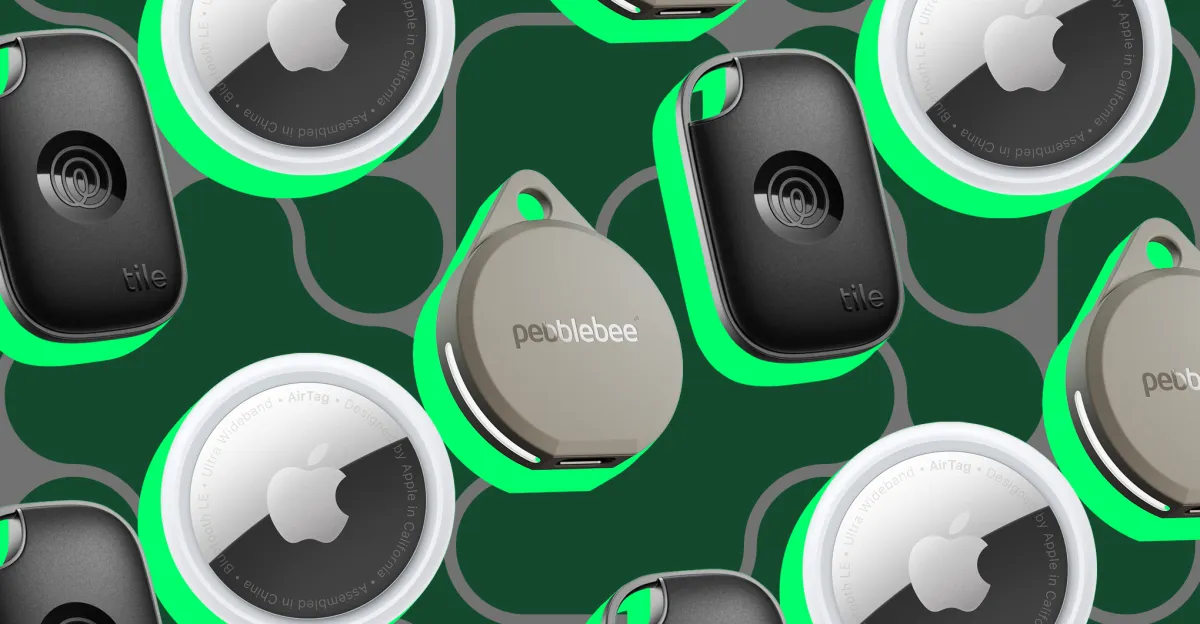
In recent years, Bluetooth trackers have transitioned from novelty gadgets to critical tools shaping the landscape of personal asset management and security. Leading tech giants like Apple, Tile, and emerging players such as Pebblebee are aggressively innovating, disrupting traditional methods of item recovery and security. The latest advancements—particularly integration with ultra-wideband (UWB) technology—are positioning these trackers as essential components in the New Digital Ecosystem. This evolution not only enhances user experience but significantly impacts how businesses and consumers handle lost items, theft prevention, and safety protocols, marking a profound shift in both consumer electronics and security industries.

At Apple, the introduction of second-generation AirTags exemplifies this innovation surge. Equipped with an upgraded UWB chip, the new AirTag delivers precision finding capabilities that far surpass the accuracy of traditional Bluetooth trackers. The device leverages Apple’s extensive Find My network, turning billions of Apple devices into a seamless, anonymous tracking grid—an industry disruptor that competitors are racing to emulate. The implications for disruption are colossal; Apple’s integration of UWB and proprietary features rest on a strategic business move that consolidates its ecosystem dominance, making it a formidable gatekeeper in personal tracking security. The trend towards hyper-precise tracking is poised to redefine user expectations, elevate security standards, and drive market growth in the next decade.

Emerging Competition and Market Dynamics

While Apple primes the market with precision, Android-based solutions are rapidly catching up. Tile continues to be the dominant provider for Android households, offering versatile form factors such as the Tile Slim and the larger Tile Pro. Notably, Tile’s recent support for anti-theft features—including ‘Scan and Secure’ alerts—demonstrates a burgeoning focus on consumer safety, addressing concerns around unauthorized tracking and privacy breaches. As a result, the market sees industry shifts towards anti-stalking technology, inspired by regulations and user safety demands, such as the highly innovative anti-stalking features coming with Tile’s recent lineups.

Furthermore, companies like Pebblebee and Samsung are innovating with features like rechargeable batteries, water resistance, and integration with large ecosystems—including Google’s Find Hub. The upcoming Eufy SmartTrack Card E40 aims to blend wireless charging with broad compatibility, including support for Google’s network. These developments signify market polarization—where innovation, privacy features, and cross-platform compatibility become key differentiators—shaping a fiercely competitive environment that demands agility and strategic foresight from industry leaders.

Implications for Business and Consumer Security

The disruption fueled by these technological strides carries enormous business implications:

  • Increased Market Penetration: Companies integrating UWB and privacy-centric features will access new consumer segments particularly concerned about security and theft prevention.
  • Enhanced Ecosystem Lock-in: Apple’s ecosystem advantages become more pronounced as their trackers leverage the Find My network, which, combined with innovative features, could create significant barriers for competitors.
  • Regulatory and Ethical Challenges: As anti-stalking and privacy protection features become standard, companies must navigate complex regulatory environments and develop ethics-focused security protocols.

Looking ahead, the rapid pace of innovation compels industry stakeholders to prioritize disruption-ready strategies—leveraging new tech like UWB, cross-device compatibility, and privacy innovation. With market dynamics tilting towards integrated, precise, and ethically conscious solutions, the race to dominate won’t just be thermal—it’s about shaping the security realities of tomorrow. For forward-thinking businesses and tech aficionados, seizing this moment is critical; the innovations now unfolding will define the next era of personal security and asset recovery, urging an immediate embrace of disruption or risk obsolescence.

Fresh leaks: Apple’s smart home display arriving this fall alongside iOS 27

Apple Delays Launch of Revolutionary HomePod with Integrated Screen and Robotics-Driven Devices

In a significant pivot within the smart home and consumer device sectors, Apple Inc. has postponed the highly anticipated “HomePod with a screen” from its initial launch window of 2025 to an unspecified fall timeframe. This delay, confirmed by industry leak sources such as X insider Kosutami and echoed by Bloomberg journalist Mark Gurman, signals a strategic hold as Apple recalibrates its entrance into the burgeoning intelligent home market amidst evolving AI and virtual assistant capabilities. The device, which has been shrouded in secrecy, is reportedly a sleek, silver aluminum-cased gadget featuring a 7-inch display, utilizing a custom version of tvOS 27 and powered by USB-C—a clear move to unify its ecosystem under a more flexible port standard.

This delay is not isolated but part of a broader, phased rollout of innovative products aimed at disrupting the traditional consumer electronics market. Alongside the HomePod refresh, Apple is also revamping its lineup of smart home products, including a new version of the Apple TV 4K, and a smart home sensor currently in development. These devices are expected to leverage the latest advances in artificial intelligence and machine learning to offer enhanced automation, security, and seamless integration within the Apple ecosystem. The upcoming devices are anticipated to run on future OS updates—iOS, macOS, and tvOS—set to debut in 2027, aligning with Apple’s broader strategy to position itself as an indispensable hub in every connected home.

The planned introduction of a robot arm-equipped device, initially projected for this year, has now been postponed until 2027, underscoring the company’s cautious approach amid ongoing AI advancements and supply chain considerations. Industry analysts from institutions like Gartner highlight that these disruptions, although initially frustrating, create opportunities for disruptive innovation. Apple’s focus on integrating AI-driven features and hardware versatility could redefine user engagement in smart living spaces, propelling it ahead of competitors like Amazon and Google in the smart speaker and home automation sectors.

The business implications are profound: Apple’s strategy to stagger product launches—covering foldable iPhones, updated software, and smarter home devices—indicates a conscious effort to maximize market impact and maintain exclusivity in a rapidly saturated market. By aligning product timelines with AI and Siri enhancements, Apple is reinforcing its vision to become the central control point for digitally interconnected households.

  • Enhanced AI integration for personalized user experiences
  • Expansion into sensors and automation for smarter homes
  • Continued ecosystem lock-in to boost hardware and service revenue

Such moves collectively underline a broader industry shift towards disruptive innovation—where hardware becomes secondary to end-to-end smart environments driven by AI. As industry experts from MIT to Peter Thiel warn, the next decade will favor companies that can rapidly iterate on AI-powered hardware while maintaining ecosystem lock-in, a game-changing power play.

Looking ahead, the postponement of these flagship devices signals both challenges and massive opportunities. Apple’s cautious approach ensures it can deliver polished, AI-driven experiences capable of disrupting entrenched players, but it also presses the urgency for startups and incumbents to accelerate their innovation cycles. As AI continues to evolve from a supportive role to a core strategic asset, the next 12-24 months will be crucial in defining who dominates the smart home and consumer tech landscape—and those who fall behind risk being swept away by the relentless tide of technological disruption.

iPad Air 2026: The M4 Power Surge Sparks a New Era for Youth Tech

Apple’s Strategic Chip Bump in the New iPad Air: What It Means for the Future of Tech Innovation

The latest iPad Air introduces a significant leap forward through a trio of upgraded chips: the M4 processor, the C1X cellular modem, and the N1 chip. These developments mark an intentional effort by Apple to extend its dominant position in the tablet market by refining performance and connectivity without radically altering form factors. While benchmarks show a modest 20-25% speed increase over the M3-powered Airs, industry experts recognize that real-world differences often remain subtle—yet the ripple effects across the industry are anything but minor.

Innovation and Disruption Driving Market Shifts

The chip bump strategy exemplifies a broader industry trend of incremental innovation that leverages hardware improvements for enhanced longevity and business efficiency. Apple’s approach—refining a proven product with targeted upgrades—stands in stark contrast to radical innovation cycles seen in other sectors, yet it effectively sustains consumer interest and operational margins. Gartner analyst Ian Wang notes, “Such strategic updates prevent obsolescence, fostering customer loyalty while pushing competitors to prioritize disruptive breakthroughs.”

Crucially, the C1X cellular modem signals a deliberate pivot towards enhanced mobile connectivity. Early testing indicates these devices outperform recent smartphones in adverse conditions, making the iPad the definitive mobile productivity tool. This is a strategic disruption,” argues industry analyst Mark Davis, “where Apple is not only satisfying existing demand but setting new standards for portable, always-connected workflows.”

Business Implications for Industry Players and Consumers

Within this context, the industry faces significant industry-wide ramifications. The continuation of refined hardware—focused on efficiency, connectivity, and seamless integration—presents an obstacle for emerging competitors as well as established rivals like Samsung and Microsoft. Apple’s incremental yet strategic enhancements suggest a business model built on durability and scalability, where faster chipsets prolong device lifecycles, ultimately challenging the paradigm of rapid tech refresh cycles.

  • Pros: Superior performance in key tasks, extended device life, and improved network capabilities.
  • Cons: Marginal performance differences for average users, persistent limitations such as base storage and display refresh rates, which reflect deliberate cost-optimization.

As Peter Thiel often emphasizes, “In tech, breakthroughs are often sterile, but incremental progress combined with ecosystem dominance can be more disruptive long-term.” Consequently, this market evolution reinforces the importance of strategic investment in hardware that emphasizes not just raw power but also connectivity, security, and ecosystem control.

Looking Ahead: The Urgency of Innovation and Market Readiness

The iPad Air’s chip upgrades demonstrate Apple’s keen focus on building an ecosystem that is resilient and future-proof. The enhancements hint at an era where hardware becomes increasingly invisible but indelibly impactful, underpinning a new wave of enabled, connected lifestyles. Industry insiders like MIT’s Center for Future Computing warn, “failing to keep pace with such nuanced but critical improvements risks obsolescence not just for Apple but for the entire connected device market—an industry where rapid disruption determines future dominance.”

In a landscape characterized by rapid technological shifts, the urgency for companies and consumers to stay ahead is clear. Innovation, disruption, and strategic agility will define the next decade. The rising tides of hardware enhancement and connectivity benchmark new standards—those who adapt swiftly will position themselves at the forefront of this new era, while complacency invites obsolescence. The question remains: how will you leverage this wave of innovation to stay competitive in tomorrow’s tech landscape?

Social Media Auto Publish Powered By : XYZScripts.com