Matox News

Truth Over Trends, always!

Tim Cook remains Apple’s quiet influencer amid shifting tech tides

Apple’s Leadership Transition Signals Strategic Shifts Amid Global Policy Challenges

In a move that underscores ongoing innovation and disruption in the tech sector, Tim Cook has transitioned from CEO to the role of Apple’s executive chairman, while John Ternus, senior vice president of hardware engineering, takes the helm as CEO. This leadership shakeup arrives at a critical juncture for the industry, as Apple braces for mounting regulatory pressures and geopolitical tensions shaping the tech landscape. With Cook remaining actively involved in high-stakes policy negotiations—particularly with U.S. policymakers—Apple continues to navigate complex global economic dynamics, emphasizing business resilience in an era marked by technological disruption and policy upheaval.

The strategic retention of Cook’s influence highlights the importance of political diplomacy in maintaining Silicon Valley’s competitiveness. Historically, Cook has balanced Apple’s interests across contentious markets, notably China and the U.S., exemplifying how industry leaders must adapt to evolving policy climates. This is especially relevant as worldwide regulators, led by institutions like Gartner and MIT, pursue aggressive measures to regulate emerging AI technologies. These efforts aim to create a safer, more accountable ecosystem—yet pose significant hurdles for companies aiming to innovate without stifling growth.

Meanwhile, the industry faces disruptive shifts in market structures, driven by innovations in AI, 5G, and edge computing. Experts suggest that the next decade could define the battleground between regulatory constraints and technological breakthroughs. Apple’s pivot towards advanced hardware and AI integration exemplifies the company’s strategic focus on disruption. Despite the leadership change, Cook’s ongoing influence on policy and corporate strategy ensures Apple remains agile, capable of tackling complex issues like AI regulation, app store oversight, and international trade tensions.

Looking ahead, the industry’s trajectory hinges on adapting to a rapidly shifting geopolitical landscape and embracing cutting-edge innovation. Companies that effectively leverage disruption while navigating policy constraints will be best positioned for sustained growth. As Elon Musk and other visionaries push the frontiers of electric vehicles, space exploration, and AI, the urgency for young tech leaders to adopt a proactive stance intensifies. The coming years promise a fierce contest at the intersection of tech innovation and regulatory power, underscoring the necessity for strategic foresight in the face of relentless change.

Score Big: Apple’s Top Gear Gets Cheaper During Amazon’s Spring Sale!

Apple Sets New Benchmark with the Launch of the 11-inch iPad Air Powered by M4 Chip

In a significant stride toward innovation and disruption in the mobile computing sector, Apple has announced its latest release: the 11-inch iPad Air equipped with the revolutionary M4 chip. Building on its legacy of blending power with portability, Apple aims to redefine user expectations and industry standards. The new device isn’t just an incremental update; it signals a strategic pivot towards integrating the most advanced hardware with ultra-fast wireless connectivity, positioning Apple at the forefront of the tablet market amidst fierce competition from firms like Samsung and Huawei.

At the heart of this release is the M4 chip, which marks a substantial leap in processing power and efficiency, particularly appealing to power users, creatives, and enterprise customers. The upgrade from 8GB to 12GB of RAM underscores Apple’s intent to push the envelope in multitasking and high-performance applications. Complementing this, the inclusion of Apple’s new N1 wireless chip introduces support for Bluetooth 6, Wi-Fi 7, and Thread, enabling faster, more reliable connections with wireless accessories and the burgeoning universe of smart home devices. This convergence of hardware innovation and connectivity capabilities hints at a broader trend: the seamless integration of devices into the smart ecosystem that is increasingly shaping the future of digital living.

Industry analysts, including firms like Gartner and MIT’s Media Lab, recognize this release as a pivotal moment that exemplifies disruption in mobile computing. The enhancements are poised to challenge legacy paradigms, where the focus was primarily on raw processing power, shifting instead toward wireless interoperability and AI-optimized performance. The move toward supporting Wi-Fi 7 and Bluetooth 6 particularly signifies Apple’s acknowledgment of a rapidly evolving wireless landscape, and its commitment to maintaining dominance by offering users an ecosystem that’s faster, more responsive, and more connected than ever before. For the broader market, this signals a strategic emphasis on disrupting traditional hardware cycles, and pressing the boundaries of what a portable device can achieve.

From a business implications perspective, Apple’s latest innovation underscores the escalating arms race among global tech giants to integrate hardware mastery with cutting-edge connectivity. As Elon Musk and Peter Thiel have often highlighted, technology’s true power lies in network effects, and Apple’s ecosystem-centric approach—through devices like the iPad Air—aims to dominate this space. The advancements not only bolster Apple’s competitive edge but also create new opportunities for app developers, enterprise solutions, and smart device manufacturers to leverage this robust platform. Furthermore, the launch accelerates industry-wide movement towards more intelligent, interconnected devices, transforming traditional workflows and consumer behaviors.

Looking ahead, this release invites industry watchers to consider the implications of such technological convergence. As the capabilities of consumer devices rapidly escalate, the demand for innovative ecosystems, secure wireless protocols, and AI-driven experiences will intensify. Companies that fail to adapt risk obsolescence, while those who harness these breakthroughs—like Apple—are poised to shape the digital future. The evolution of the iPad Air with M4 and Wi-Fi 7 heralds an era where the boundary between computing and connectivity dissolves, creating a landscape that promises smarter, faster, and more integrated technology solutions. In this climate of relentless innovation, the race for dominance is more urgent than ever, with tomorrow’s breakthroughs already on the horizon.

Fresh leaks: Apple’s smart home display arriving this fall alongside iOS 27

Apple Delays Launch of Revolutionary HomePod with Integrated Screen and Robotics-Driven Devices

In a significant pivot within the smart home and consumer device sectors, Apple Inc. has postponed the highly anticipated “HomePod with a screen” from its initial launch window of 2025 to an unspecified fall timeframe. This delay, confirmed by industry leak sources such as X insider Kosutami and echoed by Bloomberg journalist Mark Gurman, signals a strategic hold as Apple recalibrates its entrance into the burgeoning intelligent home market amidst evolving AI and virtual assistant capabilities. The device, which has been shrouded in secrecy, is reportedly a sleek, silver aluminum-cased gadget featuring a 7-inch display, utilizing a custom version of tvOS 27 and powered by USB-C—a clear move to unify its ecosystem under a more flexible port standard.

This delay is not isolated but part of a broader, phased rollout of innovative products aimed at disrupting the traditional consumer electronics market. Alongside the HomePod refresh, Apple is also revamping its lineup of smart home products, including a new version of the Apple TV 4K, and a smart home sensor currently in development. These devices are expected to leverage the latest advances in artificial intelligence and machine learning to offer enhanced automation, security, and seamless integration within the Apple ecosystem. The upcoming devices are anticipated to run on future OS updates—iOS, macOS, and tvOS—set to debut in 2027, aligning with Apple’s broader strategy to position itself as an indispensable hub in every connected home.

The planned introduction of a robot arm-equipped device, initially projected for this year, has now been postponed until 2027, underscoring the company’s cautious approach amid ongoing AI advancements and supply chain considerations. Industry analysts from institutions like Gartner highlight that these disruptions, although initially frustrating, create opportunities for disruptive innovation. Apple’s focus on integrating AI-driven features and hardware versatility could redefine user engagement in smart living spaces, propelling it ahead of competitors like Amazon and Google in the smart speaker and home automation sectors.

The business implications are profound: Apple’s strategy to stagger product launches—covering foldable iPhones, updated software, and smarter home devices—indicates a conscious effort to maximize market impact and maintain exclusivity in a rapidly saturated market. By aligning product timelines with AI and Siri enhancements, Apple is reinforcing its vision to become the central control point for digitally interconnected households.

  • Enhanced AI integration for personalized user experiences
  • Expansion into sensors and automation for smarter homes
  • Continued ecosystem lock-in to boost hardware and service revenue

Such moves collectively underline a broader industry shift towards disruptive innovation—where hardware becomes secondary to end-to-end smart environments driven by AI. As industry experts from MIT to Peter Thiel warn, the next decade will favor companies that can rapidly iterate on AI-powered hardware while maintaining ecosystem lock-in, a game-changing power play.

Looking ahead, the postponement of these flagship devices signals both challenges and massive opportunities. Apple’s cautious approach ensures it can deliver polished, AI-driven experiences capable of disrupting entrenched players, but it also presses the urgency for startups and incumbents to accelerate their innovation cycles. As AI continues to evolve from a supportive role to a core strategic asset, the next 12-24 months will be crucial in defining who dominates the smart home and consumer tech landscape—and those who fall behind risk being swept away by the relentless tide of technological disruption.

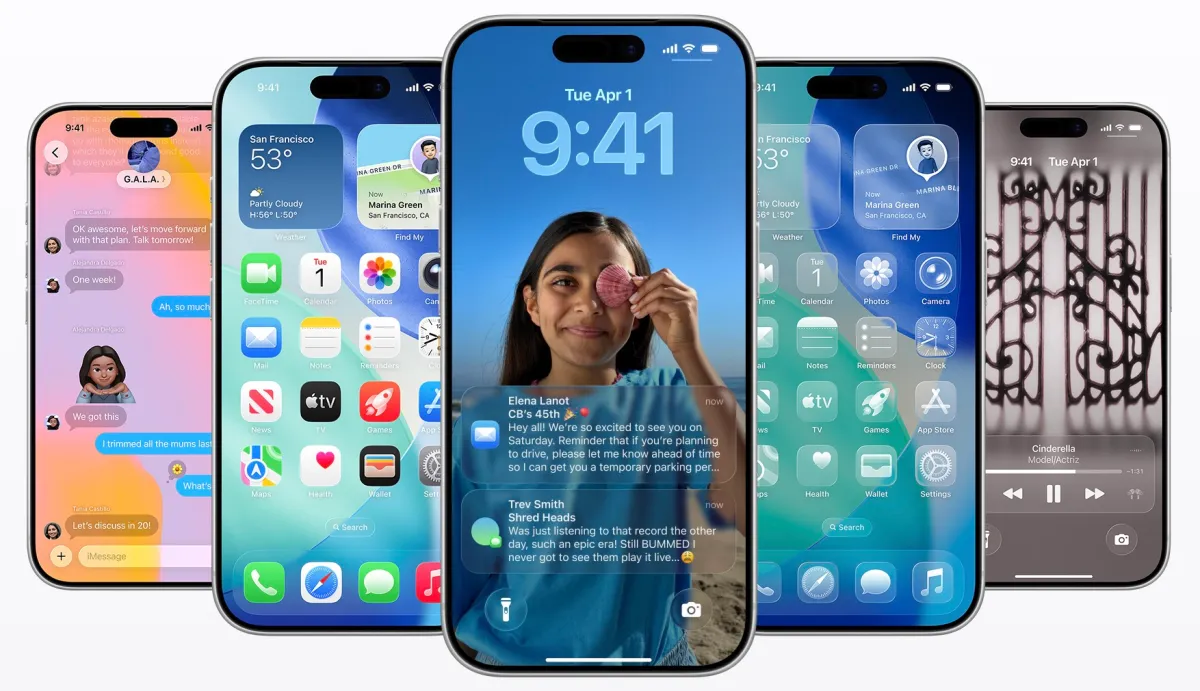
Apple’s iOS 26.4 Public Beta Drops: AI Playlists, Video Podcasts & More for Youths

Apple Unveils iOS 26.4: Disrupting Tech with AI-Powered Features

In a move that underscores its relentless push towards innovation and industry disruption, Apple announced the release of its latest mobile operating system, iOS 26.4. Currently available in public beta, this update anticipates a full rollout by March or April, promising to revolutionize user engagement with cutting-edge features leveraging artificial intelligence, security enhancements, and multimedia innovations. This strategic upgrade solidifies Apple’s positioning at the forefront of mobile technology, threatening rivals and reshaping how consumers interact with their devices and content.

AI-Driven Personalization and Business Disruption

The new AI-powered playlist generator within Apple Music exemplifies Apple’s commitment to integrating advanced machine learning into its core offerings. The “Playlist Playground” feature employs Apple Intelligence to craft customized 25-song playlists from text prompts, handling user preferences with unprecedented precision. This disruption not only enhances user experience but also impacts how music streaming services compete—ushering in an era where AI-driven content curation becomes standard. Industry analysts from Gartner suggest that AI personalization will be a key battleground, with companies that lead in this domain securing a dominant market share, potentially forcing competitors to adopt similar, disruptive algorithms or lose relevance.

Further, the refresh of the UI with full-screen artwork and the introduction of “Concerts Near You”—a feature that helps users discover live events—indicates Apple’s strategic pivot toward integrating content discovery with experiential social features. These innovations threaten traditional concert promoter and ticketing models, pushing the boundaries of how digital platforms monetize live entertainment, and creating new revenue streams that leverage AI for targeted recommendations and user engagement.

Security and Content Innovation Elevate Industry Standards

Security enhancements such as end-to-end encryption (E2EE) for RCS messaging mark a significant step towards harmonizing secure communication across platforms. Currently in testing, this feature promises to deliver iMessage-like confidentiality to Android users, broadening Apple’s influence in cross-platform messaging security—a critical concern in today’s increasingly digital society. The industry sees this as a disruptive move that pressures competitors like Google and Meta to elevate their security standards or risk losing user trust.

Meanwhile, video podcasts powered by HTTP Live Streaming (HLS) and integrated ad platforms exemplify Apple’s innovative push into multimedia monetization. Creators can now insert dynamic video ads, fostering a new digital advertising ecosystem that could undercut traditional radio, television, and even YouTube models. Industry giants like Elon Musk’s X (formerly Twitter) and startups such as Freenom are already exploring similar tech disruptions to redefine content delivery, but Apple’s seamless, ecosystem-wide integration gives it a formidable edge.

Security, AI, and Market Momentum Point Toward Future Dominance

By making Stolen Device Detection active by default and bolstering biometric authentication, Apple enhances device security, signaling a future where privacy and device integrity become standard expectations rather than added features. This approach pressures Android device makers to follow suit or risk user churn. Simultaneously, upcoming enhancements like support for in-car video playback via CarPlay and AI-powered camera tools introduce new avenues for disruption within connected vehicle markets and consumer multimedia.

Looking ahead, industry experts like Peter Thiel and MIT researchers emphasize that Apple’s emphasis on AI-driven content, cybersecurity, and seamless multimedia integration foreshadows a technological shift that demands urgency from competitors. As AI continues to evolve rapidly, Apple’s ecosystem becomes a battleground of innovation and disruption—propelling it towards an inevitable future where control over content, security, and user experience defines industry leadership. In this high-stakes race, only those who accelerate their technological development and adopt disruptive strategies will survive and thrive in the competitive landscape of tomorrow’s digital economy.

Intel’s Panther Lake Chips Crush Apple’s M5—Game Changer for Young Tech Fans

Intel’s Latest Chips Signal a Disruptive Shift in Computing Power and Industry Dynamics

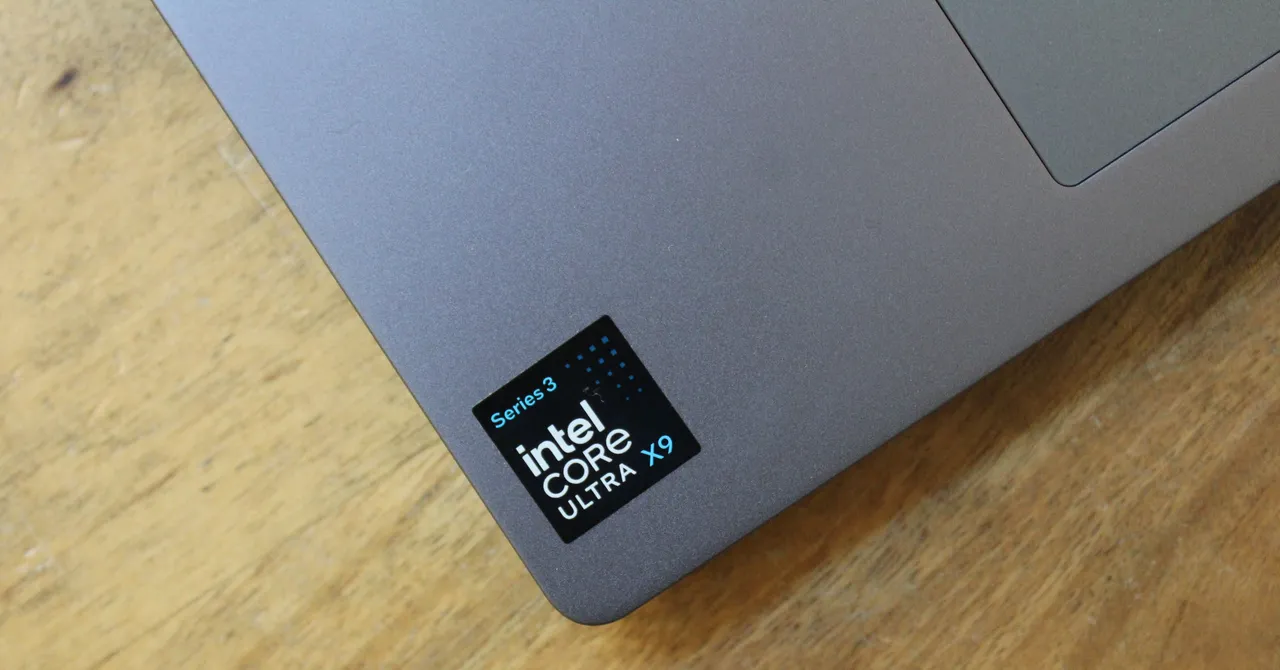
In a remarkable display of hardware innovation, Intel has reasserted itself at the forefront of the tech battlefield with its new generation of chips boasting unprecedented multi-core performance and integrated graphics capabilities. The flagship X9 388H chip, outperforming Apple’s latest M5 by a staggering 33 percent, exemplifies how Intel is strategically disrupting the status quo. This surge is more than a simple technical victory; it signals a potential redefinition of benchmarks in laptop and mobile computing, challenging established industry giants and paving the way for new standards of performance in thin-and-light devices.

Revolutionizing Integrated Graphics and Multi-Core Power

Intel’s Core Ultra 7 258V has delivered a benchmark-defying 52 percent increase in multi-core CPU performance and a 54 percent upgrade in integrated graphics, tested against current-generation competitors such as the M4 MacBook Air. The use of the powerful B390 GPU and 12 Xe cores in the X7 and X9 configurations, with the X9 at the forefront, demonstrates a disruption of traditional discrete GPU reliance—transforming laptops from mere portable tools into powerhouse multi-taskers capable of professional-grade graphics processing.

  • Top-tier multi-core performance surpassing industry expectations
  • Integrated graphics on par with discrete desktop GPUs
  • Significant leaps in AI and video editing capabilities within ultraportables

Analysts from Gartner and industry insiders note that this leap in integrated graphics represents a strategic pivot for Intel, directly challenging the long-held dominance of dedicated desktop GPUs in performance computing. Industry watchers view this as a clear signal that Intel intends to redefine what is possible in portable computing hardware, with implications across gaming, AI inference, and professional content creation sectors.

Market Implications and Industry Disruption

The impact of Intel’s advancements extends beyond mere performance metrics. The industry is witnessing a shifting market dynamic where innovation drives new business models. OEMs are already integrating these chips into ultrathin laptops that balance power with portability, radically shrinking the gap between high-end desktop performance and mobile efficiency. Such innovations threaten to erode the market share of traditional discrete GPU manufacturers, while companies like Apple, AMD, and NVIDIA face a renewed challenge from Intel’s disruptive hardware advances.

Furthermore, this progress demonstrates how disruption in core hardware can accelerate software and ecosystem innovation, prompting developers and businesses to rethink their approach to application design. As noted by industry leaders, the potential for integrating powerful AI operations directly into portable devices could” change the landscape of mobile AI, edge computing, and real-time data processing.

Looking Ahead: A Future Defined by Agility and Power

Intel’s latest chips are not merely an evolution but a revolution in portable computing, an inflection point that demands rapid adaptation from competitors and entrants alike. As Thiel and Musk have historically emphasized, technological progress hinges on relentless innovation and nimbleness. The next phase will see hardware manufacturers pushing these advances further into AI, machine learning, and 5G-enabled computing, making today’s breakthroughs tomorrow’s industry standard. Time is of the essence for competitors who wish to remain relevant in this new era of high-performance, integrated computing.

In conclusion, with such groundbreaking hardware, Intel is signaling a shift that could reshape the entire technology ecosystem—disrupting established players while opening doors for bold new applications. The race for supremacy in integrated, mobile, and AI-powered computing is accelerating, and those who innovate swiftly will lead the charge into a future where hardware and software harness unprecedented levels of power and efficiency.

Apple’s chip boss could be the next to jump ship—what’s really happening?

Apple’s Leadership Flux Signals a Critical Juncture in Tech Innovation

The tech industry is witnessing a seismic shift as Apple, long considered a bastion of stability and innovation, navigates through a wave of executive departures that threaten to destabilize its strategic direction. According to Bloomberg‘s Mark Gurman, Johny Srouji, senior vice president of hardware technologies, is “seriously considering” leaving the firm. This potential exit highlights underlying industry pressures as Apple struggles to solidify its position in the rapidly evolving artificial intelligence (AI) landscape, a frontier where disruption is imminent and fierce.

In parallel, Apple’s leadership shakeup extends beyond Srouji. The company has recently undergone a series of high-profile departures—including COO Jeff Williams, AI chief John Giannandrea, policy lead Lisa Jackson, general counsel Kate Adams, and UI design leader Alan Dye—reflecting an internal climate of upheaval. This succession of executive changes suggests deeper challenges, especially as Apple attempts to reinvent itself amidst industry-wide AI revolution, where giants such as Google, Microsoft, and OpenAI are making aggressive moves to dominate the future of intelligent technology.

Disruption in Artificial Intelligence and Business Morphing

Apple’s inability to find its footing in next-generation AI solutions underscores its vulnerability in the face of relentless innovation. The company has struggled to match the AI acuity of rivals, notably evident in its Siri platform, which has lagged behind newer models leveraging large language models (LLMs) and real-time data processing. Recent reports suggest Apple’s AI team is undergoing significant restructuring, aiming to overhaul Siri and integrate more advanced features—efforts that could define the company’s future competitive edge.

This turbulent climate raises critical questions for investors and industry analysts alike. While Apple’s ecosystem remains lucrative, industry insiders warn that failure to innovate aggressively in AI could jeopardize its market dominance in consumer electronics and software ecosystem. Apple’s upcoming strategies, reported to include major upgrades to iOS 27, may serve as pivotal milestones in its attempt to reassert leadership or risk obsolescence amidst a disruptive AI arms race.

Strategic Implications and Industry Outlook

  • Innovation imperative: Apple must accelerate AI R&D to catch up or risk falling behind industry leaders.
  • Leadership stability: Executive departures can hinder strategic continuity, affecting product pipelines and technological breakthroughs.
  • Market impact: Disruption within Apple’s core operations could reshape competitive dynamics, forcing rivals to seize opportunities in AI-powered devices and services.

Above all, the unfolding scenario underscores a significant industry shift, where established tech giants are being compelled to rethink traditional business models in favor of AI-driven innovation. As Elon Musk and Peter Thiel have emphasized, disruption today is the norm, and agility is essential for survival. Apple’s current turbulence, while disconcerting, could catalyze a new phase of technological ingenuity if navigated wisely. Industry watchers must anticipate a period of intense competition and strategic recalibration, with who leads in AI and hardware integration determining the future global tech landscape. The clock is ticking, and the next few years promise to be pivotal in defining how innovation, disruption, and business resilience will merge within Silicon Valley’s ever-evolving arena.

Apple’s AI setback: Top exec departs as rivals surge ahead

Apple’s Leadership Shake-up Signals New Chapter in AI Strategy Amid Global Tech Competition

In a move that underscores the intensifying global race for dominance in artificial intelligence (AI), Apple announced the departure of its head of AI, John Giannandrea. After a seven-year tenure marked by incremental advances, Giannandrea’s exit coincides with a broader challenge facing the Silicon Valley giant: its lag behind competitors like Google and Microsoft in delivering cutting-edge generative AI features. Although Apple debuted its AI product suite, Apple Intelligence, in June 2024, industry analysts note that the company’s AI development remains significantly behind industry leaders, raising questions about its future strategic direction amid a fiercely competitive ecosystem.

Despite its long-standing reputation for innovative hardware and user-centric design, Apple appears to be playing catch-up on AI, a sector now considered pivotal for technological supremacy. The company has implemented some AI-powered features, such as real-time language translation in AirPods and a fitness app with AI-driven voice chats, yet these innovations are largely incremental rather than transformative. Notably, efforts to revamp Siri with a more personalized and robust AI interface have been repeatedly delayed, a sign that the company’s **AI ambitions** are still in development, and its previous promises have yet to materialize. During its recent developer conference, Craig Federighi, Apple’s software engineering vice president, said that “the work [on Siri] needed more time to reach our high-quality bar,” hinting at internal struggles to match the AI capabilities of rivals like Google Assistant and Amazon Alexa.

The appointment of Amar Subramanya, a veteran AI researcher with extensive experience at Microsoft and Google, signals Apple’s recognition of the need to accelerate its AI strategy. Subramanya’s background as the former head of engineering for Google’s Gemini AI Assistant and Vice President of AI at Microsoft positions him as a key figure in Apple’s quest for AI leadership. Analysts, including those from the International Institute of Technology Policy, suggest that this leadership shift represents a deliberate effort by Apple to tighten its focus on building competitive AI systems capable of competing on the global stage.

Global Geopolitical Impact: AI as the Next Warfront

In the broader context, this AI race is now viewed as the next vital battleground for global influence. China, the United States, and the European Union are investing billions into AI research, recognizing its potential to shape economies, security, and military dominance. Decisions made by corporations such as Apple inevitably ripple out, influencing national policies and international power dynamics. The United States, long considered the leader in tech innovation—with institutions like the National Institute of Standards and Technology (NIST) and private companies fiercely competing—has seen a shift in momentum with China’s rapid advancements in AI capabilities. Some analysts warn that the current delays and internal struggles at Apple reflect a broader systemic challenge: legacy tech giants are feeling pressure to innovate or fall behind in this geopolitical contest.

Furthermore, the U.S. government and European Union are increasingly calling for regulation and safeguards around AI, emphasizing the importance of maintaining technological sovereignty and ethical standards. Historically, nations that lead AI development gain unrivaled leverage in international diplomacy, military strategy, and global markets. As Apple rethinks its AI roadmap, it acts as a microcosm of the larger battle shaping the future of global influence—where decisions made today could determine the rise or fall of world powers in the coming decades.

What Lies Ahead: The Weight of History in the Making

With Apple’s strategic shift and leadership change, the unfolding narrative reflects more than corporate ambitions—it symbolizes a larger epochal shift. The coming years will reveal whether Apple can surmount internal challenges to reassert itself as a leader in AI, or if it will become a secondary player in a high-stakes global rivalry. The decisions made now by industry giants and governments will echo through history, shaping economies, societies, and international power structures for generations to come. As the drama of technological evolution unfolds on the world stage, one truth remains clear: the very definition of influence in the 21st century is being written in code, and the outcome will determine who sets the rules of the game for the world’s future.”

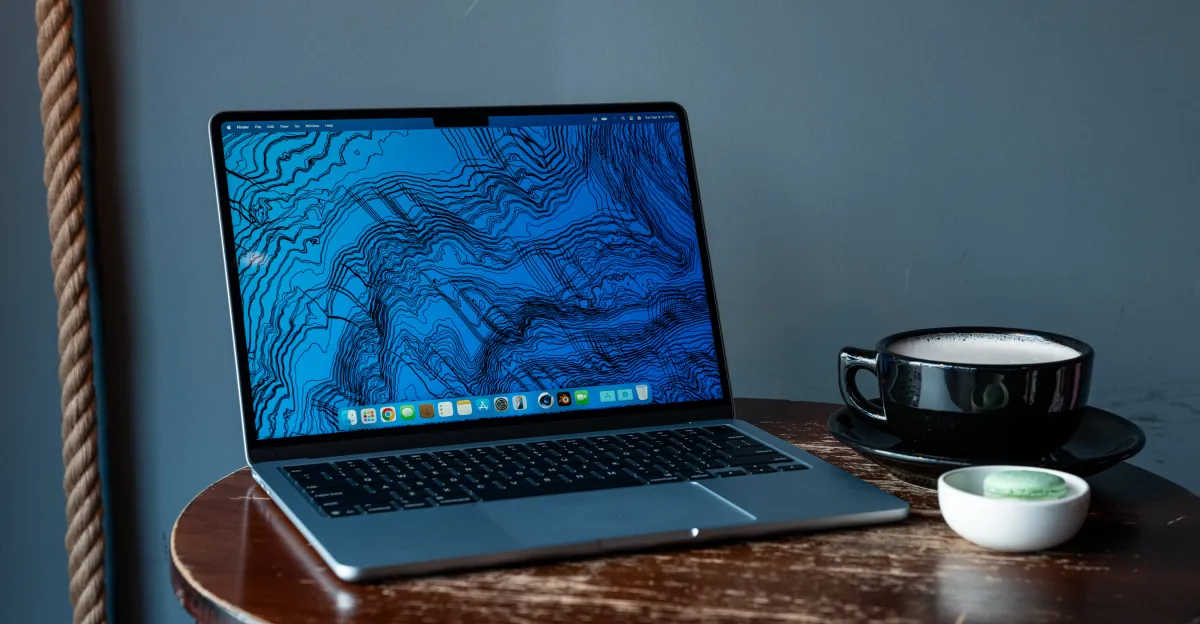
Apple’s sleek M4 MacBook Air hits new lows just in time for Black Friday

Apple’s M4-Powered MacBook Air Sets New Benchmark for Portable Computing

The recent rollout of the 13-inch and 15-inch MacBook Air models featuring Apple’s cutting-edge M4 chip signifies a seismic shift in the portable computing landscape. As the industry witnesses a swell of disruption and innovation, Apple’s latest offerings—available at unprecedented discounts ahead of Black Friday—highlight its strategic focus on delivering maximum performance in ultra-slim form factors. With the base 13-inch model now retailing for just $749.99—$250 off at Amazon—Apple is not only increasing accessibility but also challenging entrenched notions of premium hardware pricing.

At the core of this tech renaissance is the Apple M4 chip, which has quickly become a critical enabler of faster performance, enhanced battery life, and seamless integration with macOS 26. Gartner analysts note that the M4’s architecture signifies a paradigm shift, promising to disrupt traditional PC segments and accelerate Apple’s market dominance. The MacBook Air now features

  • Double the RAM at 16GB
  • Expanded webcam capabilities with a 12-megapixel Center Stage camera
  • Thunderbolt 4 ports upgrade

. These enhancements reinforce Apple’s strategic move to deliver higher-value experiences, placing the new MacBook Air well ahead of competitors in the ultralight category.

The implications extend beyond Apple’s product line. Industry watchers forecast a ripple effect, with other OEMs racing to adopt advanced ARM-based architectures inspired by Apple’s disruptive approach. MIT’s computer science faculty emphasize that such shifts point towards a future where integrated, efficient, and AI-optimized chips define the standard for next-generation laptops. This aligns with broader trends where software and hardware integration become pivotal for business agility, mobility, and innovation.

For businesses and consumers alike, this evolution signals a decisive move towards ultra-portable devices that do not compromise on performance. The 15-inch variant, with a superior six-speaker system and larger display, underscores Apple’s ambitions to tap into the professional segment without sacrificing portability. Meanwhile, the industry as a whole faces a decisive question: who will lead the next wave of disruption? As Elon Musk and Peter Thiel warn of a tech arms race driven by AI and hardware innovation, such advancements could reshape entire markets within the next few years—a race that tech pioneers must engage in decisively.

In conclusion, Apple’s latest MacBook Air models exemplify how innovation and disruption drive business strategies in the technology sector. With the combined power of the M4 chip and strategic pricing falls, Apple is reaffirming its leadership in shaping the future of portable computing. For industry stakeholders, the message is clear: timing is critical to stay ahead of the curve. The coming months will be pivotal as competitors scramble to respond, and early adopters profit from the cutting-edge capabilities that define tomorrow’s standards in portable hardware. The race to dominate the AI-integrated, ultra-light device market is intensifying—making now the critical moment for strategic investment and innovation-led growth.

Seoul eyes OK for Google, Apple’s high-res map plans—tech reach meets city limits

South Korea Weighs High-Resolution Map Data Export—A New Battlefield for Tech Giants

South Korea is at a pivotal crossroads in its approach to geospatial data sovereignty, with tech giants like Google and Apple vying for approval to export high-resolution maps outside the country. The decision, anticipated around November 11, could significantly alter the landscape for digital innovation, national security, and business strategy in Asia’s high-tech hub. Governments worldwide are increasingly scrutinizing the use and export of detailed geospatial information, viewing it as a double-edged sword—crucial for technological progress but a potential security threat.

The controversy centers on the export of 1:5,000 scale maps—maps that reveal street-level detail far more granular than traditional maps. These detailed datasets hold immense value for localized services, giving market leaders like Google and Apple a substantial edge in competitive navigation and augmented reality platforms. However, the sensitivities surrounding such information stem from concerns over national security, especially given South Korea’s ongoing conflict with North Korea. Lawmakers and security officials highlight the risks of exposing military sites and strategic assets if detailed maps are made accessible outside the country’s strict regulatory framework.

This regulatory tug-of-war underscores a broader trend of nations asserting digital sovereignty, with South Korea’s Geospatial Information Management Act serving as a key legal pillar. Since its enactment in the 1970s, the law has imposed rigorous controls on foreign access to geographical data, requiring government approval—often multiple layers of review—before allowing any export or transfer. Notably, Google’s previous requests for access have been rejected—in 2011 and 2016—unless the company committed to locating local data centers and obscuring sensitive sites. While Google has reportedly taken steps to blur military and security sites, it continues to seek permission for exporting high-res map data, which could drive its competitive advantage globally.

Disruption is imminent, with Apple making parallel moves to expand its high-resolution mapping footprint. In June, Apple submitted a request to export detailed map data, following a prior rejection in 2023. Notably, Apple’s strategy diverges by leveraging local servers, granting them increased flexibility and potentially quicker compliance with South Korean security requirements. The company is also reportedly exploring partnerships with local satellite data providers like T Map, owned by SK Telecom, to adhere to regulatory mandates while enriching its map quality. In this rapidly evolving landscape, the implications for market dominance and technological innovation are profound: local competitors such as Naver and Kakao continue to leverage high-detail maps, whose capabilities threaten to displace global players if regulatory hurdles are navigated successfully.

Recent international precedents highlight the strategic importance of geospatial data for national security and technological leadership. Governments have demanded the deactivation of real-time traffic or live mapping features in conflict zones—such as Israel and Ukraine—demonstrating the sensitive nature of live geo-information. Experts such as MIT’s Dr. Elizabeth Bell and cybersecurity analysts emphasize that controlling geospatial data is not just about privacy but about maintaining competitive advantage and sovereignty in the era of disruptive innovation. Companies like Google and Apple are navigating a digital battleground where every map update or data request could reshape their global market position.

Looking ahead, the South Korean decision will serve as a benchmark for other nations grappling with geo-security and innovation policies. The push-and-pull between openness and security reflects a broader geopolitical shift—where digital infrastructure becomes a key component of national strength. As industry leaders and policymakers grapple with these issues, the urgency to innovate responsibly while safeguarding sovereignty will only intensify, demanding agility, strategic foresight, and uncompromising adherence to emerging regulatory standards. The future of geospatial technology hinges on how countries and corporations balance these conflicting priorities—an unmistakable sign that we are entering a new era of digital sovereignty and technological disruption.

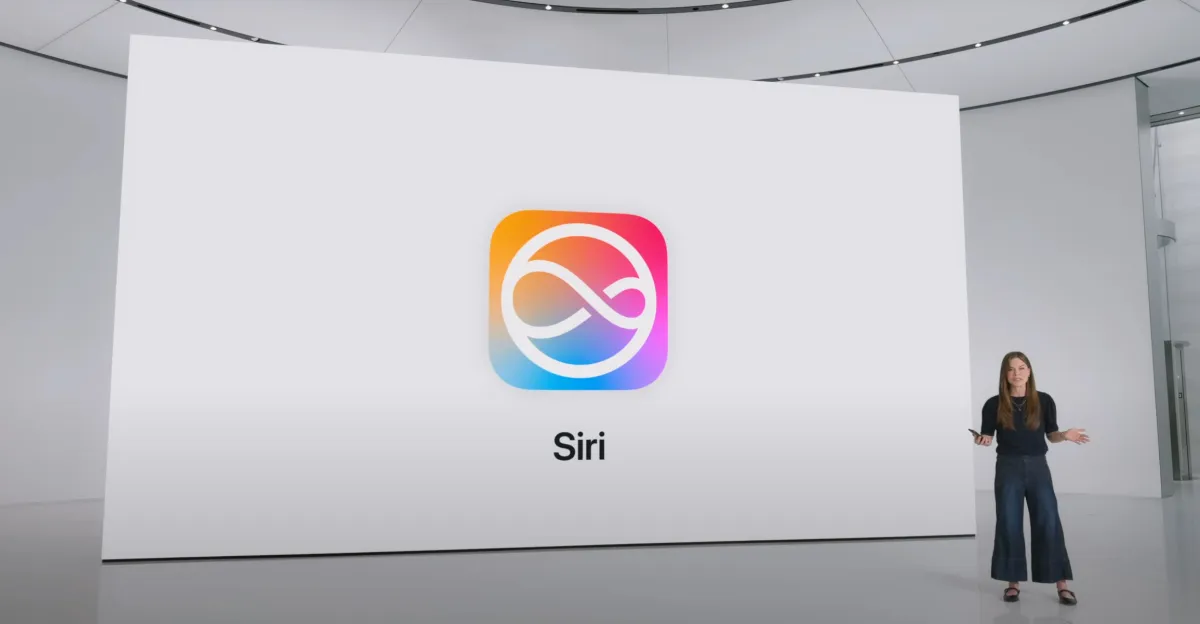
Apple’s ‘Veritas’ Chatbot: Exclusive Peek at Siri’s AI Boost for Employees

Apple’s Siri Revamp Signals New Wave of AI Innovation and Industry Disruption

In a rapidly evolving landscape dominated by AI innovation, Apple is taking a strategic step forward with its latest internal initiative, Veritas. Sources close to Bloomberg’s Mark Gurman report that the tech giant is testing a next-generation iteration of Siri, aiming to redefine the personal assistant experience through advanced machine learning capabilities. This move highlights Apple’s recognition that AI-driven disruption is no longer optional but a necessity to stay competitive amidst rising rivals like ChatGPT and Google Gemini.

Though delayed multiple times due to challenges in keeping pace with industry leaders, Apple’s renewed focus on internal AI tools underscores a broader strategic shift. Industry experts such as Gartner point out that integrating conversational AI within ecosystems confers a significant competitive advantage, especially as user expectations evolve towards more intuitive, context-aware interactions. The newly developed chatbot allows Apple engineers to simulate real-world conversations, testing features that enable Siri to perform complex tasks—like searching through personal data or editing media—more seamlessly. While the decision to keep Veritas internal indicates a cautious approach, the underlying technology underpins Apple’s broader ambition to embed AI at the core of its ecosystem, fueling innovation, and customer loyalty.

However, the industry implications extend beyond mere product enhancements. As Apple grapples with boosting Siri’s capabilities, it faces an industry-wide dilemma: how to balance innovation, user privacy, and market disruption. Given the company’s historical emphasis on privacy, partnering with Google’s Gemini for AI search suggests a pragmatic approach—prioritizing technological synergy over complete in-house independence. This strategic reliance could set a precedent, prompting a reshuffling of AI development partnerships across the industry.

Looking ahead, the trajectory of Apple’s AI initiatives signals an inevitable disruption of the digital personal assistant paradigm. The parts are aligning for a new wave where everyday AI interactions are more intelligent and contextually aware, transforming how users engage with technology. Analysts such as those from MIT’s Computer Science and Artificial Intelligence Laboratory emphasize that such advancements could usher in smarter, more autonomous devices that fundamentally reshape consumer expectations. As Apple and its competitors race to dominate the AI-powered future, one thing remains clear: the next decade will be pivotal. Disruption is accelerating, and those unprepared risk falling behind in the emerging AI-driven ecosystem that is poised to redefine tech industry benchmarks.

In this pivotal moment, the tech world must watch closely—not just for the innovations announced, but for the shifts in power and influence that will determine the dominant players of tomorrow’s digital age. For industries and consumers alike, the race to AI supremacy is a high-stakes game, with innovation and disruption now the currency of success.

Social Media Auto Publish Powered By : XYZScripts.com