Matox News

Truth Over Trends, always!

Today’s Moon Phase Revealed: What the Night Sky Will Look Like on April 13, 2026

As the Moon transitions into its Waning Crescent phase, with just 21% of its surface illuminated, an intriguing shift is underway in how young people engage with celestial phenomena. This lunar cycle, spanning roughly 29.5 days, has historically influenced cultural practices and social behaviors, but today, it holds a renewed grip on youth culture. From social media trends to lifestyle routines, the phases of the Moon are shaping trends that reflect a deeper societal connection to natural rhythms—subtly challenging the modern obsession with constant productivity and technological distraction.

Moon Phases as a Cultural Catalyst

According to NASA, lunar phases consist of eight distinct stages, each with its own symbolism and social resonance. Notably, Full Moons have long been associated with heightened emotional states and communal gathering, but recent influencers and social analysts are observing how the lesser-lit phases are gaining cultural significance. Younger generations are increasingly turning to the lunar calendar to structure their lifestyles—embracing the Waning Crescent and new moon periods for reflection, detox, or digital fasting. Experts note that this shift signals a move toward *less distraction* and a *more intentional* way of living that reconnects tech-reliant youth with natural cycles.

Prominent social media figures and lifestyle influencers are championing this movement. Accounts dedicated to spiritual wellness and mindfulness now frequently incorporate lunar phases into their content, encouraging followers to set goals or release negativity during the darker phases. Sociologists argue that this trend is more than superficial; it’s an act of resistance against the hyper-speed, always-on culture that defines modern life. Astrology, once a niche interest, has become mainstream among young adults, further cementing the Moon’s social relevance in shaping personal and collective identity.

The Social Relevance and Future Implications

This renewed focus on lunar rhythms signals a broader cultural shift in social values. As climate-conscious millennials and Gen Zs seek authenticity, they are increasingly viewing natural phenomena like the Moon as sources of guidance and stability. In fact, trend analysts suggest that the Moon’s phases are now integrated into lifestyle choices— from

  • tracking sleep cycles
  • scheduling important events
  • participating in moonlit rituals

. This movement represents a yearning to re-engage with nature in an era dominated by screens and instant gratification.

Yet, as this lunar revival continues to evolve, a provocative question emerges: Will the Moon truly reconnect us with a collective sense of purpose, or will it become another trend— transient and superficial in the face of societal shifts? Experts and cultural commentators ponder whether the Moon’s stages will serve merely as aesthetic markers or genuine catalysts for social change. In a world increasingly obsessed with innovation, the next impactful question is whether these ancient celestial cycles can sustain their influence as a long-term cultural anchor beyond fleeting trends or if they will fade into the backdrop of a rapidly changing society. Only time—and perhaps another lunar cycle—will tell.

NYT Connections Sports Edition Hints & Answers for April 11: Top Tips for Cracking Connection #565

The Rise of Brain-Engaging Trends: How Puzzle Games Shape Modern Youth Culture

In today’s fast-paced digital landscape, puzzle games such as the latest Connections: Sports Edition are taking the world by storm, particularly among young audiences driving cultural shifts with their obsession for mental challenges. These games are not merely casual pastimes; they’re becoming social phenomena that influence how youth engage with entertainment, community, and even identity. Influencers and platforms like Mashable are tapping into this trend, providing the latest puzzles, hints, and solutions, thus fueling a movement where intelligence and quick wit are highly valued among peers.

What makes puzzle games like Connections so socially resonant is their cultural relevance. They are more than just entertainment — they are a form of social currency among youth, creating a platform for friendly competition and community bonding. These games often categorize themes that reflect societal interests, such as sports teams, university affiliations, or even parts of the body, which resonate deeply with younger demographics. According to sociologists tracking youth engagement, this trend fosters a sense of achievement, identity, and belonging. Influencers such as gaming strategist Jacob “GameGuru” Lee emphasize the importance of these mental challenges in building cognitive skills that will serve young people in a variety of life domains, from academic pursuits to social interactions.

The Cultural Impact of Puzzle Challenges: Beyond Entertainment

Aside from their entertainment value, puzzle games are contributing to a broader shift in social behavior. They encourage the development of problem-solving skills, quick thinking, and social interaction in virtual spaces that mirror the real world’s competitive spirit. Platforms that host these puzzles, including Mashable’s dedicated games hub, have seen a surge in popularity among a demographic that craves intellectual stimulation outside traditional sports or music scenes. The adaptability of puzzle categories—such as recognizing MLB teams by colloquial names or identifying university references—mirrors a cultural shift where knowledge and quick recall become desirable traits for social validation.

Analysts note that this trend also embodies a form of digital camaraderie. Through shared challenges and friendly rivalries, youth are forging communities that are less about physical proximity and more about cerebral connection. As social psychologists like Dr. Lisa Nguyen point out, these games serve as social anchors that reinforce group identity and foster a sense of belonging in an increasingly digital world.

Looking Ahead: The Next Big Question

As puzzle games continue to penetrate youth culture, a bigger question emerges: How might these cognitive challenges influence future societal norms? Will the emphasis on mental agility reshape how we perceive education, career skills, or even social status? With the rise of AI and larger data-driven platforms, the detection of young talent through puzzle mastery could soon become as significant as physical prowess in traditional sports. The real challenge lies in understanding whether this shift signifies a temporary trend or a lasting transformation in how young society values intellectual capital over other forms of achievement.

Stay Ahead of the Game: Today’s Hints and Answers for April 8, 2026—Your Guide to Crushing the Day!

The New Wave of Mind Games: How Puzzles Like Hurdle Are Reshaping Youth Culture

In recent months, a surge in popularity for brain-teasing games like Hurdle has captured the attention of young audiences worldwide. These puzzles, reminiscent of classics like Wordle and Sudoku, are not just fleeting trends but emblematic of a larger shift toward cognitive engagement and social sharing among the youth. Unlike traditional gaming, which often emphasizes high-action or immersive storytelling, this new genre champions mental agility and social media virality. Influencers and trendsetters are now showcasing their puzzle-solving prowess, turning these activities into cultural phenomena that blend casual entertainment with mental fitness.

This trend reveals a notable social shift: a collective desire to demonstrate intellectual capability in a digital space increasingly driven by quick, sharable moments. Platforms like Twitter, TikTok, and Instagram are saturated with puzzle solutions, hints, and challenges—transforming these games into social currencies. As sociologist Dr. Lisa Carter notes, “The young generation is expanding the concept of play, integrating mental exercises into daily digital interactions to forge a sense of identity rooted in problem-solving and resilience.” These puzzles often feature clues that are both challenging and playful, such as the Hurdle game’s five rounds of word guesses, each revealing a piece of societal and cultural commentary, whether it’s the emphasis on composure or the playful hints about a cat breed like Tabby.

This rising trend also signals a broader tendency toward individual mastery and social recognition. Young users are nominating their favorite creators who excel at these puzzles, further blurring the lines between gaming and social validation. Mashable aptly underscores this, inviting fans to nominate their favorite creators today. What makes these games truly impactful isn’t merely their entertainment value but their ability to serve as markers of cultural literacy and social engagement. For instance, the puzzle theme revolving around animals or common objects — like bench or islet — subtly reflects a society that values quick thinking and collective participation, akin to a modern-day mental agility contest.

The social relevance of these games extends beyond personal satisfaction—they are a mirror to the changing face of social interaction. As youth engage with these puzzles, they are also engaging in a form of social storytelling, showcasing their reasoning skills and cultural awareness. Hand in hand with an increasing focus on mental fitness, this trend embodies a cultural shift embodying innovation, social connection, and the pursuit of quick-wittedness. Analysts speculate that if this momentum continues, we’ll see a new wave of interactive social platforms that prioritize cerebral engagement as a core feature, turning mental agility into a new form of social capital.

The Next Big Question

As these puzzle-based trends become embedded within youth culture, the true question remains: Will the next era of social media evolve into platforms that prioritize cognitive challenges over superficial entertainment? The emergence of puzzle-centric games like Hurdle and their viral spread point to a future where mental fitness might intersect with social validation in unprecedented ways. What if tomorrow’s social networks could harness this trend to foster community, competition, and even education—all through the lens of mental agility? The evolution of these games could very well redefine how young generations connect, challenge, and identify themselves—raising a vital question for the future of digital culture and social interaction: Are we entering a new age where brains are the ultimate currency?

NYT Dropping Clues and Confirmations: What April 7, 2026, Might Hold for Young Americans

In August 2025, a fresh breeze of excitement swept through the gaming world with the release of Pips, a new puzzle game that has quickly captivated the digital landscape. Unlike traditional dominoes or crossword puzzles, Pips offers a unique, single-player experience rooted in logic, pattern recognition, and strategic thinking. Its novel twist on classic domino principles appeals to a generation craving mental stimulation amid their busy lifestyles, marking a significant shift in how young audiences engage with casual gaming. The game emphasizes *behavioral shifts*—a move away from passive entertainment toward active, cognitive challenges—resonating strongly with a society increasingly valuing mental agility and real-time problem-solving skills.

The Cultural and Social Impact of Pips

Pips has established itself as more than just a pastime; it’s becoming a cultural marker for a new wave of millennials and Gen Zers seeking mindful leisure activities. Influencers across TikTok and Instagram are sharing their strategies and partial solutions, turning the game into a social phenomenon where communal problem-solving and friendly competition thrive. Sociologists highlight that this trend reflects a broader shift in social norms—from solitary screen time to shared digital experiences that foster community in a virtual space. The game’s intricate puzzle mechanics, which vary by difficulty levels from easy to hard, cater to different skill sets but all promote a sense of achievement and mental clarity.

Analysts observe that Pips not only offers entertainment but also reinforces social relevance in cognitive development. As youth increasingly turn to gaming for both relaxation and intellectual stimulation, Pips‘s emphasis on logic-based challenges helps redefine what constitutes productive leisure. The game’s design taps into a desire among young players for purpose-driven activities, making it a noteworthy example of how entertainment can align with societal aspirations of self-improvement and resilience.

Behavioral Trends and the Next Big Question

The game’s simple yet complex rules—balancing numbers, equal, not equal, less than, greater than conditions—encourage diligent practice and critical thinking. Top gamers and influencers share creative strategies and partial answers, blurring the lines between casual gaming and competitive skill-building. What’s particularly telling is how the game’s design reflects and fosters a broader societal u emphasis on mental agility in an age of information overload. As young consumers gravitate toward engaging, mentally challenging content, it raises an intriguing question: Are we witnessing the dawn of a new cultural paradigm where mental mastery becomes the ultimate social currency?

Ultimately, Pips is more than just another puzzle—it’s a mirror to societal values emphasizing innovation, agility, and problem-solving. Its viral spread raises the next big question for future trend-watchers: Will this be a fleeting fad or the blueprint for a new wave of intellectually driven entertainment that reshapes our social fabric? As we watch this trend unfold, one thing remains clear: the future of leisure might just hinge on how well we can decode, strategize, and adapt—both in game and in life.

Crack the Code: Today’s Hurdle Tips & Tricks for April 5, 2026—Stay Ahead of the Game!

In an era where digital entertainment often leans heavily on fast-paced action and fleeting social media trends, puzzle games are carving out a surprising yet impactful niche in the youth lifestyle landscape. Recent viral hits like Mashable’s “Hurdle” game, a multi-round word and logic puzzle, exemplify how these cerebral challenges are captivating the younger generation. The game’s structure—spanning five increasingly complex rounds—invites users to engage in critical thinking, pattern recognition, and strategic guessing, making it an appealing social activity that fosters mental agility and collaborative engagement. With hints, solutions, and community sharing, puzzle games are redefining what it means to be entertained in the digital age.

This renaissance of puzzles is not merely about mental exercise; it’s about social relevance and cultural influence. Today’s youth are fueling a shift toward appreciation for more “mindful” forms of digital entertainment, contrasting with the rapid dopamine hits of traditional social media. Influencers and content creators, such as those nominated on platforms like Mashable, rediscover the joy of problem-solving and intellectual challenge, turning what was once considered solitary activity into social currency. The communal nature of sharing hints, answers, and strategies creates a sense of belonging—an online tribe united by the love of unraveling mysteries. Analysts suggest this trend aligns with a wider cultural urge for authenticity and mental stimulation, offering a refreshing antidote to the superficial scroll.

Moreover, the viral growth of puzzle competitions—from Wordle to Mahjong and Sudoku—illustrates how the genre is embedding itself into youth routines and social media feeds. These games, often accessible on smartphones and web platforms, are transforming leisure time into opportunities for personal growth and social bonding. They also serve as a gateway for younger audiences to cultivate skills like patience, strategic thinking, and even resilience—traits often associated with traditional forms of education but now making waves in the online gaming landscape. Creative formats like Mashable’s “Hurdle,” with its teaser hints on words such as “SPOUT,” “LUNGE,” “FLAME,” “CRASH,” and “SHINE,” spark curiosity and foster a culture of shared challenge, blurring the lines between gaming and social activism.

Yet with this surge in popularity, a compelling question arises: what’s next for puzzle culture? Will these cerebral pursuits evolve beyond casual entertainment into something more integrated with our daily lives and societal values? Experts ponder whether future interfaces will combine augmented reality with puzzle-solving, turning urban exploration into interactive riddles or personal development into game-based learning. As digital natives continue to prioritize authenticity and mental wellness, could this trend signal a fundamental shift—where the pursuit of knowledge and mental agility becomes the new social currency? The next chapter of this puzzle culture might not just redefine how we entertain ourselves but could also embed itself into the core of our societal evolution, asking us all to contemplate: are we poised to turn mental agility into the **next big social movement**?

Wordle Today: Crack the Code – April 1, 2026 Answer & Tips for Young Trendsetters

In recent years, word puzzle games like Wordle have transformed from niche hobbies into mainstream cultural phenomena. Originating as an independent project, Wordle rapidly captured the attention of millions worldwide, becoming a daily ritual for a diverse audience seeking mental stimulation in an era dominated by digital entertainment. Its popularity culminated in a strategic acquisition by the New York Times, a move that underscores the game’s undeniable social relevance and enduring cultural impact. This phenomenon reflects a broader societal shift toward engaging with simple yet addictive forms of entertainment that foster community and cognitive engagement amidst the chaos of modern life.

What makes Wordle a cultural touchstone isn’t just its addictive gameplay, but how it has ignited a wave of social interactions across platforms like TikTok, where creators livestream their daily attempts and share strategies. Influencers like Ben Warheit and enthusiastic community members elevate the game from solitary pastime to collective experience, thereby contributing to a new social fabric centered on shared knowledge and friendly competition. Meanwhile, sociologists examine how this trend fuels a form of digital social bonding, breathing new life into the age-old tradition of wordplay and puzzle-solving but with a modern, viral twist. This participatory culture builds a sense of immediacy and engagement that transcends traditional media consumption, appealing especially to younger audiences seeking authentic and interactive entertainment.

As the popularity of Wordle endures, questions remain about its future trajectory and the evolving nature of such trends. For instance, many enthusiasts are curious whether the game will become increasingly challenging to keep players hooked or if developers will introduce novel features to sustain its appeal. The game’s simplicity—five-letter words, one puzzle per day—has proven powerful, but can this minimalist formula hold the attention of digital natives in the long run? Industry analysts like Jane McGonigal argue that the social dynamics of these games could evolve into larger movements, fostering communities that challenge traditional notions of gaming and entertainment. The upcoming integration of AI-driven hints and personalized puzzles hints at a future where Wordle and similar apps could continually adapt, blurring the line between casual pastime and sophisticated social experience. This raises an intriguing question: could today’s simple word game be the seed for a new era of interactive cultural literacy, redefining how we connect and compete in the digital age?

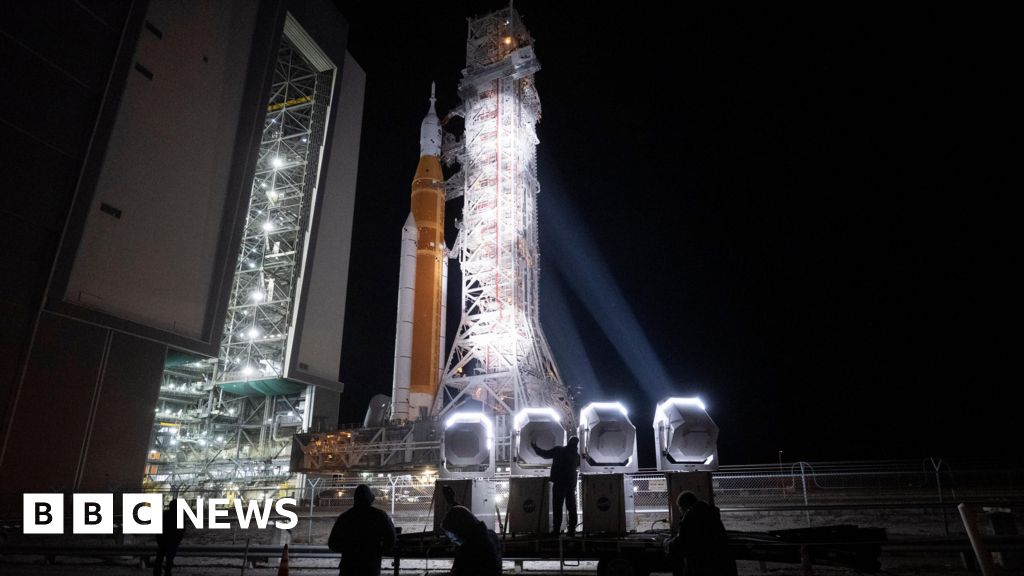
NASA's Artemis Moon Rocket Moves Back to Pad, Eyes April Launch
NASA’s Artemis Moon Rocket Moves Back to Pad, Eyes April Launch

The United States and its space agency, NASA, appear poised to make a decisive leap in their enduring quest to return humans to the Moon. Following rigorous data reviews, NASA managers have approved a critical second rollout for the Artemis program’s next phase, which involves comprehensive checks at the launch pad. These inspections are essential to ensure mission readiness and safety, underscoring the meticulous approach taken by Washington in its strategic pursuit of lunar exploration.
With successful completion of these tests, Artemis II will mark a historic milestone as the first crewed mission within the Artemis series. This mission signifies more than just a technological achievement; it symbolizes a renewed U.S. commitment to space dominance and innovation. The mission, which is expected to pave the way for subsequent lunar expeditions, will set critical operational precedents for human spaceflight and international collaboration as nations worldwide observe these developments with keen interest.

Analyzing broader geopolitical impact, the Artemis program signals an assertive posture by the United States in the new era of global space competition. As China and Russia accelerate their own lunar ambitions, America’s investments underscore a desire to maintain technological superiority and strategic influence in space—an arena increasingly viewed through the prism of national security. International analysts warn that these developments could redefine global power dynamics, transforming space from a realm of exploration into a new domain of geopolitical contestation. How the U.S. advances here could influence alliances and rivalries that stretch across continents and threaten to spark a new Cold War in the final frontier.

External observers, including prominent historians and officials from international organizations, emphasize that decisions made today resonate deeply within the fabric of global geopolitics. The Artemis program is not just about moon landings; it is a statement of technological leadership and ideological supremacy. Countries like China view space as critical to their national destiny, aiming to challenge U.S. dominance and secure their own place in history. Meanwhile, NASA and its partners push forward, driven by a vision that echoes the Cold War-era space race, yet now seasoned with the stakes of economic interests, technological sovereignty, and national prestige.

As history’s pages turn, the upcoming missions could herald a new epoch in human civilization. The successful deployment of Artemis II, followed by Artemis III—targeted for 2027—may well serve as the fulcrum upon which the future of space power is balanced. The lunar landings planned for Artemis IV in 2028 will demonstrate whether humanity can transcend terrestrial conflicts to unite beneath a common goal of exploration and progress. For now, the world watches, uncertain yet compelled by the gravity of these endeavors, knowing well that the decisions and actions taken today will shape the narrative of international relations for generations to come. The cosmos beckons, but so do the profound possibilities—and perils—of a future forged in the unyielding crucible of human ambition.

Energy bills to drop by £117 for millions across Britain starting April


UK Energy Price Shifts and Geopolitical Ramifications

UK Energy Price Caps and Their Geopolitical Significance

As Great Britain adjusts its domestic energy policies amidst ongoing global upheaval, the recent modifications to its energy price cap mark a significant moment with broader geopolitical impact. Starting from April, Ofgem will implement a 7% reduction in the quarterly energy price cap, bringing the average maximum bill down to £1,641 from £1,758—delivering tangible relief to millions. Yet, this move is not merely a matter of domestic affordability but also a reflection of the international stakes at play. Analysts highlight that despite the fall, household costs remain about a third higher than pre-Russia’s invasion of Ukraine, which continues to echo across global markets with inflation, conflict, and resource control scenarios fueling volatility. The UK’s energy crisis is intertwined with the global narrative of supply chain disruptions and geopolitical contestation, especially as energy independence becomes a focal point for nations reevaluating reliance on foreign imports.

The government’s strategy to shift green energy costs into taxation and erase certain subsidies underscores a pragmatic, purpose-driven approach. While these adjustments provide short-term savings—like the promised £150 cut—the deeper consequences are underestimated by many. How nations choose to balance fiscal constraints against the push for renewable transition will shape the future of energy security. Some critics argue that current measures only scratch the surface, leaving vulnerable populations exposed to persistent hardships, while others see this as a strategic recalibration amidst mounting international pressures to defend national sovereignty and economic stability. The recent changes also serve as a clear illustration of a broader shift: energy policy has arguably become a new frontier of geopolitical influence, where nations align or compete over energy resources, infrastructure, and technological supremacy.

Furthermore, this domestic pivot signals a wider contest for control over future energy supplies. International organizations and oversight bodies like OPEC and the European Union are living through a seismic transitional phase—balancing support for green initiatives with the urgent need to stabilize markets. As historian and energy analyst Dr. James Baker notes, “The transition to homegrown, secure energy sources isn’t just about environmental commitments; it’s about asserting geopolitical sovereignty.” This perspective emphasizes how the decisions of individual nations—like the UK’s handling of energy inflation—serve as microcosms of larger global power struggles, where energy policy becomes a form of national defense and diplomatic leverage.

In this complex chess game of resource control, the message is clear: as Britain seeks to mitigate the immediate pain of rising bills, it is also charting a path toward a more resilient, self-reliant energy future—one that will inevitably influence global alliances and rivalries. The ongoing international debate over whether to prioritize green transition or economic stability hinges on these critical choices, ultimately shaping the narrative of the 21st century. Here, in the shifting sands of policy and diplomacy, the true weight of history is still unfolding—with each decision resonating across countries, ideologies, and societies, leaving the world to grapple with the consequences of its collective pursuit of energy security.

Social Media Auto Publish Powered By : XYZScripts.com